



Marine Forecast Panama City Beach Florida: Waves & Wind (2026)
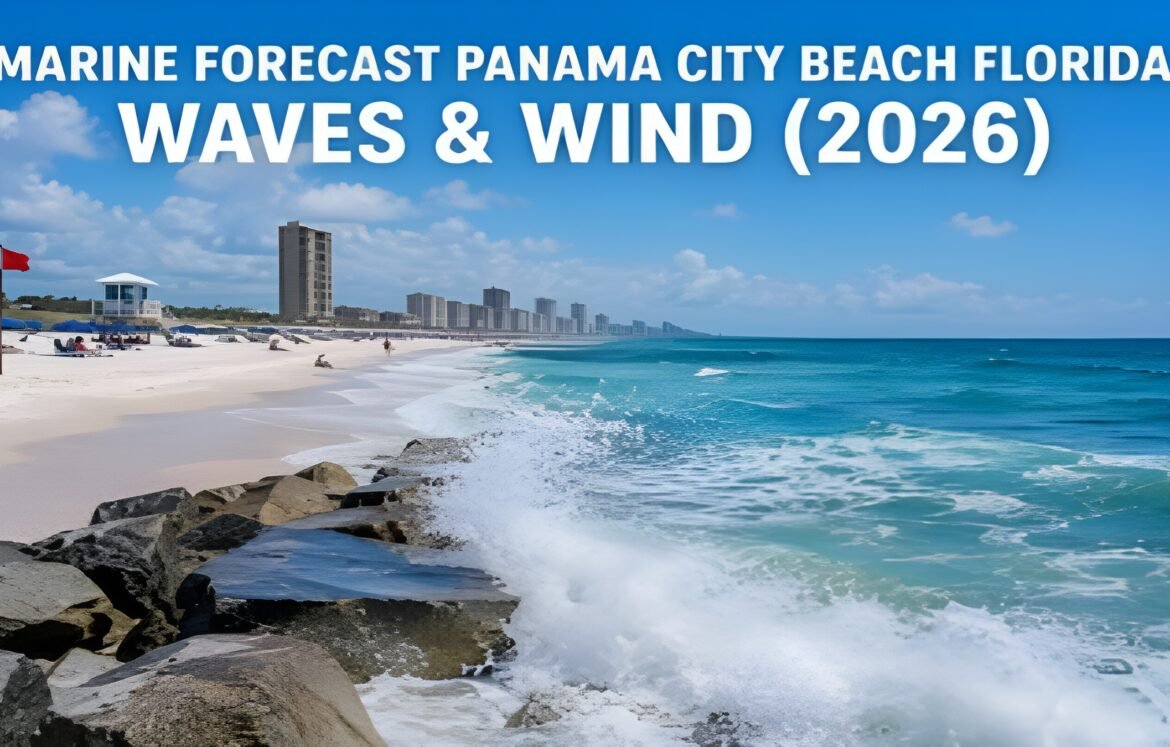
Planning a trip to Panama City Beach is always exciting, especially for visitors looking forward to sunny beaches and relaxing Gulf waters. Before heading out, checking the marine forecast can help you enjoy a safer and smoother beach experience. Whether you plan to go swimming, fishing, boating, paddleboarding, or simply relax by the shore, ocean conditions can affect your entire day. Calm waters and light winds usually create perfect beach conditions, while rough waves and strong currents may impact water activities.
Over the years, I have learned that beach conditions can change very quickly along the Florida Gulf Coast. A calm morning can become windy later in the day, and changing tides may create rough surf or dangerous rip currents. Many travellers only check the regular weather forecast, but the marine forecast for Panama City Beach Florida provides much more detailed information about waves, wind speed, tides, water conditions, and boating safety. This information is especially important for families, boaters, and visitors planning time on the water.
In this guide, I will explain the marine forecast for Panama City Beach Florida in simple language. You will learn about waves, wind conditions, tides, boating safety, fishing conditions, and seasonal water patterns. I will also cover how the NOAA marine forecast Panama City Beach Florida helps visitors stay updated before spending time near the Gulf waters.
What Is a Marine Forecast?
A marine forecast is a special weather report that focuses on ocean and coastal conditions instead of regular land weather. It provides information about wave height, wind speed, tides, surf conditions, water visibility, rip currents, and boating safety. These forecasts help visitors understand what conditions will be like near the water.
Many travelers visiting Panama City Beach only check the regular weather forecast and assume sunny skies mean calm water. However, Gulf conditions can change quickly. Strong winds may create rough waves, and dangerous rip currents can develop even on clear days. That is why marine forecasts are important for beach safety.
The marine forecast for Panama City Beach Florida is especially useful for boaters, fishermen, families, and tourists planning water activities. It helps visitors choose safer times for swimming, boating, fishing, and other beach activities before heading out onto the Gulf waters.
Why Marine Forecasts Matter in Panama City Beach
Panama City Beach is known for its beautiful white sand beaches and emerald Gulf waters. However, because it sits directly along the Gulf Coast, water conditions can change quickly throughout the day. Calm waves in the morning may become rough later as winds increase or weather patterns shift near the coast.
Marine forecasts help visitors make safer decisions before heading to the beach. These reports provide information about waves, wind speed, surf conditions, tides, and possible weather risks. Many travelers use the marine forecast for Panama City Beach Florida to plan boating trips, fishing activities, swimming, and other water sports more safely.
Many tourists only check the regular weather forecast, but marine conditions are just as important. I always recommend checking the forecast before leaving your hotel or vacation rental because it can help you avoid rough surf, strong currents, or unsafe boating conditions during your beach trip.
Understanding Wave Conditions
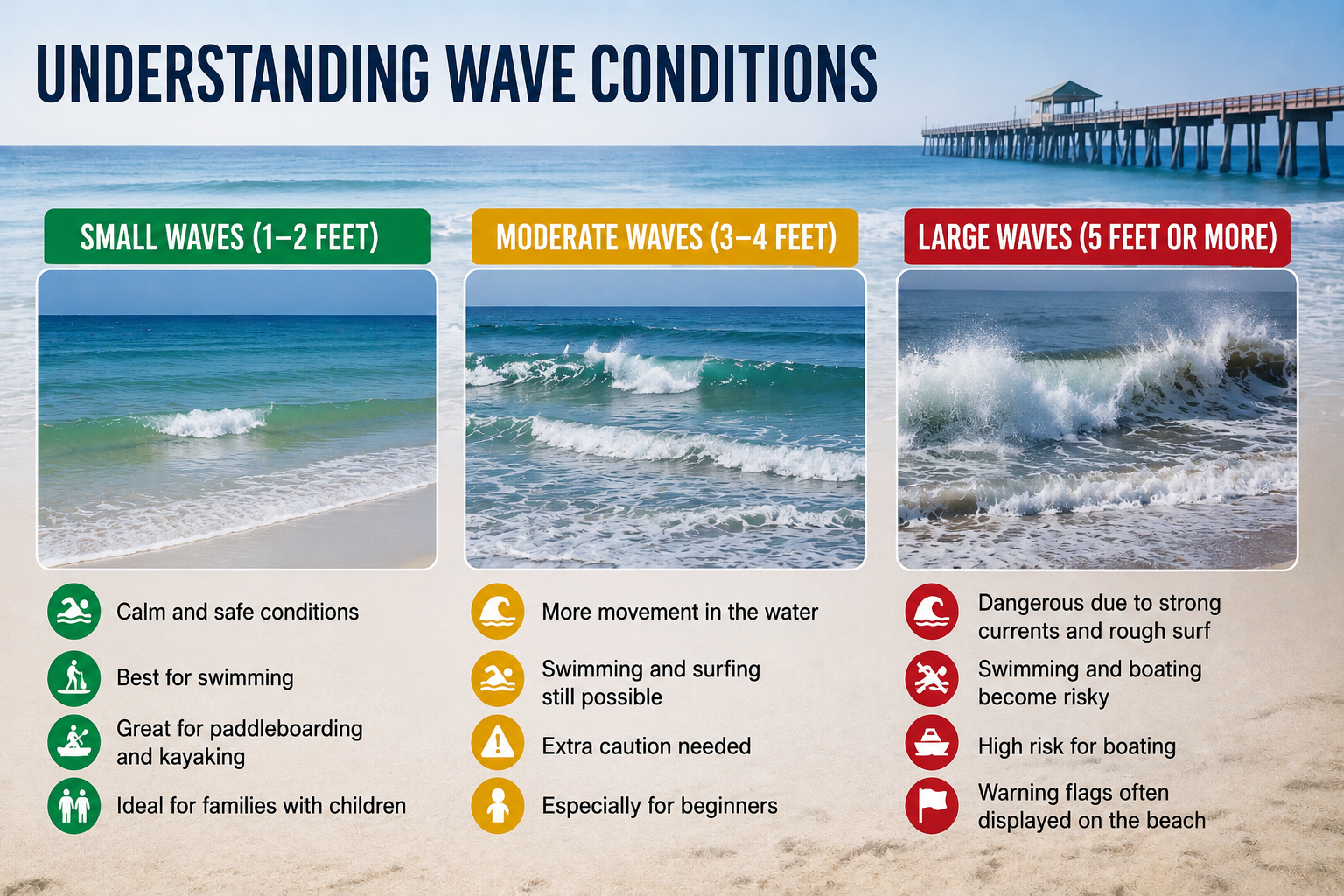
Wave height is one of the most important parts of the marine forecast in Panama City Beach. It helps you understand how calm or rough the Gulf waters will be before you enter the beach or go boating.
Small Waves (1–2 Feet)
Small waves usually mean calm and safe conditions. These are best for swimming, paddleboarding, kayaking, and families with children.
Moderate Waves (3–4 Feet)
Moderate waves create more movement in the water. Swimming and surfing are still possible, but extra caution is needed, especially for beginners.
Large Waves (5 Feet or More)
Large waves can be dangerous due to strong currents and rough surf. Swimming and boating become risky, and warning flags are often displayed on the beach.
Wind Conditions in Panama City Beach
Wind is a key part of the marine forecast because it can quickly change how the Gulf waters behave. Even on a sunny day, strong winds can turn calm water into rough surf and choppy waves.
Light Wind
Light wind usually means calm waters and ideal conditions for boating, fishing, swimming, and paddleboarding. The beach feels more relaxed and safe during these conditions.
Moderate Wind
Moderate wind creates choppy water and can make kayaking, paddleboarding, and boating more difficult. Visitors should stay cautious and monitor changing conditions.
Strong Wind
Strong winds can make the Gulf unsafe by increasing wave height, rip currents, and rough surf. Boating and swimming become risky, even if the weather looks clear on land.
Beach Flag Warning System
Panama City Beach uses a beach flag system to help visitors understand daily ocean safety conditions. These flags are based on waves, currents, wind, and marine hazards, and they can change quickly depending on the weather.
Green Flag
Green means calm and safe conditions for swimming and normal beach activities.
Yellow Flag
Yellow means moderate surf and some currents. Swimming is allowed but caution is needed.
Red Flag
Red indicates dangerous waves and strong currents. Swimming is risky and not recommended.
Double Red Flag
Double red means the water is closed due to extremely dangerous conditions.
Purple Flag
Purple warns of dangerous marine life like jellyfish or stingrays.
Always follow beach flags, even if the weather looks good, because conditions can change quickly along the Gulf Coast.
Best Marine Conditions for Swimming
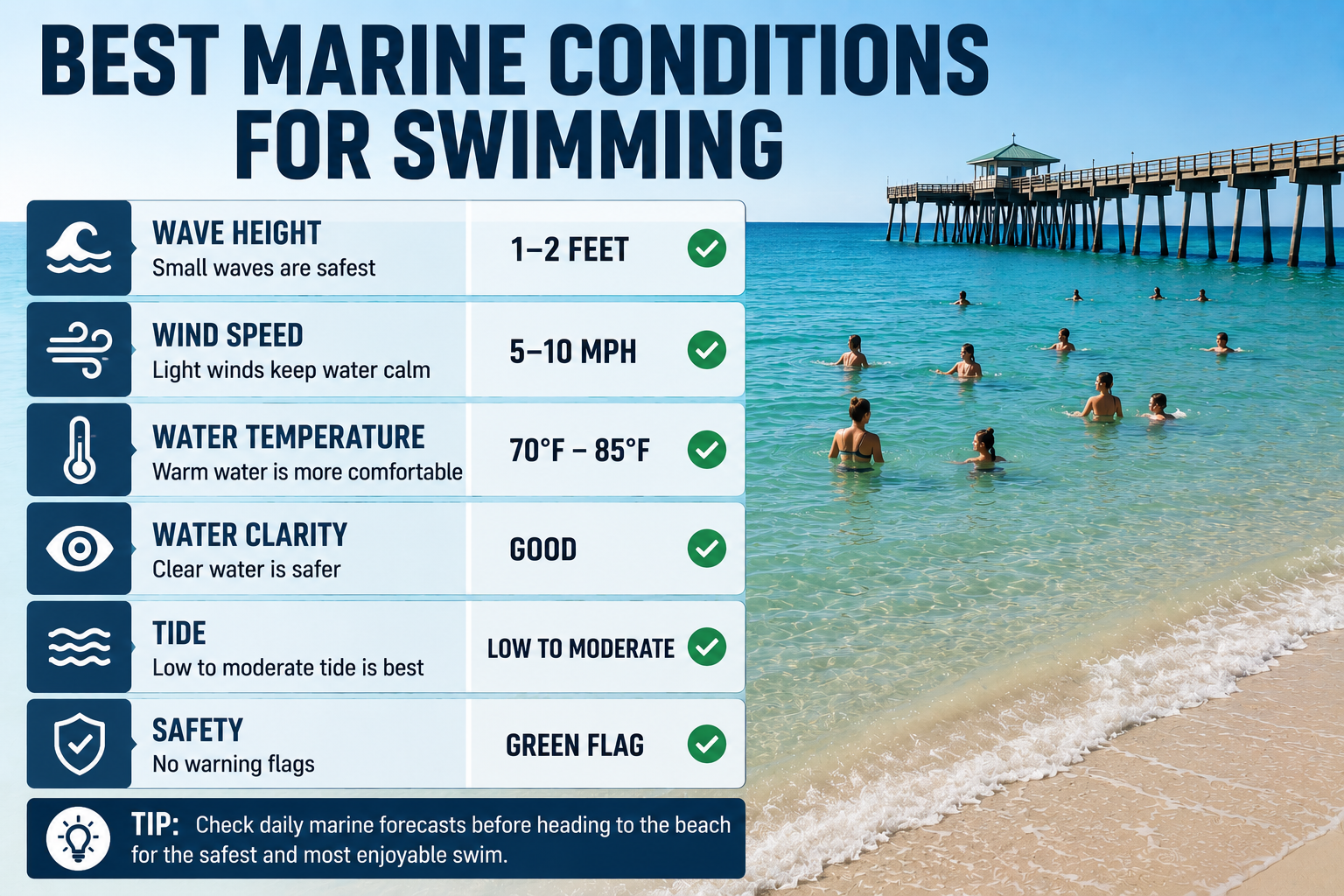
The best swimming conditions usually happen when the Gulf is calm and the waves are low. Families and visitors prefer safe, smooth water for a more relaxing beach experience.
Calm Water Conditions
Swimming is best when wave heights are under 2 feet, with light winds and stable tides. The water feels safer and easier for all age groups.
Beach Safety Flags
Green and yellow flags usually mean safer swimming conditions, but visitors should always check warnings before entering the water.
Best Time to Swim
Morning hours are often the calmest, making them the safest time for swimming before winds increase later in the day.
Best Marine Conditions for Fishing
Fishing is very popular in Panama City Beach, and marine conditions play a big role in how successful and safe a trip will be.
Calm Water Conditions
Calm seas are best for inshore fishing, pier fishing, kayak fishing, and family trips. The water is easier to control, and fish activity is usually steady.
Slightly Choppy Water
Mild waves can sometimes improve fish activity, but they require more experience and control, especially for small boats.
Rough or Dangerous Conditions
Strong winds and high waves make offshore fishing unsafe. Trips are often delayed or cancelled during bad marine forecasts, so checking conditions is very important.
Boating Conditions in Panama City Beach
Boating in Panama City Beach depends heavily on marine conditions like wind, waves, and visibility.
Ideal Conditions
Light winds, low waves, and clear weather make boating safe and enjoyable. These are best for fishing trips and family boating.
Dangerous Conditions
Strong winds, storms, fog, lightning, and rough waves can make boating unsafe, especially for small boats. Always check the marine forecast before going out.
Understanding Rip Currents
Rip currents are strong channels of water that move away from the shore and can pull swimmers into deeper water. They are one of the most dangerous ocean hazards along Florida beaches.
Signs of Rip Currents
Look for darker water, fewer breaking waves, or foam moving away from the beach. These can indicate a strong current.
If You Get Caught
Stay calm, do not swim against it, and swim parallel to the shore to escape. Float if needed and signal for help.
Safety Tip
Rip currents are more common during rough marine conditions, so always check the forecast before swimming.
Best Time of Year for Calm Water
Different seasons bring different Gulf conditions, affecting how calm or rough the water will be.
Spring
Mild weather with moderate surf, but spring break crowds make beaches busier.
Summer
Warm water and calm mornings are common, but afternoon storms can create rough conditions.
Fall
Often, the best season is for calm water, smaller crowds, and good fishing conditions.
Winter
The weather can change quickly, with calm days or rough surf due to cold fronts.
Hurricane Season and Marine Conditions
Hurricane season in Panama City Beach officially runs from June through November. While not every storm directly hits the area, tropical systems in the Gulf can still have a strong impact on local marine conditions, even when the storm is far away.
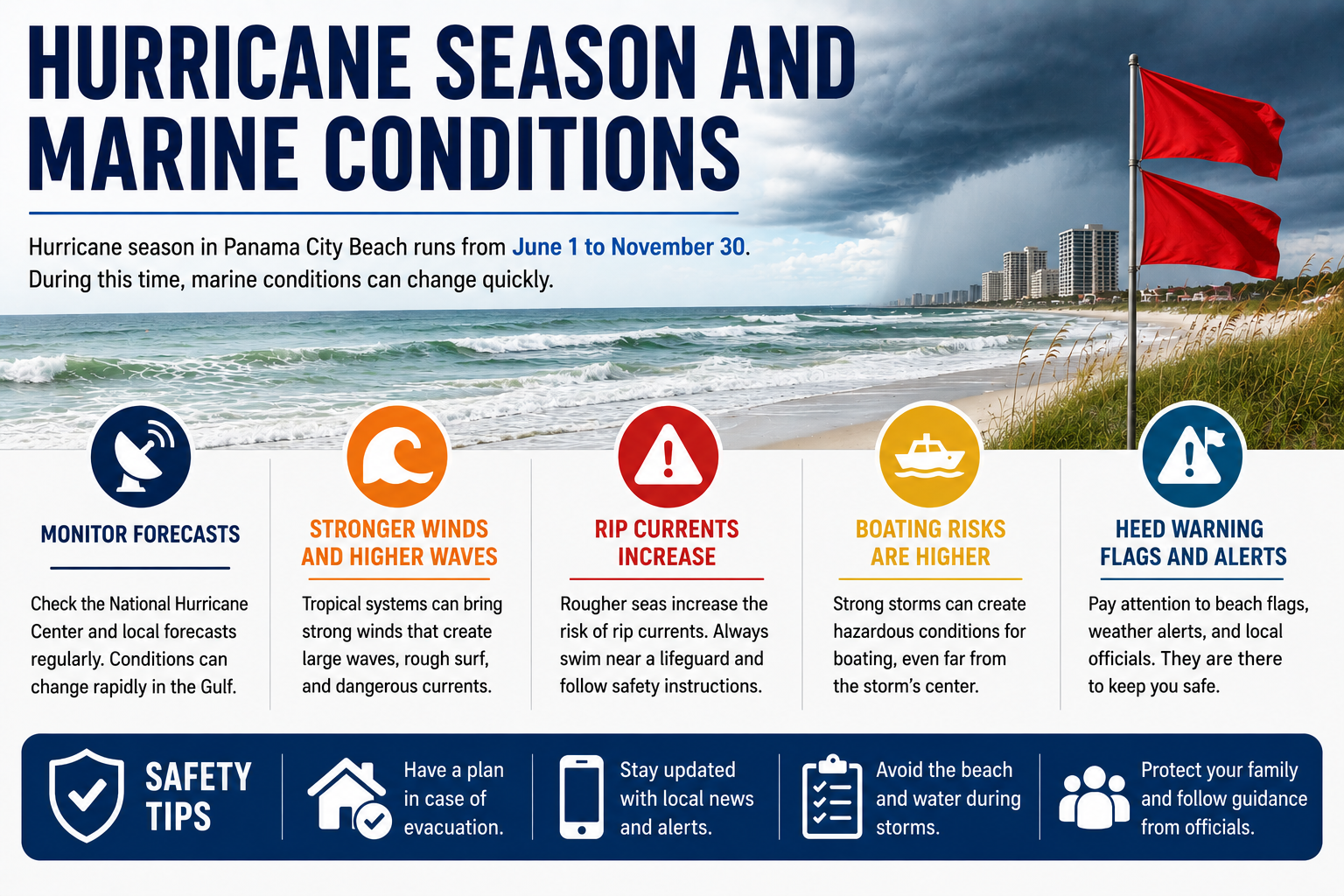
During hurricane season, the Gulf waters can change quickly and become more dangerous. Storm activity may cause high waves, strong winds, rough surf, beach erosion, and increased rip current risks. Even a distant storm can make swimming and boating conditions unsafe along the coastline.
Because of these changing conditions, it is very important to monitor weather updates regularly during this season. Checking marine forecasts before heading to the beach helps visitors avoid risky situations and plan safer activities.
Water Temperature in Panama City Beach
Water temperature in Panama City Beach changes throughout the year and plays a big role in swimming comfort and water activities. Even small temperature differences can affect how long visitors stay in the Gulf and what activities they choose.
Spring Water Temperatures
In spring, the Gulf water often starts off cool, especially in early March. As the season moves toward April and May, the water gradually becomes warmer and more comfortable for swimming and beach activities.
Summer Water Temperatures
Summer brings the warmest and most comfortable water conditions of the year. The Gulf feels pleasant for long swimming sessions, snorkeling, and other water sports, which is why summer is the busiest tourist season.
Fall Water Temperatures
Fall is another excellent time for swimming because the Gulf remains warm even after summer ends. Many visitors enjoy fewer crowds while still getting ideal water temperatures for beach activities.
Winter Water Temperatures
Winter water can feel quite cold for many travellers, even though the beach still attracts visitors. Some people continue to enjoy water sports, but swimming is less common due to lower temperatures.
Best Apps and Sources for Marine Forecasts in Panama City Beach
Several tools can help visitors stay updated on changing Gulf conditions in Panama City Beach. Many travelers check the marine forecast before planning boating trips, fishing adventures, or a full day at the beach because conditions can shift quickly along the coast.
One of the most trusted sources is the NOAA marine forecast for Panama City Beach Florida, which is widely used by boaters and anglers. It provides detailed updates on wind speed, wave height, tides, and coastal weather conditions that can directly affect safety on the water.
Other helpful sources include weather apps, wind tracking apps, surf forecast websites, and local beach condition reports. These tools give visitors quick updates on how calm or rough the Gulf may be throughout the day.
For the best results, it’s always a good idea to check more than one source before heading out, so you can better understand real-time marine conditions and plan safer water activities.
Morning vs Afternoon Beach Conditions in Panama City Beach
One thing many visitors quickly notice in Panama City Beach is that Gulf conditions often change throughout the day. Even if the morning looks calm and perfect, the afternoon can bring more wind, waves, and shifting weather patterns.
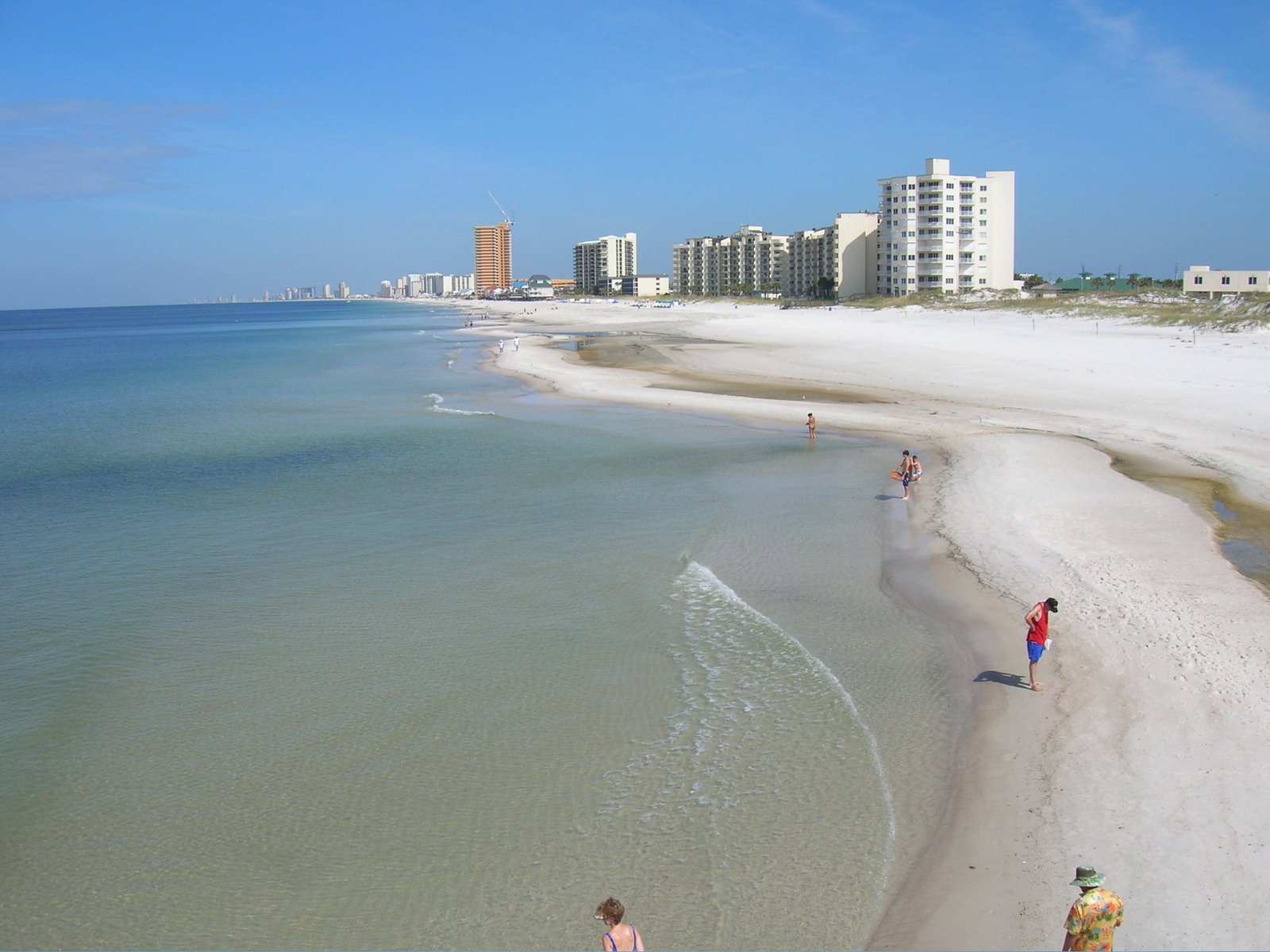
Morning Conditions
Mornings are usually the calmest time of the day. The water tends to be smoother, the winds are lighter, and the beach is less crowded. These conditions make mornings ideal for families, swimming, walking along the shore, and enjoying peaceful water activities.
Afternoon Conditions
In the afternoon, conditions often become more active. Winds may increase, waves can get larger, and during the summer months, thunderstorms are more likely to develop. This can lead to rougher water and less predictable beach conditions, especially for swimming and small watercraft.
For the calmest and most comfortable experience, mornings are generally the best time to enjoy the beach and water activities in Panama City Beach.
Marine Forecast Tips for Families in Panama City Beach
Families visiting Panama City Beach should always check marine conditions before going into the water.
Stay aware of beach flags and avoid swimming during red or double red flags. Always use lifeguard areas when possible and keep a close eye on children.
Use flotation devices for younger kids and avoid rough surf or strong currents.
Simple safety checks can make your beach trip safer and more enjoyable.
Marine Forecast Tips for First-Time Visitors
If this is your first trip to Panama City Beach, marine forecasts may seem confusing at first.
Here are some simple beginner tips:
Low waves usually mean calmer water. Strong winds often create rough surf. Thunderstorms can develop quickly in summer. Beach warning flags are very important. Morning conditions are often calmer
After one or two beach trips, understanding forecasts becomes much easier.
Common Mistakes Tourists Make in Panama City Beach
Many visitors to Panama City Beach make simple mistakes that can affect safety.
Ignoring Beach Flags
Some tourists enter the water even when red or double red flags are flying, which can be dangerous.
Not Checking Marine Forecasts
Relying only on weather instead of marine conditions can lead to unsafe swimming or boating.
Underestimating Currents
Rip currents can be strong even on sunny days, so awareness is important.
Swimming in Rough Water
High waves and strong winds increase risk, especially for children and beginners.
Frequently Asked Questions (FAQs)
What is a marine forecast in Panama City Beach?
A marine forecast is a weather report that focuses on ocean conditions like waves, wind, tides, and rip currents to help visitors stay safe on the water.
Why is the marine forecast important before going to the beach?
It helps you understand whether the Gulf is calm or rough so you can plan safer swimming, boating, or fishing activities.
What does NOAA marine forecast mean?
The NOAA marine forecast provides official and accurate updates about wind speed, wave height, tides, and coastal water safety conditions.
What is the best time to visit Panama City Beach for calm water?
Mornings and the fall season usually offer the calmest water with lighter winds and smaller waves.
How do I know if swimming conditions are safe?
Check beach flags and wave height—green or yellow flags and low waves usually mean safer swimming conditions.
What should I do if caught in a rip current?
Stay calm, don’t swim against it, and swim parallel to the shore until you escape the current, then return safely.
Can weather change marine conditions quickly?
Yes, Gulf conditions can change within hours due to wind, storms, and tides, even if the sky looks clear.