


Panama Weather in January (Temperature, Rainfall & Travel Tips)
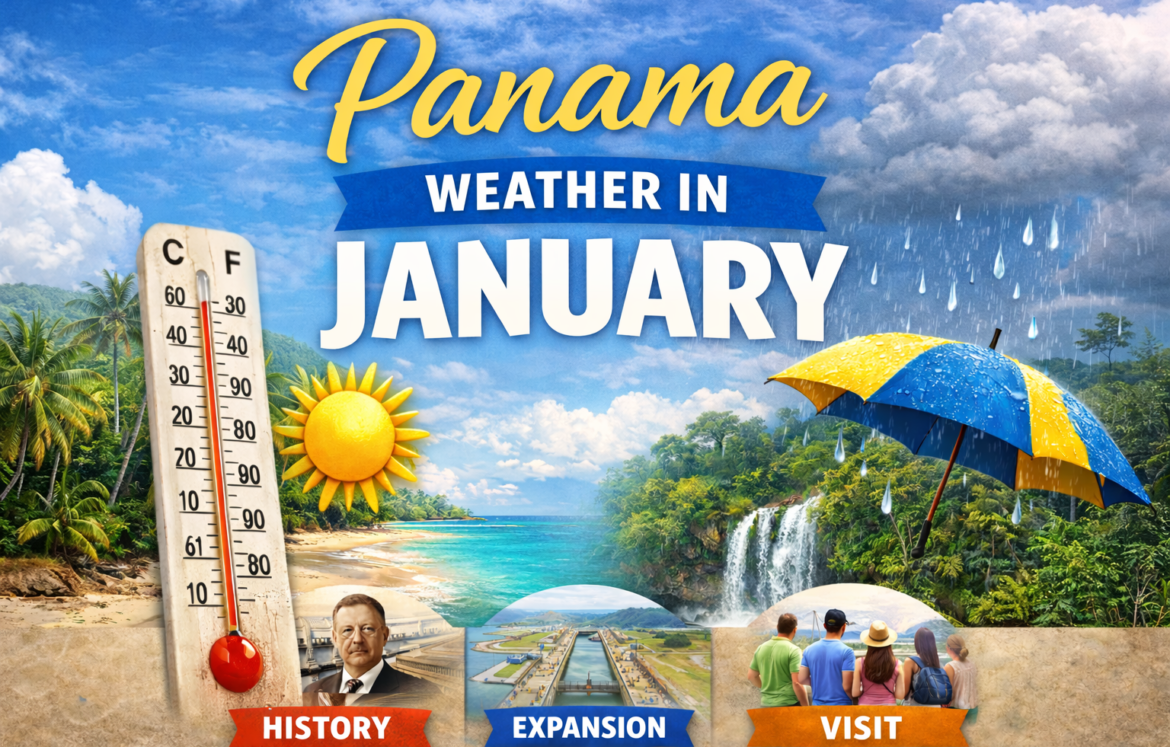
You’ll find warm, mostly sunny days across much of Panama Weather in January, with daytime highs typically in the mid- to high-70s to mid-80s Fahrenheit (about 24–31°C). January sits in Panama’s dry season, so you can expect less rain, good beach weather, and plenty of outdoor activity time.
I’ll break down typical temperature ranges, how much rain to expect, and practical travel tips so you can pick the best spots and pack smart. Expect notes on popular destinations, seasonal experiences, and answers to common questions that help you plan a smooth trip.
Overview of Panama Weather in January
I will describe temperature ranges, rainfall patterns, and how weather changes across regions. Expect mostly dry days, warm coastal heat, and cooler highlands.
Typical Climate Conditions
January sits in Panama’s dry season. I see many sunny days and lower humidity compared with December. Rainfall drops significantly; some areas average about 3–5 inches for the month, but many places get far less rain.
Trade winds pick up along the Caribbean and Pacific coasts, so coastal afternoons feel breezy. Cloud cover is usually light, and sunshine hours are high. This makes January one of the busiest months for tourism and outdoor activities like hiking, beach visits, and boat trips.
Humidity still lingers, especially in lowland and rainforest zones, so mornings can feel muggy. Nighttime cooling is noticeable in higher elevations, giving a more comfortable sleep.
Regional Weather Variations
Pacific coast and Panama City: I find warm, mostly dry weather with daytime highs around the mid-80s °F (about 29–31°C). Showers are uncommon and brief when they happen. For details on city averages, see Panama City January climate.
Caribbean coast and Bocas del Toro: I note slightly more cloud cover and a higher chance of brief rain compared with the Pacific side. Temperatures stay warm, near the low- to mid-80s °F (around 27–29°C).
Highlands and Boquete: I experience cooler nights and mornings. Daytime highs often sit in the mid-60s to low-70s °F (about 18–22°C). Frost never occurs, but a light jacket is useful.
Gulf and offshore islands: Sea temperatures remain warm for swimming. Winds can increase boat chop on exposed routes, so plan crossings in the morning when seas are calmer.
Average Daytime and Nighttime Temperatures
I track daytime highs typically between 75–88°F (24–31°C) across most populated areas. Panama City and the Pacific lowlands often reach the upper end of that range on sunny days.
Nighttime lows vary by elevation. Coastal and lowland lows usually stay warm, around 74–77°F (23–25°C). In contrast, highland towns like Boquete drop to roughly 55–65°F (13–18°C) at night.
Sea surface temperatures in January remain inviting, commonly near 80°F (27°C) on both coasts. That makes swimming, snorkeling, and diving comfortable throughout the month.
Temperature Ranges and What to Expect
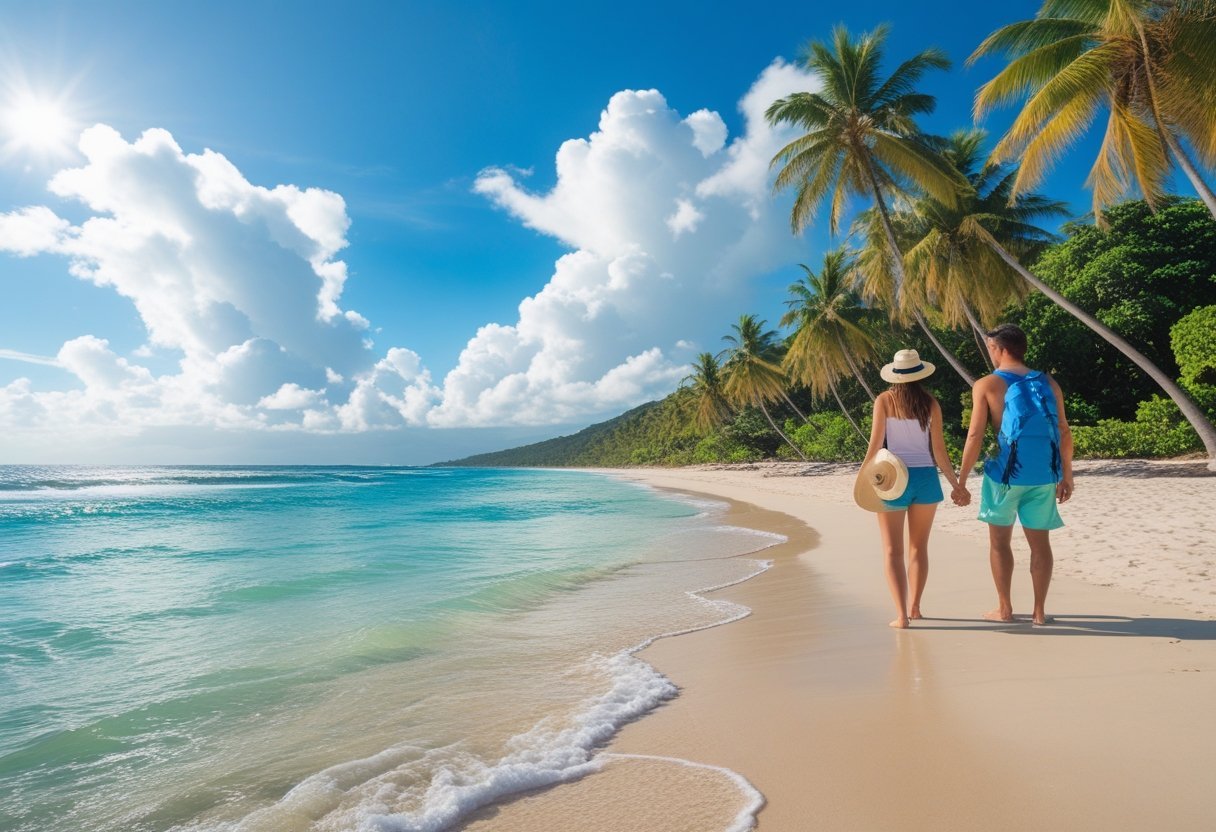
I’ll describe typical daytime and nighttime temperatures, how humid it feels, and what sunrise and sunset times mean for planning outdoor activities.
Daily Highs and Lows
I expect daytime highs in most lowland areas like Panama City to sit around 86–88°F (30–31°C). Coastal beach spots often reach the upper 80s (30–31°C) during sunny afternoons. In the interior highlands, temperatures can be several degrees cooler.
Nighttime lows usually fall to about 75–77°F (24–25°C) in the city and along the coast. Higher-elevation towns such as Boquete can drop into the mid-60s°F (around 18°C) overnight. Bring a light layer for evening walks or open-air restaurants.
I check forecasts before travel because occasional cold fronts or microclimates can nudge temperatures up or down by a few degrees. That helps me choose clothing and time for outdoor plans.
Humidity Levels
Humidity in January is lower than in the rainy season, but it still feels tropical. Relative humidity in Panama City often sits between 70% and 80% during the day. Mornings can be slightly more humid, making the first hours feel muggy.
Lower humidity and clearer skies make daytime heat feel more bearable than during peak wet months. I carry a reusable water bottle and light, breathable clothing to stay comfortable. Indoor spaces with air conditioning give clear relief, so I plan breaks during the hottest midday hours.
Coastal breeze reduces perceived humidity at beaches. In contrast, sheltered urban areas or dense forest sections hold moisture and feel warmer.
Sunrise and Sunset Times
Sunrise in Panama Weather in January is near 6:00–6:20 AM. Sunset falls around 5:40–6:00 PM. Day length changes very little through the month because Panama lies close to the equator.
Early mornings offer cooler temperatures and softer light—ideal for hikes, city walks, or boat trips. Late afternoon and early evening bring the warmest part of the day, but also pleasant sea breezes at the coast.
I plan outdoor activities around these times: mornings for exertion and afternoons for relaxed beach time or sightseeing with frequent shade and water breaks.
Panama City’s monthly weather details and averages can help confirm exact times and local temperature ranges if I need precise numbers.
Rainfall Patterns and Precipitation
I describe how much rain falls in January, where it falls most, and how often showers occur across coastal and inland areas.
Rainfall Amounts
In Panama City I expect about 3–5 inches (roughly 75–130 mm) of rain in January, typically spread over 3–5 days. Coastal Pacific towns like Pedasí and Playa Venao usually see very little rain, often under 25 mm for the month.
Highland areas and isolated rainforest pockets can record more, but averages for the most populated lowland areas stay low.
Typical rain events are short, heavy showers in the late afternoon or at night. Rain rarely lasts all day in January. I watch local forecasts because a single convective storm can push local totals above the monthly average.
Dry Season Characteristics
January sits well inside Panama’s dry season on the Pacific side, with mostly sunny days and lower humidity. I find mornings warm and clear, afternoons warm with a light breeze, and nights pleasantly cooler in higher elevations.
The Caribbean side can be slightly wetter than the Pacific, but January still counts as a drier month compared with November–December.
Dry-season traits I notice: reduced river turbidity, firmer hiking trails, and calmer seas for coastal trips. These conditions make beach visits and outdoor tours more reliable.
Likelihood of Storms
Severe storms are uncommon in January. I rarely see tropical systems affecting Panama weather in January at this time because the Central American hurricane season runs from June to November.
Short, intense thunderstorms can form from daytime heating, particularly near mountains and rainforest edges. These are usually localized and pass within an hour.
When planning, I check for isolated heavy showers that may cause brief flooding in low-lying urban areas. For current local warnings and hourly forecasts, I use trusted weather sites and local meteorological updates rather than relying on long-term averages.
Travel Tips for Visiting Panama in January
January brings warm, mostly dry weather, lots of sun on the Pacific coast, and breezy island conditions that affect packing, activities, and health choices.
What to Pack for the Weather
I pack light, breathable clothing for daytime temperatures that often sit in the mid-70s to mid-80s°F (24–31°C). Short-sleeve shirts, quick-dry shorts, and a swimsuit are essentials.
I bring a light long-sleeve shirt and a thin rain jacket for cooler mornings, cloud bands, or brief showers, especially on the Caribbean side.
Sun protection matters. I carry a wide-brim hat, UV sunglasses, reef-safe sunscreen (SPF 30+), and a refillable water bottle to stay hydrated in the heat.
For beach and boat days, I pack water shoes and a dry bag. For city days in Panama City, I include comfortable walking shoes and a light evening layer for air-conditioned spaces.
Best Activities for This Season
I plan outdoor adventures because January is one of the driest months, which makes hiking in rainforests and visiting national parks easier. Trails in Soberanía and El Valle de Antón are usually dry and less muddy.
I book boat trips early for the San Blas or Bocas del Toro since calm seas and good visibility make snorkeling and island hopping ideal.
I scheduled city time in Panama City to tour Casco Viejo, the Panama Canal, and rooftop eateries. Early mornings are best for wildlife viewing and avoiding midday heat.
I reserve popular tours at least a week ahead in high season to secure dates and better prices.
Health and Safety Considerations
I stay mindful of sun and heat risks. I apply sunscreen every two hours, drink 2–3 liters of water daily, and avoid long sun exposure between 11 a.m. and 3 p.m. If I feel dizzy or nauseous, I rest in shade and rehydrate.
I use mosquito repellent at dawn and dusk, especially near wetlands and on the Caribbean side, to lower the risk of mosquito-borne illness.
I keep travel documents and emergency contacts in a waterproof pouch and avoid isolated beaches at night. I follow local advisories about currents and tides before swimming.
For medications, I bring a basic first-aid kit, any prescriptions in their original containers, and copies of my prescriptions in case I need a refill.
Popular Destinations and Seasonal Experiences
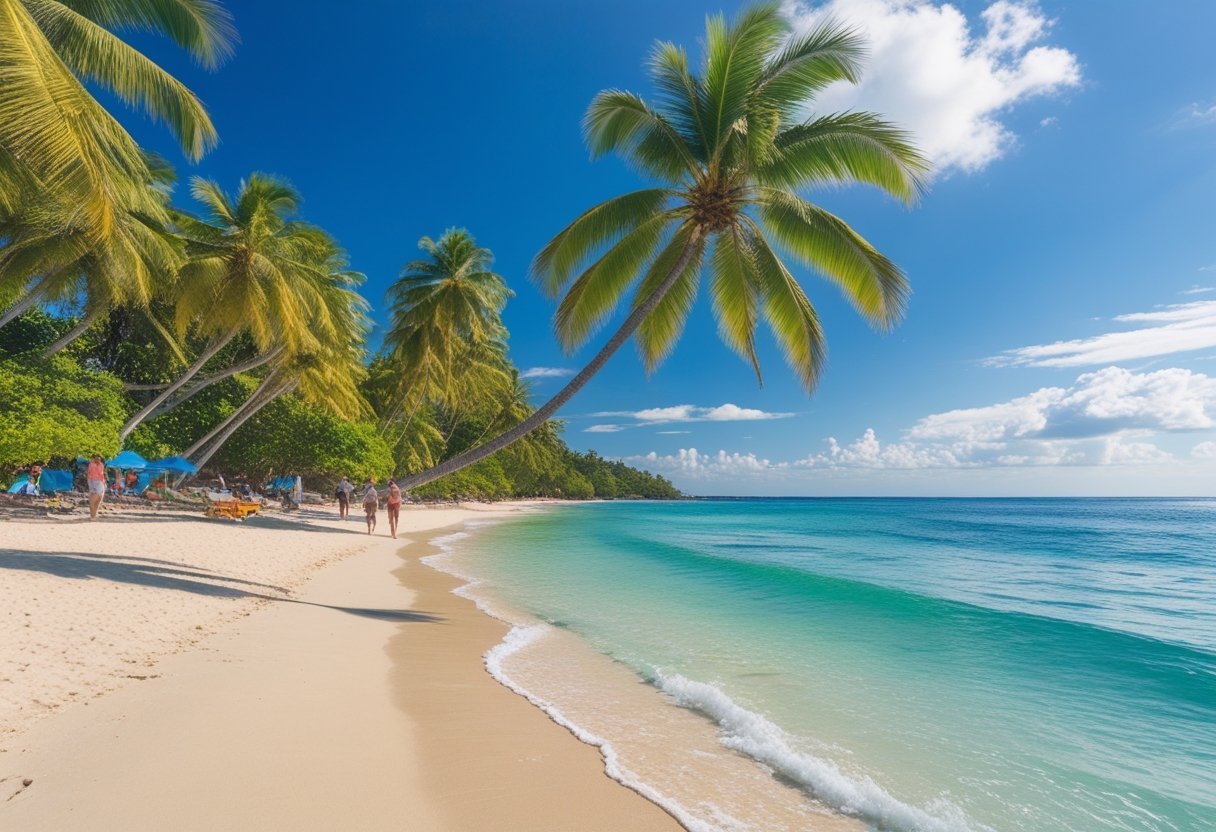
I focus on places with dry weather, warm seas, and lively local culture in January. Expect sunny days, low rainfall, and busy tourist spots at beaches, national parks, and city events.
Best Places to Visit in January
I recommend Panama City for its dry, warm days and easy access to museums and the Canal. Temperatures stay around 24–29°C (75–84°F), so I plan city walks, the Miraflores Locks, and Casco Viejo tours in short sleeves.
For beaches, Bocas del Toro and the San Blas Islands offer calm seas and good swimming. Sea temps sit near 27–28°C (81–82°F), so snorkeling and boat trips work well. Bocas can have unpredictable showers, so I keep a light rain jacket handy.
If I want rainforest hiking, Soberanía National Park and El Valle de Antón have drier trails in January. I avoid muddy paths and aim for early morning birdwatching when the humidity feels lower, and wildlife is active.
Events and Festivals
I look for nightlife in Panama City during January when bars and restaurants stay busy. Tourism peaks, so ticketed events and guided tours often sell out; I book major attractions in advance.
Local celebrations like smaller town fiestas occur across provinces with live music, local food, and artisan markets. These can be vibrant in the dry season, and I carry cash for food stalls and crafts.
If I travel during Carnival lead-ups (timing varies), I check local calendars since dates shift yearly. Planning ahead helps me join parades or avoid crowded streets if I prefer quieter sightseeing.
Wildlife and Nature Highlights
January gives me good chances to spot tropical birds in Soberanía and Pipeline Road. I bring binoculars and an early start to see toucans, motmots, and tanagers before the heat builds.
Coastal waters near Bocas and the Pacific islands host snorkeling and dolphin sightings. I choose calm-weather days and book small-boat trips with guides who know where reefs and marine life concentrate.
For larger mammals and amphibians, I visit cloudier microclimates like El Valle to see tree frogs and howler monkeys. Dry-season trails mean fewer leeches, but I still wear sturdy shoes and insect repellent.
Frequently Asked Questions
I provide clear numbers and practical tips about temperatures, rainfall, and what to pack. Read each answer for specific details on weather and travel choices for Panama Weather in January.
What are the typical temperature ranges in Panama during January?
I expect daytime highs around 24–30°C (75–86°F) in most lowland areas like Panama City and Bocas del Toro. Nighttime lows usually fall to about 20–23°C (68–73°F), and coastal sea temperatures stay near 26–28°C (79–82°F).
How does rainfall in Panama in January compare with other months?
January sits in the dry season for much of Panama, so rainfall drops sharply from the wet months. In places such as Panama City and the Pacific coasts, rain often falls only a few days in the month, while some Caribbean areas see more variable showers. For regional rainfall averages, see Panama Weather in January.
What are the best travel tips for visiting Panama in January?
Book flights and hotels early because January is high season and prices rise. Schedule outdoor activities—beaches, hiking, and city tours—on mornings or afternoons when temperatures are warmest. Pack light layers, sun protection, and a small rain jacket for occasional showers.
Can one expect clear skies in Panama throughout January?
I would not count on completely clear skies every day, but January typically has many sunny days, especially on the Pacific side. Cloud cover and short showers remain possible, particularly in Caribbean zones like Bocas del Toro, where rainfall can be less predictable.
Are there any regional weather variations within Panama in January?
Yes. The Pacific lowlands and Panama Canal area are usually drier and sunnier in January. The Caribbean coast and some interior rainforest regions can have more unpredictable rain and higher humidity. Elevation matters too—highland areas like Boquete stay cooler than the coasts.
What clothing is recommended for travelers to Panama in January?
I suggest light, breathable clothing for daytime—cotton or moisture-wicking fabrics work well. Bring a light long-sleeve shirt or sweater for cooler nights and higher elevations. Include a sun hat, sunglasses, reef-safe sunscreen, and a compact rain jacket for occasional showers.