



Best Things to Do in Bocas del Toro (Top Attractions & Activities)
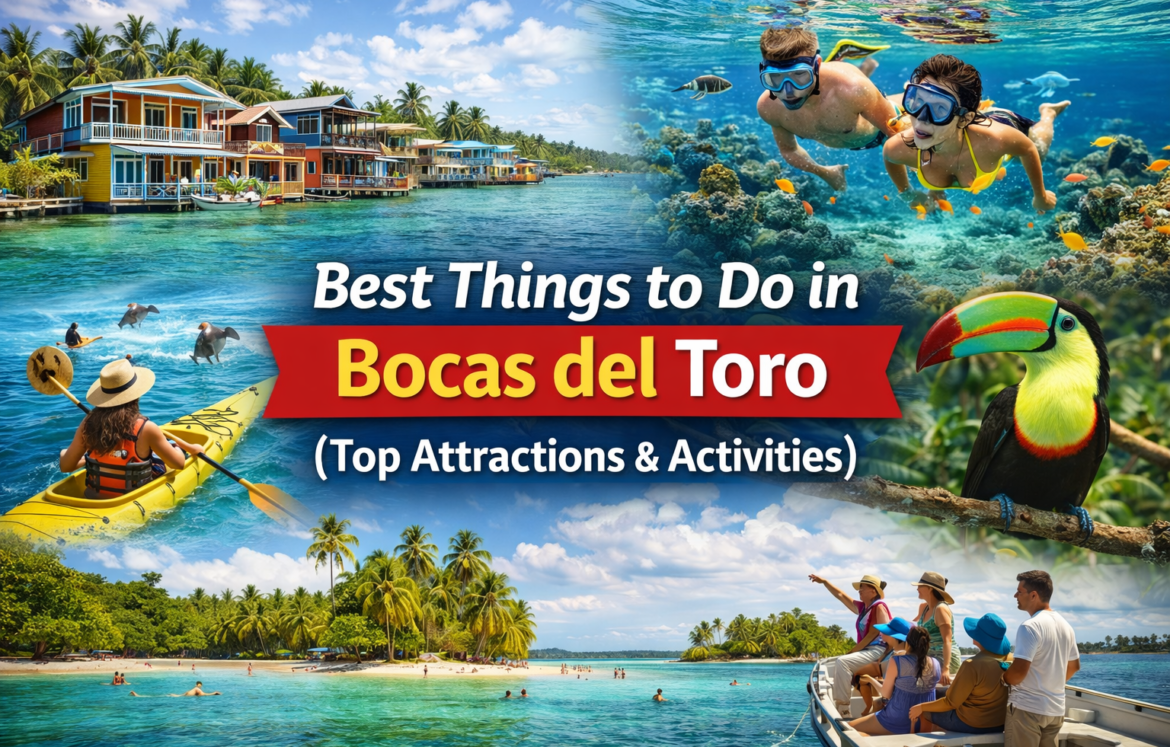
You’ll find beaches, wildlife, and water trips that fit whatever kind of island trip you want. Explore coral reefs by snorkeling, hop between islands by boat, surf famous breaks, and stroll colorful Bocas Town streets for food and music. I’ll show the best things to do so you can plan the right mix of adventure, nature, and relaxation.
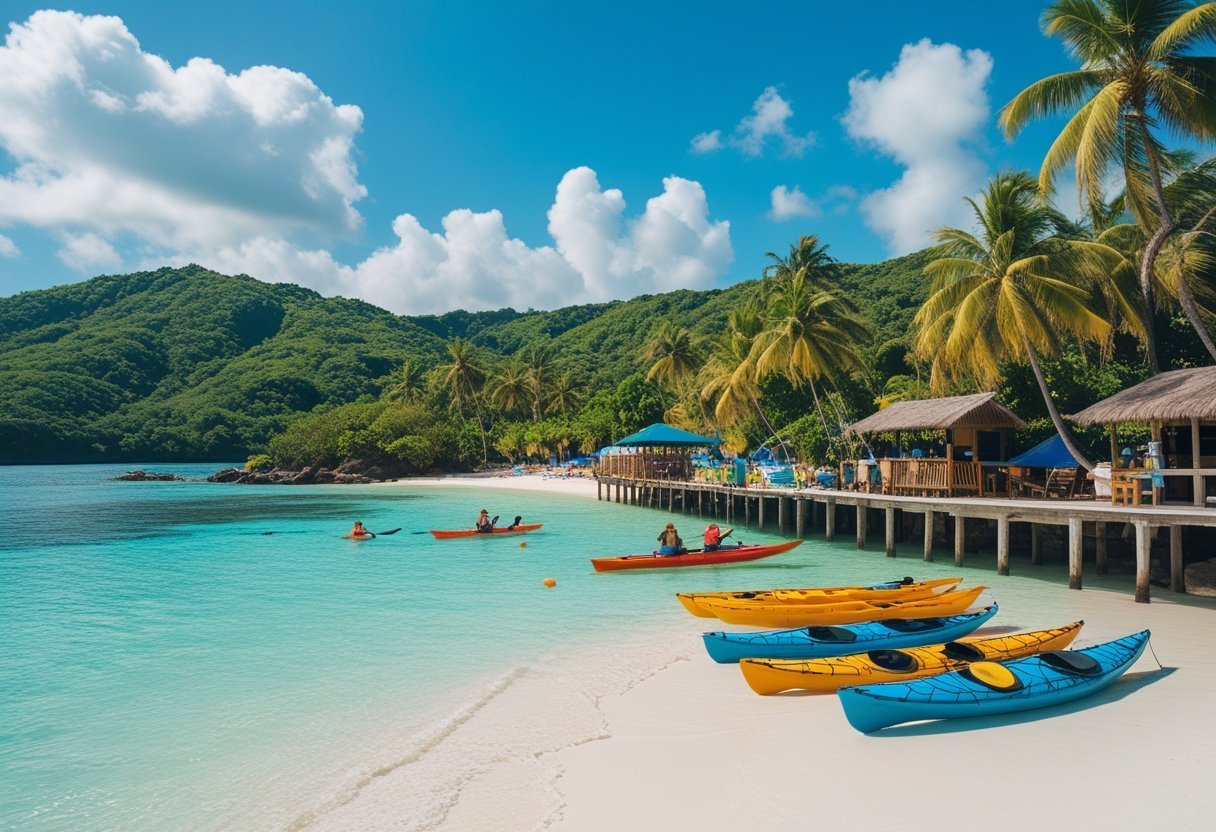
Start with choices that match your energy: active days with surfing and boat tours, or slow days on quiet beaches and wildlife walks. I’ll point out practical spots and must-do experiences so you spend more time enjoying the islands and less time guessing where to go.
Key Takeaways
- Pick activities that match your energy level for a balanced trip.
- Prioritize a mix of water, wildlife, and local culture.
- Plan logistics ahead to maximize time on the islands.
Top Tourist Attractions in Bocas del Toro
I highlight beaches, wildlife spots, and marine areas that show why visitors return. Expect clear water, easy boat access, and chances to see sea life up close.
Starfish Beach
I visit Starfish Beach for its shallow, calm water and the chance to see large, colorful sea stars close to shore. The sand here is soft and pale, and the water stays waist-deep for a long stretch, which makes it easy to walk and look for marine life without a boat.
I recommend going at low tide when the stars are easier to spot and when tide pools form near the shoreline. Bring reef-safe sunscreen and avoid touching the starfish; local guides will show you how to view them safely.
Practical tips:
- Best accessed by boat from Bocas Town or nearby islands.
- No facilities on the beach, so bring water, snacks, and sun protection.
- Combine with snorkeling around nearby coral patches for more marine sightings.
Isla Zapatilla
I go to Isla Zapatilla for its unspoiled beaches and excellent snorkeling around healthy coral gardens. These twin islands sit inside a protected area, so the sand is often quiet and the water very clear.
I suggest a full-day trip that includes time on the beach and exploring the reef with a mask. Boat tours from Bocas Town usually include a stop here; they often add a picnic and short guided walks on the island.
Key facts:
- Part of the Bastimentos National Marine Park.
- Limited visitor facilities — pack food, water, and shade.
- Strong conservation rules: take nothing and leave no trace.
Red Frog Beach
I choose Red Frog Beach for its combination of beach time and rainforest hiking. The trail from the dock leads through thick forest where I often see frogs, birds, and other wildlife before I reach the crescent of sand.
The name comes from the small red frogs that live in the nearby forest. Swimming and sunbathing are common, and local vendors sell food and drinks near the beach entrance. I advise wearing sturdy shoes for the hike and bringing cash for small purchases.
Visitor notes:
- Accessible by water taxi to Isla Bastimentos, then a short walk.
- Rangers and guides patrol the area; respect trail signs.
- Good spot for families and mixed-activity days.
Isla Bastimentos National Marine Park
I explore Isla Bastimentos National Marine Park for its mix of mangroves, coral reefs, and terrestrial wildlife. The park covers islands and waters, offering diverse habitats where I can see sloths, coatis, sea turtles, and colorful reef fish.
I recommend guided tours that include snorkeling at coral sites, kayaking through mangroves, and short rainforest hikes. The park enforces conservation measures; sticking to marked trails and using reef-safe sunscreen helps protect the reefs.
Highlights and tips:
- Multiple ecosystems: reefs, mangroves, beaches, and rainforest.
- Best access via boat from Bocas Town; many operators offer half- or full-day trips.
- Bring a dry bag, reef-approved sunscreen, and binoculars for wildlife viewing.
Essential Water Activities
I focus on clear, practical options you can book or do on your own. Expect coral reefs, surf breaks, dive sites, and chances to see dolphins on guided trips.
Snorkeling Adventures
I recommend starting at Coral Cay and Hospital Point for easy, shallow snorkeling with good coral cover and lots of fish. Water taxis from Bocas Town run early; aim to leave by 8:00 AM when visibility is best and boats are less crowded. Bring a reef-safe sunscreen, a lightweight mask with a snorkel, and fins.
If you prefer guided trips, look for operators that include a short orientation, flotation gear, and guidance to specific reef zones. Ask about tide times—low tide can expose corals and reduce safety. For beginners, I suggest a calm bay near Red Frog Beach where currents are light, and reef life is abundant.
Scuba Diving Experiences
I dive mostly with certified local shops that know the archipelago’s top sites like Panthera and Hospital Point. Expect dives on coral walls, sandy slopes, and seagrass beds that host rays, moray eels, and juvenile reef sharks. Most operators offer beginner discovery dives and full certification courses (PADI/SSI).
Check operator safety checks, tank and weight procedures, and maximum group size before you go. Bring your dive computer or rent one if you use air tables. Plan at least two dives in a day to see different habitats; morning dives often show clearer water and more active fish. Night dives are available but require experienced guides.
Surfing Hotspots
I surf mainly at Bluff Beach on Isla Colón and at Playa Larga on Isla Bastimentos for reef- and beach-break waves. Bluff Beach gives consistent right-handers suitable for intermediate surfers, while Playa Larga offers more powerful breaks and occasional long rides on bigger swells. Low season (May–November) tends to bring larger swells; check local reports or chat with surf shops in Bocas Town.
Rent a board or hire a local guide to find the best peaks and avoid hazards like shallow reef sections. Wear a thin rash guard — water temps are warm, but the sun is strong. If you’re new to surfing, book a lesson with a guide who handles boat transfers and safety briefings.
Dolphin Watching Tours
I join early-morning dolphin tours that leave before sunrise to find the pods feeding near Isla Colon and the eastern channels. Tours usually last 2–3 hours and run on small boats with naturalist guides who know the pod locations and behavior. Common sightings include spotted and bottlenose dolphins, often moving in groups that ride the bow wave.
Choose operators that follow local wildlife guidelines: no chasing, keep a safe distance, and limit time near dolphins. Bring binoculars, a rain jacket for spray, and a camera with a zoom lens. Tours sometimes combine snorkeling or a beach stop, so confirm the full itinerary when you book.
Nature and Wildlife Experiences
I focus on close wildlife encounters, short rainforest hikes, and the best birding spots. I give clear tips on where to go, what to expect, and how to prepare.
Sloth Watching
I look for sloths in Isla Bastimentos National Marine Park and on forested beachfronts near Bocas Town. Slow-moving three-toed sloths often rest high in mangroves and lowland forest edges, so bring binoculars and scan canopy levels from trails or boat tours.
I advise booking an experienced guide who knows regular sloth trees. Guided walks increase your chance of seeing them without disturbing the animals. Move quietly, keep distance, and avoid flash photography.
What to pack: lightweight binoculars, a small telephoto lens if you have one, insect repellent, and water. Morning and late afternoon usually offer the best light and active sloths.
Rainforest Hikes
I favor trails on Isla Bastimentos for short, well-marked hikes to waterfalls and caves. Expect muddy paths, tree roots, and wet sections; wear sturdy shoes and quick-dry clothing. Routes range from 20–90 minutes, depending on your pace.
I recommend hiring a local guide to point out medicinal plants, poison dart frogs, and howler monkeys. Guides often know the safest river crossings and show the most reliable wildlife spots. Carry a rain jacket and a small first-aid kit.
Trail tips: start early to avoid heat, bring mosquito protection, and keep electronics in dry bags. Respect marked paths to protect habitat and avoid invasive plants.
Bird Watching Trails
I base my birding trips around Isla Colon mangroves and Bastimentos lowland forest for species like toucans, tanagers, and keel-billed motmots. Bring a field guide or app and use binoculars to scan canopy gaps and shoreline edges.
I plan walks at dawn when activity peaks. Mangrove boardwalks and short forest loops offer steady sightings without long treks. A local guide will help locate rarer species and identify calls.
Quick checklist: binoculars, notebook, water, and light snacks. Wear muted colors and move slowly; sudden motion scares birds. For detailed trail recommendations, see local travel guides and park info online.
Cultural and Local Encounters
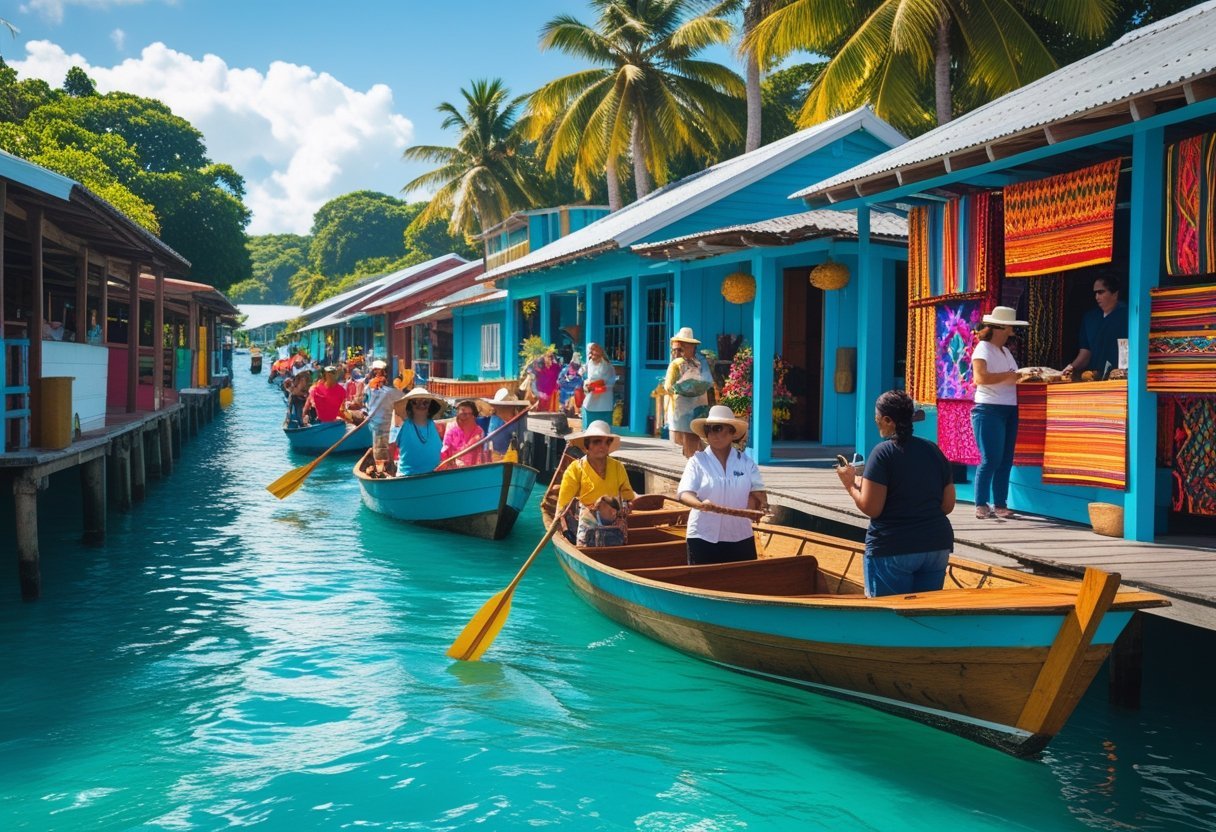
I highlight real ways to meet local people, taste traditional food, and learn about island life. Each visit I describe focuses on respectful interaction and clear logistics you can use to plan the trip.
Ngäbe-Buglé Community Visits
I visit Ngäbe-Buglé villages to learn about daily life, crafts, and local customs. Hosts often welcome guests into family homes where I see weaving, basket-making, and seed-bead work. I always ask before taking photos and buy a small woven item to support artisans directly.
Trips usually last 2–4 hours and include a short walk through the village. Guides explain household roles, traditional dress, and how communities manage fishing and small-scale farming. I arrange visits through a reputable tour operator or the community cooperative to ensure fees go back to the village.
Practical tips:
- Bring small bills for purchases and a gift, like school supplies.
- Wear modest clothing and remove shoes if asked.
- Expect basic facilities; plan transportation by boat or taxi from Bocas Town.
Chocolate Farm Tours
I take chocolate tours to trace cacao from tree to bar on small farms near Isla Colón and Isla Bastimentos. Tours cover cacao pod harvesting, fermenting, drying, and hands-on roasting and grinding. I taste fresh nibs and sample local chocolate sweetened with panela or spices.
Most tours run 1–3 hours and include a walk through shaded cacao groves under tall canopy trees. Guides explain sustainable practices and show how cacao fits into local livelihoods. I look for tours that include a small tasting or a workshop where I can make a bar to take home.
What to expect:
- Light walking on uneven ground; wear closed shoes.
- Small-group settings with direct farmer involvement.
- Opportunity to buy single-origin chocolate that supports farm families.
Bocas Town Walking Tour
I walk Bocas Town to see wooden Caribbean houses, colorful murals, and the waterfront life around the main ferry dock. I stop at the central market to try fried fish empanadas, coconut rice, and street fruit like mango and pineapple. I note open-air shops selling handcrafted jewelry and straw hats.
The tour covers 60–90 minutes on flat streets and includes stops at the old cemetery, the banana dock ruins, and a view of the mangroves. I often time the walk for late afternoon light and to catch live music at a small bar. I recommend a guide who points out historical details and local gossip you won’t find in guidebooks.
Checklist for the walk:
- Carry cash and a reusable water bottle.
- Wear sun protection; shade is limited on some blocks.
- Bring comfortable shoes and a camera for colorful street scenes.
Island Hopping and Boat Tours
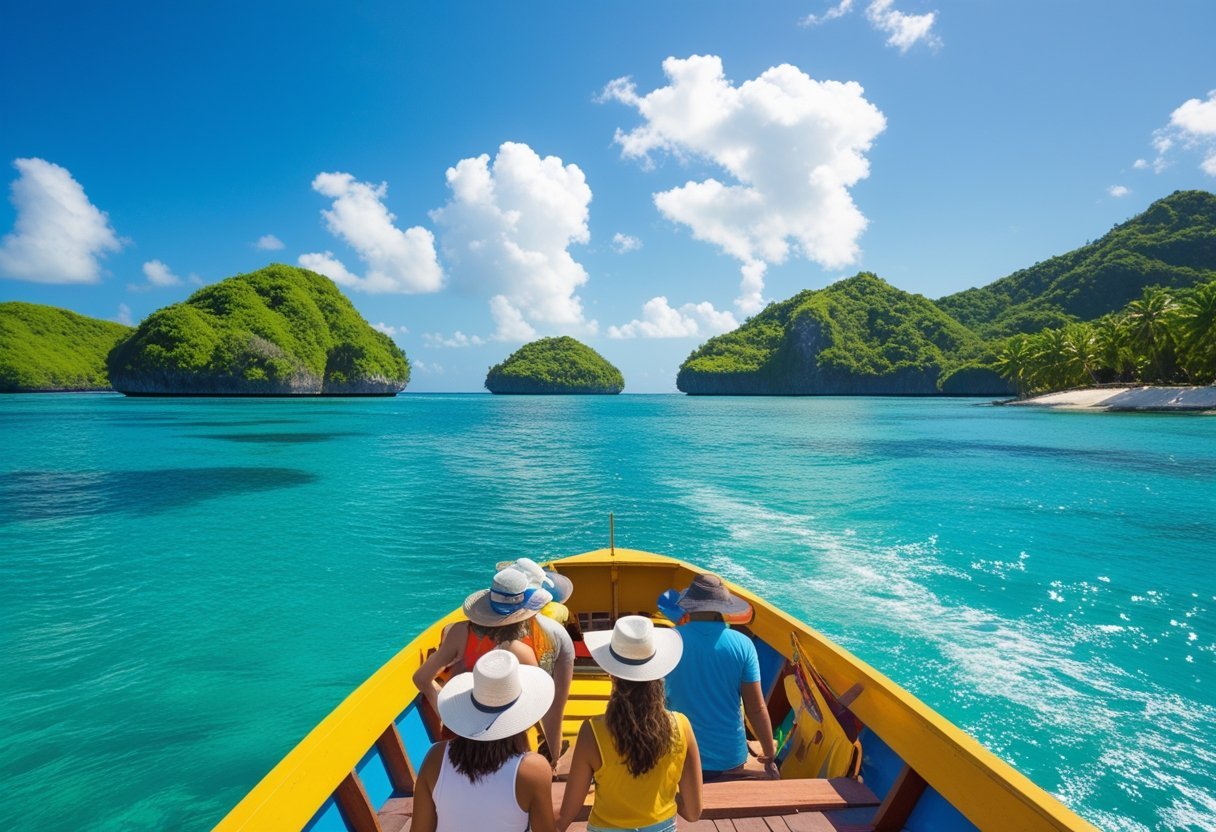
I pick the best boat options to match time, budget, and what I want to see. Expect a mix of snorkeling, wildlife viewing, and beach stops with clear timing and pickup details.
Catamaran Day Trips
I prefer catamarans when I want a smooth ride and room to move. These trips often leave from Bocas Town in the morning and return by late afternoon. Operators usually include snorkel gear, a guide, bottled water, and lunch so I can focus on the sea and islands. Typical stops are Starfish Beach for easy snorkeling and Coral Cay for reef views. The boats move fast between points, so there’s time to swim, sunbathe, and walk short beaches.
I watch for group size and itinerary before booking. Larger catamarans feel stable but can be crowded. Smaller ones offer a quieter trip and better chances to spot dolphins or flying fish near the wake.
Cayo Coral Exploration
When I want to snorkel vibrant reefs, I head to Cayo Coral (Coral Cay) early to avoid crowds and calm waters. The reef sits in shallow water, which makes it good for beginners and families. I see parrotfish, angelfish, and soft corals within minutes of entering the water. Guides point out safe swim zones and brief on reef-friendly practices so I don’t touch coral or disturb wildlife.
Bring reef-safe sunscreen and a lightweight rash guard to protect skin and the reef. I rent fins if I want steadier swimming and clearer views. Tours often allow 30–45 minutes at the reef, followed by time on a nearby beach to dry off and eat.
Private Island Excursions
I book private island trips when I want flexibility or a special day. These tours let me set the pace: longer snorkeling, a private beach picnic, or a sunset return. Skippers tailor stops — Bahia Honda for sloths, Zapatilla Cays for picture-perfect sand, or Hollywood Cove where starfish gather. Private options usually include cooler storage, shade, and the chance to stash gear on a quiet sandbar.
Costs vary by boat size and duration, so I confirm the total price, fuel policy, and pickup point before departing. A private trip gives privacy and control, but I still follow local rules on wildlife interaction and waste.
Food and Nightlife
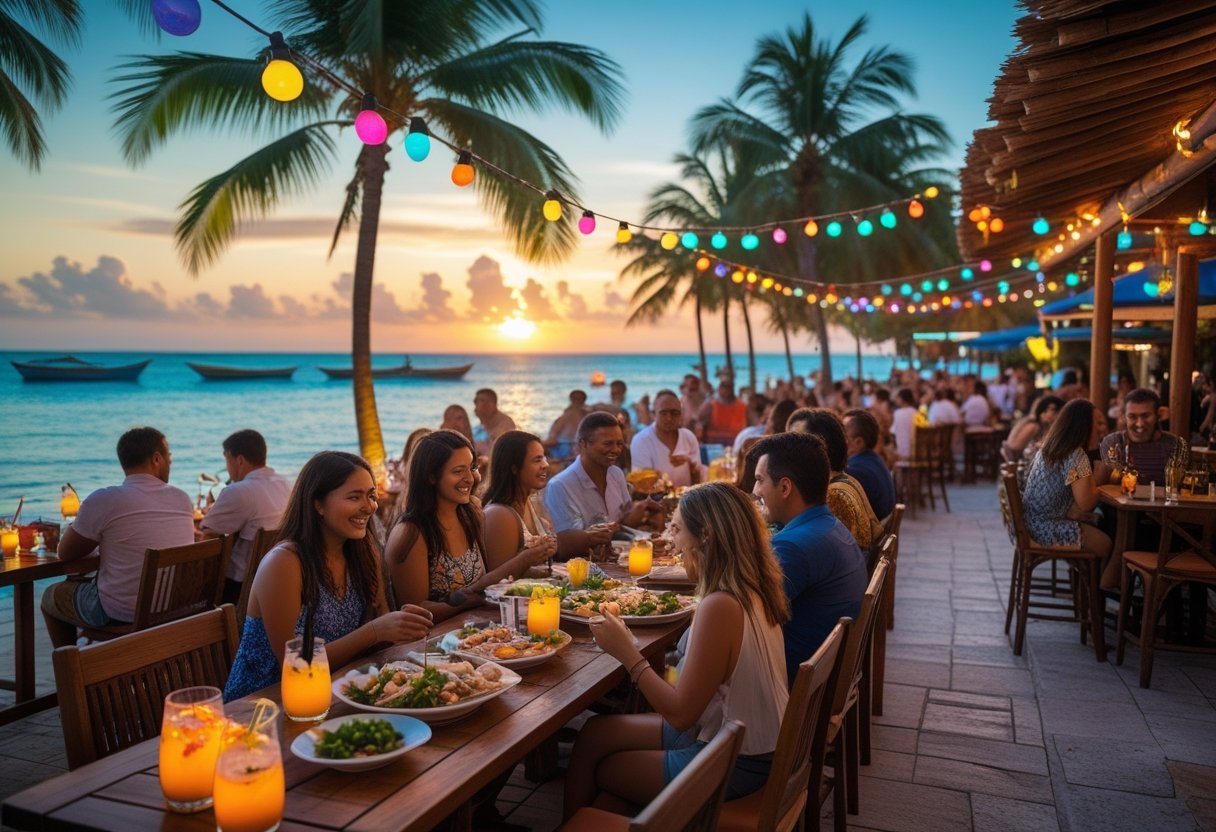
I focus on fresh seafood, relaxed beachfront bars, and small local markets where you can grab snacks or ingredients. Expect casual dining, friendly service, and places that suit both budgets and special occasions.
Best Seafood Restaurants
I look for restaurants that serve day-caught fish, lobster, and ceviche made the same morning. On Isla Colón, you’ll find places that plate fish fillets with coconut rice and fried plantains, plus smaller kitchens that grill snapper over charcoal. Ask for the catch of the day; it’s often cheaper and fresher than menu-listed items.
Prices range from modest street-food portions to higher-end dinners with wine lists. I check reviews for hygiene and consistency, and I prefer spots with covered outdoor seating to enjoy sea breezes while avoiding mosquitoes. If I want a special meal, I book ahead for weekend evenings.
Beachfront Bars
I choose beachfront bars for sunsets, live music, and casual cocktails or cold beer. Many bars on Main Isla Colón set up tables on sand or wooden decks where DJs or local bands play after dusk. You can sip a rum punch, try a local cerveza, or order simple plates like fish tacos while watching boats pass.
Happy hours and themed nights are common; I keep an eye on social posts for live-band schedules. Security is relaxed, but I avoid carrying valuables when the bar gets crowded. For a lively night, head to Bocas Town; for quieter drinks, walk a short distance to smaller bayside bars.
Local Markets
I visit local markets to taste tropical fruit, buy spices, or pick up a quick empanada or fried fish snack. The market near Bocas Town docks sells plantains, mangoes, coconut bread, and fresh seafood brought in by small fishing boats. Vendors often sell coffee, juices, and homemade sauces, so I sample before I buy.
Markets run early in the morning and wind down by mid-afternoon. I bring cash in small bills and carry a reusable bag for produce. Talking to vendors helps me learn which fruits are ripe and where fishermen dock their best catches.
Eco-Friendly and Sustainable Tourism
I focus on practical ways to travel in Bocas del Toro that protect reefs, mangroves, and local culture. Choose lodging and activities that reduce waste, support conservation, and pay local guides fairly.
Sustainable Accommodation Options
I look for places that use solar power, compost food waste, and source food locally. Small lodges on Bastimentos or Isla Colón often run on solar panels and offer rainwater collection systems. These spots usually limit single-use plastics and provide refill stations for water bottles.
I prefer locally owned guesthouses and eco-lodges that hire island staff and buy produce from community farms. That keeps money in the local economy and reduces food transport emissions. For more structured options and examples of sustainable stays, see this guide to Tranquilo Bay and eco-tourism in Bocas del Toro.
Practical checklist:
- Ask about solar power, water treatment, and waste systems.
- Confirm staff are local hires.
- Choose places that offer reef- and mangrove-friendly activities.
Eco-Tours and Conservation Projects
I pick tours that follow park rules, use licensed guides, and limit group sizes. In Bastimentos Island National Marine Park, responsible operators run snorkeling and hiking trips that avoid trampling coral and disturbing nesting sites. Good tours explain local ecosystems and leave no trace.
I support projects that fund habitat restoration and community education. Several organizations coordinate mangrove restoration and sea turtle monitoring. When booking, ask if part of your fee supports conservation or local schools. For listings of vetted eco-tours and community projects, check this roundup of things to do in Bocas del Toro eco-tours and sustainable travel options.
Tour checklist:
- Choose small groups and licensed guides.
- Verify fees support conservation or local communities.
- Follow the guide rules: no touching wildlife, no feeding animals, and stay on marked trails.
Adventure Sports and Outdoor Activities
I focus on hands-on, active ways to explore reefs, mangroves, and remote beaches. Expect calm paddles through clear waters and bumpy rides on dirt tracks that reach viewpoints and hidden bays.
Kayaking and Paddleboarding
I launch early to catch glassy water and cooler winds. I recommend guided tours for routes through mangrove tunnels and to Punta Vieja, where snorkeling stops reveal coral gardens and reef fish. If I go alone, I rent a stable sit-on-top kayak or an inflatable SUP from Bocas Town; rentals often include a life jacket and dry bag.
Tides and wind matter. I check tide charts and ask locals about afternoon breezes that can push you off course. For safety, I carry a whistle, a leash (for SUP), and a waterproof phone case.
Highlights: paddling past red mangroves, landing on secluded beaches, and short snorkel breaks at coral patches. I find sunrise paddles especially peaceful and late-afternoon runs great for spotting birds and glass frogs along shorelines.
ATV and Biking Trails
I use ATVs or mountain bikes to reach viewpoints, cacao farms, and surf breaks on Carenero and Bastimentos. Routes range from packed dirt tracks to muddy trails after rain, so I pick a vehicle and tires to match conditions. Rental shops in Bocas Town provide helmets and basic instructions.
I follow marked trails toward Bluff Beach and the Warè area for panoramic views and short hikes. I avoid speeding through villages and respect posted signs. Expect loose sand, sharp turns, and occasional stream crossings.
Tips: bring water, sunscreen, and a basic repair kit for flats. If I want local history, I ask a guide about Urraca and indigenous Ngäbe-Coko communities near some trails.
Relaxation and Wellness
I focus on places that help you unwind, restore energy, and tune into your body. Expect simple treatments, ocean views, and easy access from Bocas Town and nearby islands.
Spas and Wellness Centers
I look for spas that offer basic massage styles, natural products, and clean, air‑conditioned rooms or open‑air cabanas. Many local centers provide Swedish and deep tissue massages, coconut‑oil treatments, and foot reflexology. Prices vary; plan on paying more for beachfront locations and resort spas.
I check for extras like cold‑water showers, herbal teas, and short guided breathing sessions. Some places combine massages with snorkel or sunset packages. If you need a calm space, book midweek mornings to avoid crowds and ensure the therapist can tailor pressure and focus areas.
Useful tip: ask for therapists’ experience and whether oils are organic. For a list of top local options and visitor reviews, see a local guide to the best things to do in Bocas del Toro
Yoga Retreats
I choose retreats that match my skill level and schedule—drop‑in classes, multi‑day retreats, or sunrise sessions on the beach. Studios on Isla Colón and nearby islands run vinyasa, Hatha, and restorative classes. Many sessions pair yoga with surfing or snorkeling for an active‑rest balance.
Retreats often include healthy meals, accommodation options, and optional workshops on breathwork or meditation. Look for small class sizes, clear schedules, and instructors with training certificates. If you prefer group energy, join a weeklong retreat; if you want flexibility, pick studios offering single‑class passes.
Booking tip: check if mats and props are provided and whether classes are outdoors. For more options and wellness-focused stays, explore yoga and wellness retreat listings in the area.
Planning Your Visit to Bocas del Toro
I recommend visiting between mid-December and April for the driest weather and calm seas. Rain is more common from May to November, which can affect boat schedules and snorkeling visibility.
I book accommodation early if I travel in high season. Bocas Town on Isla Colón has the most options and easy boat access. For quieter stays, I choose islands like Bastimentos or Carenero.
I pack reef-safe sunscreen, a light rain jacket, and insect repellent. Cash (Panamanian balboa or US dollars) is useful for small shops and water taxis. Many places accept cards, but the signal can be spotty.
I plan island-hopping and tours in advance when possible. Popular activities like snorkeling reefs, visiting Red Frog Beach, and surf lessons can fill up fast. I use local operators listed on travel sites like this guide to the top things to do in Bocas del Toro to compare reviews.
I arrange transfers ahead of time for a smooth arrival from Almirante or Bocas del Toro Airport. Boat taxis run frequently but may change with tides and weather. I always leave buffer time between connections.
I respect local customs and the environment while I explore. I avoid touching coral, keep a safe distance from wildlife, and follow park rules. This keeps the islands healthy for future visits.
Frequently Asked Questions
I cover practical tips on adventure trips, wildlife viewing, cultural visits, snorkeling spots, local food, and ways to reach quiet beaches. Expect clear, specific choices and short how-to notes you can use when planning.
What are the top-rated activities for adventure seekers in Bocas del Toro?
I recommend surfing at Silverbacks and Bluff Beach for consistent breaks and a range of wave sizes.
Boat trips that include snorkeling stops plus paddling through mangroves give a fast variety in one day.
I also suggest guided night kayaking for bioluminescence near Isla Colon and stand-up paddleboarding in calm east-facing bays.
For land-based action, I book guided jungle hikes to spot sloths and zipline courses on the main islands.
Which unique wildlife experiences can visitors enjoy in Bocas del Toro?
I look for sloth sightings in rainforest edges and mangrove areas around Isla Bastimentos.
Red frog spotting on beaches and forest trails is common on protected islands.
I join guided birding tours to see toucans, frigatebirds, and kingfishers up close.
For marine life, I pick boat trips that include turtle and dolphin sightings around offshore reefs.
What cultural and historical sites should tourists not miss in Bocas del Toro?
I visit Bocas Town for its colorful Caribbean architecture and lively waterfront market.
I stop by local craft shops to see Kuna beadwork and Afro-Caribbean woodcarving.
I attend community-run cultural tours on nearby islands to learn about traditional fishing and foodways.
I also check for small museums or cultural centers in town that explain the province’s Indigenous and Afro-Caribbean history.
Where are the best spots for snorkeling and diving in Bocas del Toro?
I snorkel at Coral Cay and Hospital Point for healthy shallow reefs and easy access from Bocas Town.
I schedule dives around Cayos Zapatilla for clearer water and larger reef formations.
I book trips that include Wizard Beach and the east side of Isla Bastimentos for underwater visibility and marine biodiversity.
I always choose operators who follow reef-safe practices and limit group sizes.
Can you recommend some must-try local dishes or restaurants in Bocas del Toro?
I try coconut rice with fried fish at local beachfront sodas for authentic flavor and simple cooking.
I ordered fish ceviche and patacones (fried plantain) as common, tasty options.
I eat at small family-run kitchens in Bocas Town for fresh seafood and Caribbean-style stews.
For a guide to top spots and town favorites, see a local list of recommended experiences and eateries.
What are the best ways to explore the archipelago’s hidden beaches and islands?
I use water taxis from Bocas Town to reach nearby islands like Isla Solarte and Isla Bastimentos.
I rent a private boat for a full day to reach less-visited spots such as Cayos Zapatilla and offshore sandbars.
I book guided island-hopping tours that combine snorkeling, beach time, and brief hikes.
I avoid tight schedules and pick morning departures to beat crowds and get calmer seas.