


Best Beaches in Panama: Caribbean vs Pacific Coast (Top Beaches & Beach Towns Guide 2026)
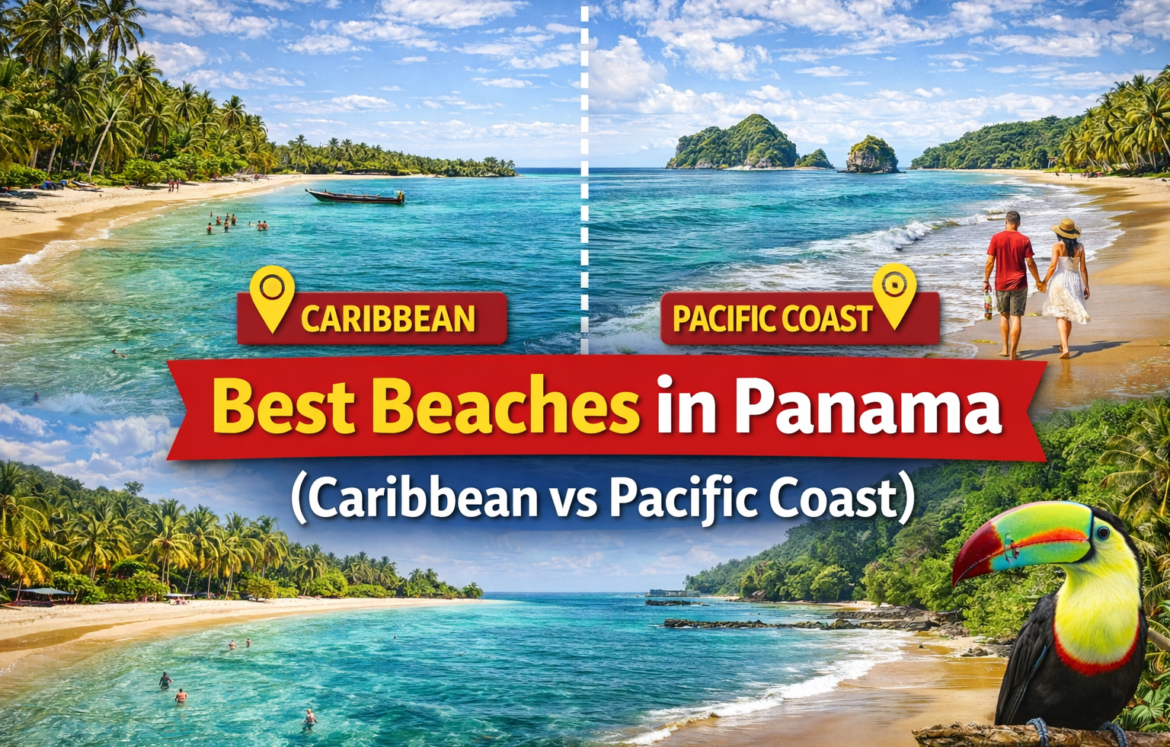
You want a beach that fits how you like to relax, swim, or surf—and Panama gives both kinds. I’ll show you which coast offers calm, turquoise coves and which delivers big surf, local vibes, and easier resort access.
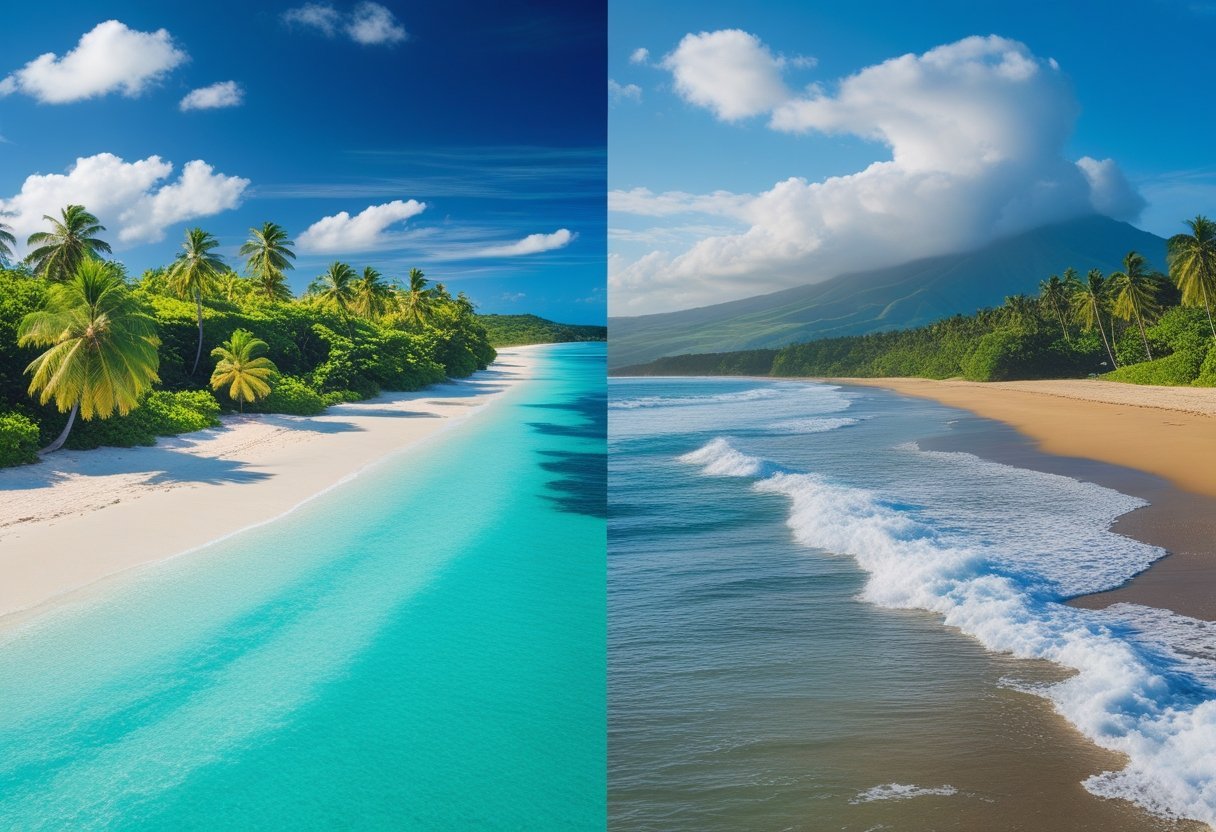
If you want glassy water and soft white sand, head to the Caribbean; if you want big waves, more beach towns, and easier travel from Panama City, choose the Pacific.
Panama is home to two very different coastlines, giving travelers a wide variety of beach experiences. The Caribbean side of Panama is known for its turquoise water, coral reefs, and tropical islands, while the Pacific side of Panama offers surfing beaches, scenic beach towns, and easy access from Panama City. Whether you’re looking for relaxation, snorkeling, family-friendly beaches, or outdoor adventures, both the Panama Caribbean coast and Panama Pacific coast have something unique to offer.
I’ll walk you through both coastlines, highlight the top best beaches in Panama on each side, compare them directly, and share travel tips so you can pick the right spot for your trip.
Overview of Panama’s Coastlines
I compare the Caribbean and Pacific coasts by geography, weather, and how easy they are to reach, so you can pick the beach that fits your plans and interests.
Geographic Differences Between Caribbean and Pacific Coasts
The Caribbean coast sits north of the isthmus and has many islands and reefs. I find places like Bocas del Toro with small cays and coral gardens that suit snorkeling and calm swimming. The best beaches in Panama often have fine white sand and shallow water close to shore.
The Pacific coast faces a wider ocean and shows larger tidal ranges and stronger surf. I visit regions like the Pearl Islands and Playa Venao for long sandy stretches, dramatic cliffs, and surfing breaks. The Pacific shoreline changes quickly with tides, so beach access and appearance can vary throughout the day.
Landscape also differs inland. Caribbean beaches back onto lowland rainforest and mangroves. Pacific beaches often meet open plains, rocky headlands, or estuaries. That change alters wildlife, vegetation, and the types of activities available.
Climate and Weather Patterns
The Caribbean side stays humid and warm year-round with more consistent rainfall patterns. I expect frequent, short afternoon showers and higher humidity, especially from May to December. This creates a lush forest near the coast and good conditions for coral reefs.
The Pacific coast has a marked dry season from December to April and a wet season from May to November. I plan surf trips and sunbathing during the dry months when skies clear and seas are calm. During the wet season, heavy rains and rough seas are common, which can affect boat travel and some beach access.
Hurricane risk is very low in Panama, but seasonal storms can still bring heavy rain and strong winds, mainly affecting scheduling and visibility for snorkeling or diving. I always check local forecasts before heading out.
Accessibility and Transportation
Major towns and airports serve both coasts, but travel patterns differ. I reach Caribbean spots like Bocas del Toro by a short domestic flight from Panama City or by boat from Almirante. Smaller cays often require water taxis or charter boats.
Pacific destinations like the Pearl Islands and Playa Venao are linked to Panama City by faster domestic flights or a few hours’ drive. Some islands in the Pacific need private boats or scheduled ferries from coastal towns such as Panama City or Santiago.
Road quality varies. I can drive on paved highways to many Pacific beaches, while Caribbean access sometimes uses dirt roads or short boat hops. I suggest planning extra time for transfers, and I often book boats or flights in advance during peak season.
Top Beaches on Panama’s Caribbean Coast
I focus on the best beaches in Panama with clear water, white sand, and easy ways to get into the sea. I point out where to find calm swimming, good snorkeling, and places with basic visitor services.
Bocas del Toro Highlights
I start with Bocas del Toro because it mixes islands, wildlife, and simple beach life. The archipelago has resorts and small guesthouses on keys like Isla Colón and Cayos Zapatilla. I note that the best beaches in Panama often show bright turquoise water and soft sand, with tides that can change how much sand shows during the day.
I recommend visiting at low tide to find tide pools with starfish and small reef fish. Boat tours run from Bocas Town and stop at several beaches in one trip. For a quieter visit, I suggest weeknights or early mornings when day-trippers haven’t arrived.
Isla Colón Beach Experiences
Isla Colón gives the most options for food, lodging, and transport while still being beach-focused. Playa Estrella and Playa Bluff are two main spots: Playa Estrella is shallow and calm for kids, while Playa Bluff has stronger surf for experienced swimmers and surfers.
I advise renting a bicycle or golf cart to reach different beach access points. You’ll find beachfront restaurants near Bocas Town and basic shops for sunscreen and snacks. Nightlife centers in the town, so if you want quiet mornings on the sand, book lodging a short walk from the main pier.
San Blas Islands Appeal
The San Blas (Guna Yala) islands offer small, low-key cays with some of the clearest water on the Caribbean side. Local Guna communities run simple lodging and day trips. I emphasize that islands are remote—expect rustic facilities and carry cash for local fees and crafts.
I point out strong reasons to go: near-perfect swimming, kayaks from many lodges, and beaches that host sea turtle nesting in season. Boat rides from the mainland can take a few hours, so plan for multi-day stays to make the trip worth it. Respect local rules, especially about photography and visiting Guna villages.
Snorkeling and Diving Opportunities
I list close-in snorkeling spots and nearby dive sites that suit different experience levels. Areas around Cayos Zapatilla and parts of Bocas del Toro host coral gardens, small reef channels, and fish such as parrotfish and surgeonfish. Water clarity varies with weather; calm days give the best visibility.
For diving, look for operators offering guided dives to wall drops and deeper reefs. I recommend checking gear condition and small-boat safety before booking. Many tour operators include beginner-friendly snorkel lessons and short guided dives for new divers.
Top Beaches on Panama’s Pacific Coast
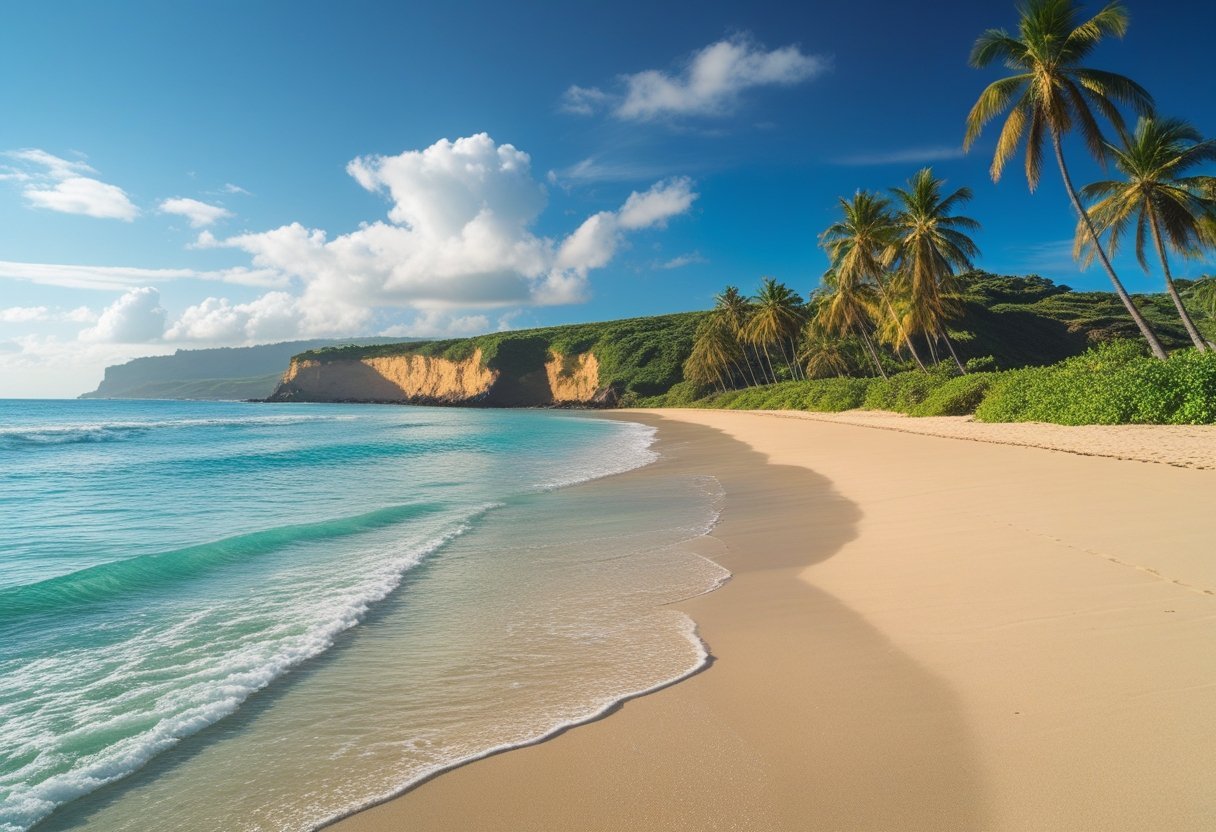
I highlight the best beaches in Panama known for surf, marine life, and easy access from Panama City and nearby towns. Each spot below shows what I think matters most: waves, wildlife, and local facilities.
Playa Venao Attractions
I visit Playa Venao for consistent surf and a relaxed beach town vibe. The bay forms a long crescent of dark sand with beach breaks that work for beginners and experienced surfers. Local schools offer lessons and board rentals, and I can find surfboard repair and small shops within walking distance.
Beyond surfing, I use Playa Venao as a base for sport fishing and horseback rides along the shore. The town has guesthouses, a few mid-range hotels, and restaurants serving fresh seafood and local dishes. Nights are low-key, with beach bars and occasional live music.
Travel time from Panama City is about 4–5 hours by car or a short flight to nearby Herrera province airstrips. I plan stays of a few days to catch the best waves and enjoy the calm village pace.
Santa Catalina Surf Scene
I go to Santa Catalina mainly for world-class reef and point breaks that draw surfers from around the globe. The main break breaks over rock and offers long, powerful rides ideal for experienced surfers. During the season, surf charters and guided sessions operate daily.
Santa Catalina supports a compact tourist center with surf shops, small hotels, and café-style eateries. I often combine surfing with boat trips to nearby Coiba for diving, using Santa Catalina as the jump-off point. Road access from Panama City is roughly 6–7 hours; many travelers fly into David or take a long bus ride.
I book surf lessons and guiding in advance during high season. For non-surfers, the town still offers quiet beaches and simple coastal hikes.
Coronado Beach Activities
I use Coronado when I want easy access from Panama City and more built amenities. The beach runs long with calm stretches good for swimming and family days. Hotels, golf courses, and restaurants lie within a short walk from the sand.
Coronado features recreational options like tennis, golf, and guided horseback rides. Markets and a small shopping center mean I can shop for supplies and enjoy a wider food choice than rural beaches. The area also hosts expat communities, which adds varied dining and service options.
Driving time from Panama City is about one hour, making Coronado a convenient weekend choice. I recommend early mornings to avoid crowds and to find quieter stretches of sand.
Coiba Island Marine Life
I dive and snorkel Coiba to see one of the richest marine ecosystems in Panama. Coiba National Park has coral reefs, pinnacles, and clear waters that harbor sharks, rays, sea turtles, and diverse reef fish. Liveaboard and day trips leave from Santa Catalina and offer guided dives at several recognized dive sites.
Park rules restrict access and fishing; I must book permits and use approved operators to protect the park. Accommodations on Coiba are limited, so I typically stay in Santa Catalina and take day trips. Peak visibility runs from December to April, but marine life is present year-round.
I bring reef-safe sunscreen and respect no-touch rules while diving. The best trips include both surface snorkeling and multiple dives to experience the full range of marine life.
Comparing Caribbean vs Pacific Beaches
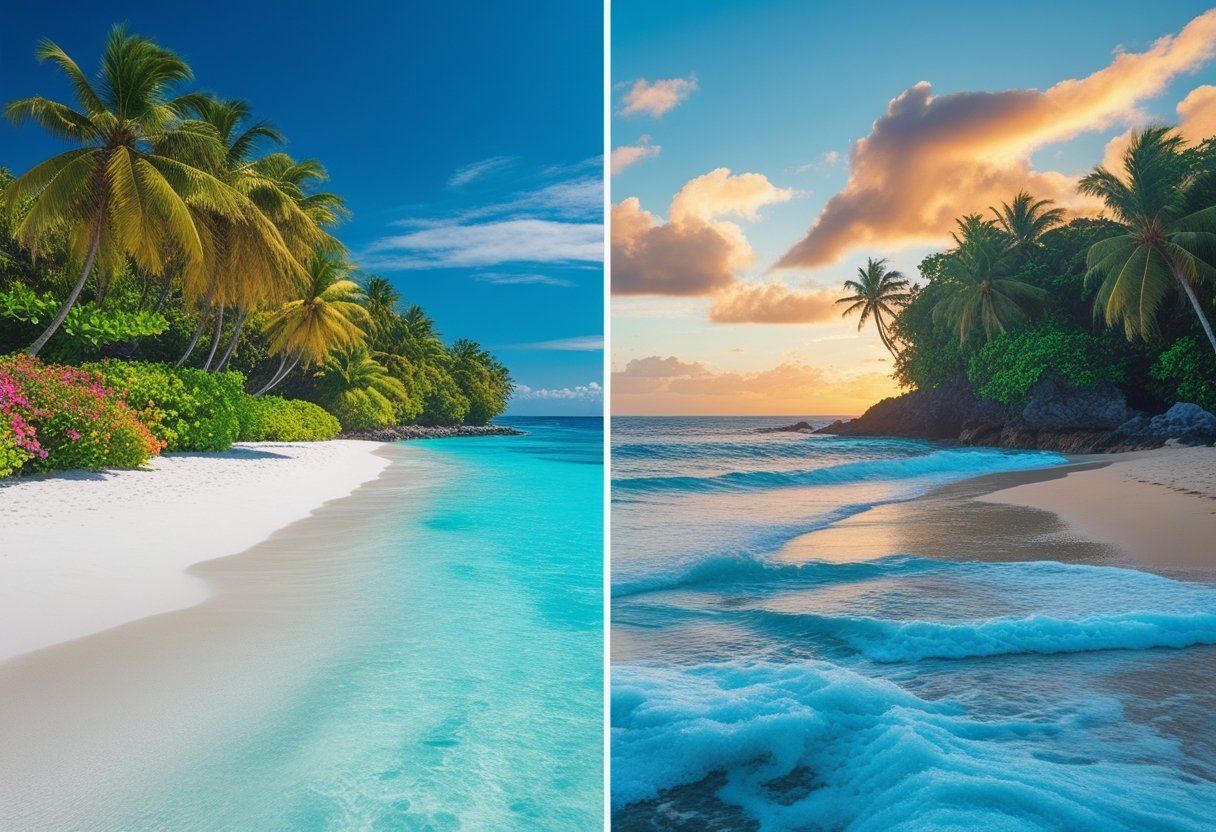
I compare calm, reef-lined bays and laid-back island villages on the Caribbean side with wide, surf-ready beaches and busy resort towns on the Pacific. I focus on atmosphere, the best months to go, and the water activities you can expect at each coast.
Beach Atmosphere and Ambience
On the Caribbean coast, I find shallow, turquoise waters and small islands like Bocas del Toro and San Blas that feel remote. Villages have Afro-Caribbean culture, reggae beats, and slow-paced island life. Beaches often sit near mangroves or coral reefs, so the scenery feels lush and tropical.
The Pacific coast feels more varied and dramatic to me. I see long sandy stretches like Playa Venao and Pedasí with bigger waves and cliffs in places. Towns near the Pacific often have more infrastructure — hotels, restaurants, and surf camps — so the vibe can be livelier and more tourist-oriented.
Best Time to Visit Each Coast
I pick different months for each side. For the Pacific coast, the dry season runs roughly from December to April. Those months bring calmer skies and the best surfing conditions at spots like Santa Catalina and Playa Venao. Prices and crowds rise during December–January holidays.
For the Caribbean coast, I aim for February to April for drier weather, though the Caribbean stays warm year-round. Rain can be more localized and brief. If I want fewer crowds on San Blas or Bocas del Toro, I travel in shoulder months like May or November, but I check boat schedules since services can change in rainy periods.
Water Activities by Region
The Caribbean side gives me excellent snorkeling and reef diving. I swim over coral gardens and spot colorful reef fish in shallow water around Cayos Zapatilla and Bocas del Toro. Kayaking, paddleboarding, and island-hopping are easy from small docks.
On the Pacific side I focus on surfing, sport fishing, and whale or dolphin watching. Stronger swells power breaks popular with surfers, while deeper Pacific waters offer big-game fishing and seasonal whale sightings. I also find tide pools and starfish on rockier stretches for short, easy exploration.
Relevant reading: learn more about Pacific vs Caribbean differences on this guide to Visiting Panama, Caribbean vs the Pacific.
Best Beach Towns in Panama
While Panama is famous for its beautiful coastlines, many travelers discover that the country’s beach towns offer just as much appeal as the beaches themselves. From laid-back Caribbean islands to surf-focused Pacific communities, these destinations combine coastal scenery, local culture, restaurants, and outdoor activities. If you’re planning a beach vacation, these are some of the best beach towns in Panama worth exploring.
Bocas del Toro
Bocas del Toro is one of the most popular beach towns in Panama and a favorite among international travelers. Located on the Caribbean side of Panama, this island destination is known for its colorful waterfront buildings, relaxed atmosphere, and easy access to stunning beaches. Visitors can enjoy snorkeling, island hopping, kayaking, and wildlife spotting throughout the archipelago. The town also offers a variety of restaurants, beach bars, and accommodations, making it a great base for exploring the Caribbean coast.
Playa Venao
Playa Venao is one of the best beach towns in Panama for surfers and adventure seekers. Situated on the Pacific coast, this crescent-shaped beach is famous for its consistent waves and vibrant surf culture. The town has grown in popularity over the years while still maintaining its laid-back charm. Visitors can take surfing lessons, enjoy fresh seafood, go horseback riding along the beach, or simply relax and watch the sunset over the Pacific Ocean.
Pedasí
Pedasí is a charming coastal town located on the Azuero Peninsula. Known for its friendly atmosphere and traditional Panamanian culture, Pedasí offers a quieter alternative to some of the country’s busier beach destinations. Nearby beaches provide opportunities for swimming, fishing, and whale watching during the migration season. The town’s historic streets, local restaurants, and welcoming community make it a popular choice for travelers looking for an authentic Panama experience.
Coronado
Coronado is one of the most convenient beach towns in Panama thanks to its location just over an hour from Panama City. It has become a popular destination for both tourists and expats seeking a beach lifestyle with modern amenities. Visitors will find shopping centers, golf courses, restaurants, and comfortable accommodations alongside a long stretch of Pacific coastline. Coronado is ideal for travelers who want easy access to the beach without venturing too far from the capital.
Santa Catalina
Santa Catalina is a small coastal town that has earned a reputation as one of Panama’s top surfing destinations. In addition to its surf breaks, the town serves as the main gateway to Coiba National Park, one of the country’s most important marine reserves. Visitors can enjoy diving, snorkeling, fishing, and boat tours while experiencing a peaceful atmosphere away from larger tourist centers. For nature lovers and adventure travelers, Santa Catalina remains one of the best beach towns in Panama.
Which Beach Town Should You Choose?
The best beach town in Panama depends on your travel style. Bocas del Toro is perfect for Caribbean island vibes and clear turquoise water. Playa Venao and Santa Catalina attract surfers and outdoor enthusiasts. Pedasí offers a quieter and more traditional coastal experience, while Coronado provides convenience and modern amenities close to Panama City. No matter which destination you choose, Panama’s beach towns offer a unique blend of natural beauty, culture, and unforgettable coastal experiences.
Caribbean vs Pacific Coast: Which Side of Panama Is Better?
One of the most common questions travelers ask is whether they should visit the Caribbean side of Panama or the Pacific coast. The truth is that both regions offer incredible beach experiences, but each appeals to different types of travelers.
If you’re looking for crystal-clear turquoise water, white-sand beaches, and excellent snorkeling opportunities, the Caribbean coast is often the better choice. Destinations such as Bocas del Toro and the San Blas Islands are famous for their tropical scenery, calm waters, and relaxed island atmosphere.
The Pacific coast, on the other hand, is known for its surfing, beach towns, dramatic coastlines, and easier access from Panama City. Places like Playa Venao, Santa Catalina, and Coronado attract visitors who enjoy outdoor adventures, sport fishing, and a wider range of accommodations.
The table below highlights some of the key differences between Panama’s two coastlines.
| Feature | Caribbean Coast of Panama | Pacific Coast of Panama |
|---|---|---|
| Water Color | Clear turquoise water | Deep blue ocean water |
| Best For | Relaxation, snorkeling, island hopping | Surfing, fishing, adventure travel |
| Famous Destinations | Bocas del Toro, San Blas Islands | Playa Venao, Santa Catalina, Coronado |
| Beach Atmosphere | Laid-back and tropical | Active and diverse |
| Surfing Conditions | Limited surf spots | Excellent surfing conditions |
| Snorkeling & Diving | Excellent coral reefs | Good diving, especially near Coiba |
| Beach Towns | Smaller island communities | More developed beach towns |
| Accessibility | Often requires flights or boats | Easier road access from Panama City |
| Family-Friendly Beaches | Many calm swimming areas | Several family-friendly resorts and beaches |
| Nightlife & Dining | Relaxed island nightlife | More restaurants, bars, and entertainment |
Which Coast Is Best for Families?
Families often prefer the Caribbean side because many beaches have calm, shallow water that is ideal for swimming and snorkeling. Areas like Bocas del Toro and parts of the San Blas Islands provide a relaxed environment where visitors can enjoy the beach without strong waves.
However, the Pacific coast also offers excellent family destinations. Coronado, for example, combines beach access with restaurants, shopping, and family-friendly accommodations close to Panama City.
Which Coast Is Best for Surfing?
For surfers, the Pacific coast is the clear winner. Beaches such as Playa Venao and Santa Catalina are internationally known for their consistent waves and surf culture. Whether you’re a beginner or an experienced surfer, the Pacific side offers more options and better conditions throughout much of the year.
Which Coast Is Best for First-Time Visitors?
If it’s your first trip to Panama and you’re looking for convenience, the Pacific coast is often easier to explore because many destinations are accessible by road from Panama City. Travelers who want a more remote tropical island experience may prefer the Caribbean side, especially destinations like Bocas del Toro or the San Blas Islands.
Ultimately, the best choice depends on your travel style. The Caribbean coast is perfect for island scenery, snorkeling, and relaxation, while the Pacific coast is ideal for surfing, adventure, and exploring some of the best beach towns in Panama.
Travel Tips for Visiting Panamanian Beaches
I highlight practical things that make beach days easier, respect local customs, and keep you safe. Pack sun protection, lightweight rain gear for sudden showers, and local cash for small vendors.
Packing Essentials
I bring a small waterproof daypack and a dry bag for electronics and documents. A reef-safe sunscreen (SPF 30+), a wide-brim hat, and polarized sunglasses protect skin and eyes in strong tropical sun.
I always carry a quick-dry towel, a light long-sleeve shirt for sun and mosquitoes, and sturdy water shoes for rocky or coral areas. For islands and remote beaches, I pack insect repellent, a basic first-aid kit, and any prescription meds in their original packaging.
I keep snacks, a refillable water bottle, and small bills (1–20 balboas/dollars) for taxis, tips, and beach vendors. If I plan to snorkel, I bring my own mask and snorkel; rentals may be limited or worn out.
Local Culture and Etiquette
I dress modestly when leaving the beach to visit towns, covering swimwear with a shirt or sarong. In many coastal communities, people are friendly but conservative; a polite greeting in Spanish—”buenos días”—goes a long way.
I always ask before photographing people, especially in Indigenous or Afro-Caribbean communities. Tipping small amounts for boat crews and guides (5–10% or a few dollars) is common and appreciated.
I support local businesses by buying food, crafts, and tours from small vendors. When visiting protected areas like marine parks, I follow posted rules about coral and wildlife to respect both culture and nature.
Safety Considerations
I check local tide and surf reports before swimming; Pacific beaches often have strong rips, while Caribbean waters tend to be calmer but can still change. I swim near lifeguarded areas when available and never turn my back on the ocean.
I secure valuables in a hidden pouch or leave them at my accommodation. On remote best beaches in Panama, I travel in pairs or with a guide, especially at dusk.
I stay hydrated and watch for heat-related symptoms. If I plan boat trips, I confirm the vessel’s safety gear and that the operator files a route or emergency contact. For health care, I know the nearest clinic or hospital in the area I’m visiting.
Frequently Asked Questions
Which Side of Panama Has the Best Beaches?
The answer depends on your travel style. The Caribbean side of Panama is known for turquoise water, white-sand beaches, and excellent snorkeling opportunities. Destinations like Bocas del Toro and the San Blas Islands are ideal for relaxation and island experiences. The Pacific coast is better for surfing, beach towns, and outdoor adventures, with popular destinations such as Playa Venao and Santa Catalina.
What Are the Best Beach Towns in Panama?
Some of the best beach towns in Panama include Bocas del Toro, Playa Venao, Pedasí, Coronado, and Santa Catalina. Each destination offers a unique experience, from Caribbean island life and snorkeling to Pacific coast surfing and fishing. Travelers can choose a beach town based on their preferred activities, budget, and travel style.
Is the Caribbean Side of Panama Worth Visiting?
Yes, the Caribbean side of Panama is absolutely worth visiting. It offers crystal-clear water, coral reefs, tropical islands, and a relaxed atmosphere that is different from the Pacific coast. Places like Bocas del Toro and the San Blas Islands are among the most beautiful beach destinations in the country and are popular with travelers seeking snorkeling, swimming, and island adventures.
Which Panama Coast Is Better for Families?
Both coasts offer family-friendly destinations, but many families prefer the Caribbean coast because of its calm and shallow waters. Beaches around Bocas del Toro and parts of the San Blas Islands are excellent for swimming and snorkeling. On the Pacific side, Coronado is a popular family destination thanks to its easy access, resorts, restaurants, and nearby amenities.
Are Panama Pacific Coast Beaches Good for Swimming?
Yes, many Panama Pacific coast beaches are suitable for swimming, although conditions vary by location and season. Beaches such as Coronado and some areas near Playa Venao offer good swimming conditions during calmer periods. Visitors should always check local beach conditions and be aware of tides, currents, and weather forecasts before entering the water.
Caribbean vs Pacific Coast: Which Is Better for First-Time Visitors?
For first-time visitors, the Pacific coast is often easier to explore because many beach destinations can be reached by road from Panama City. However, travelers looking for tropical island scenery and clear Caribbean water may prefer destinations such as Bocas del Toro or the San Blas Islands. Both coasts offer some of the best beaches in Panama and provide very different experiences.
What Is the Best Time to Visit Panama’s Beaches?
The best time to visit most Panama beaches is during the dry season, which generally runs from December to April. During these months, travelers can expect more sunshine, calmer conditions, and better opportunities for beach activities. The Caribbean coast remains attractive throughout the year, although occasional rain showers can occur in any season.
Are There White-Sand Beaches in Panama?
Yes, Panama has several beautiful white-sand beaches, particularly along the Caribbean coast. The San Blas Islands and parts of Bocas del Toro are famous for their soft white sand and crystal-clear water. These destinations are often considered among the best beaches in Panama for relaxation, swimming, and photography.