


Gatun Lake Panama Tour Guide (Wildlife & Fishing)
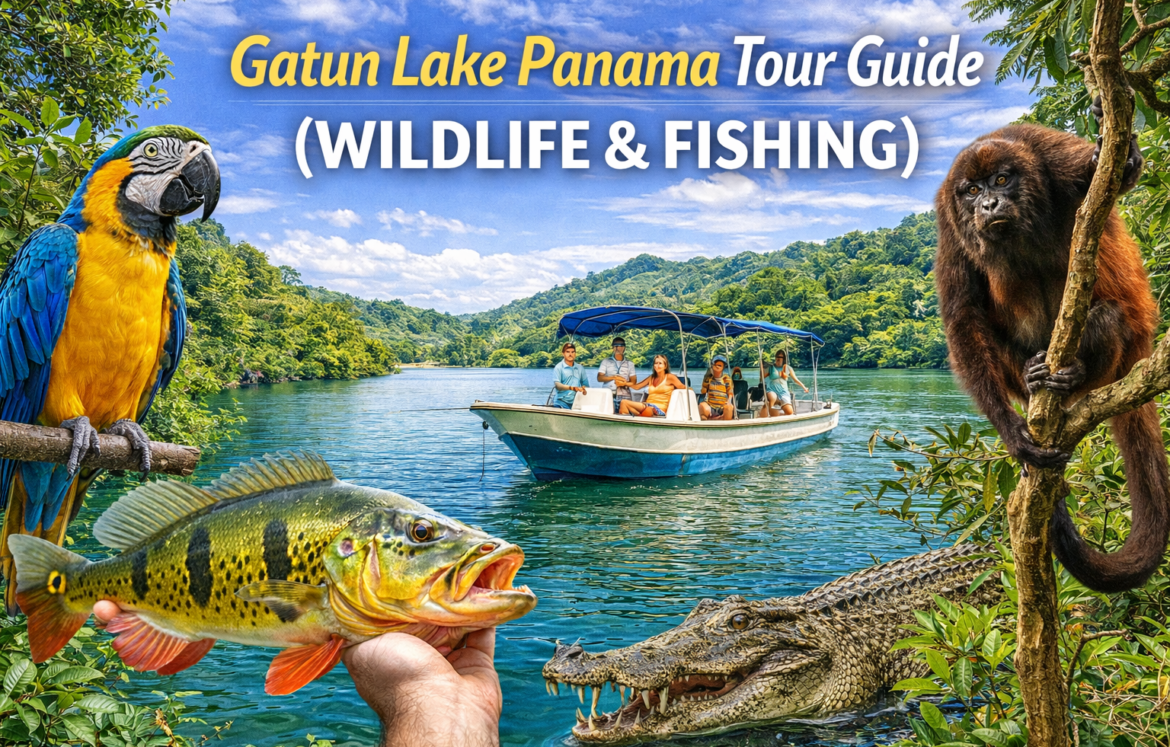
You’ll find Gatun Lake Panama is one of the best places in Panama to see wildlife up close and catch peacock bass on calm, wide waters. I’ll show you how to choose the right wildlife tour or fishing charter, what to expect on the water, and the simple tips that make your trip smoother and more rewarding.
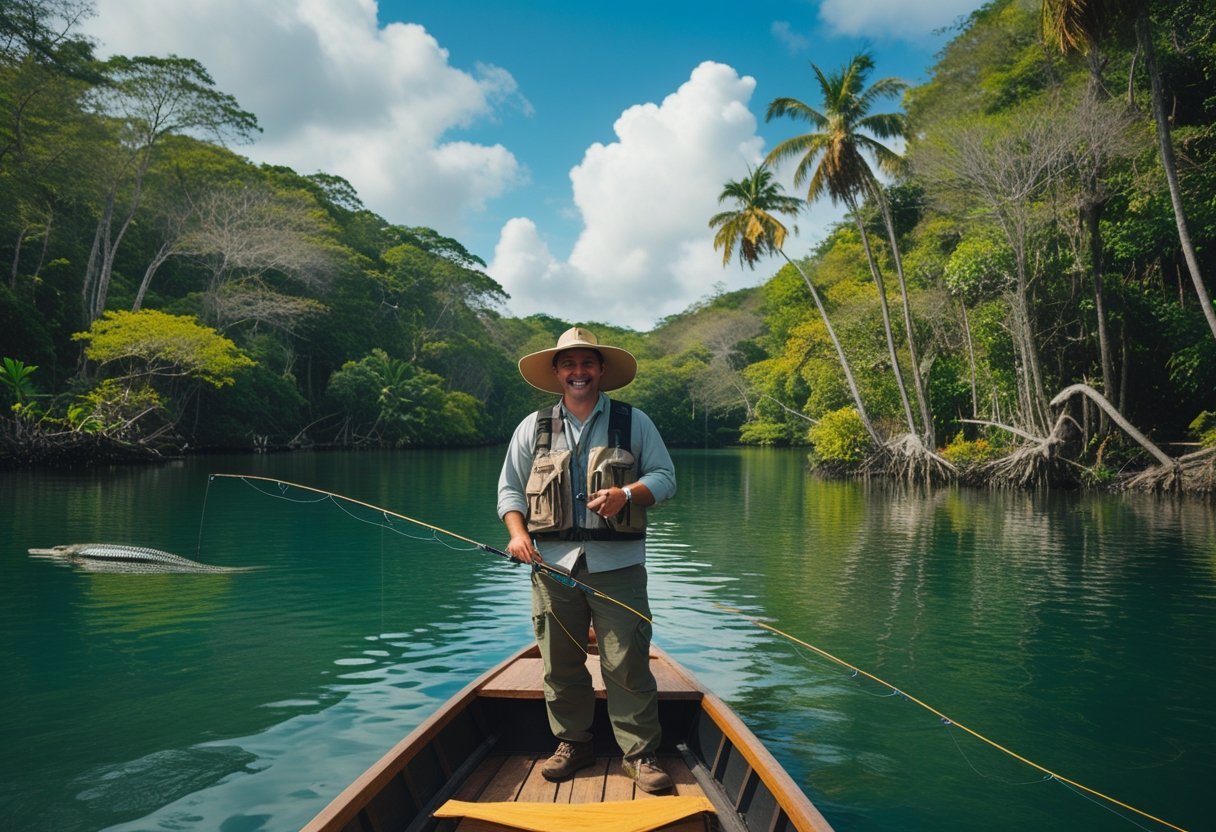
Expect to learn about the lake’s role in the Panama Canal, the animals you can spot from a small boat, and the gear and techniques that work for peacock bass. I’ll point you to reputable tour options and give practical travel tips so you can plan a confident, well-prepared visit.
As you read, you’ll get clear advice on timing, what to bring, safety around wildlife, and nearby activities worth adding to your itinerary—so you can focus on the experience instead of logistics.
Overview of Gatun Lake Panama
I describe Gatun Lake as the large, engineered heart of the Panama Canal system, a vast freshwater reservoir that supports shipping, wildlife, and recreation. It plays a central role in canal operations and offers rich fishing and wildlife viewing close to Panama City.
History of Gatun Lake
I trace Gatun Lake back to the early 20th century, when the Panama Canal project demanded a reliable water source and a navigable passage for ships. The lake formed after the construction of Gatun Dam and the intentional flooding of the Chagres River valley in 1913–1914. This flooding created an inland waterway that allowed ships to cross the Isthmus of Panama at a higher elevation, cutting travel time and avoiding dangerous coastal routes.
I note the human impact: entire villages were inundated, and populations moved as the valley filled. The lake also shaped the canal’s operational logic—locks raise and lower ships between ocean level and the lake’s higher elevation. Over the decades, Gatun Lake Panama, has remained essential for transits and for freshwater storage that feeds the lock chambers.
Formation and Construction
I explain that Gatun Dam blocked the Chagres River to form Gatun Lake, an artificial reservoir covering roughly 164 square kilometers (about 63 square miles) at normal high water. Engineers built massive earthworks and concrete structures to hold back the river and to regulate flow for the canal’s locks.
Construction involved excavation for lock cuttings, creation of spillways, and installation of gate systems that control water release. The dam and associated works required moving enormous volumes of earth and coordinating large labor forces. The design prioritized both capacity—to supply billions of gallons per transit cycle—and stability to withstand tropical rainfall and runoff.
Geography and Key Features
I describe Lake Gatun’s geography as a mix of open water, forested islands, and narrow channels created from the former river valley. The lake sits near Gamboa and extends into the central Panamanian lowlands, with Monkey Island-studded shorelines that host monkeys, birds, and reptiles.
Key features include the Gatun Dam at the lake’s Atlantic side, the lake’s role as about one-half of the canal’s transit distance, and numerous inlets that form sheltered wildlife habitats. Visitors often travel from Panama City for short boat tours that move alongside commercial vessels and into wildlife-rich coves. For anglers, Gatun Lake is known for peacock bass and other freshwater species, making it a top spot for fishing near the canal.
Gatun Lake and the Panama Canal
I explain how Gatun Lake Panama acts as a working reservoir and a shipway, and why the Gatun Locks control ocean-to-lake movement for ships crossing the isthmus.
Role in the Panama Canal Operation
I use Gatun Lake as a freshwater reservoir that raises ships 26 meters (85 feet) above sea level. The lake stores water released through the locks during each transit, so lock operations depend on the lake’s level and volume. Much of the lake was formed when the Chagres River valley flooded during canal construction, creating a large, navigable water body that handles both commercial traffic and wildlife habitat.
I note practical details visitors see on tours: ships enter the lake after leaving the lower lock chambers, pass near Gamboa, and traverse about 33 kilometers (20 miles) of the lake before reaching the next lock set. The lake’s water management also supports the lock filling process and local communities that rely on its freshwater.
Significance of Gatun Locks
I focus on the Gatun Locks because they are the Atlantic-side gateway between the ocean and the lake levels. The three-step lock complex on the Atlantic side lifts or lowers vessels to match Gatun Lake’s level using huge chambers and culvert systems. Each transit uses millions of liters of fresh water drawn from the lake, so the locks’ schedule and efficiency tie directly to lake conservation and operational planning.
I point out what travelers notice: massive concrete walls, the lock gates, and the locomotives (“mules”) that guide ships. The locks remain a vital engineering feature, controlling ship flow between the ocean and the artificial Gatun Lake Panama, and making the canal a manageable crossing for global shipping.
Wildlife Watching Experiences
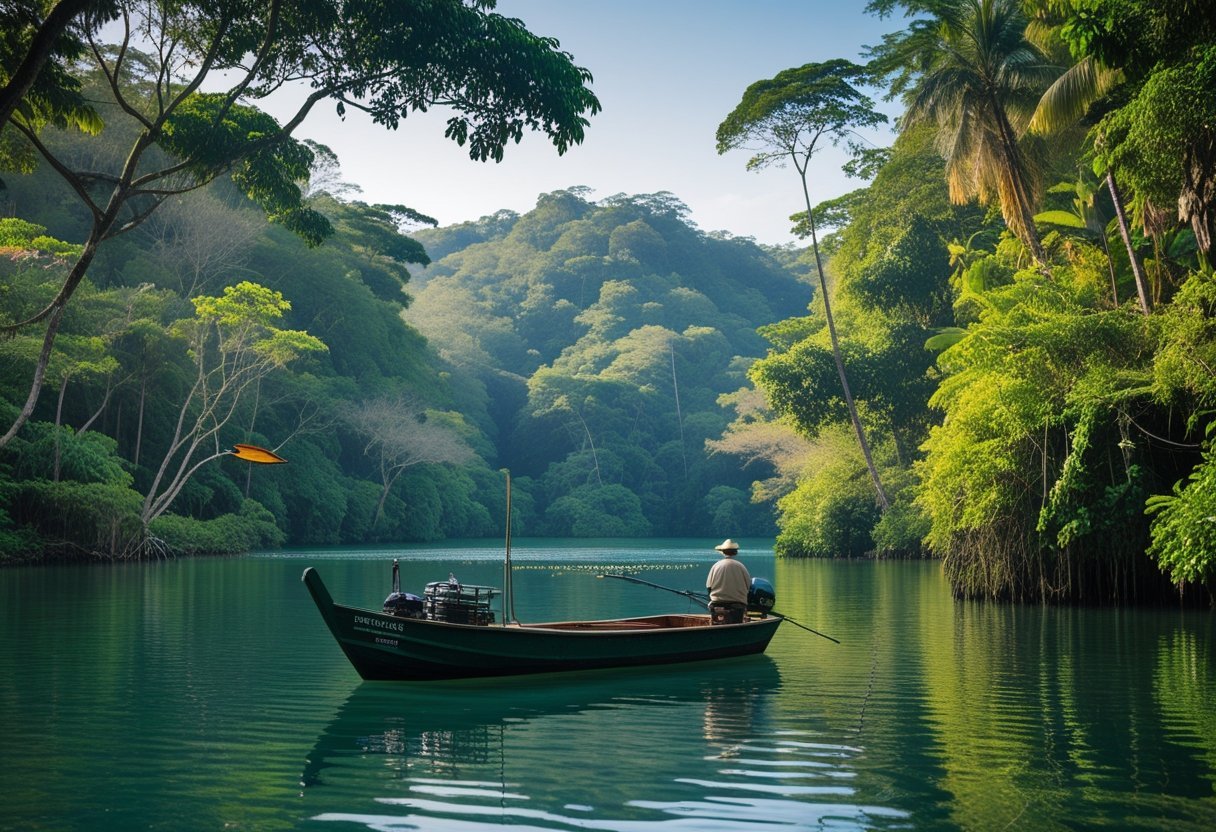
I focus on clear, specific tips for spotting animals, where to go on Gatun Lake, and how tours balance wildlife viewing with conservation. Expect details on common species, the best observation spots, and eco-tour options that protect habitats.
Popular Wildlife Species
I often see capuchin monkeys along the forested shorelines of Gatun Lake Panama. They move in family groups and are most active in the morning. I also look for howler monkeys; their deep calls help me locate them even when branches hide them.
Birdwatching yields toucans, kingfishers, and a variety of herons near calm inlets. I scan mangrove edges for caimans and river turtles sunning on logs. Fishers and anglers on the lake target peacock bass, a prized sport fish that flashes near the surface.
I carry binoculars and a camera with a zoom lens. I move quietly and avoid sudden movements. I never feed wildlife, which keeps animal behavior natural and safe.
Best Spots for Wildlife Observation
I recommend starting at Gamboa for easy access to Gatun Panama shorelines and river mouths. The Gamboa area offers quick sightings of toucans and kingfishers along narrow channels. I then head out to quieter coves and the lake’s eastern inlets, where fewer boats travel.
I slow the boat near mangrove stands and old river mouths; these spots often hide caimans and sleeping turtles. I time outings for early morning or late afternoon when birds and mammals are most active. I also watch for ship channels where fish-eating birds gather, especially near canal traffic.
I keep a low wake and use a shallow-draft boat to approach close without disturbing habitats. This technique improves sightings while protecting shoreline plants.
Eco-Tourism Opportunities
I choose guided tours that state they avoid feeding or baiting wildlife. Responsible operators navigate existing waterways and avoid clearing trails, which protects Gatun Lake’s natural habitat. I look for guides who educate about biodiversity and the canal’s role without disturbing animals.
I support small local operators who hire trained naturalist guides. This provides income to communities and encourages conservation. I also ask about group size limits and waste policies before booking. Smaller groups reduce noise and increase sighting chances while lowering environmental impact.
For more details on private boat wildlife tours and guides operating from Panama City, I review offerings like the Gatun Lake Panama private boat expeditions.
Fishing Adventures on Gatun Lake
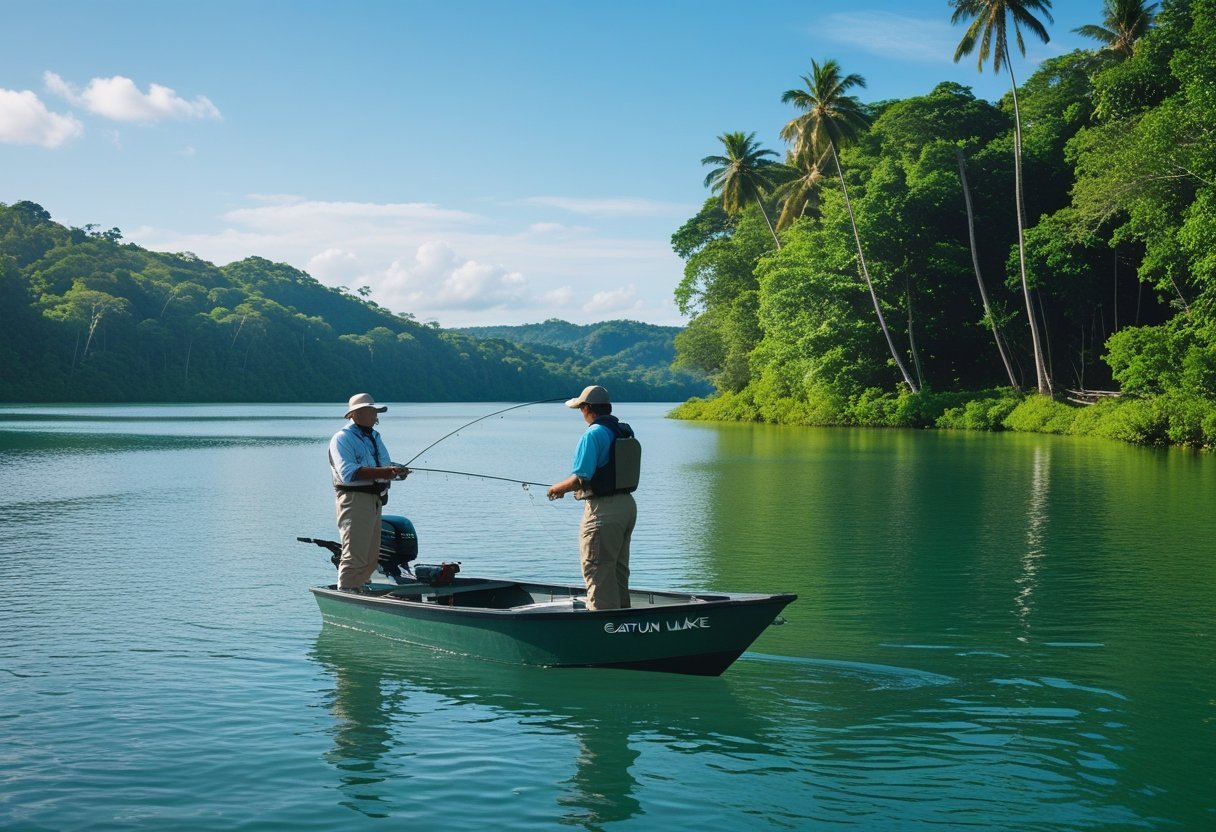
I fish Gatun Lake for peacock bass, snook, tarpon, and other species from small skiffs with local guides. I focus on targeted spots around islands, river mouths, and submerged structures where fish concentrate.
Target Fish Species
I chase peacock bass (Cichla ocellaris) most often; they are aggressive, colorful, and found near submerged trees and rocky points. I use medium-heavy spin gear, topwater plugs early, and jigs or spoons when deeper structure is targeted. Peacock bass on Gatun Lake Panama fight hard and can reach solid sizes, so I bring strong braided line and a 20–30 lb leader.
I also fish for snook and tarpon near shorelines and mangrove edges. Snook like shaded structure and ambush points; I present live bait or soft plastics slowly. Tarpon show near deeper channels and respond to large live baits or big lures. I bring circle hooks for catch-and-release where possible.
Catfish and snapper-type species appear in deeper holes. I pack a variety of hooks, weights, and bait (live shad, cut bait, and artificial lures) to switch quickly during the day.
Regulations and Permits
I always check local rules before fishing on Panama’s Gatun Lake. Some operators and lodges require a permit or include fishing fees in their packages; ask your guide to confirm what’s covered. Panama’s freshwater rules vary, and protections can apply to specific species or areas inside the canal system.
I carry ID and any permit paperwork provided by the charter. I follow catch limits and prefer circle hooks to reduce harm when practicing catch-and-release. If a guide says a zone is restricted, I respect it immediately to avoid fines and to protect wildlife.
Best Seasons for Fishing
I prefer the dry season (December–April) for calmer water and easier boat access around islands and channel structure. Low water can concentrate peacock bass near remaining cover, which makes finding fish faster.
During the wet season (May–November), water rises, and fish spread out; this can produce explosive surface action after rain and heavier runs from tarpon. I plan early-morning starts year-round to avoid heat and to hit topwater activity during sunrise. For specific charters and peak local conditions, I check options like the Gatun Lake Panama lodge and local guides before booking.
Recommended Gatun Lake Tours
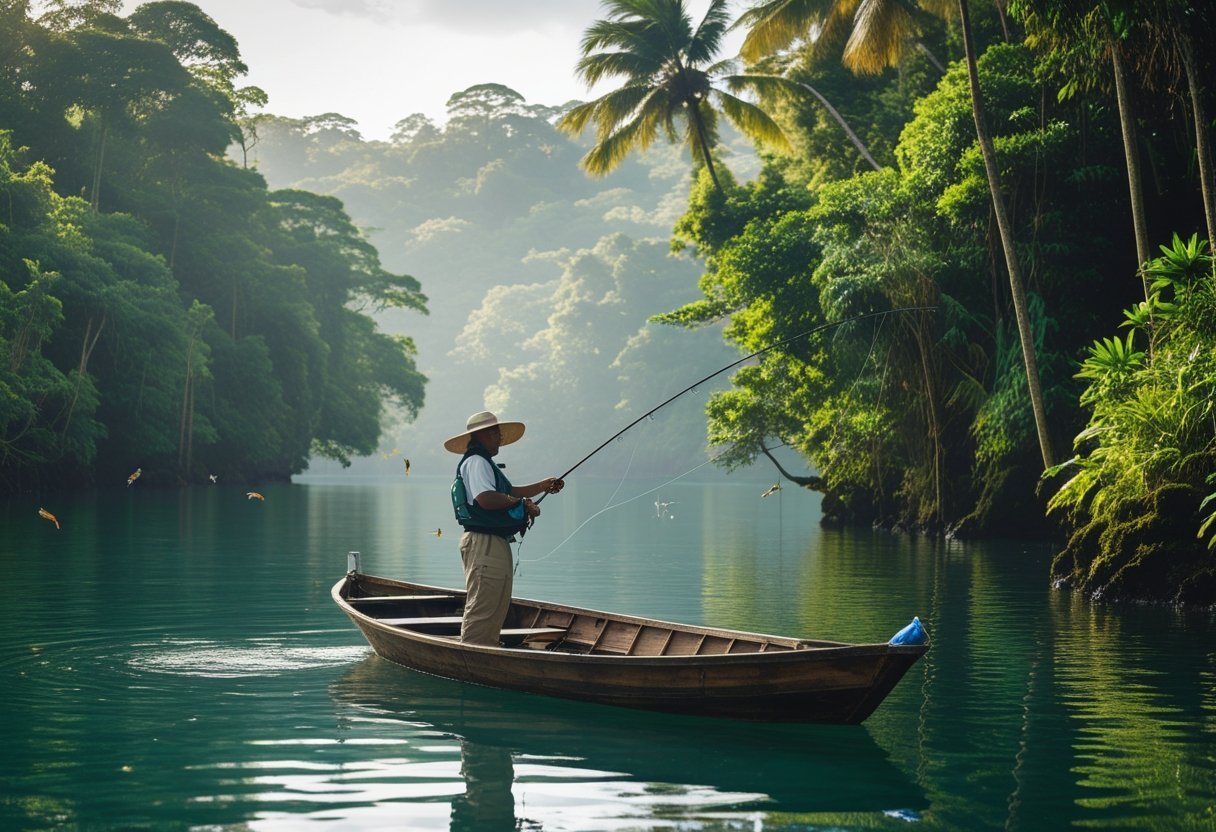
I pick tours based on wildlife sightings, ease of access from Panama City, and what gear or guide expertise you get. Expect boat time of 3–5 hours, chances to see monkeys and crocs, and options for private or small-group trips.
Wildlife-Focused Tours
I choose wildlife tours that leave from Gamboa or the Canal area and run 3–5 hours on Gatun Lake. A good tour uses a shallow-draft boat so the guide can approach jungle-lined shores where howler monkeys, white-faced capuchins, and sloths often perch. Guides should carry binoculars, a field guide, and knowledge of local bird calls to find toucans, kingfishers, and raptors.
Look for small groups (6–8 people) for quieter viewing and better photo opportunities. Tours that combine river channels with open lake sections increase crocodile and turtle sightings. Check whether the operator offers hotel pickup in Panama City and has bilingual guides if you prefer English.
Fishing Charters
I book fishing charters focused on peacock bass, the top sport fish in Gatun Lake Panama. Charters usually supply rods, tackle, and live bait or lures tuned for bass. Trips range from half-day to full-day; half-day works for morning feeding activity, while full-day increases your chance of landing trophy fish.
Ask about boat setup: look for stable platforms, a shady canopy, and a livewell. A good captain knows the Panama Canal Gatun Lake structure, finding submerged points, flooded trees, and channel edges where peacock bass hunt. Confirm licensing and catch-and-release policies if conservation matters to you.
Boat and Kayak Excursions
I recommend mixing a guided boat tour with a kayak option when available. Boats let you cover more lake area and reach remote inlets; kayaks let you glide quietly into narrow channels for close encounters with wildlife. Operators sometimes pair a short boat transfer with a guided kayak paddle lasting 1–2 hours.
Bring water, sunscreen, and insect repellent. Kayak trips suit fit beginners and give intimate views of shoreline habitat where iguanas and wading birds gather. Verify that life jackets, basic paddling instruction, and emergency communication are included before you go.
Relevant booking options and reviews appear on pages like Gatun Lake expedition listings and small-group wildlife tours. For practical details and bookings, check a local operator’s Gatun Lake Panama page.
Visitor Information and Travel Tips
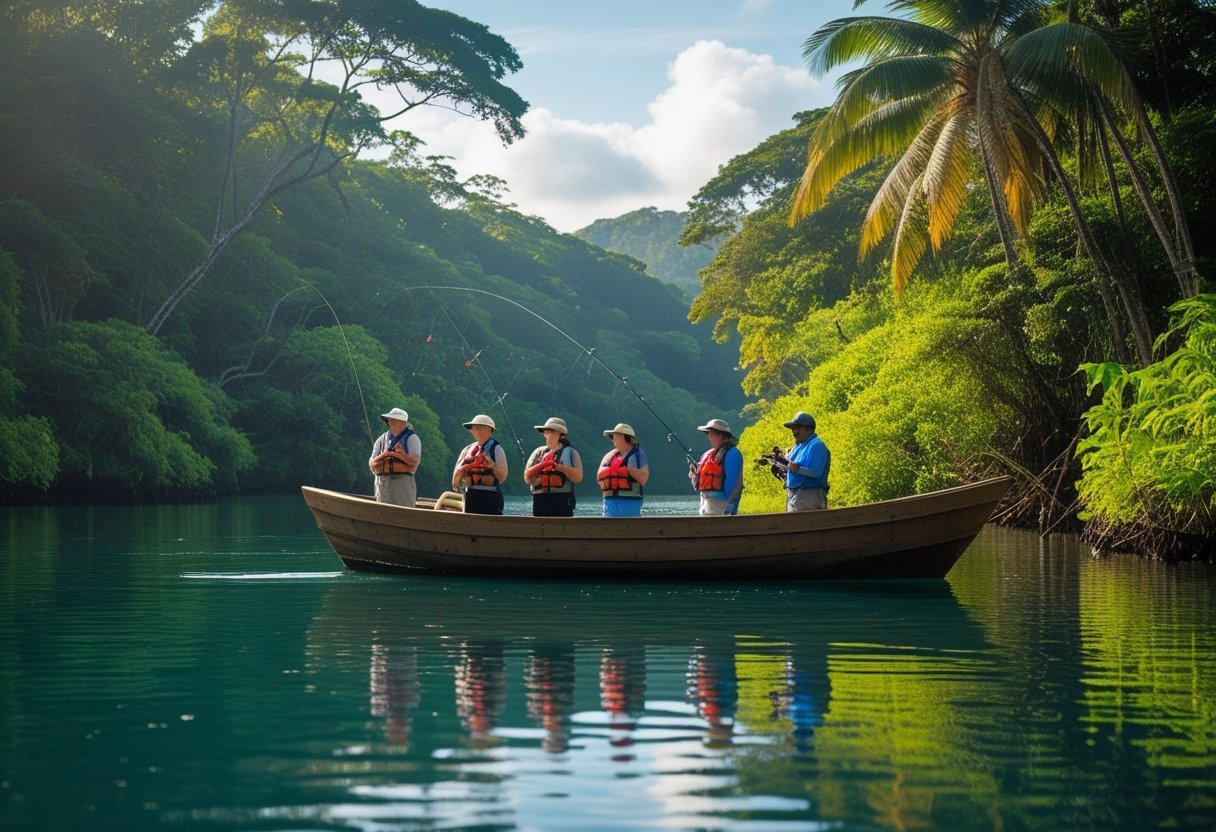
I give clear, practical advice for planning a trip to Gatun Lake Panama, including how to reach the lake, what to pack for wildlife spotting and fishing, and key safety points to keep your day smooth and safe.
Getting to Gatun Lake
I usually start trips to Gatun Lake from Panama City. The fastest route is a 35–50 minute drive to Gamboa, where many boat tours launch. If you prefer public transit, take a bus toward Gamboa from Albrook Terminal, then grab a taxi for the final few minutes to the dock.
Private tours often include hotel pickup in the Amador/Obarrio areas. If you rent a car, follow the Pan-American Highway (Corredor Sur or Transístmica) and use GPS to find the Gamboa marina. Expect light to moderate traffic; plan 30–90 minutes travel time depending on rush hour. Book tours in advance during high season to secure morning boat slots for better wildlife activity.
What to Bring
Bring lightweight, quick-dry clothing and a waterproof jacket for sudden showers. I always carry binoculars, a camera with a zoom lens, and extra memory cards to capture monkeys, sloths, and crocodiles along Panama Lake Gatun. Wear closed-toe shoes with a good grip for boarding boats and brief shore walks.
Pack sunscreen, insect repellent (DEET or picaridin), and a wide-brim hat. Bring reusable water and light snacks; tours may not include food. If you plan to fish, confirm whether tackle and bait are supplied; otherwise, bring your own rod, license if required, and polarized sunglasses to reduce glare while seeing peacock bass below the surface.
Safety Considerations
I stay within the guide’s instructions at all times near Gatun Panama’s waterways. Keep a safe distance from wildlife—do not feed monkeys or approach crocodiles—and follow guide signals when taking photos. Life jackets should be worn whenever the boat is moving; check that the tour provides well-maintained personal flotation devices.
Weather changes quickly; I monitor forecasts and avoid outings during heavy storms. Bring motion-sickness medication if you get queasy on small boats. Carry a basic first-aid kit and any personal medications in a waterproof pouch. Finally, leave valuables locked in your car or boat storage and bring only what you need for the trip.
Nearby Attractions and Activities
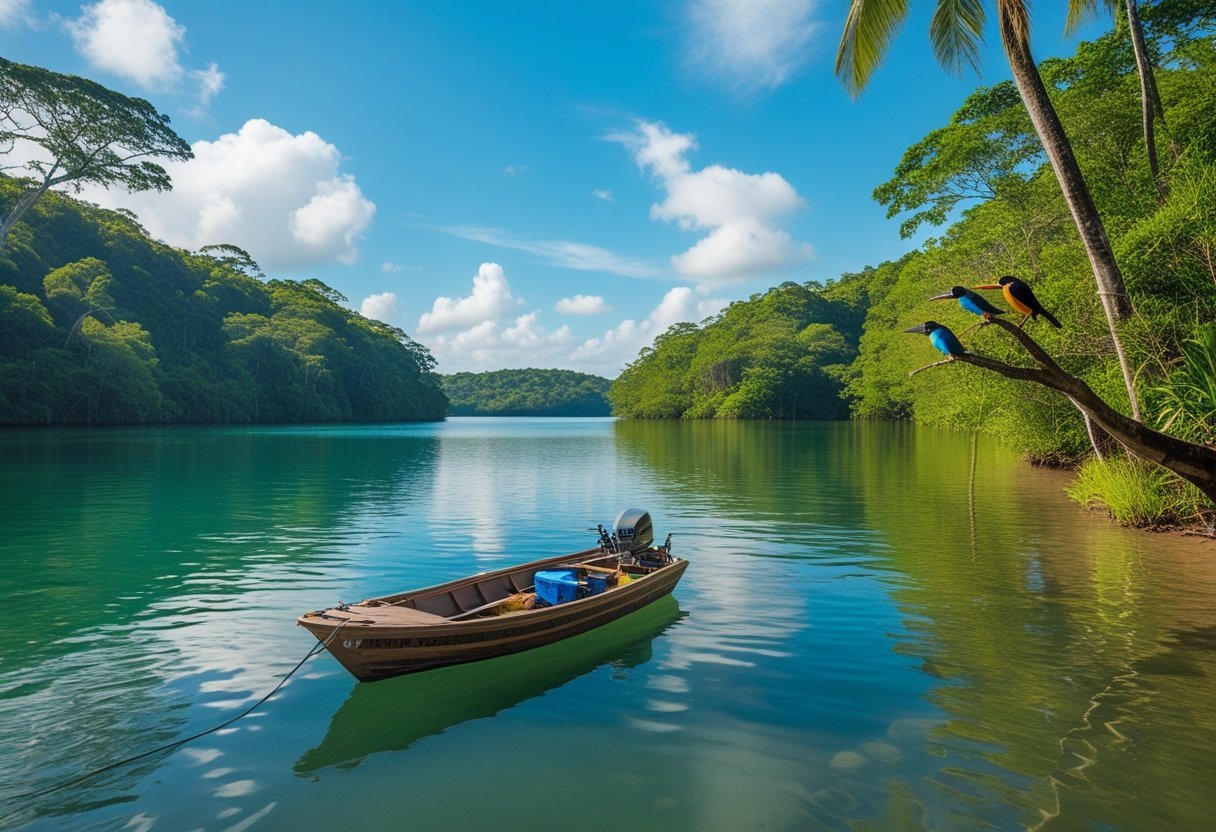
I focus on places you can visit right after a Gatun Lake trip. You can walk forest trails, watch huge ships move through the canal at the Gatun Locks, or meet local people in the town of Gatun.
Exploring the Surrounding Rainforest
I take small trails that start near the lake shore to find monkeys, toucans, and sloths in the canopy. Guides point out species and show the best spots for photos. Tours often include short hikes across packed-earth paths and boardwalks, so wear sturdy shoes and bring insect repellent.
Boat trips let me reach forested islands where I can see crocodiles and fishing birds from a safe distance. Morning is best for wildlife activity and calmer waters for paddling or light fishing. Many lodges and operators near Gatun Lake provide binoculars and field guides to help ID animals.
Visiting the Gatun Locks
I watch Panamax and larger ships pass through the Gatun Locks, a working part of the Panama Canal near the lake. Viewing platforms and the visitor center give close-up views of the lock gates, control machinery, and tugs guiding ships. Bring a hat and water—the shade is limited at some viewing points.
If you want more context, I joined a guided canal-history talk that explains how Gatun Lake and the locks control water flow and ship traffic. The area can be busy during ship transits, so I plan visits around published transit schedules or join a boat tour that times lake routes with lock activity. For maps and tour options, many operators list departures from Panama City or Colón.
Cultural Experiences in Gatun
I stop in the town of Gatun to meet boat crews, lodge hosts, and local vendors. Small cafes serve hearty Panamanian dishes like rondon and fresh-caught fish. Conversations with residents often explain how the lake and canal shape daily life and local jobs.
Local craft stalls sell simple woven goods and carved souvenirs that make useful gifts. I look for community-run tours where guides from Gatun share fishing techniques, traditional uses of plants, and personal stories about the canal’s impact on the area. For organized cultural tours and visitor reviews, check operators that include Gatun village visits in their lake itineraries.
Frequently Asked Questions
I answer common concerns about fishing species, wildlife tours from Panama City, historical changes to Gatun Lake, fishing rules in the canal, how Gatun Lake differs from other spots, and the animals you can expect to see. Read each question for practical details, seasons, and what to pack.
What types of fish can I expect to catch in Gatun Lake?
You can expect peacock bass as the main sport fish. Anglers also catch snook, largemouth bass, and occasional catfish in deeper channels.
Peacock bass run large and fight hard, making them a top draw for anglers. Guides often know the best spots for size and technique.
Are there guided wildlife tours available at Gatun Lake from Panama City?
Yes. Small-group boat tours depart from Panama City and take you into backwater channels where wildlife concentrates.
Tours typically include bilingual guides and transport, and some combine a sloth sanctuary visit or short island stops. Book a reputable operator in advance for morning departures, which give the best sighting chances.
What changes has Gatun Lake undergone historically?
Gatun Lake formed in 1913 when the Gatun Dam flooded a large river valley during Panama Canal construction. The lake converted forests and river systems into a huge freshwater reservoir.
Over time, the lake became a stable habitat for many species and a key part of canal operations. Shipping needs and water management have shaped shoreline use and access.
Can visitors fish in the Panama Canal as well as in Gatun Lake?
Fishing focuses on Gatun Lake rather than active canal locks. Recreational fishing occurs in lake areas away from busy navigation channels.
The canal’s operational zones are restricted for safety, so follow the guide instructions and local regulations. Ask your operator about permitted fishing areas and any required licenses.
How does one differentiate Gatun Lake from other fishing destinations in Panama?
Gatun Lake sits inside the Panama Canal system and covers a large, sheltered freshwater area of about 85 square miles. Its size, access from Panama City, and strong peacock bass populations set it apart.
Other venues may offer saltwater or river fishing, but Gatun gives anglers easy boat access to deep structure, islands, and submerged trees that hold big fish.
What kind of wildlife might one see while touring Gatun Lake?
Expect to see howler monkeys, capuchin monkeys, and sloths in the forested islands and shorelines. Birdlife includes toucans, kingfishers, and herons along the water’s edge.
You may also spot crocodiles or caimans basking on banks, iguanas on sunlit rocks, and a variety of freshwater fish. Guides point out species and safe viewing distances during tours.