


Top 10 Adventurous Things to Do in Panama (Ultimate Guide)
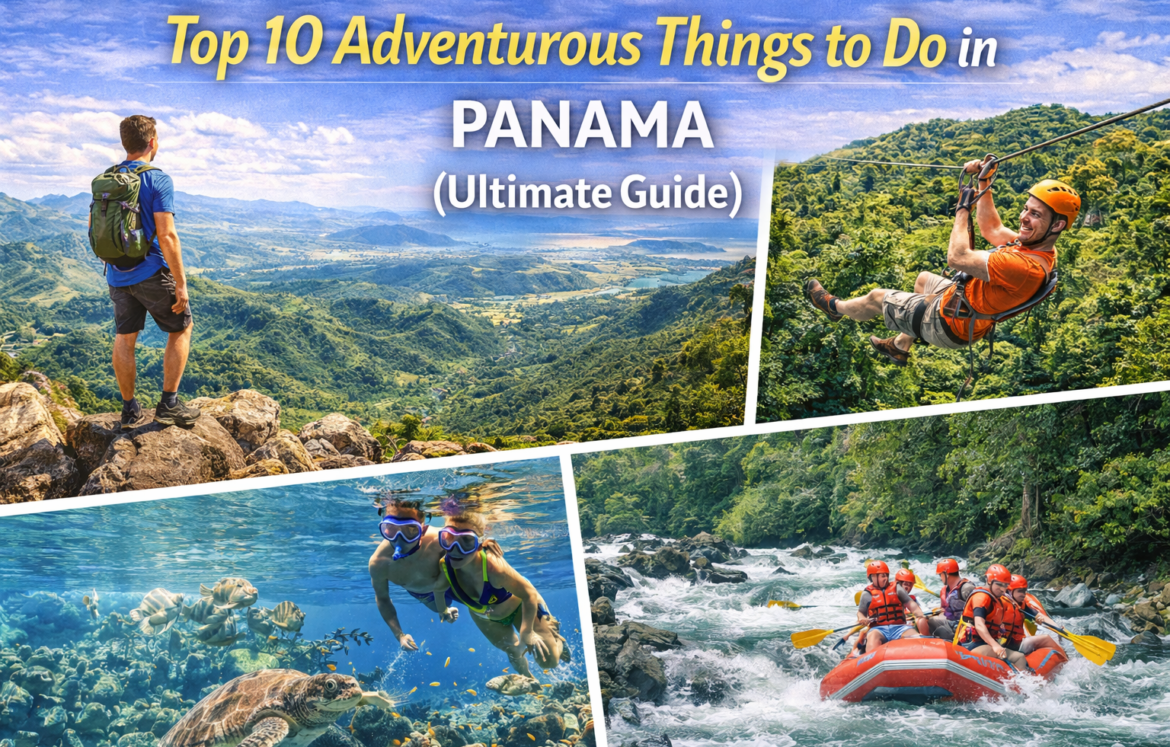
You’ll find Panama mixes bold nature and easy access, so you can jump into real adventure without wasting time. From ocean waves and jungle trails to volcano climbs and Canal tours, I’ll show you the top experiences that give the biggest payoff for your effort and time. If you want the best adventurous things to do in Panama, focus on beach surfing in Bocas del Toro, hiking Volcán Barú, exploring the Darién or San Blas islands, and taking an insightful Canal de Panamá tour.

I’ll also cover safety tips, family-friendly options, and practical planning so you can pick the right activities for your pace and budget. Expect clear advice on gear, guides, best seasons, and must-see spots that link adventure with culture and nature.
Is Panama Safe for Adventurous Tourists?
I focus on concrete safety facts and practical steps so you can plan adventures with fewer surprises. Read the short tips and hard facts that follow to judge risk, prepare gear, and choose guides and areas wisely.
Safety Tips for Travelers
I always hire licensed guides for jungle treks, volcano hikes, and boat trips among the islands. Licensed guides know river crossings, tide windows, and local wildlife patterns that reduce risk. For high-risk activities, I buy travel insurance that covers helicopter rescue and medical evacuation.
I secure my valuables in a hotel safe and carry a slim day pack with copies of my passport, cash, and a tracking app on my phone. In Panama City, I avoid walking alone at night in poorly lit districts; I use taxis or ride-share apps instead. For remote trips, I tell someone my route and expected return time.
I check the weather and water conditions before diving or surfing. I bring a first-aid kit and any prescription meds. If I plan helicopter tours, I confirm operator safety records and aircraft maintenance.
Common Questions About Panama’s Safety
Is Panama dangerous for tourists? Not generally, but petty theft and opportunistic crime occur in cities and tourist hubs. I stay alert in crowded markets and at major transit points like bus terminals and the Amador Causeway.
How safe is Panama for tourists in nature areas? Jungle and mountain terrain carry natural risks: slippery trails, flash floods, and limited cell coverage. I follow local ranger guidance, stick to marked trails, and avoid solo hikes in dense rainforest.
What about health risks? Mosquito-borne illnesses exist in parts of Panama. I use repellent, wear long sleeves at dawn and dusk, and consider vaccines or prophylaxis when recommended. I also bring bottled water or a reliable filter for remote areas.
How Many Tourists Have Gone Missing in Panama?
I can’t give an exact current number of missing tourists, but cases are rare relative to total visitor numbers. High-profile incidents, including missing foreign nationals, get media attention and raise concerns for travelers.
Many disappearances involve remote jungle areas, boating accidents, or personal decisions to leave planned trips. A few reports have mentioned stolen cameras or head injuries connected to accidents, but these are not common patterns across all visitors.
If you worry about this, I suggest tracking your itinerary with friends or family and using a local guide in remote regions. Report any theft, assault, or missing-person case immediately to local police and your embassy.
Is Panama Safe for American Tourists?
I find Panama generally safe for Americans who follow standard travel precautions. The U.S. Department of State posts area-specific advisories and practical tips; I review those before travel and register with STEP if I plan extended stays or remote travel.
Americans should carry passport copies and know the location of the U.S. embassy in Panama City. I avoid risky neighborhoods after dark, secure valuables, and use reputable tour operators. If an incident occurs, I contact the local police and the embassy for assistance.
For more details on adventure options and safety measures, review local tourism pages and travel advisories like the Canadian guidance on adventure travel and evacuation planning found at Travel.gc.ca: adventure travel and advisories for Panama.
Essential Adventurous Experiences in Panama
I pick activities that give big thrills with real safety and clear logistics. You’ll get wet, high, and sweaty—each trip has local guides, gear checks, and easy transport from major towns.
River Rafting and Kayaking Adventures
I head to rivers like the Chagres for whitewater or the Pacora for calmer runs. Chagres offers Class II–III rapids, good for mixed groups and beginners who want a fast, splashy trip. Guides provide helmets, life jackets, and a safety talk before launch. Trips often include short jungle hikes and wildlife spotting—monkeys, toucans, and river turtles are common.
For stronger paddlers, the upper Pacora and some tributaries push into Class III–IV sections. Bring quick-dry clothes, reef-safe sunblock, and a dry bag for keys and phones. I look for operators that include pickup from Panama City or El Valle. Half-day and full-day options exist; multi-day trips add camping on riverbanks.
Ziplining in the Rainforest Canopy
I chose zipline parks near Boquete, El Valle, and Bocas del Toro for a mix of long runs and platforms up to the canopy. Lines can reach 800 meters and cross deep valleys, giving sustained speed and wide views. Operators use full-body harnesses and dual-line braking systems; expect a short training session and tandem guide options for nervous riders.
Most tours combine ziplines with hanging bridges or short nature walks, so you’ll see orchids, epiphytes, and sometimes quetzals. Wear closed-toe shoes and clothes that protect from sun and insects. Photos and videos are often available for purchase; I checkthe camera rules before launch. Look for companies that follow safety certifications and have clear weight limits.
Exploring Volcan Baru
I climb Volcan Barú from the town of Boquete for sunrise views and the rare sight of both the Pacific and Caribbean coasts at once. The trek ranges from steep day hikes (8–10 hours round-trip) to guided night climbs that reach the summit by dawn. Temperatures drop near the top, so I pack layers, a headlamp for night hikes, and trekking poles for steep sections.
The trail varies from muddy jungle paths to rocky slopes. Guides arrange permits, transport to trailheads, and emergency plans. For a less strenuous option, I join a highland jeep tour and short walks around the reserve. Weather changes fast at altitude; clear summit views are not guaranteed, so flexible plans matter.
Canal de Panama Tours and Iconic Attractions
I focus on the must-see Canal de Panama experiences, practical details, and the best ways to reach key sites like Miraflores and Colón. Expect guided transit options, visitor center highlights, and nearby historical stops that fit into a day trip or a longer shore excursion.
Guided Tours of the Panama Canal
I take guided canal tours when I want the full transit experience. Small-boat transits through the locks let me watch gates close, and ships rise; larger tourist boats offer narrated runs that cover Gatun Lake and the lock operations. Tours often include hotel or cruise-ship pickup from Panama City or Colón, and many operators list pickup locations and durations on their sites.
I look for tours that include bilingual guides and a clear itinerary: transit segment, wildlife spotting on Gatun Lake, and a stop for photos at the Pedro Miguel or Miraflores viewpoints. Bring sunscreen, insect repellent, and a camera with a good zoom. For shore excursions from Colón, choose operators that handle port logistics to avoid delays.
Miraflores Visitor Center Experiences
I visit the Miraflores Visitor Center for hands-on learning and excellent lookout views. The center has a multi-level observation gallery where I watch ships pass through the Miraflores Locks and learn lock mechanics via scale models and exhibits. A short film explains the canal’s construction and expansion; check showtimes on arrival.
The site also offers a museum area with historical photos and a small café overlooking the locks. Tickets cover entry to the exhibits and observation decks; I buy them early on busy days. Miraflores sits close to Panama City, making it an easy half-day visit from the capital.
Historical Sites Along the Canal
I include nearby historical sites when I explore attractions in Panama to add context to a canal visit. In Colón, the old town and the ruins of Porto Bello connect to colonial trade routes and naval history. I can visit Fort San Lorenzo and the Gatun Locks area to see how military and engineering history overlap.
On the Pacific side, the ruins of Panamá Viejo (Old Panama) sit near modern Panama City and show the city’s 16th-century origin. I plan time for short guided walks at these sites to understand why the canal reshaped regional trade and why Colón became a strategic port.
Further reading and booking options for canal day trips and shore excursions are available through local tour companies that list detailed itineraries and port pickup services.
Jungle and Ecotourism Expeditions
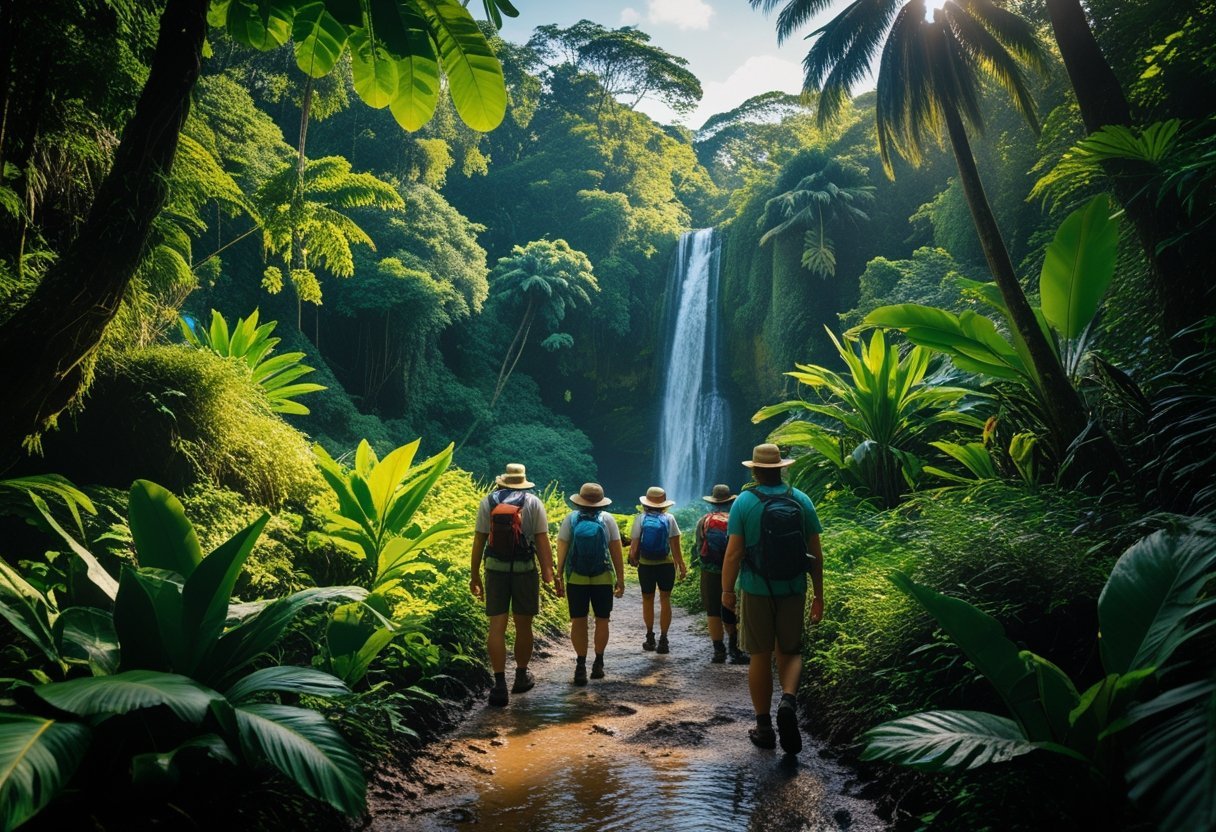
I focus on close-up nature experiences that respect local communities and fragile habitats. I look for guided trips that mix wildlife viewing, low-impact hiking, and chances to learn from local guides and indigenous groups.
Wildlife Watching in National Parks
I choose parks with easy access and high animal density, like Soberanía near the Panama Canal and Darién for deep jungle expeditions. I go on early-morning boat trips along rivers and canals; animals are most active at dawn. Night safaris reveal frogs, caimans, and nocturnal mammals, so I pack a red-light headlamp and binoculars.
I prefer locally led tours that follow strict trail rules and limit group size. That supports ecotourism in Panama and reduces disturbance to wildlife. For longer stays, I split time between riverbanks and canopy platforms to catch monkeys, sloths, and toucans at different heights.
Practical tips I use: book guides through reputable operators, verify park entrance fees, and check seasonal access—rainy months can restrict trails and boat schedules.
Rainforest Hiking Trails
I pick trails with varied terrain, so a single hike shows different microhabitats. Short, well-marked trails in Gamboa and Soberanía work for half-day trips. For multi-day treks, I plan logistics through outfitters that handle camping permits and local porters.
I wear quick-dry clothing, sturdy boots, and carry a compact first-aid kit. I move slowly and listen; many species reveal themselves by sound first. I also carry water purification tablets and a map or GPS because cell signal is often unreliable in dense forests.
I look for tours that teach low-impact camping and leave-no-trace methods. That practice links to wider Costa Rica and Panama tours that emphasize sustainability and community benefits.
Birdwatching Hotspots
I target specific sites for species I want to see: Pipeline Road for antbirds and tanagers, Metetí and Darien for regional endemics, and coastal mangroves for roseate spoonbills and kingfishers. I go at dawn and use a field guide app and a compact scope for distant canopy species.
I hire guides who know local feeding sites and migratory patterns. Their knowledge often makes the difference between spotting a rare toucan and missing it. I record sightings in a checklist and contribute to citizen science platforms when possible.
To maximize sightings, I join small-group dawn outings and combine river boat trips with short trail walks. This approach fits both standalone birdwatching trips and combined Costa Rica and Panama tours that focus on regional avifauna.
Colon, Panama: Gateway to Caribbean Adventure

I found Colón to be a practical base for Caribbean water activities, canal views, and local culture. The city connects cruise terminals, the Panama Canal’s Atlantic side, and nearby islands, making it easy to tack on a full day of exploration.
Snorkeling and Diving Spots
I booked a boat from Colón to the Bocas del Toro region and local cays for clear water and coral dives. Popular day trips leave early from the Colon Cruise Port; look for operators that include gear, a guide, and safety briefings. Expect to see colorful reef fish, sea urchins, and healthy coral patches at shallow sites near the islands.
If you prefer wrecks, some dives target WWII-era wrecks and small shipwrecks off the Caribbean coast. Bring a waterproof camera and confirm certification requirements before you go. Snorkel trips suit non-divers—guides often take small groups to calm bays with 2–6 foot visibility most days.
Practical tips: wear reef-safe sunscreen, check tide and weather reports, and carry cash for park fees or tips. I recommend choosing an operator with recent reviews and clear liability and emergency plans.
Colon Tours and Day Trips
I used guided tours to visit the Agua Clara Visitor Center and Gatun Locks for close-up canal views. Shore excursions from the cruise terminal include canal lock platforms, rainforest hikes in Soberanía National Park, and boat rides through Gatun Lake. Private drivers and small-group tours offer half-day and full-day options that combine history with nature.
For island hopping, boats depart to nearby cays and to the Bocas areas; schedules change by season. Expect pickup at the cruise terminal or your hotel. Prices vary by group size, length, and inclusions like lunch or snorkeling gear. I always ask about cancellation policies and what ID or permits I must carry.
Use local operators listed on established booking pages and read recent traveler reviews. Confirm whether guides speak Spanish and English, if you need translation.
Cultural Encounters in Colon
I walked through Colón’s historic district to see colonial buildings, street markets, and waterfront life. The city blends Afro-Caribbean culture, Panamanian traditions, and canal-related industry. Local markets sell fresh seafood, tropical fruit, and handicrafts; I recommend trying carimañolas and patacones from street vendors.
Community-led tours visit neighborhoods and cultural centers to explain Colón’s role in trade and canal history. Museums and plazas near the port contain plaques and exhibits about the city’s past. Practice respectful photography and ask permission before taking portraits.
Safety note: Stay in well-trafficked areas, use official guides after dark, and keep valuables secure. I found that a short guided walk gave more context than wandering alone.
Family-Friendly Adventure Activities
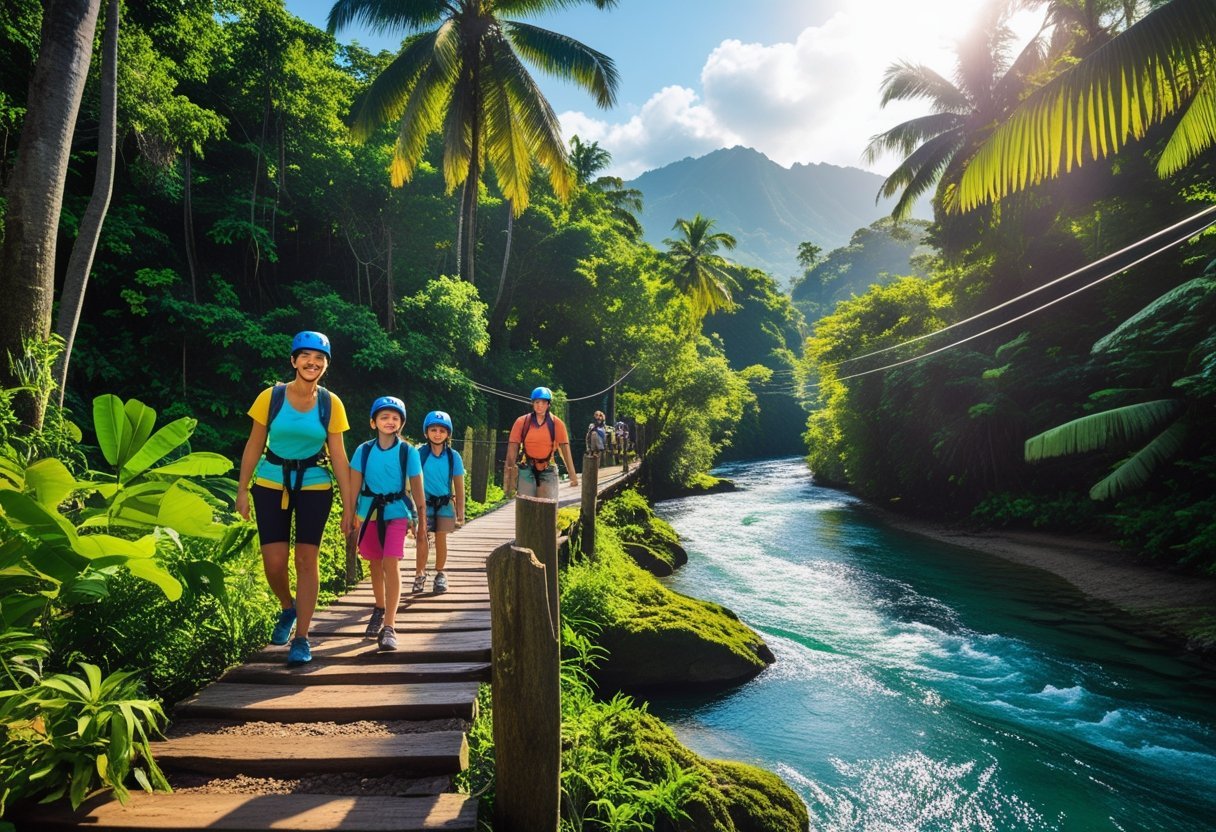
I focus on safe, fun activities that suit a range of ages, budgets, and energy levels. You’ll find beach days, easy hikes, wildlife spotting, and hands-on learning that keep kids engaged without long travel times.
Kid-Friendly Things To Do in Panama
I take families to adventurous things to do in Panama City for easy wins: the Miraflores Locks at the Panama Canal offer timed ship-watching from viewing platforms and a short, kid-focused museum. Kids love the tugboats and big ships moving through the locks. For beaches, I recommend Bocas del Toro for calm water and snorkeling with shallow reefs suitable for older children.
In Boquete, I look for short nature walks like the Pipeline Trail, where children can spot hummingbirds and butterflies. For a low-cost, local day, I visit Soberanía National Park along the Pipeline Road for easy birdwatching. Many operators offer half-day tours with short drives and minimal hiking, which works well for younger kids.
Practical tips I share: carry sunscreen, water, and insect repellent, book canal visits early to avoid heat, and choose tours that state age limits and safety gear.
Animal Encounters and Zoos
I pick animal experiences that emphasize welfare and education. In Panama City, the Punta Culebra Nature Center offers tide pools and touch exhibits that let kids see starfish and reef life up close. For nocturnal wildlife, I book guided mangrove or canal boat tours where families can spot caimans and bats from a safe distance.
If you want a structured zoo experience, I recommend checking current reviews for welfare standards before visiting any facility. For marine life, snorkeling trips around Bocas del Toro let children swim near colorful fish and slow-moving corals under guide supervision. I avoid activities that allow direct contact with large wild animals or feeding that stresses animals.
Checklist for choosing encounters:
- Review animal care and permit info
- Confirm age and safety rules
- Prefer guided, small-group tours
Educational Experiences for Children
I prioritize hands-on learning that ties to Panama’s history and environment. The Panama Canal Museum and the Miraflores Visitor Center provide interactive exhibits explaining locks, engineering, and global trade in simple terms that kids can grasp. I use the short documentary and lock demonstrations to make the canal tangible.
For nature education, I take kids to Gamboa’s Rainforest Discovery Center for canopy trails and an observation tower with binoculars. The center offers guided walks focused on local flora and fauna and clear ID signs for birds and plants. In indigenous communities near Bocas or the Emberá villages, I join respectfully run cultural tours where children see traditional crafts and simple daily life, always choosing operators that work directly with communities.
Practical prep: bring a kid-sized notebook for sightings, ask guides for age-appropriate explanations, and confirm tour lengths to match attention spans.
Planning Your Ultimate Panama Adventure
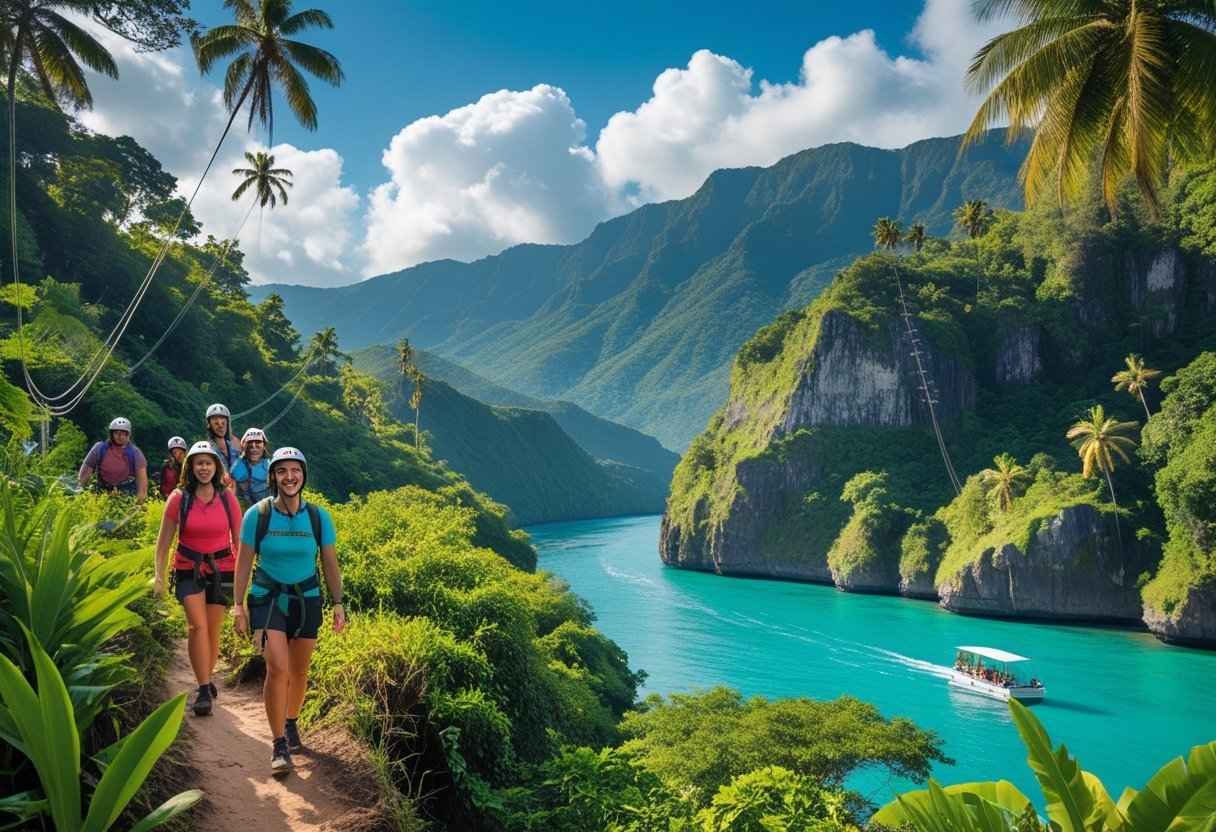
I focus on weather windows, gear priorities, and how to pick tours that match my fitness and interests. Clear choices here save time and money and make sure I hit the best adventurous things to do in Panama.
Best Times to Visit for Adventure
I pick a season based on activity. For hiking Volcán Barú and trekking cloud forest trails, I go between December and April when drier weather drops rain and brings clearer summit views. For surfing and beach time in Bocas del Toro or Santa Catalina, April to October offers bigger swells, but be ready for some rain.
If I want snorkeling and diving on coral reefs, I aim for the dry season (Dec–Apr) for the best underwater visibility. Birding and wildlife watching improve during the transition months (Nov and May) when animals are most active. I avoid the heaviest rains (Sep–Nov) for river trips and muddy jungle trails.
Essential Gear to Pack
I pack light but purposeful gear. My list: quick-dry hiking shirts, breathable rain jacket, sturdy hiking shoes with ankle support, reef-safe sunscreen, insect repellent with DEET or picaridin, reusable water bottle with filter, and a headlamp. I bring a compact first-aid kit and altitude-appropriate layers for Volcán Barú’s cooler summit.
For water activities, I pack a snorkel mask and reef-safe rash guard. I add dry bags for electronics and a small power bank. I print or save digital copies of travel documents and keep cash in small denominations for market purchases and tips. Packing these items helps me enjoy fun things to do in Panama without last-minute purchases.
Choosing the Right Tours
I match tours to my fitness, budget, and interests. For full-day rainforest treks or multi-day jungle trips, I choose companies with certified guides, small groups (8 or fewer), and clear safety policies. For snorkeling and dive trips, I look for operators who maintain gear, limit diver counts, and follow reef-safe practices.
I check recent reviews, ask about cancellation policies, and confirm what’s included: transport, meals, permits, and park fees. If I want cultural experiences, I book community-led tours to Indigenous villages to ensure fair pay and authentic interaction. When time is tight, I pick combined tours (canal transit plus Casco Viejo walking tour) to hit top attractions efficiently.
Frequently Asked Questions

I list specific adventure options, parks, water sports, cultural locations, canopy sites, and safety steps so you can plan clear, practical outings in Panama. The answers include names, towns, and simple actions you can take.
What are the top-rated adventure activities in Panama for thrill seekers?
I recommend volcano hiking on Volcán Barú near Boquete for steep trails and sunrise views.
I also suggest scuba diving or freediving around Coiba and Bocas del Toro for strong currents and marine life.
White-water rafting on the Chagres and Teribe rivers offers Class II–IV rapids depending on the season.
For land-based thrills, I like mountain biking the trails around Boquete and canopy zip-lining in El Valle de Antón.
Which national parks in Panama offer the most challenging hikes?
I point to Volcán Barú within the Baru National Park for steep, high-altitude treks.
The trail to the summit is long and gains significant elevation, so plan for cold weather at the top.
Chagres National Park has remote, jungle trails that can be hot, muddy, and steep.
Coiba National Park requires boat access and multi-day planning for backcountry jungle hikes and rugged coastline walks.
Can you recommend some must-try water sports when visiting Panama’s coasts?
I recommend snorkeling and scuba diving in Coiba and Bocas del Toro for coral, sharks, and manta rays.
I also suggest surf spots at Santa Catalina and Playa Venao for consistent breaks and lessons for beginners.
Kayaking among the San Blas (Guna Yala) islands lets you explore small cays and coral gardens.
Stand-up paddleboarding works well in calm bays near Bocas del Toro and the Pacific coast lagoons.
Where in Panama can one experience indigenous cultures while on an adventure tour?
I visit the Guna Yala (San Blas) islands to meet Guna communities and learn traditional crafts.
Day trips from Panama City or transit via Puerto Obaldía can link you to guided cultural visits.
I also recommend Emberá villages along the Chagres River, reachable by boat from Gamboa.
These trips often include canoe rides, music demonstrations, and forest walks led by local guides.
What are the best spots in Panama for canopy zip-lining and aerial tours?
I like the zip-line courses in El Valle de Antón for long runs through tropical forest near a caldera.
Gamboa Rainforest Resort offers aerial tram rides and guided canopy tours just outside Panama City.
Near Boquete, several companies run multi-line canopy courses with views over cloud forest slopes.
These locations vary in length and speed, so check line count and safety records before booking.
How can travelers ensure safety while engaging in extreme sports in Panama?
I always book with licensed operators who provide helmets, harnesses, and clear safety briefings.
Check operator credentials, recent reviews, and that staff use modern safety gear.
I stay informed about local weather and ocean conditions, since heavy rain can change river and trail difficulty quickly.
Carry basic first-aid items, tell someone your route, and consider travel insurance that covers adventure activities.