


The Best Panama Fishing Seasons: When to Go Fishing
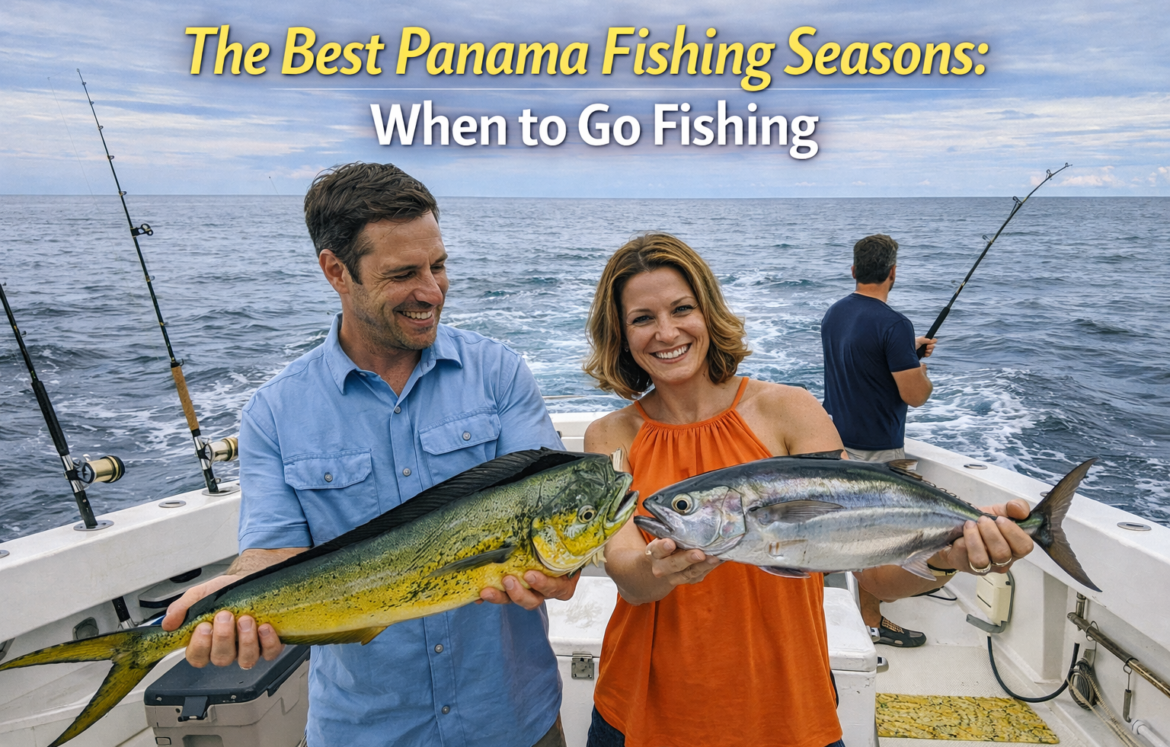
You’ll find great Panama fishing seasons almost any time you go, but the best months depend on what fish you want and where you plan to go. For most anglers chasing marlin, tuna, and dorado, the dry season from December to April gives the calmest seas and the most consistent big-game action. I’ll show when specific species peak and how regional differences change your chances.
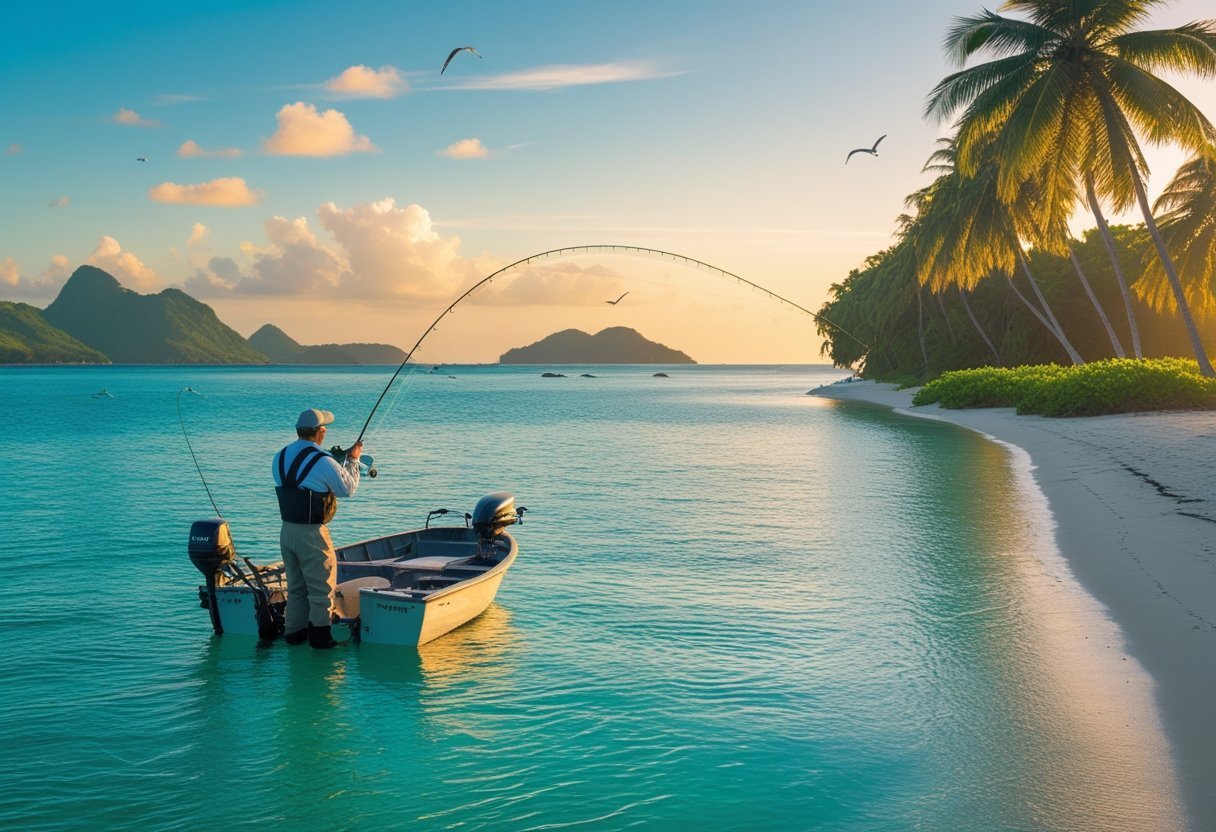
I’ll map out peak months, the best spots for popular species, and practical tips for planning trips by season. That way, you can pick dates that match the fish you want and the fishing style you prefer.
Overview of Panama Fishing Seasons
I lay out the main seasonal drivers you need to plan a trip: two clear weather cycles, and how they change fish movements, bait, and water clarity.
Understanding Seasonal Variations
I watch two main Panama fishing seasons: the dry season (mid-December to May) and the rainy season (May to November).
During the dry months, offshore water clears and surface bait concentrates, which helps year-round targets like sailfish and tuna. Coastal species such as roosterfish and snapper also move into predictable inshore feeding zones.
In the rainy season, warmer runoff and plankton blooms shift some species offshore and can boost numbers of dorado (mahi-mahi) and tuna near floating debris. I plan trips around species peaks: billfish often show strong runs in the dry season, while tuna and dorado peaks can spike with seasonal currents and bait patches.
Weather Patterns and Ocean Conditions
I track wind, currents, and water temperature because they change daily and seasonally. The dry season brings steadier southeast trade winds and clearer seas, which help sight-fishing and long casts for roosterfish.
From May to November, increased rain causes coastal turbidity but also stronger river outflows that attract bait and game fish.
I also watch El Niño and La Niña effects; El Niño can warm surface waters and push tuna farther offshore, while La Niña can cool nearshore areas and alter bite times.
Tide windows matter too: many Panama inshore spots fish best on the outgoing tide, while offshore billfish often bite around early morning or late afternoon thermal breaks.
Peak Fishing Periods in Panama
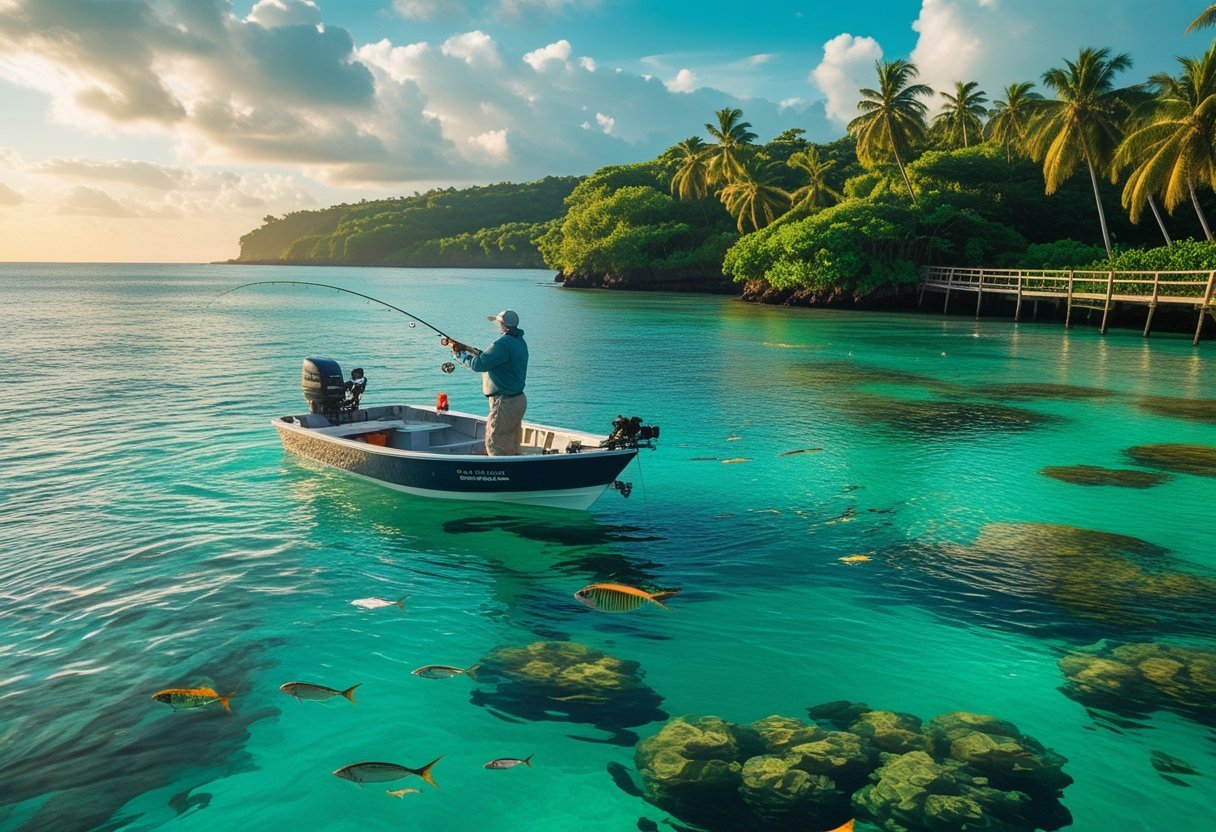
I focus on the months, the busiest charter times, and which species peak when so you can pick dates that match your goals.
Month-by-Month Guide
January–April is my top pick for calm seas and big-game fishing. I find marlin and yellowfin tuna most active in January and February along the Pacific coast near the Gulf of Chiriquí.
May–August brings warmer water and strong tuna and wahoo action. I expect faster currents and more bait schools around offshore pinnacles then.
September–November shifts to the rainy season. I target roosterfish and snapper on the Pacific coast during quieter weather windows. December often cleans up into the dry season with renewed billfish bites.
I watch local bait patterns and charter reports; those give me the best day-to-day timing within each month.
High Season vs. Low Season
High season runs roughly from December through April for most sport fishing charters. I book early for peak months like January and February because calm seas and steady bites make charters fill fast.
Low season is May through November for some operator schedules, but fishing can still be excellent and less crowded. I use low-season trips to chase species that prefer warmer, murkier water or to get lower rates.
During high season, prices and availability change quickly. I compare multiple operators and ask about recent catches before I lock dates.
During low season, I check for seasonal closures or protected-area restrictions, especially near spawning times.
Species Availability by Season
Marlin (blue and black) are most reliable January–March for offshore grounds. I plan deep-water trips in those months if I want consistent billfish chances.
Yellowfin tuna peak from December through May, with strong schools near seamounts and drop-offs. I bring heavy gear for tuna in those months.
Roosterfish and snapper show up more from May through November along rocky shorelines and estuaries. I switched to live bait and lighter tackle then.
For peacock bass and freshwater species, I focus on the Pacific river systems in the dry season (December–April) when water levels concentrate fish. I always confirm local seasonal patterns with a charter before finalizing plans.
For more detailed month-to-month notes and region-specific tips, I reference regional fishing calendars like the Panama fishing seasons calendar from Central America Fishing.
The Best Times for Popular Fish Species
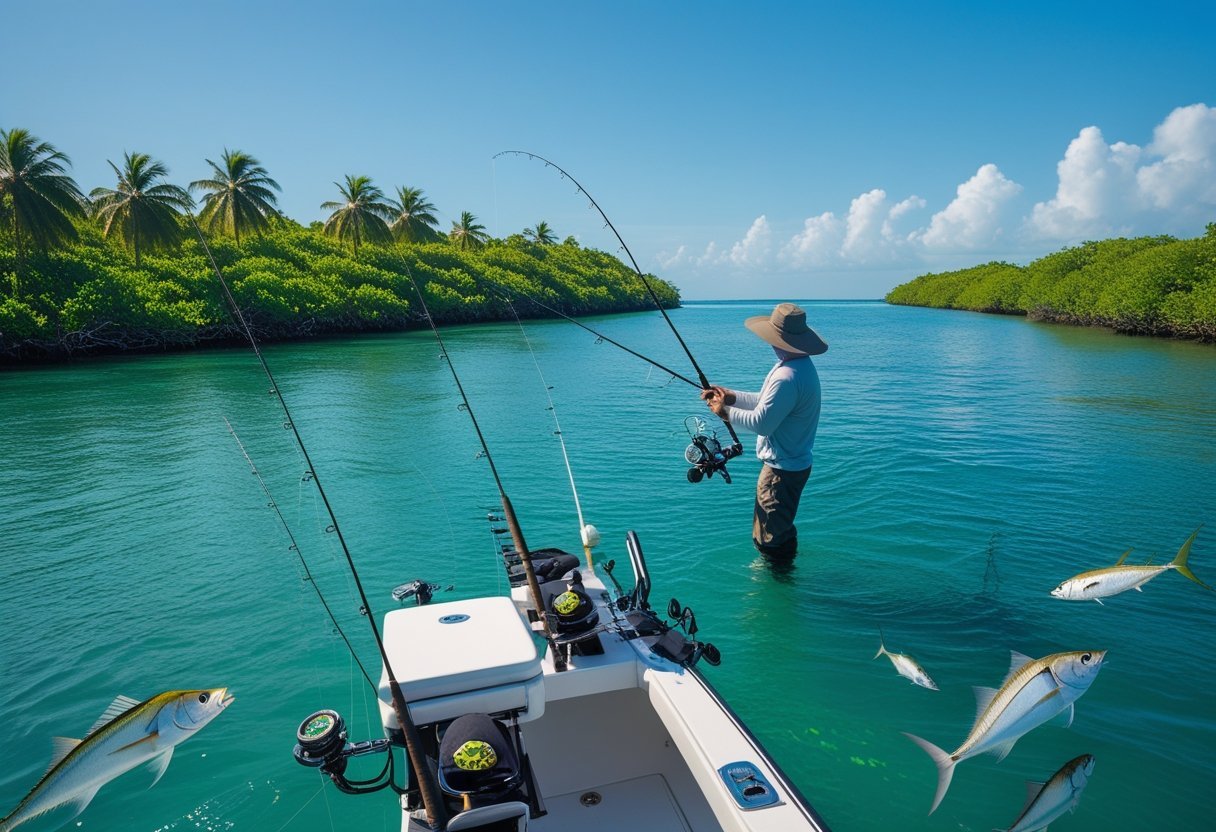
I focus on months and conditions that give you the best chance for each species. I mention peak months, bite patterns, and the fishing methods that work best.
Marlin and Sailfish
Marlin and sailfish peak from December through April along Panama’s Pacific coast. I target blue and black marlin most often in January and February when deeper warm-water currents push baitfish offshore. I troll living baits or large artificial lures 20–60 miles out for the biggest chances at marlin.
Sailfish show strong action from November to March, especially near upwellings and points where currents meet. I fish them with light to medium trolling setups, kites, or live-bait rigs closer to the surface. Mornings and late afternoons tend to be the most productive.
Tuna and Dorado
Tuna (yellowfin, blackfin) and dorado (mahi-mahi) fish best in the warmer months and around floating debris or upwellings. I find yellowfin most reliable from March through July, when thermocline changes concentrate bait. Trolling medium to heavy gear and chunking near color changes or weedlines works well.
Dorado peak from December through April near floating lines and weed mats. I use popping and live-bait tactics around structure and floating debris. Short, aggressive strikes happen in bursts, so I keep light rigs ready for fast hookups.
Roosterfish and Snapper
Roosterfish and cubera snapper are top inshore targets with distinct seasons and tactics. I score roosterfish most from November through April on rocky shores, points, and sandy inlets. I cast live bait or poppers close to structure during calm afternoons for the best shots.
Cubera snapper and other large snappers show the strongest action in the late dry season into the rainy season (January through May). I fish jigs and heavy bait on rocky bottoms and reef edges at low light or night for big numbers. Strong tackle and abrasion-resistant leader are must-haves.
Regional Differences in Panama Fishing Seasons
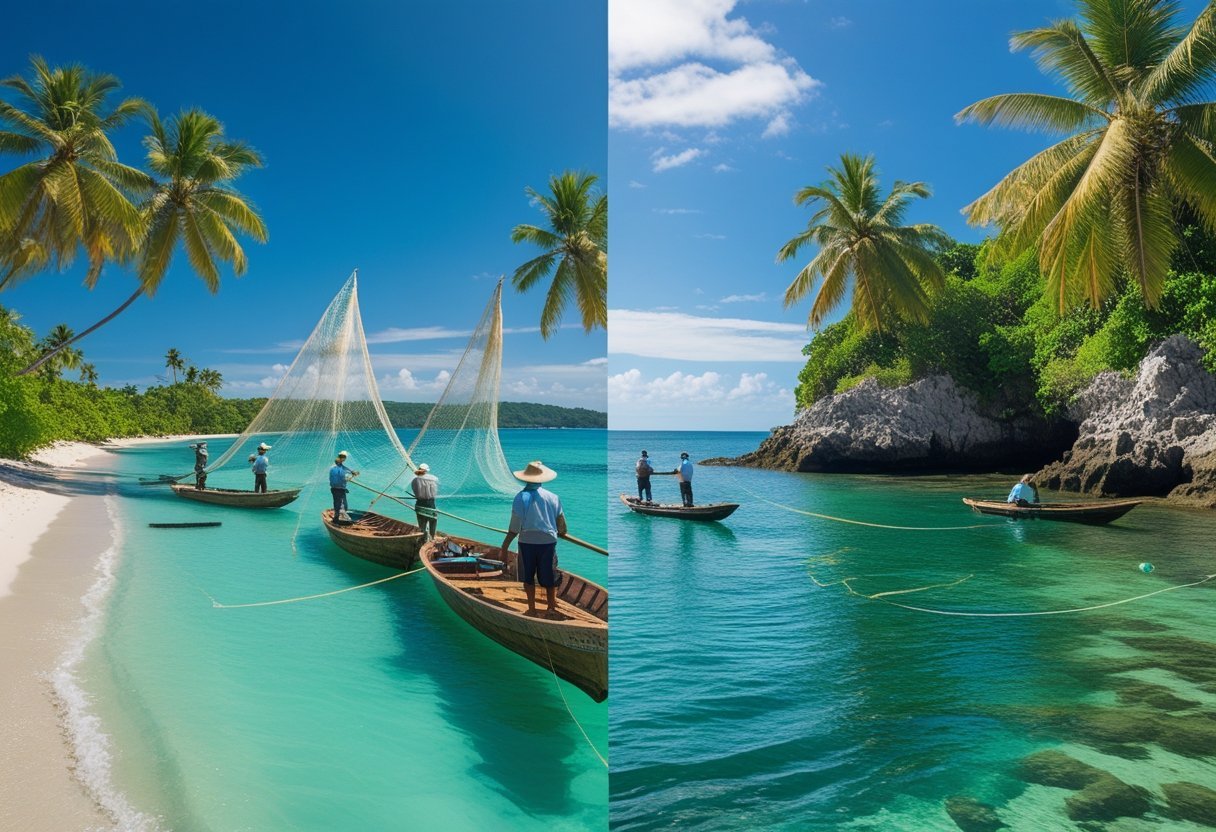
I focus on where and when specific species show up so you can pick the right region and month. Water temperature, wind, and local currents shape fish runs and the best techniques to use.
Pacific Coast Hotspots
I target roosterfish, cubera snapper, and yellowfin tuna along the Pacific coast, especially near rocky shorelines and river mouths. During the dry season (December–May), inshore watersare warm and calm, which boosts topwater action for roosterfish and jacks. Cubera snapper and snappers concentrate around reefs and structure year-round, but big winter tides often bring better jigging and live-bait opportunities.
Offshore, I look for tuna and billfish from late dry season into the early rainy months as bait schools move deeper. Wind patterns matter: calmer mornings favor popper fishing, and a light westerly breeze can improve surface strikes. For charter planning, book lodges near Panama’s Pacific hot spots to reduce transit time to productive grounds.
Caribbean Coast Opportunities
I fish the Caribbean coast for smaller but aggressive species: tarpon, snook, and jacks in estuaries and along mangrove shorelines. The Caribbean sees less seasonal swing than the Pacific, but rainfall and river runoff still affect water clarity and bait movement.
Tarpon runs peak in months when river flow moderates—often in the drier half of the year—making estuaries prime for sight fishing. I choose lighter tackle and focus on flats and channels at high tide. Offshore Caribbean waters hold mahi and migratory billfish; those are more patchy and depend on bait presence, so I watch local reports before committing to long trips.
Gulf of Chiriquí vs. Pearl Islands
I compare the Gulf of Chiriquí and the Pearl Islands by day range and species mix. The Gulf of Chiriquí (southwest Pacific) produces trophy yellowfin, sailfish, and large amberjack, with peak pelagic action from December through May. Strong tidal currents and upwellings near islands create bait-rich corridors that attract big game fish.
The Pearl Islands sit closer to central Panama fishing seasons and offer fast access to inshore roosterfish, dorado, and tuna. Dry-season mornings there give excellent topwater bite for roosterfish, while afternoons can favor deeper jigging for snapper and amberjack. I choose the Gulf for long-range tuna/sailfish trips and the Pearl Islands for mixed days with both inshore light-tackle action and quick offshore runs.
Types of Fishing Experiences by Season

I focus on which species, gear, and weather matter most for each type of trip. This helps you pick the right month, tackle, and guide for the fish you want.
Inshore and Offshore Fishing
I target roosterfish, snapper, and jacks inshore from January through May when the waters are warm and calm. I prefer light to medium spinning gear, 20–50 lb braid, and 30–60 lb leaders for rocky shoreline work and live bait rigs. Morning tides and low wind give the best sight fishing for roosterfish along rocky points and surf breaks.
Offshore near islands and drop-offs, I look for tuna and mahi from December to April. I use poppers and live bait for surface feeders, and medium-heavy rods with 30–50 lb test for structure fishing. I watch seasonal currents and bait schools; they often concentrate fish near upwellings and submerged ridges.
Deep-Sea Adventures
I plan deep-sea trips mainly in the dry season, December to April, for consistent blue marlin and yellowfin tuna action. I use heavy conventional tackle: 50–80 lb class rods, wire or heavy fluorocarbon leaders, and trolling spread patterns. I focus on the Gulf of Chiriquí and offshore seamounts where billfish and large tunas show up in predictable windows.
Trip length matters. I recommend full-day or multi-day charters for better odds at large pelagics. I check bait availability and sea state; calmer seas let me troll wider spreads and work baits deeper. If you want trophy fish, bring stout gear and plan for long fights.
Fly Fishing Opportunities
I fly fish primarily for smaller, sight-driven species like roosterfish, jacks, and snapper during the dry months. I use 9–10 weight rods for roosterfish and heavy 8–9 weight rods for large jacks, with floating lines and heavy leaders to handle sharp teeth and hard runs. I cast to the edges of reefs, rocky points, and sandy spits where fish cruise in shallow water.
Timing is specific: low to mid tide mornings often give the clearest sight opportunities. I carry a variety of streamers and bulky popper patterns to match local bait. Wading or skiff work both work well; wind and visibility decide which I choose on a given day.
Planning Your Panama Fishing Trip

I focus on the legal rules, charter choices, and gear prep that matter most for a safe and productive Panama trip. Read the key rules, pick the best charter style for your goals, and pack tackle and paperwork that match your target species and season.
Local Fishing Regulations
I check Panama’s fishing regulations before travel. Panama enforces size and bag limits for many species, seasonal closures for spawning, and protected areas where fishing is restricted. Carry a copy of local rules or bookmark official guidance on your phone.
I always confirm regulations for the exact region I’ll fish — for example, rules can differ between the Pacific coast, the Gulf of Panama, and the San Blas/Caribbean side. If targeting billfish, snapper, or grouper, ask the charter about any species-specific size limits or catch-and-release policies.
Required permits and licenses change periodically. I verify whether my charter will supply permits or if I must obtain a recreational license in advance. I also follow waste and anchoring rules to avoid fines and protect reef habitats.
Charter Options and Guides
I choose a charter based on the fish I want and the distance I’m willing to travel. Nearshore half-day charters work for roosterfish, snapper, and dorado close to the Pearl Islands. For offshore sailfish and marlin, I book full-day or multi-day boats that run 30–100+ miles and carry heavy tackle.
I check guide credentials, boat safety gear, insurance, and recent trip reports. Ask the operator for photos and names of species caught on similar dates last year. I prefer captains who offer both gear and local knowledge about currents, baits, and best times of day.
Compare pricing and inclusions: fuel, bait, licenses, and tips. I also confirm cancellation and weather policies. For remote islands or liveaboards, I book months ahead during peak seasons to secure dates.
Gear and Trip Preparation
I match my tackle to target species and season. Light to medium spinning or baitcasting outfits suit inshore roosterfish and snapper. For offshore tuna, marlin, and sailfish I bring 30–80 lb stand-up or deep-sea outfits and spare reels.
I pack essential tackle and spares: leaders, hooks, swivels, fluorocarbon for clear water, heavy wire for teethy fish, and an assortment of lures, jigs, and skirts. Bring fresh-line spools and tools: pliers, a dehooker, a lip-grip, and a quality fillet knife.
I prepare travel documents and health items. Bring a passport, any fishing license copies, proof of charter booking, sunscreen, motion-sickness meds, and a small first-aid kit. I also check local weather forecasts and tide charts the day before departure.
Travel Tips for an Unforgettable Panama Fishing Season

I focus on practical choices that save time and boost your catch rate. Bring gear for the target species, pick lodging near your launch, and plan travel around weather windows.
Accommodation and Transportation
I book lodges or charters that specialize in the species I want. For billfish or tuna trips out of Punta Chame or Isla Montuosa, I choose beachfront lodges with on-site skiffs and cold storage. For freshwater trips to Gatun Lake or the Chagres, I prefer small guesthouses near the marina to cut transfer time.
I check transfer details before I book. Many lodges include airport shuttles from Panama City (Albrook/Panama City Airport) or Tocumen; others require a 4×4 or boat transfer. I confirm departure times, luggage limits, and fuel surcharges.
Packing list highlights:
- Valid passport, copies, and printed booking confirmations.
- Rods, reels, spare lines, leader material, and a compact tackle roll.
- Electronics: charger, power bank, and a waterproof phone case.
- Lightweight rain jacket, sunshirt, hat, polarized sunglasses, and reef-safe sunscreen.
I communicate special requests (night fishing, live bait) to my captain ahead of time. That avoids wasted time and ensures boats arrive with the right gear and bait.
Health and Safety Considerations
I get the recommended vaccines and bring a small medical kit. Routine vaccines should be current; consider Hepatitis A and typhoid if you eat local food often. I pack prescription meds in original bottles and a copy of my prescriptions.
I practice sun and sea safety. I wear a life jacket on small skiffs and choose non-slip shoes. I use broad-spectrum sunscreen and reapply every two hours, especially when wet. I carry oral rehydration salts and drink bottled or treated water.
I prepare for seasickness and minor injuries. I bring motion-sickness tablets, waterproof bandages, antiseptic wipes, and a basic suture kit only if I’m trained to use it. For remote trips, I verify emergency evacuation plans and check that the boat has a working VHF radio and first-aid trained crew.
Frequently Asked Questions
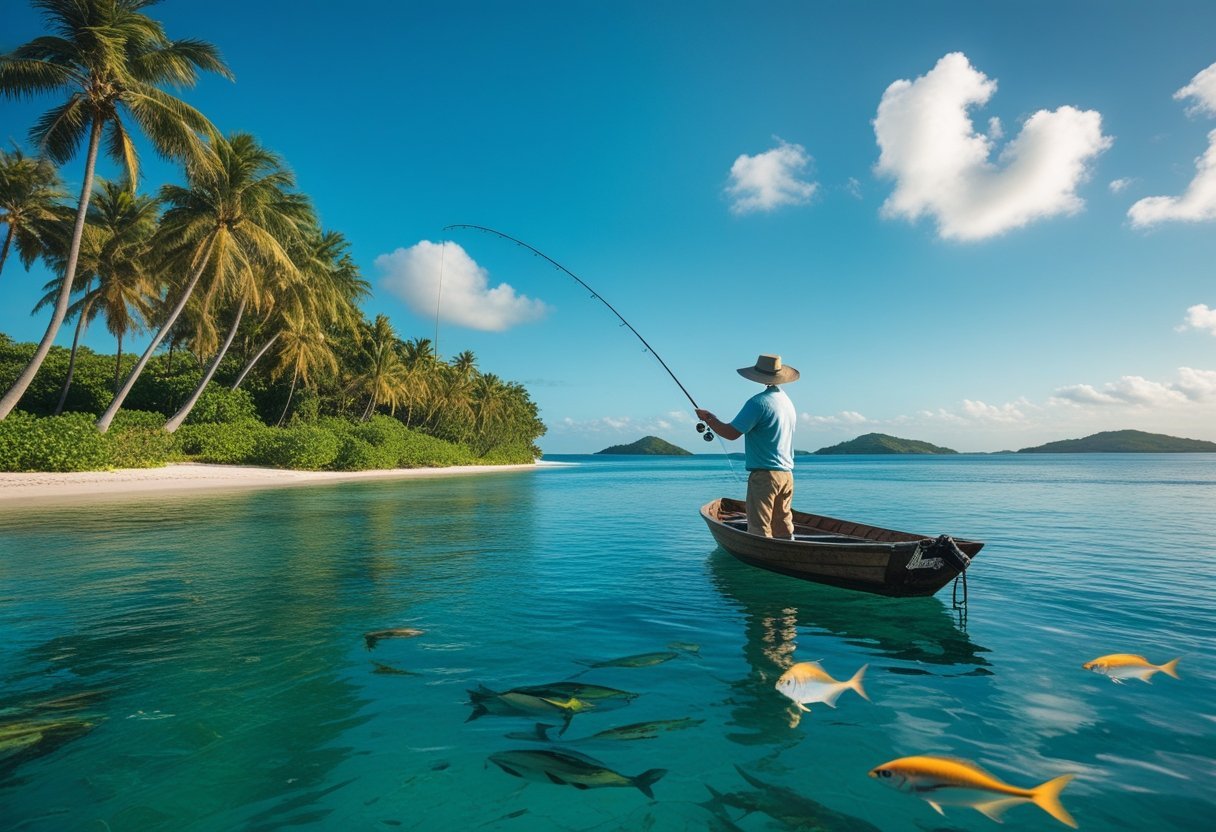
I give short, specific answers about timing for key Panama fishing seasons, catches, and the weather to expect. Each item states the months or season you should plan for and what influences catch rates.
What are the peak months for marlin fishing in Panama?
I find peak marlin action runs from December through April along the Pacific coast. Sailfish and blue marlin are often strongest in the Gulf of Chiriquí and offshore grounds during those months.
Is there a particular season for tuna fishing in Panama waters?
Tuna, especially yellowfin, are most abundant from January to May in many offshore banks. I recommend trips in the dry season for calmer seas and better access to tuna hotspots.
During which months can I expect the best sailfish catches in Panama?
Sailfish bite best from December through April on the Pacific side. I target early morning and late afternoon during those months for the highest hook rates.
What time of year offers the most abundant dorado fishing in Panama?
Dorado (mahi-mahi) peaks from March through July around floating debris and current lines. I look for warmer water pockets and weed lines in that window to find schools.
When is the best season to fish for inshore species like roosterfish and snapper in Panama?
Roosterfish and inshore snapper do well year-round, but my best trips happen in the dry season from December to May. Lower runoff then clears coastal water and improves visibility for live bait and topwater techniques.
What weather conditions should I be prepared for when planning a fishing trip in Panama?
Expect two main seasons: dry (mid-December to May) with less rain, calmer seas, and more sunny days, and rainy (May to November) with heavier afternoon showers and rougher offshore conditions. I pack sun protection, light rain gear, and seasickness remedies depending on the month and targeted grounds.