


The 10 Most Famous Tourist Attractions in Panama

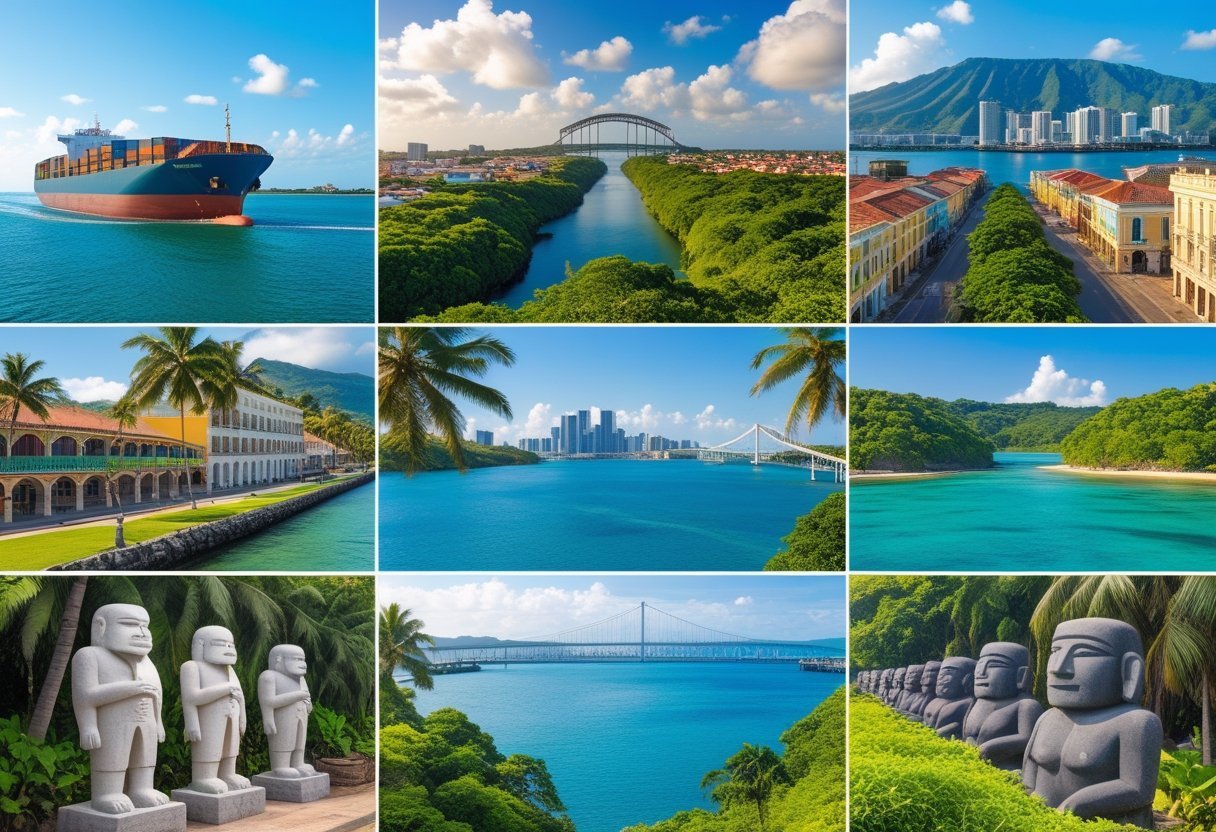
You want clear, exciting reasons to visit Panama and a short map of what makes it unforgettable. I will guide you through the country’s top attractions—from the engineering wonder of the Panama Canal to the colonial charm of Casco Viejo, the Caribbean beaches of Bocas del Toro and San Blas, the cool highlands of Boquete, and even green escapes inside Panama City—so you can pick the places that match your travel style. If you want the ten most famous attractions in Panama and what makes each worth your time, this article gives you that straight away.
I’ll show what to expect at each site, how they differ, and why they matter culturally and naturally. Expect practical highlights of must-see spots and quick tips to plan your visit so you can decide where to go next.
The Panama Canal: Engineering Marvel and Icon
I visit the Panama Canal to see how world trade, history, and big machines meet in one place. I focus on how the canal was built, what to see at Miraflores, and how to watch ships pass.
History and Construction of the Canal
I trace the canal’s history from the early French attempts in the 1880s to the U.S. completion in 1914. Engineers used a lock-and-lake design instead of a sea-level canal to cross the continental divide, creating Gatún Lake by damming the Chagres River. This decision reduced excavation but required massive lock chambers to lift ships 26 meters between the ocean and the lake.
Tropical diseases and landslides cost many lives and delay work. I note major improvements: concrete locks, electric locomotives (mules) to guide ships, and modern drainage and slope stabilization. The 2016 expansion added larger locks to fit today’s bigger ships, increasing capacity and changing shipping routes worldwide.
Miraflores Visitor Center Highlights
Miraflores sits near Panama City and offers the most accessible viewing for visitors. I find tiered observation terraces that let visitors watch ships enter and leave the Miraflores Locks. Large viewing windows and timed transit displays explain lock operations and show the precise choreography of water filling and gate movement.
The center includes a museum with historical photos, scale models, and short films that explain how the canal works and its role in global trade. I recommend arriving early for peak ship traffic and checking the viewing schedule. The center also has a café and gift shop, which makes it easy to plan a two- to three-hour visit.
Experiencing Canal Transits
I advise booking a transit-viewing tour or taking a boat trip for a closer look at ships moving through the locks. From observation terraces, you can see tugs, pilots, and the electric locomotives guiding vessels. On a canal cruise, you experience lock fills, gate openings, and the slow lift or drop inside the chambers.
Practical tips I use: bring a zoom lens or binoculars, confirm ship schedules (big cargo ships and cruise liners pass at predictable times), and dress for sun and occasional spray. For a more complete visit, combine Miraflores with the Agua Clara or Expansion Observation Center to see the larger, new locks and different canal operations.
See more visitor details and tips at the CNN guide to visiting the Panama Canal: The Panama Canal is an engineering marvel. Here’s how to visit (https://www.cnn.com/travel/visiting-panama-canal-history-strategies).
Casco Viejo: Exploring Panama City’s Historic District
I walk through Casco Viejo for its mix of old stone streets, restored mansions, and lively rooftops. The area shows Panama’s history through buildings, plazas, and food scenes that draw both tourists and locals.
Colonial Architecture and Landmarks
I focus on the district’s colonial-era buildings and defensive walls. You can see Spanish and French influences in facades, ornate balconies, and arched doorways. Key landmarks include the remains of the original city walls and several restored mansions that now house museums, government offices, and boutique hotels.
I look for preserved details like carved wooden doors and ironwork balconies. Many buildings were rebuilt after 1671 and again during renovation waves in the 1990s and 2000s. If you want a compact list of must-see exteriors:
- Palacio Bolívar (government building with classic columns)
- Restored mansions along Calle 10 and Plaza Herrera
- Portions of the old city wall and coastal viewpoints
Bring a camera. The textures and colors make for clear, straightforward photos that show why Casco Viejo ranks as a top attraction in Panama.
Notable Plazas and Churches
I visit plazas first because they anchor neighborhood life. Plaza de la Independencia (Plaza Mayor) sits next to the Metropolitan Cathedral, a large white church with twin towers. Small squares like Plaza Herrera host vendors and local events, making them good stops for people-watching.
Churches mix baroque and neoclassical styles. The Metropolitan Cathedral offers a solemn interior and a visible bell tower. Nearby are small chapels tucked down alleys that show colonial religious art and tile work. For mapping your walk:
- Plaza de la Independencia — central meeting point
- Metropolitan Cathedral — main historic church
- Plaza Herrera — lively, often with food stalls
These plazas and churches help me understand daily life in Casco Viejo and why the area remains an important attraction in Panama.
Dining and Nightlife in Casco Viejo
I eat and drink across a range of spots, from street snacks to upscale rooftop bars. Casco Viejo has a growing food scene that blends Panamanian seafood, international cuisine, and modern twists on local dishes. You’ll find ceviche, grilled fish, and coffee from nearby highland regions on many menus.
For nightlife, rooftops and small music venues dominate. Popular rooftop bars offer skyline views and cocktails. Nightspots often host live bands, DJs, and salsa nights. Practical tips:
- Try ceviche at a casual eatery for a quick local meal.
- Reserve rooftop tables on weekends—space fills fast.
- Check event flyers in plazas for live music nights.
Dining and nightlife make Casco Viejo a top attraction in Panama for both daytime culture and after-dark energy.
Bocas del Toro Archipelago: Pristine Caribbean Beauty
I found a mix of calm beaches, coral reefs, rainforest wildlife, and Afro-Caribbean food across the islands. Small boats and short hikes make most highlights easy to reach from Bocas Town.
Beaches and Water Activities
I swim at Red Frog Beach on Isla Bastimentos when I want white sand and steady surf. Isla Colón offers calmer bays like Bluff Beach for snorkeling and paddleboarding. I book half-day boat trips that stop at coral gardens near Hospital Point, where I see parrotfish and brain coral within arm’s reach.
Surfing draws me to the breaks at Isla Carenero and Wizard Beach; some days, the waves match intermediate and advanced riders. For guided snorkeling or diving, I choose operators who use mooring buoys to protect reefs. I always pack reef-safe sunscreen and a reef map to know where seagrass beds and shallow corals lie.
Practical tips:
- Expect short boat rides (10–40 minutes) between islands.
- Bring cash; some beach vendors don’t take cards.
- Check tide times for snorkeling and safe swimming.
Wildlife and Nature Tours
I take guided rainforest walks on Bastimentos National Marine Park to see sloths, red frogs, and howler monkeys. Local guides point out endemic plants and explain mangrove nursery roles for fish and lobsters. I prefer early morning tours when wildlife is most active, and the humidity is lower.
For marine life, I join boat tours to the Zapatilla Cays and offshore coral patches to spot hawksbill turtles and reef sharks from a safe distance. Night walks reveal crickets, tree frogs, and sleeping birds. Guides focus on low-impact viewing and keep groups small to limit disturbance.
What to expect on tours:
- Binoculars and water shoes help a lot.
- Tours usually include park fees and a short hike.
- Respect wildlife: no feeding or touching.
Local Culture and Cuisines
I eat at family-run sodas and seaside shacks in Bocas Town to taste coconut rice, fried fish, and plantain-based dishes with Afro-Caribbean spice. Street vendors sell fresh ceviche and grilled lobsters when in season. I choose places that display fresh catch and open kitchens for clearer hygiene.
Music and crafts reflect mixed Indigenous, Afro-Caribbean, and mestizo influences. I visit artisan stalls for handwoven hats and wood carvings, and I listen to live reggae or calypso nights at small bars near the water. When I want a deeper food experience, I join a cooking demo to learn recipes for escovitch-style fish and coconut sauces.
Cultural notes:
- Many businesses close briefly for midday rest.
- Tipping is appreciated but not always expected.
- Practice basic Spanish or some Ngäbere phrases to connect with locals.
San Blas Islands: Indigenous Culture and Paradise Beaches

I describe how the Guna people live, which islands to visit, and how to travel with respect for the environment and local rules. Expect details on community visits, boat tours, snorkeling spots, and tips for low-impact travel.
Visiting the Guna Yala Community
I arrive by motorboat or small plane to reach the Guna Yala comarca, where the Guna people manage the islands. I follow local rules: ask before taking photos of people, remove shoes when entering homes if invited, and avoid trading plastic items that harm the community economy. I usually carry small bills for the mandatory tourist fee and for buying handcrafted molas, fresh fish, or coconut water directly from families.
I prefer staying in family-run cabañas on islands like Isla Perro or Isla Diablo to support the community. These stays let me learn Guna customs, watch mola stitching, and join simple communal meals. I always check with hosts about sanitary facilities and bring biodegradable sunscreen and water purification tablets to reduce impact.
Island Hopping Experiences
I plan island-hopping trips that start from Cartí or from Panama City day tours to visit several small cays in one trip. Popular stops include beaches with white sand, shallow lagoons for calm swimming, and reefs for snorkeling. I look for operators who limit group size and follow marine-protection rules to reduce reef damage.
I pack a dry bag, reef-safe sunscreen, snorkel gear, and a light towel. On many islands, there are no shops, so I bring snacks, drinking water, and cash. I book trips that include a local guide who points out coral beds, seagrass, and common fish species, and who enforces no-touch policies for corals and turtles.
Eco-Friendly Tourism
I choose operators and lodgings that use solar power, proper waste disposal, and minimal plastic. I avoid single-use plastics, carry a refillable water bottle, and take all trash back to the mainland when required. I use reef-safe sunscreen and avoid walking on reefs or collecting shells.
I support Guna businesses by buying molas and paying fair rates for homestays and guides. I also ask hosts about community projects or conservation fees so my visit benefits local education or reef protection. When I report problems, I do so to the operator or community leaders rather than posting unchecked complaints online.
Boquete: Panoramic Highlands and Adventure
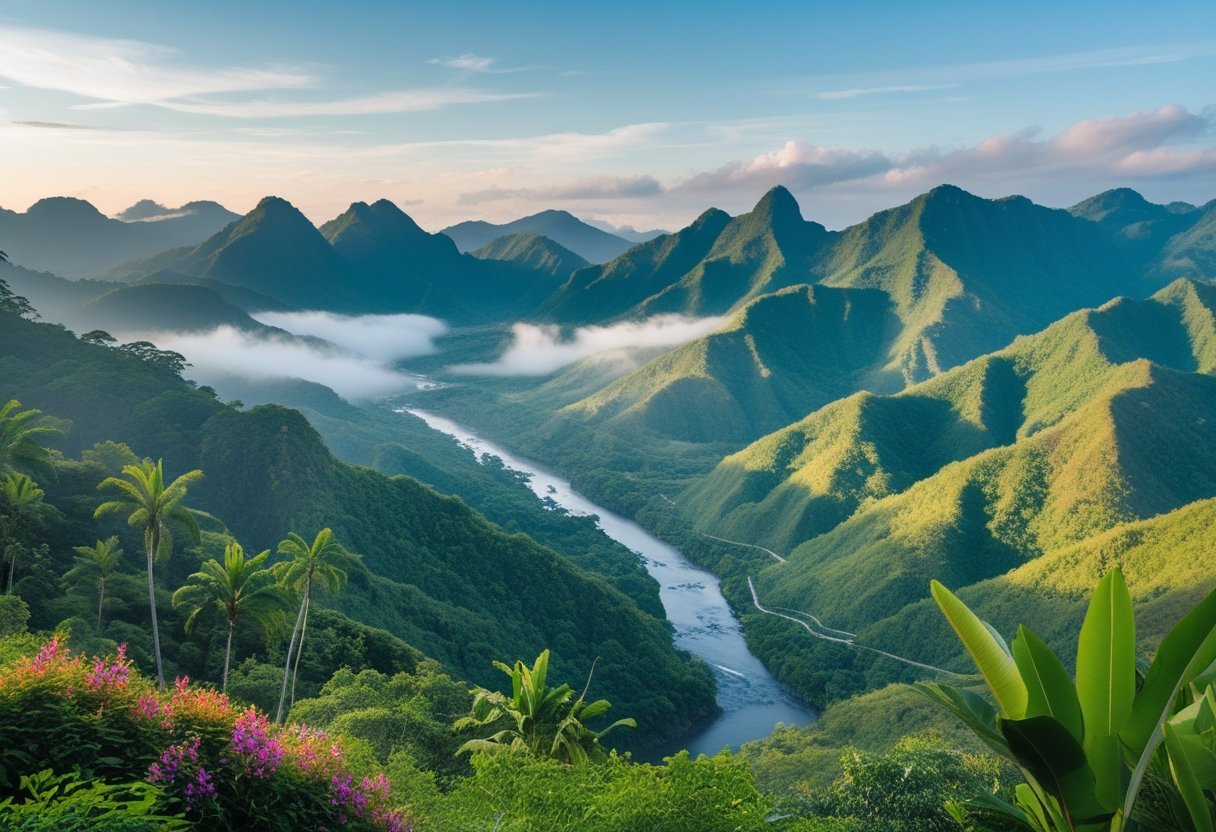
I find Boquete’s cool mountain climate, coffee farms, and steep volcano trails make it a top spot for outdoor fans and coffee lovers. The town blends easy day trips with multi-day treks and guided experiences that suit different energy levels.
Volcán Barú and Hiking Trails
I climbed parts of Volcán Barú and know why hikers aim for the summit at sunrise. The main route starts near the town and often takes 8–12 hours round-trip if done in one day. Many hikers split it into two days, camping near the crater to catch the view of both the Pacific and Atlantic coasts at dawn.
Trails vary from well-marked paths to rougher mountain tracks. I recommend bringing warm clothes, a headlamp, and plenty of water. Local guides handle logistics, navigation, and weather checks, which I found useful on foggy mornings. For casual walks, trails in cloud forest areas offer shorter loop hikes with birdwatching chances and cooler temperatures.
Coffee Plantation Tours
I toured a few coffee estates and saw how Boquete’s altitude and cool nights create bright, floral coffee flavors. Tours usually show the whole process: seedling beds, shaded farms, hand-picking, wet milling, and drying patios. Many farms let visitors taste multiple roasts and buy freshly roasted beans on site.
Guides explain how microclimates affect taste and point out varietals like Geisha and Caturra. I suggest booking a small-group or private tour so you can sample brews and ask about sustainable farming. Some farms also include short walks through the plantation, giving a close look at the trees and the terrain that shapes the coffee’s profile.
Adventure Sports in Boquete
I tried zip-lining, white-water rafting, and hanging-bridge canopy walks while in Boquete. Zip-line courses cross deep valleys and give fast, clear views of the forest canopy. Operators use safety briefings and harness systems; I checked credentials and equipment before I went.
Rafting runs on nearby rivers range from Class II to IV, letting me pick a calmer half-day float or a full-day adrenaline trip. Canopy walkways offer steadier thrills and great birding opportunities. For any activity, I book licensed operators, confirm group size limits, and pack dry bags, sturdy shoes, and layered clothing for quick weather changes.
Metropolitan Natural Park: Nature Within the City

I find a quiet forested hill within Panama City that feels far from traffic and concrete. The park packs tropical trees, wildlife, and lookout points into a small area, so a short visit can deliver big sights.
Wildlife Spotting Opportunities
I often spot mammals like white-tailed deer and agoutis near the trails’ edges, especially in the early morning or late afternoon. Small mammals are shy; move slowly and keep noise low to improve sightings. I have also seen two- and three-fingered sloths hanging in the canopy; they blend in, so scan slowly with your eyes.
Reptiles and amphibians appear near moist areas after rain. I carry binoculars and a camera with a zoom lens to document animals without approaching them. Park staff and trail signs point out common animal locations, which helps me focus my search.
Scenic Walking Trails
I use the park’s well-marked loop that links the Nature Trail and Tití Monkey Trail for a solid 60–90 minute hike. The trails vary from packed dirt to rocky switchbacks, so I wear sturdy shoes and bring water. A paved scenic road also runs through the park for an easier walk or a short drive.
Along the loop, I climb to the main mirador (lookout) about 150 meters above the city. The view shows the skyline, the bay, and parts of the Panama Canal. Trail maps at the entrance help me pick shorter or longer routes based on time and fitness.
Birdwatching in the Park
I count more than 250 bird species recorded here, so birding is rewarding even on short visits. Common sightings include toucans, tanagers, and various hummingbirds near flowering shrubs. I focus on early morning hours when birds are most active and vocal.
I bring a compact field guide and use quiet observation points along trails. The park’s mix of dry and humid forest creates different bird zones, so I check both low understory areas and higher canopy edges. Recording calls on my phone helps with later identification.
Other Must-See Attractions Across Panama
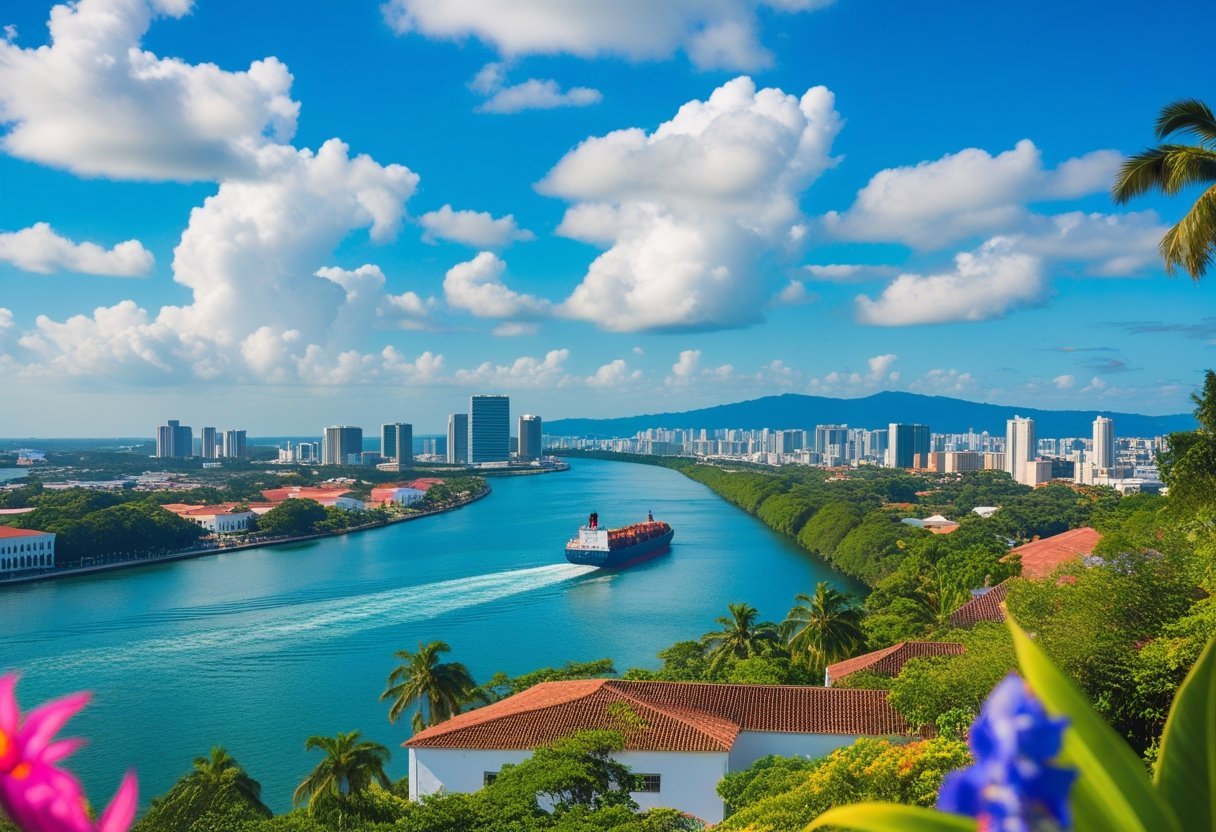
I highlight three distinct attractions in Panama that show the country’s nature, history, and islands. Each place offers a clear experience: vivid biodiversity, colonial forts, and quiet beaches with wildlife.
Biomuseo: Panama’s Biodiversity Museum
I visit the Biomuseo to see how Panama shaped life across the Americas. The building’s bright, angular design by Frank Gehry stands out on Amador Causeway, and the exhibits explain how the land bridge formed 3 million years ago. Interactive displays show species migration, island biogeography, and Panama’s role as a corridor for plants and animals.
Practical notes I share: buy tickets ahead of time at the museum desk or online to avoid lines. Allow 1.5–2 hours to move through galleries at a steady pace. The museum is family-friendly with hands-on exhibits for kids, plus outdoor viewpoints of the canal entrance and skyline.
Portobelo: Historic Caribbean Forts
I walk the cobblestone streets of Portobelo to trace Spain’s colonial trade routes. The town preserves forts like San Lorenzo and Santiago, built to guard treasure fleets. Walls, cannons, and small museums give a clear picture of 17th-century defenses and the town’s strategic role on the Caribbean coast.
When I visit, I plan for a few hours to tour forts and the Iglesia de San Felipe, which holds colonial relics and black Christ statues venerated during local festivals. Boat trips from Colón or drives from Panama City are common ways to reach Portobelo. Wear sturdy shoes for uneven stone paths and bring water; shade is limited near the ruins.
Pearl Islands: Secluded Beaches and Marine Life
I choose the Pearl Islands when I want calm waters, snorkeling, and marine wildlife. Located in the Gulf of Panama, the archipelago offers small private islands, sandy coves, and clear bays where dolphins and humpback whales appear seasonally. Isla Contadora and Isla Saboga are the most visited for beaches, guesthouses, and short hikes.
Ferry and charter flights connect the islands from Panama City or the nearby mainland. I recommend snorkeling gear, reef-safe sunscreen, and checking boat schedules in advance. Island accommodations range from budget cabins to mid-range inns, so I book lodging early in high season.
Frequently Asked Questions

I list the most visited sites, parks, and cultural spots, and I point to where you can see historic forts, cloud forests, coral islands, and busy city neighborhoods. I also note which places suit families, first-time visitors, and travelers seeking unique local experiences.
What are the top historical sites to visit in Panama?
I recommend Casco Viejo in Panama City for colonial architecture, plazas, and museums.
I also suggest the Panama Canal Museum and the Miraflores Locks visitor center to learn about the canal’s history and engineering.
Which natural landmarks are a must-see for travelers in Panama?
I tell visitors to see the Panama Canal’s Gatun Lake and the surrounding tropical forest for wildlife viewing.
I advise a trip to the highland town of Boquete for cloud-forest hiking and coffee tours, and to the San Blas Islands for clear water and coral reefs.
For a mix of jungle and river wildlife near the city, I point to Soberanía National Park.
Can you list the most popular cultural attractions in Panama?
I highlight Casco Viejo again for museums, local restaurants, and art galleries.
I include the indigenous Guna Yala (San Blas) communities to experience traditional crafts and culture.
I recommend visiting local markets in Panama City for Panamanian food, silverwork, and mola textile displays.
What are the best Panamanian destinations for first-time visitors?
I suggest Panama City for its skyline, historic quarter, and the Miraflores Locks at the Panama Canal.
I add a short trip to the nearby Amador Causeway for ocean views and museums like the Biomuseo.
I recommend Bocas del Toro or the San Blas Islands for a straightforward beach or island experience.
Which family-friendly attractions should one include in a Panama travel itinerary?
I recommend the Miraflores Locks visitor center for kid-friendly canal demonstrations and boat-watching.
I suggest the Amador Causeway for cycling and seaside dining that suits all ages.
I also point to the Biomuseo and accessible nature trails in Soberanía National Park for wildlife spotting.
What unique experiences do Panama’s tourist spots offer?
I note boat trips through the Panama Canal and close views of ships passing the locks.
I mention coffee farm tours and birdwatching in Boquete as hands-on nature experiences.
I also point to Guna Yala island visits for cultural exchange and snorkeling over healthy coral reefs.