


Panama Canal, Panama
Welcome to the Panama Canal section of PanamaVIP. I’m María Elena Castillo, and in this category, I’m sharing everything I’ve learned, experienced, and discovered about one of the world’s most iconic engineering marvels.
Whether you’re visiting Panama for the first time, planning a day trip, or simply fascinated by the Canal’s history and impact, I’ll guide you through the places worth seeing, the stories behind them, and the moments that make the Canal truly unforgettable.
What This Section Covers
In this category, you’ll find guides and insights on everything related to the Panama Canal, including



Hi, I am María Elena Castillo
María Elena Castillo is a Panamanian travel writer and cultural enthusiast based in Panama City. With over a decade of exploring the vibrant streets, undiscovered natural gems, and dynamic investment landscapes of Panama, María brings authentic local insight to PanamaVIP’s audience. She has a background in journalism and tourism, specializing in storytelling that bridges the gap between travelers looking for the perfect getaway and investors seeking opportunities in this diverse and rapidly evolving country.

Panama Canal Recent Posts
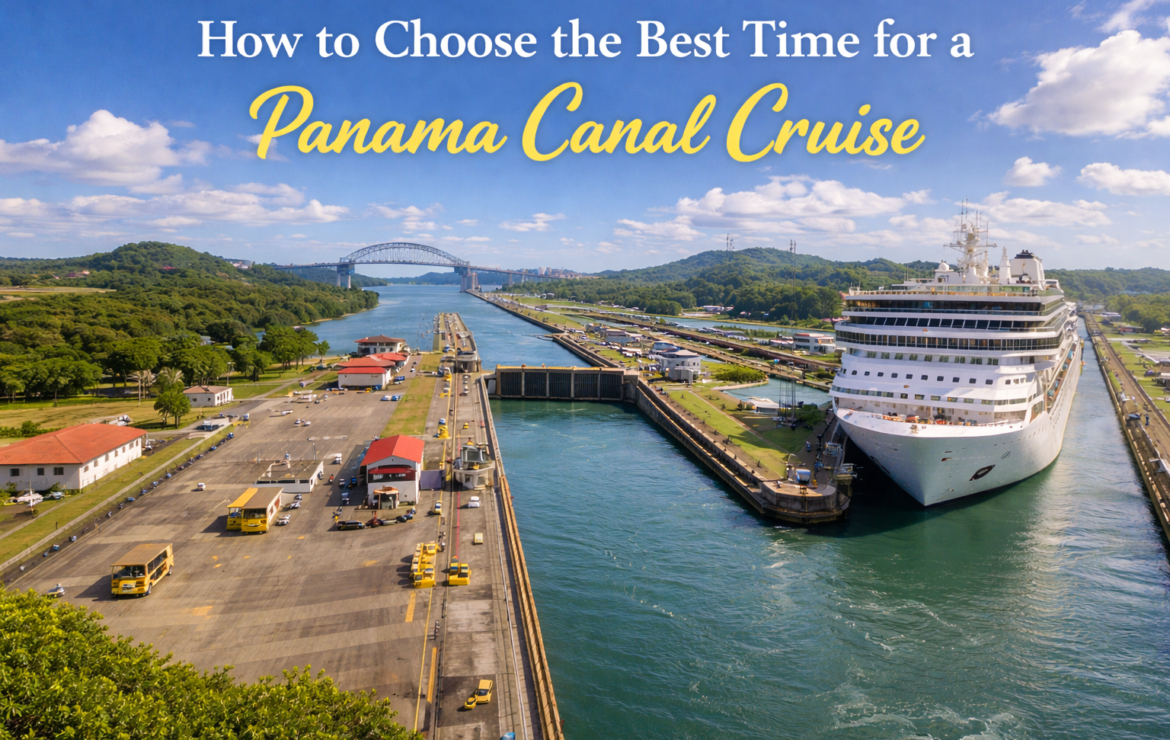
How to Choose the Best Time for a Panama Canal Cruise
- by María Elena Castillo
- February 17, 2026
- 0
- 106
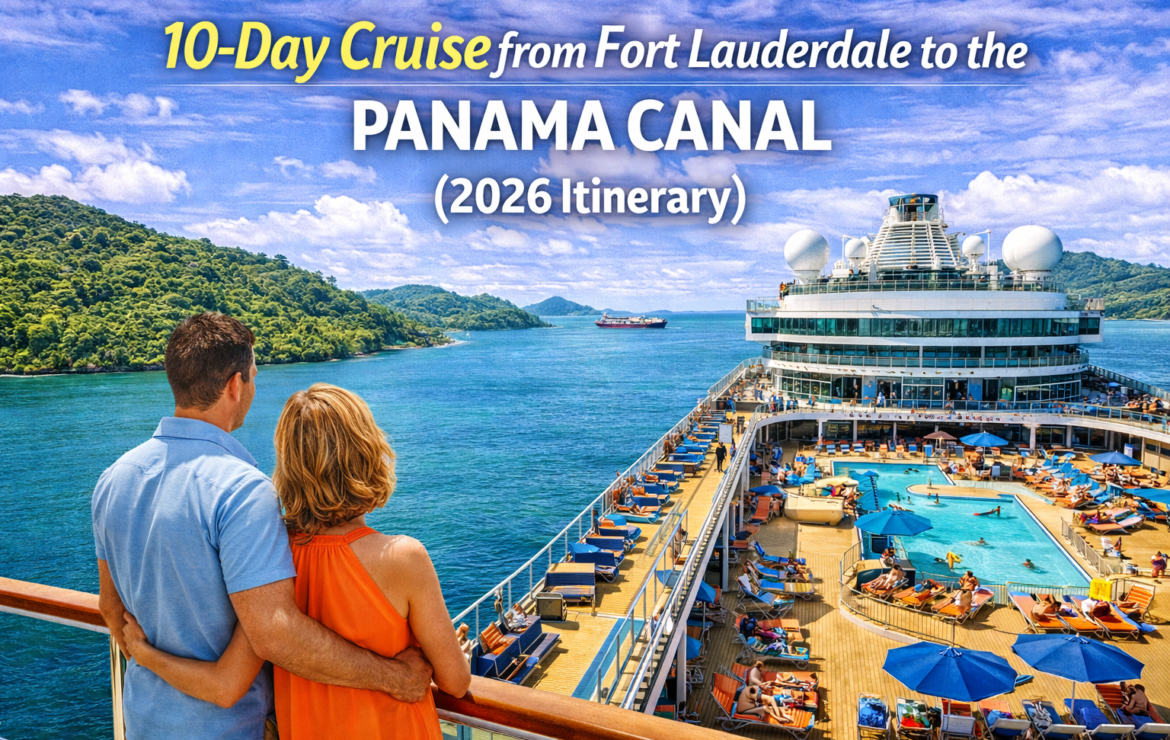
10-Day Cruise from Fort Lauderdale to the Panama Canal (2026 Itinerary)
- by María Elena Castillo
- February 10, 2026
- 0
- 106
7 Best Vacations at Panama Canal Beach (2026)
- by María Elena Castillo
- February 5, 2026
- 0
- 106
Top 10 Panama Canal Restaurants & Buffets
- by María Elena Castillo
- February 5, 2026
- 0
- 106


Panama Canal: A Local Guide to an Engineering Wonder
When I think about the Panama Canal, I don’t picture maps or trade routes first. I picture the moments. I picture standing by the railing at Miraflores Locks, feeling the warm air on my face while a massive ship rises beside me like it weighs nothing at all. I picture the soft rumble of the gates, the fresh smell of the water, and the feeling that something important is happening right in front of me.
I grew up in Panama City, so the canal has always felt close. But even after all these years, I still feel a spark of pride every time I visit. The canal is part of our identity and part of our daily life. It connects oceans, countries, and people, yet it also feels personal to those of us who live near it. In this guide, I want to share what the canal means to me and show you what it’s like to experience it up close.
Understanding the Panama Canal
The Panama Canal is about 50 miles long and stretches across the narrowest point of the Americas. It links the Pacific Ocean to the Atlantic Ocean in a way that changed global trade forever. But the canal is not one straight channel. Instead, it works like an elevator system for ships.
The waterway uses large chambers called locks to raise and lower vessels. Ships enter the locks at sea level. Then freshwater from Gatun Lake fills the chambers to lift the ships up to the level of the lake. After they cross the lake, the locks on the other side lower them back down. The whole process feels slow and calm, but the scale behind it is enormous.
Every time I watch the water move inside the chambers, I’m reminded that the canal runs on gravity, timing, and precision. It’s a simple idea controlled by complex engineering. That mix is what makes it so fascinating.
More than 13,000 ships pass through the canal each year. They carry goods that touch almost every part of our lives. Yet when you’re standing there, the experience feels peaceful. The ships glide in and out of the locks as if they’ve done it a thousand times, which, in most cases, they have.
The Main Features of the Canal
To understand the canal from a visitor’s point of view, it helps to know the major parts that make up the system. Each one has its own personality and story.
Miraflores Locks
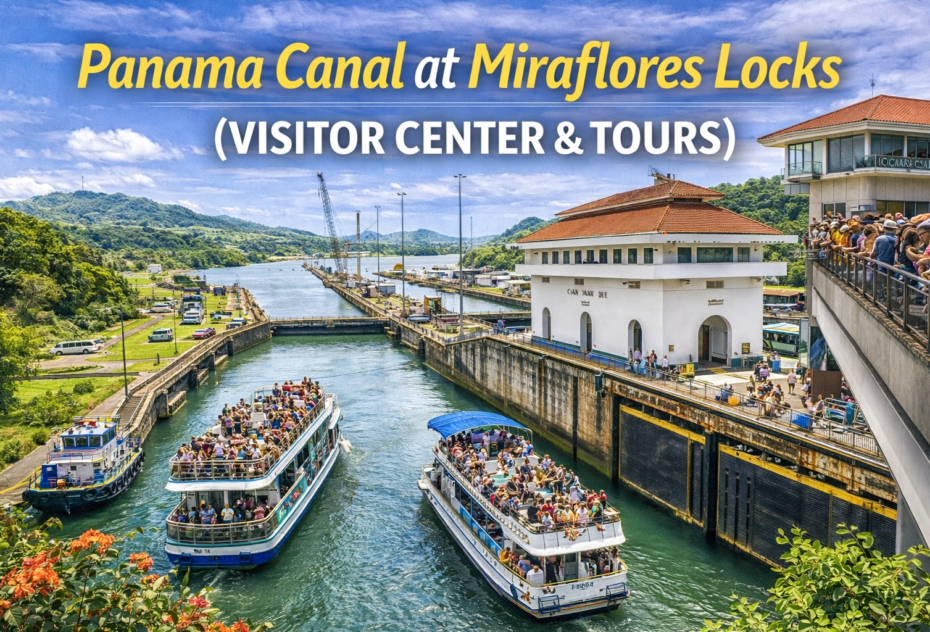
Most travelers start at Miraflores Locks, just outside Panama City. This is usually where I take friends who are visiting for the first time. The viewing platforms sit close to the action, so you can watch the chambers fill and empty as ships move through. When a large vessel rises beside you, it feels almost unreal. The slow movement, the hum of the machinery, and the splash of the water create a scene that sticks with you.
At Miraflores, you can also learn how the gates operate and how the canal manages its water. You see the drama of the process without feeling overwhelmed by technical details. It is the perfect blend of learning and watching.
Pedro Miguel Locks
A short distance from Miraflores are the Pedro Miguel Locks, the single-step locks that connect the Pacific side to the interior section of the canal. Pedro Miguel feels quieter than Miraflores. The pace is steady, and the surroundings feel more natural. This area leads into the narrowest and most dramatic stretch of the canal.
Gatun Locks
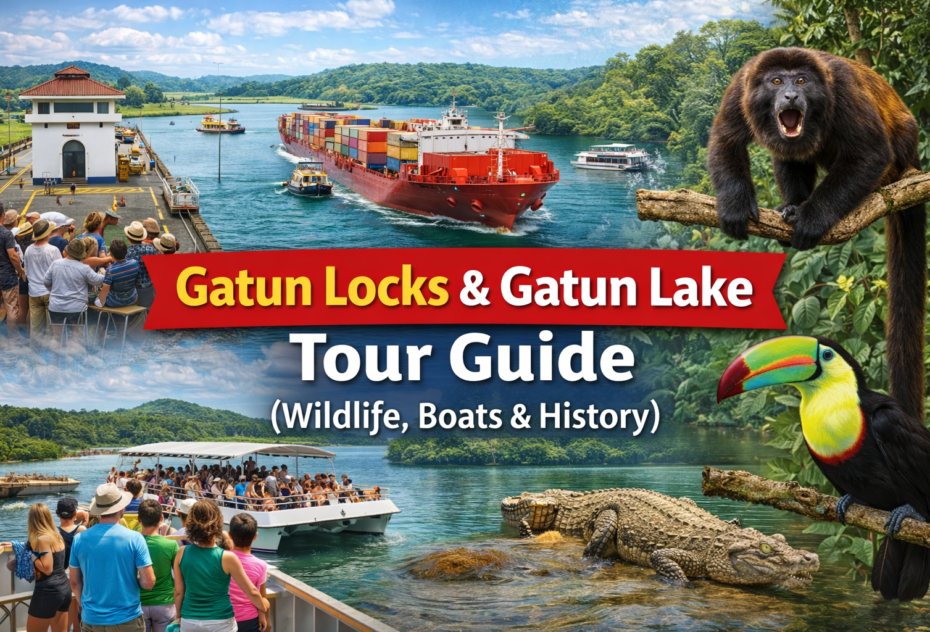
On the Atlantic side, the Gatun Locks perform a three-step lift or drop, depending on the direction of the ship. These locks sit near the city of Colón, and they have a different atmosphere. The Caribbean breeze rolls through, and the wider landscape gives you a sense of how big the canal really is. Watching a ship move through all three levels feels like watching a giant climb a staircase.
Agua Clara Locks
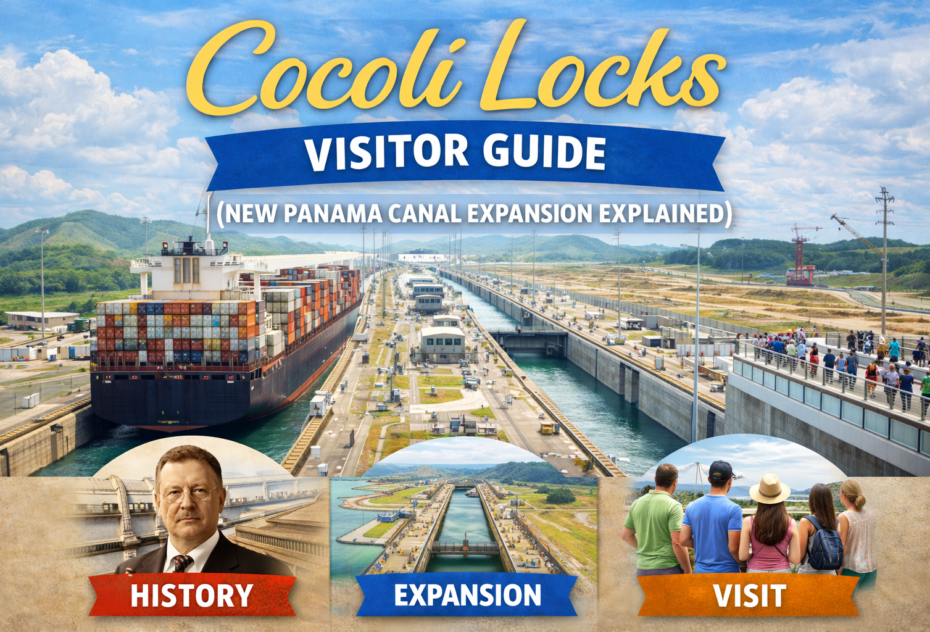
Not far from Gatun, the Agua Clara Locks offer a look at the modern chapter of the canal. These locks are part of a larger expansion that allowed much bigger ships to pass through. When you see a vessel that towers above the viewing platform, you understand how global shipping has grown and how the canal has adapted to match it.
Gatun Lake
Once you understand the locks, you start to understand the importance of Gatun Lake. This huge artificial lake sits at the center of the canal. It is calm, wide, and surrounded by thick rainforest. Ships travel across the lake as they move between the locks, creating one of the quietest and most beautiful parts of the journey.
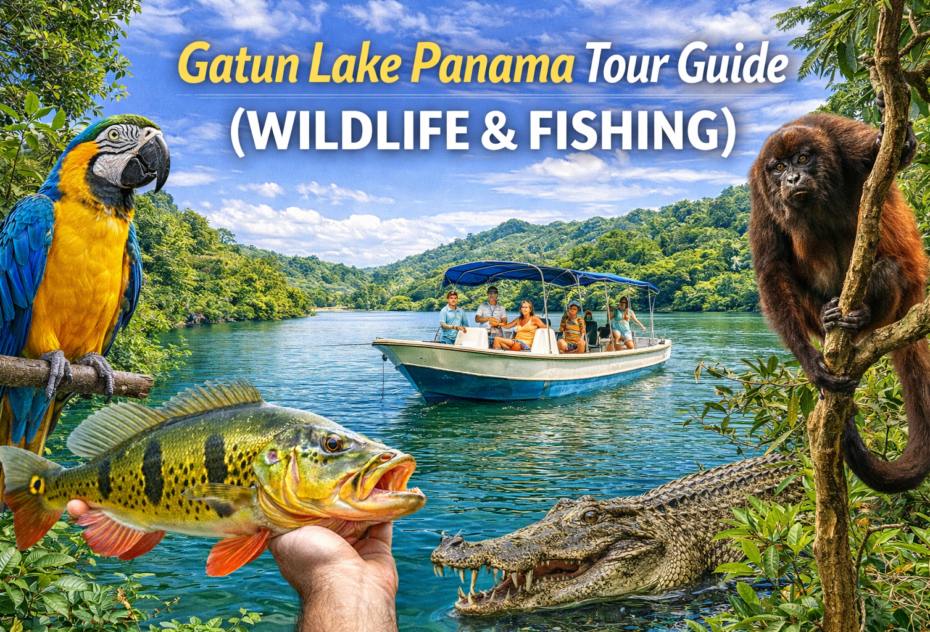
Gatun Lake also supplies the freshwater needed to operate the locks. When you look across the still surface, it’s hard to imagine the lake as a giant reservoir, but that’s exactly what it is. The lake also provides habitat for wildlife. If you take a boat tour here, you might see monkeys, sloths, iguanas, and a wide range of birds.
Culebra Cut
Between Gatun Lake and the Pacific-side locks sits the Culebra Cut, one of the most impressive sections of the canal. This deep, narrow channel cuts through a mountain ridge. During construction, this area caused endless trouble—landslides, rain, and shifting earth slowed work and put lives at risk.
When you pass through the Culebra Cut by boat, the steep walls rise above you and create a powerful sense of scale. Even from a lookout point, the view tells the story of human struggle and determination. The cut is still one of the most iconic parts of the canal.
A Brief History of the Canal
Growing up in Panama, I learned the history of the canal in school, but visiting the places where these events happened makes the story feel more real. The canal has passed through many hands and faced enormous challenges.
The French Attempt
The first large attempt to build a canal here began in the 1880s under French leadership. They tried to build a sea-level canal, but they underestimated the climate and the landscape. Heavy rainfall, disease, and landslides overwhelmed their efforts. After years of struggle and thousands of deaths, the project collapsed.
What remains from that time is a mix of ambition and tragedy. The story reminds you that the canal wasn’t just an engineering problem. It was a human one.
The American Era
In 1904, the United States took over the project. Their engineers changed the design to the lock-and-lake system we know today. They also launched major public health campaigns to fight yellow fever and malaria. That made the work safer and more predictable.
By 1914, the canal opened to the world. Ships could now cross between oceans in a matter of hours instead of weeks. The impact on trade and travel was immediate and enormous.
Panamanian Control
For many decades, the United States controlled the canal and a large area around it known as the Canal Zone. This shaped Panama socially, politically, and culturally. In 1999, Panama took full control of the canal. I remember the pride people felt at that moment. The canal had always run through our land, but finally, it felt like it truly belonged to us.
Today, the Panama Canal is run by the Panama Canal Authority, and it remains one of the most important economic engines in the country.
Experiencing the Canal Through Tours
Watching the canal from a viewing deck is amazing, but getting onto the water gives you a different kind of thrill. I’ve taken several types of canal tours, and each one has its own flavor.
Partial Transit Tours
A partial transit takes you through a section of the canal, usually through Miraflores Locks and into the Culebra Cut. Your boat enters the chamber, the gates close behind you, and the water starts to rise. You feel the movement under your feet as the chamber fills. It’s slow and gentle, but the experience stays with you.
Sailing through the cut is another highlight. The steep walls on both sides make the boat feel tiny, and the mix of water and rock creates a dramatic scene.
Full Transit Tours
A full transit takes you the entire length of the canal from ocean to ocean. You pass through all the locks, cross Gatun Lake, and glide through the Culebra Cut before reaching the other side. It’s a long day, but it gives you a deeper understanding of the canal’s scale and rhythm.
The pace is slow and steady. You have plenty of time to take photos, enjoy the breeze, and watch the crew guide the boat. It’s a trip I recommend if you want the complete canal experience.
Gatun Lake Tours
If you prefer nature over engineering, you might choose a boat tour on Gatun Lake. These tours take you close to the islands and the forested shoreline. You can spot wildlife almost everywhere you look.
I’ve taken these tours several times, and each time feels different. One day you might see a family of monkeys leaping through the trees. Another day you might catch a sloth curled up on a branch. The lake has a quiet beauty that balances the industrial side of the canal.
Museums and Cultural Spots
If you want to learn more about the canal’s past, Panama City has several great museums. My favorite sits in Casco Viejo, the historic district. The building itself is beautiful, and the exhibits dive into the early French attempt, the American construction period, and Panama’s path to control.
The museum at Miraflores Locks focuses more on how the locks work and how the canal operates today. Families enjoy the scale models and interactive displays. Both museums help you understand the canal’s human story and its role in shaping modern Panama.
How the Canal Works Today
Even after more than a century of operation, the canal continues to evolve. Ships have grown larger, and global trade keeps shifting. The canal must adapt to those changes.
The original locks handle ships known as Panamax vessels. The newer locks at Agua Clara and on the Pacific side handle much larger ships. Watching these giants glide into the chambers is a reminder of how far shipping has come.
Water levels, rainfall patterns, and lake management all play a role in daily operations. The canal relies on freshwater from Gatun Lake, so rainfall matters. When water runs low, the canal must adjust schedules and ship sizes. When rainfall is strong, the lake fills and the system flows more easily.
The balance between nature and engineering defines the canal’s modern life.
Practical Tips for Visiting
If you plan to visit the canal, here are a few tips from someone who has spent many afternoons watching ships pass by.
Wear light clothing. The humidity can feel heavy, especially in the afternoon.
Bring water and sunscreen. The viewing decks at Miraflores Locks are often sunny.
Arrive early if you can. Mornings are cooler, and the viewing areas feel calmer.
Plan for traffic. The roads near the locks can slow down during busy times.
Take your time. The canal moves at its own pace, and that’s part of the charm.
When to Visit
Panama has two main seasons. The dry season runs from December to April. These months offer clear skies and plenty of sunshine, making them ideal for outdoor visits.
The rainy season runs from May to November. Rain usually comes in short bursts rather than all day. I actually love visiting during this time because the rainforest around the canal looks bright and fresh. The afternoon showers can feel refreshing rather than bothersome.
Anytime you visit, you’ll find something memorable to see.
Places to Explore Near the Canal
The areas surrounding the canal are full of beautiful and interesting spots. The Amador Causeway stretches into the Pacific and offers views of the ocean, the city, and the canal entrance. It’s a great place for walking, biking, or grabbing a meal by the water.
If you head toward the interior, you’ll reach Gamboa, a quiet town near the rainforest. This area gives you access to hiking trails, birdwatching tours, and river trips. The wildlife here is incredible, and the pace feels slower than in the city.
On the Atlantic side, near Colón, you can ride the historic Panama Canal Railway, which follows the canal’s path. The journey takes you past forest, lake, and open water, giving you a different perspective on the canal’s geography.
Why the Canal Still Matters
For visitors, the canal is an engineering marvel. For us Panamanians, it is a symbol of resilience, sacrifice, and pride. The canal shaped our nation in ways that are still visible today. It brought workers from all over the world to Panama, and their culture blended with ours. Their stories live in our food, our music, and our neighborhoods.
When I stand on the viewing deck at Miraflores Locks or sail across Gatun Lake, I feel connected to the people who built and sustained this place. The canal is more than a shortcut between two oceans. It is a living story that continues to grow.
If you ever come to Panama City, you might find me leaning on a railing somewhere along the waterway, watching another ship rise slowly into the bright Panamanian sun.