


Is Panama Safe for Tourists? (Safety Tips & Travel Advice)
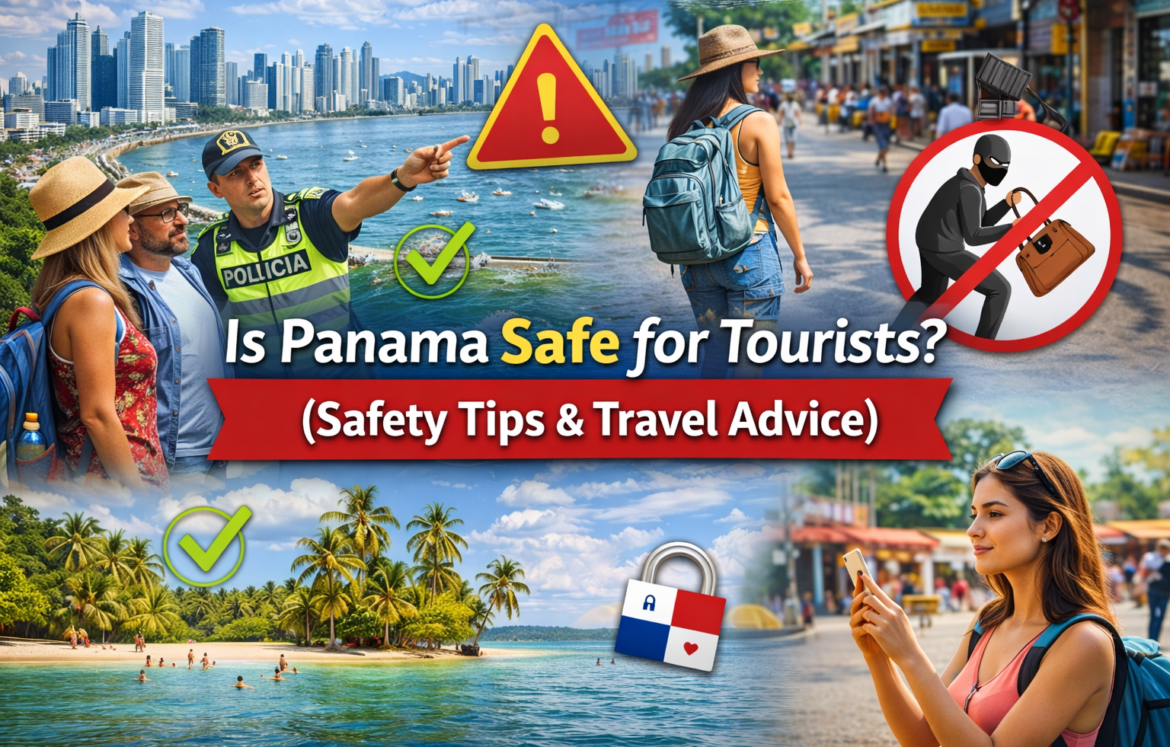
You can travel to Panama with confidence if you use common sense and stay aware of your surroundings. Panama’s main tourist areas are generally safe for visitors, but petty crime and occasional scams do occur, so modest precautions will keep your trip smooth and enjoyable.

I’ll walk you through what to watch for, how to avoid common risks, and practical tips for getting around safely. You’ll learn quick rules for money, transportation, health, and local customs that help you relax and make smart choices while exploring.
Key Takeaways
- Use simple precautions to avoid petty crime and scams.
- Choose secure transport and stay aware in busy places.
- Carry basic health and emergency contacts and respect local customs.
Is Panama Safe for Tourists?
I find Panama generally safe for visitors who take common-sense precautions. Urban areas have the most petty crime, while many coastal and tourist zones remain calm and well-patrolled.
Current Safety Overview
I rely on recent reports and local guidance to assess risk. In Panama City and Colón, pickpocketing and bag snatching occur, especially on public transit and in crowded markets. I keep valuables out of sight, use a money belt, and avoid empty streets at night.
Tourist areas like Casco Viejo, the Amador Causeway, and popular resort islands see fewer violent crimes. I still watch for opportunistic theft near beaches and bus stations. Violent crime tends to be concentrated in specific neighborhoods outside tourist zones, so I check local maps or ask hotel staff before exploring.
Health-wise, I note standard travel vaccines and tap water safety vary by region. I drink bottled water in rural areas and use insect repellent in jungle zones to prevent mosquito-borne illness.
Travel Advisory Information
Government advisories rate Panama at a medium or “exercise increased caution” level for crime. I review the U.S. State Department travel advisory for Is Panama Safe for up-to-date guidance on risky areas and entry rules. For Canadian and UK advice, I check their travel pages before travel plans.
I register with my embassy when staying long-term and keep digital copies of my passport. Travel advisories also stress avoiding demonstrations and known high-crime districts. I follow local law enforcement advice and carry a photocopy of my ID rather than the original when possible.
Recent Changes in Safety Conditions
I watch for seasonal crime shifts and changes after major events. Tourist areas can see petty theft spikes during festivals, cruise ship arrivals, and holiday weekends. I plan activities during daylight hours on busy days and limit carrying cash when ports report high passenger volumes.
Border and immigration enforcement sometimes tighten; I note rules requiring exits to renew tourist stays. I also track local crime reports and hotel notices for any neighborhood alerts. When I see reports of rising incidents in a zone, I alter my route and rely on hotel staff to suggest safe alternatives.
Useful link: check the Panama Travel Advisory for official updates.
Crime in Panama
I focus on the most common risks tourists face, where those risks happen, and what numbers say about incidents involving visitors. Read each part to learn how to protect yourself and where to be extra careful.
Common Types of Crime
I see petty theft as the top risk for travelers. Pickpocketing and bag snatches happen in markets, buses, and busy streets in Panama City and Colón. Always keep wallets in front pockets and use a zippered bag.
I also warn about street muggings and occasional home break-ins. These are more likely at night and in poorly lit areas. Avoid showing jewelry, large amounts of cash, or expensive cameras in public.
Scams target tourists around transit hubs and tourist sites. Common tactics include overcharging, fake taxis, and distraction techniques. Insist on using official taxi apps or metered cabs and confirm fares before you ride.
Areas to Avoid
I avoid parts of Colón after dark due to higher levels of violent crime reported there. The Panama Canal Zone tourist areas and Casco Viejo are generally safe, but I still stay alert in crowded plazas and nightlife streets.
In Panama City, neighborhoods like El Chorrillo and parts of San Miguelito have higher crime rates, especially at night. I choose hotels in Bella Vista, Obarrio, or Punta Paitilla for better security and more police presence.
Remote border areas near Darién Province are risky because of limited police, the presence of organized crime, and rough terrain. I do not travel there without a licensed guide and advance planning.
Crime Statistics for Tourists
U.S. and other consular warnings note frequent petty theft and occasional violent incidents involving foreigners. The U.S. travel advisory lists theft and residential break-ins as common problems in Panama; embassy reports spike during holiday seasons when residents travel.
Local travel safety sites and guides rate Is Panama Safe as medium risk overall, but emphasize that most tourist areas remain safe with common-sense precautions. For specifics, World Nomads and TravelSafe-Abroad offer practical tips on crime patterns and personal safety.
I track trends: petty theft is steady, violent crime affecting tourists is less common, but not zero. I recommend carrying copies of important documents, registering with your embassy if possible, and reporting incidents to local police and your embassy right away.
Tips for Staying Safe in Panama
I focus on clear, practical steps you can take every day to reduce risk. Pay attention to where you go, who you trust, and how you carry your money and documents.
Personal Security Advice
I stay in well-reviewed hotels in neighborhoods like Casco Viejo, Obarrio, or Boquete to reduce risks. I avoid walking alone at night in poorly lit streets, and I use registered taxis or rideshare apps after dark.
I keep a copy of my passport and a digital photo on my phone, and I leave the original in my hotel safe when possible. I carry only the cash and cards I need for the day and split them between a hidden money belt and a small day wallet.
I blend in with locals: I avoid flashy jewelry, loud cameras, and showing large amounts of cash. If someone tries to distract me in a market or on public transport, I step away and seek a vendor or uniformed staff.
I learn a few Spanish phrases for emergencies and directions. That helps me ask for help quickly and shows I’m aware of my surroundings.
How to Handle Emergencies
I note local emergency numbers as soon as I arrive and program them into my phone. Panama’s general emergency number is 911 for police, fire, and medical services.
If I’m robbed or assaulted, I prioritize getting to a safe place and contacting the police rather than chasing the thief. I record details: time, location, descriptions, and any vehicle plate numbers.
For medical issues, I use private hospitals in Panama City or David for serious care and bring travel insurance with evacuation coverage. I keep a small first-aid kit and any prescription meds in their original packaging.
If my passport is lost or stolen, I contact my embassy immediately, and I have digital copies ready to speed up any emergency travel documents.
Protecting Valuables While Traveling
I secure valuables inside a hotel safe and only carry what I need for the day. I avoid carrying passports, expensive electronics, and all my credit cards when exploring.
I use anti-theft bags with locking zippers and a money belt under my clothes for cash and cards. I keep one backup payment method hidden separately from my daily wallet.
I photograph important documents and the contents of my luggage before I travel. Those images help with police reports and insurance claims if items are lost or stolen.
When using ATMs, I choose machines inside banks or malls and cover the keypad. I monitor card activity daily and set alerts with my bank to catch suspicious charges fast.
Safe Transportation Options

I focus on choices that cut risk: pick licensed drivers, avoid empty or poorly lit stops at night, and keep valuables out of sight. I also check fares and routes before I get in and share my trip details with someone I trust.
Using Taxis and Ride-Sharing Apps
I use registered radio taxis or the major ride-share apps in Panama City to reduce fraud risk. When I hail a taxi, I look for a visible driver ID and a meter; I refuse rides without them. For apps, I confirm the car model, license plate, and driver photo before I get in.
I pay with the app when possible to avoid cash handling. If I must use cash, I prepare small bills and count change in view. At night, I ask the driver to wait until I’m in a well-lit, busy spot before I exit.
I avoid unofficial offers from people approaching me on the street. For airport transfers, I book through my hotel or the official airport taxi booths to guarantee a fixed fare.
Public Transportation Safety
I treat buses and the Metro as cost-effective options in Panama City, but I stay alert for pickpockets during busy hours. I keep bags zipped and worn in front when trains and buses get crowded. I use the Metro during daytime and rush hours when trains run frequently, and stations are staffed.
I avoid empty buses at night and skip isolated stops. For long-distance intercity buses, I choose reputable companies that display schedules, have assigned seating, and store luggage securely under the bus. I take photos of my ticket and the bus number.
I watch for official markings and timetables at terminals. If something feels off, I move toward station staff or other travelers rather than confronting anyone.
Driving and Road Conditions
I rent cars from recognized international agencies and inspect the vehicle for damage and working lights before I leave the lot. I always carry my license, passport copy, and rental agreement. I buy basic insurance that covers third-party damage.
I expect narrow, uneven roads outside major cities and watch for potholes, farm vehicles, and pedestrian traffic. I avoid driving at night on rural highways where signage and lighting are poor. I follow local speed limits and use common-sense spacing in heavy rain or on mountain roads.
If I break down, I stop in a well-lit area and call the rental company or local emergency numbers. I avoid accepting help from strangers unless I can confirm official assistance.
Health and Medical Safety
I focus on the health steps that keep me safe: vaccines, where to get care, and how to avoid food- and water‑borne illness. Pack basic medicines, confirm insurance coverage, and know emergency numbers before you go.
Recommended Vaccinations
I get routine shots before travel, including measles-mumps-rubella (MMR), tetanus-diphtheria, and influenza if seasonal. These protect against common infections that can spread in crowded places.
For Panama, I check for hepatitis A and typhoid vaccines because food and water exposure is possible outside major hotels. If I plan outdoor or jungle travel, I consider yellow fever vaccination—especially if coming from a country that requires an entry certificate. I also talk with my doctor about hepatitis B if I might need medical care, dental work, or sex with a new partner.
I visit a travel clinic at least 4–6 weeks before departure to update vaccines and get personalized advice. I bring my immunization record and any vaccine certificates.
Access to Medical Services
I identify hospitals and clinics near where I’ll stay. Panama City has modern private hospitals with English‑speaking staff and emergency care. Outside the capital, medical facilities may be basic or hours-limited.
I carry travel insurance that covers evacuation to Panama City or my home country if needed. I keep important documents—policy number, local emergency contacts, and a copy of my passport—stored digitally and on paper.
For urgent issues, I call local emergency services or go to a private clinic. I also locate 24/7 pharmacies in advance because many common medicines require prescriptions or may not be stocked in rural areas.
Food and Water Safety
I avoid tap water in most places and use sealed bottled water for drinking, brushing teeth, and making ice. I look for reliable bottled brands and check seals before opening.
I choose cooked food served hot and avoid raw shellfish, street salads, and unpeeled fruits unless I wash them with purified water. When eating at street stalls, I pick busy vendors where turnover is high and food is freshly prepared.
I bring a basic diarrhea kit: oral rehydration salts, loperamide, and an antibiotic prescribed by my doctor for severe cases. I practice regular handwashing or use hand sanitizer after handling money or public surfaces.
Natural Hazards and Environmental Risks
I focus on the hazards most likely to affect travelers: heavy rain and heat, disease-carrying insects and wild animals, and rough or remote terrain that can slow travel and injure people.
Weather-Related Concerns
Is Panama Safe has a wet season (May–December) with heavy downpours and a dry season (January–April) that is hotter and sunnier. I watch local forecasts and avoid low-lying coastal areas during heavy rains because flash flooding can close roads and flood hotels and beaches.
When storms approach, I allow extra travel time. I check domestic flight and ferry updates; cancellations are common in storms. I carry quick-dry clothes and a lightweight rain jacket, plus waterproof covers for electronics. Coastal areas can get strong sun year-round, so I use SPF 30+, a hat, and drink extra water to prevent heat exhaustion.
Wildlife and Insect Precautions
Mosquitoes spread dengue, Zika, and chikungunya in parts of Panama. I use EPA‑registered insect repellent (DEET, picaridin, or IR3535) and wear long sleeves and pants at dawn and dusk. I sleep under treated mosquito nets if staying in rural cabins or jungle lodges.
I avoid touching or feeding wildlife. Jaguars, snakes, and caiman are rare near tourist areas but exist in parks and the Darién. On trails, I stay on marked paths, make noise to warn animals, and give wildlife plenty of space. For marine safety, I check local signs about jellyfish or strong currents and heed lifeguard guidance.
Dealing with the Terrain
Road quality varies widely. I expect well-paved highways near Panama City and busy tourist spots, but rural roads can be unpaved, narrow, and washed out after rain. I choose a high-clearance vehicle for remote travel and avoid night driving outside cities.
Hiking ranges from easy boardwalks to steep jungle trails. I carry a basic first-aid kit, enough water for the planned hike, and a map or GPS. In rainforest areas, I wear sturdy shoes with ankle support and use trekking poles if the trail is steep or slippery. If I plan remote excursions, I register my route with local guides or lodge staff and carry a charged phone and portable battery.
Best Practices for Solo Travelers
I focus on practical steps that reduce risk and make travel easier. I cover how to stay visible, protect belongings, and meet other travelers safely.
Safety Tips for Women
I choose well-reviewed, female-friendly accommodations in neighborhoods with good lighting and active foot traffic. I check recent reviews for mentions of staff helpfulness and security features like 24-hour reception or locks. I avoid walking alone at night; if I must, I use a registered taxi app or arrange a hotel shuttle.
I keep copies of my passport and emergency contacts in a locked luggage pocket and a cloud drive. I carry a slim crossbody bag with a zipper and wear it in front in crowded places to deter pickpockets. I learn a few Spanish phrases for emergencies and know the local emergency number.
I dress to blend in and respect local customs to reduce unwanted attention. I trust my instincts—if a situation feels wrong, I leave and seek a public, busy place. I let a friend or family member know my daily plans and share my live location when possible.
Connecting with Other Travelers
I use reputable platforms and hostel common areas to meet people. I pick hostels with social events, join small group tours, or attend local language exchanges to connect in safe settings. I check recent reviews for cleanliness and traveler demographics.
When I meet someone new, I arrange to meet in public places and tell my accommodation staff or a friend where I’m going. I avoid sharing my room key or exact accommodation address until I trust the person. I use video calls before meetings if something feels uncertain.
I set boundaries about drinking, money, and personal items. I split costs in public, track shared expenses on a phone app, and keep valuables locked. If plans change suddenly, I confirm details and keep my own transport arranged so I can leave independently.
Cultural Considerations and Local Laws
I focus on practical steps you can take to show respect, avoid trouble, and follow rules while visiting is Panama Safe. Pay attention to dress, greetings, and official ID rules to keep interactions smooth and legal.
Behavioral Etiquette
I greet people with a light handshake or a single cheek kiss if invited, especially in social or family settings. Use polite phrases like “por favor” and “gracias”; Spanish helps, but simple English usually works in tourist areas.
I avoid loud or confrontational behavior in public. Panamanians value calm and respectful conversation. Don’t point at people, and keep your voice moderate on public transport and in restaurants.
I dress modestly when visiting churches and rural communities. Swimwear belongs at the beach; cover up in towns. When photographing people, always ask permission first, especially in Indigenous communities.
I carry a copy of my passport and leave the original locked in a safe when possible. Keep small bills and coins ready for taxis and markets to avoid fumbling or bargaining in public.
Important Legal Regulations
I always carry official ID when I’m in public; police can ask for it. Tourists should keep a photocopy of their passport and the page with the stamp or entry permit to show if needed.
I do not use or carry illegal drugs. Penalties are severe for possession and trafficking, with long jail sentences. Avoid involvement in any drug-related activity, even if someone offers money.
I follow local traffic and alcohol laws. If I rent a car, I obey speed limits and always wear a seatbelt. Drinking and driving carries strict penalties, and police checkpoints can occur near cities and tourist spots.
I respect protected areas and wildlife rules. Fines apply for removing plants, shells, or disturbing animals, especially in national parks and Indigenous territories. When in doubt, ask park staff or guides for the rules.
Emergency Contacts and Useful Resources
I list the most important phone numbers, embassy contacts, and local help services you should save before and during travel. Keep digital and paper copies, and tell a trusted person your plan.
Key Emergency Numbers
- General emergency (all services): 911. I call 911 for police, ambulance, or fire in Panama City and most urban areas.
- National Police (non-emergency): 104. Use this for reports that aren’t life‑threatening.
- Medical emergency/ambulance: Dial 911 and ask for an ambulance; confirm your exact address or landmark.
- Tourist police (Turismo): I contact local tourist police in popular areas if I need safety help, directions, or to report scams.
- Private ambulance and hospitals: I look up the nearest private hospital phone when I arrive—major hospitals in Panama City include Punta Pacifica and Santo Tomás.
- Local embassy/consulate: I save my country’s embassy phone and address before travel. For U.S. travelers, the U.S. Embassy in Panama provides emergency assistance and can be reached through the U.S. State Department contact info.
Keep numbers both in your phone and on paper. Program ICE (In Case of Emergency) contacts and share your itinerary with family.
Local Support Services for Tourists
I rely on a few local services when I need help beyond emergency calls.
- Embassy or consulate help: I contact my embassy for lost passports, arrests, or major legal troubles. Embassies can advise on local lawyers and replacement travel documents.
- Travel insurance hotline: I call my insurer first for medical evacuations, hospital approvals, or claim guidance. They often coordinate payments and transport.
- Hotel or tour operator contact: I keep the front desk and tour operator numbers handy for local assistance and trusted transport referrals.
- 24/7 taxi or rideshare apps: I use registered taxi services or apps rather than hailing at night. Ask your hotel to book a driver if unsure.
- Local NGOs and expat groups: When needed, I reach out to community groups for language help, local advice, or non‑urgent support.
Store all contacts with labels (embassy, insurer, hotel) and test numbers on arrival.
Frequently Asked Questions
I focus on clear, practical advice you can use right away. I cover common crime risks, medical steps, risky regions, solo-traveler precautions, public transport tips, and how to handle petty theft.
What are the top safety concerns for tourists visiting Panama?
Petty theft—pickpocketing and purse snatching—happens in crowded markets, buses, and tourist sites. I keep valuables hidden and use a money belt or inside zip pocket.
Nighttime street crime rises in poorly lit areas and some nightlife districts. I avoid walking alone after dark and take taxis or rideshares from reliable companies.
Scams and bag theft at bus terminals are common. I confirm fares, watch my bags, and only use official ticket counters.
How should tourists handle healthcare and medical emergencies in Panama?
Carry travel insurance that covers medical evacuation and hospital stays. I check policy limits and carry a printed copy of emergency contacts.
Public hospitals in Panama City can handle emergencies, but private clinics offer faster service and English-speaking staff. I note the nearest private clinic to my accommodation.
Bring prescriptions in original packaging and a basic first-aid kit. I include medications for stomach upset, pain relief, and any personal prescriptions.
Are there any regions in Panama that are considered unsafe for travelers?
Remote border areas near Colombia and parts of Darién Province are unsafe for casual travel due to crime and limited services. I avoid independent trips into the Darién Gap.
Some Panama City neighborhoods have higher crime rates after dark. I stick to well-known districts like Casco Viejo and Amador and ask my hotel about local safety.
Rural areas can lack reliable emergency services and cell coverage. I plan transport, share my itinerary, and carry extra water and supplies when traveling off-grid.
What precautions should solo travelers take when exploring Panama?
Blend in with locals and avoid flashy jewelry or expensive cameras. I dress modestly and carry only what I need for the day.
Share your itinerary with someone and check in regularly. I use my phone to send location updates and set meeting points when exploring.
Use registered tours for hiking and jungle trips. I never go alone into dense jungle or unmarked trails.
Can you provide safety tips for using public transportation in Panama?
Keep small bills ready and avoid displaying large amounts of cash. I pay fares discreetly and keep change in an inner pocket.
Watch your belongings on buses and in crowded terminals. I position my bag against my body and zip all compartments.
Prefer daytime travel when possible and use official bus lines or registered shuttle services. I confirm schedules beforehand and arrive early at terminals.
What are the recommended actions for dealing with petty crime in Panama?
If someone tries to steal from you, prioritize your safety and let go of valuables if threatened. I avoid resisting and move to a crowded area.
Report the incident to local police and get a report for insurance claims. I note the location, time, and any witness information.
Cancel lost cards and lock down accounts quickly. I contact my bank and use app features to freeze cards or change passwords.