



Flags at Panama City Beach: Meanings, Safety Tips & Swimming Rules (2026)

Panama City Beach is one of Florida’s most popular coastal destinations, attracting millions of visitors each year for its white sand beaches and clear Gulf waters. However, beach safety is an important part of the experience, and many visitors often search for flags at Panama City Beach to understand current water conditions before entering the sea. These flags provide real-time safety guidance and are an essential system used by lifeguards to protect swimmers.
Understanding beach warning systems helps tourists make safer decisions while enjoying the ocean. Whether someone checks flags at Panama City Beach today before heading out or notices them upon arrival, these colour-coded signals play a crucial role in preventing accidents and improving public safety.
Understanding Flags at Panama City Beach System
The beach flag system at Panama City Beach is designed to communicate water conditions quickly and clearly. When visitors look at flags at Panama City Beach, they are seeing official warnings issued by lifeguards based on current ocean conditions such as waves, currents, and marine hazards.
Each flag color represents a different level of safety. This system ensures that swimmers can make informed decisions before entering the water. It is especially important during changing weather conditions when currents and waves can become unpredictable.
Purpose of Beach Flag Warnings
The main purpose of the flag system is to reduce risk by warning swimmers about dangerous conditions such as strong currents or marine life presence. By providing clear visual alerts, the system helps beachgoers make informed decisions about entering the water and promotes safer swimming practices throughout changing ocean conditions.
Daily Monitoring by Lifeguards
Lifeguards continuously monitor the ocean and update flag status at Panama City Beach throughout the day based on environmental changes. This ongoing assessment helps ensure that beach visitors receive the most current safety information, allowing them to respond appropriately to changing weather, surf conditions, rip currents, and other potential hazards.

Meaning of Flag Colors at Panama City Beach
Understanding the flag colour system at Panama City Beach is essential for safe swimming. Each colour has a specific meaning that helps visitors identify water safety conditions instantly.
These flags are displayed along beach access points and lifeguard stations, ensuring that swimmers are aware of conditions before entering the water.
Green Flag Conditions
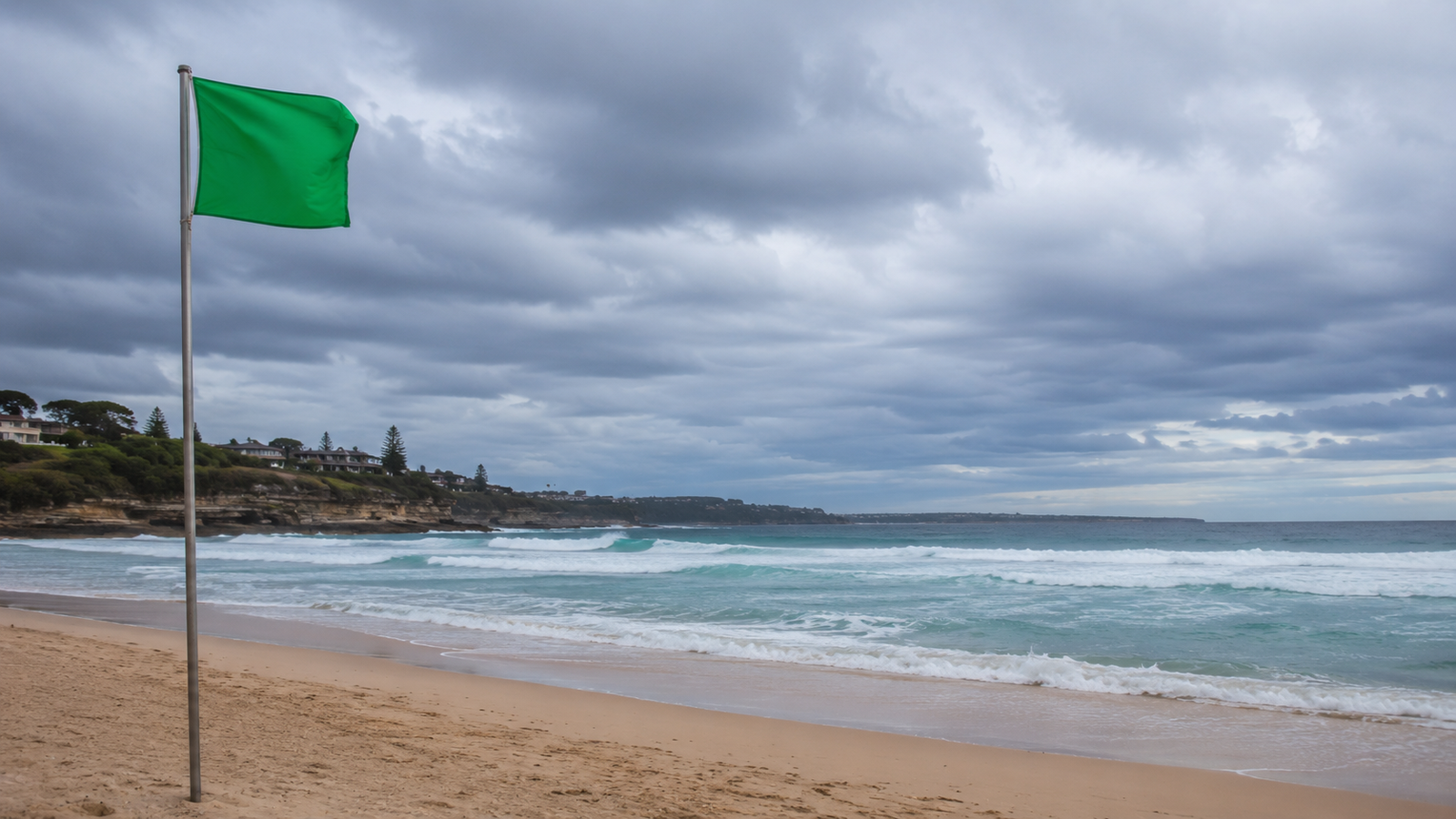
A green flag indicates calm conditions, meaning swimming is generally safe, though basic caution is still recommended. Even under favourable conditions, swimmers should remain aware of their surroundings, follow local safety guidelines, and supervise children closely while enjoying the water.
Yellow Flag Conditions
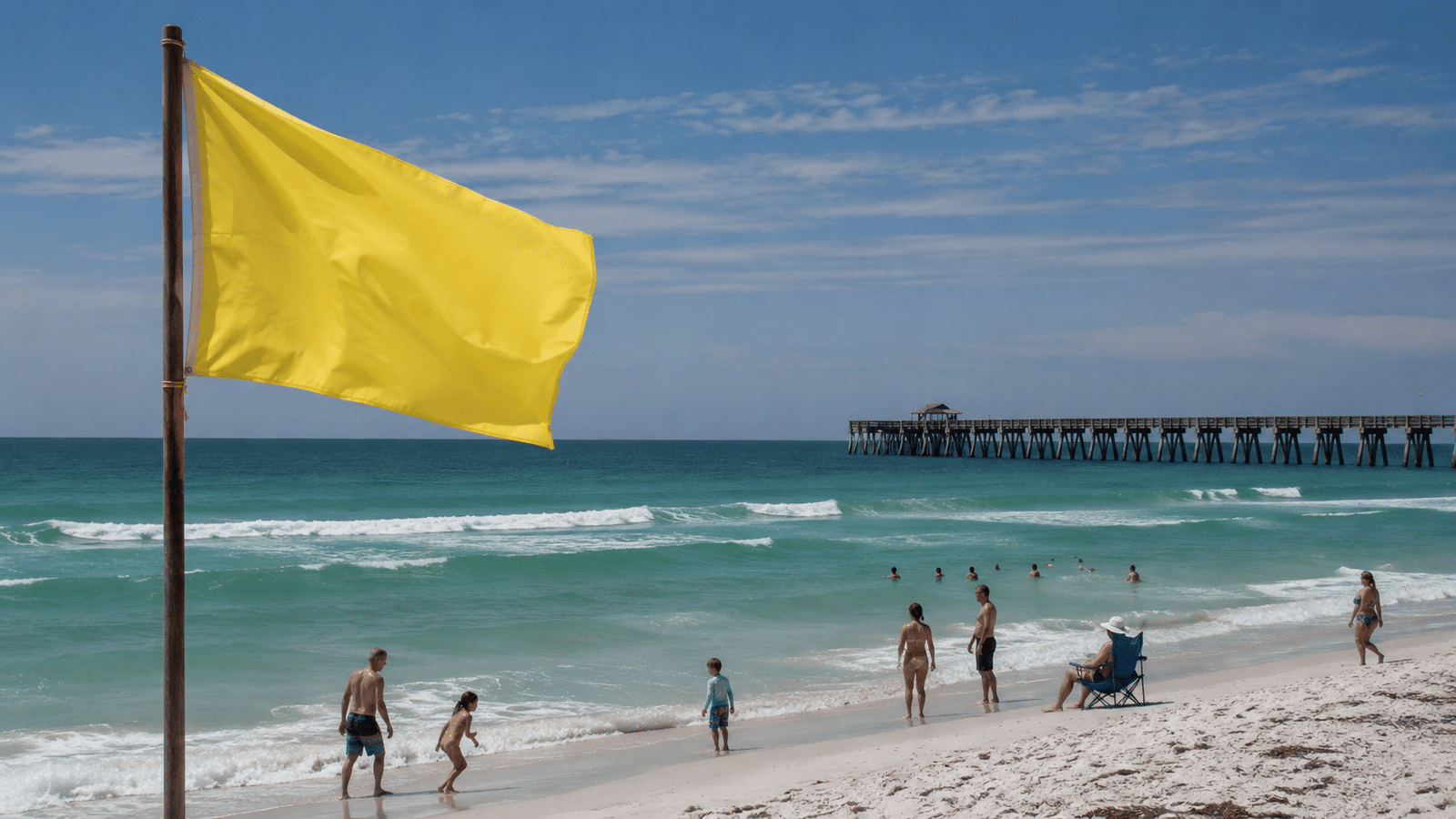
A yellow flag signals moderate surf or currents. Swimmers should exercise extra caution and be aware of changing water conditions. This warning indicates that conditions may be more challenging than usual, especially for inexperienced swimmers, so staying alert and remaining close to shore is often recommended.
Red Flag Conditions
A red flag warns of high surf or strong currents. Swimming is discouraged or considered dangerous under these conditions. Beach visitors should pay close attention to safety advisories, as rough water and powerful currents can significantly increase the risk of accidents, even for experienced swimmers.
Double Red Flag Conditions
When double red flags are displayed, the water is closed to the public due to extremely hazardous conditions. These flags indicate severe dangers such as powerful surf, dangerous currents, or other unsafe ocean conditions, and entering the water is typically prohibited for the safety of all beach visitors.
Safety Guidelines for Beach Visitors
Beach safety is a priority when visiting Panama City Beach, and understanding flags at Panama City Beach today is one of the most important steps before entering the water. Visitors should always check flag conditions before swimming or engaging in water activities.
Even experienced swimmers should respect flag warnings, as Gulf currents can be unpredictable and strong even on seemingly calm days. Following these warnings helps reduce risk, since conditions like rip currents and sudden wave changes can develop quickly and may not always be visible from the shore.
Swimming Awareness and Precautions
Swimmers should always stay within designated areas and avoid going too far from shore, especially during yellow or red flag conditions. Following these precautions can help reduce the risk of encountering strong currents or unexpected hazards while making it easier for lifeguards to provide assistance if needed.
Lifeguard Instructions and Safety Rules
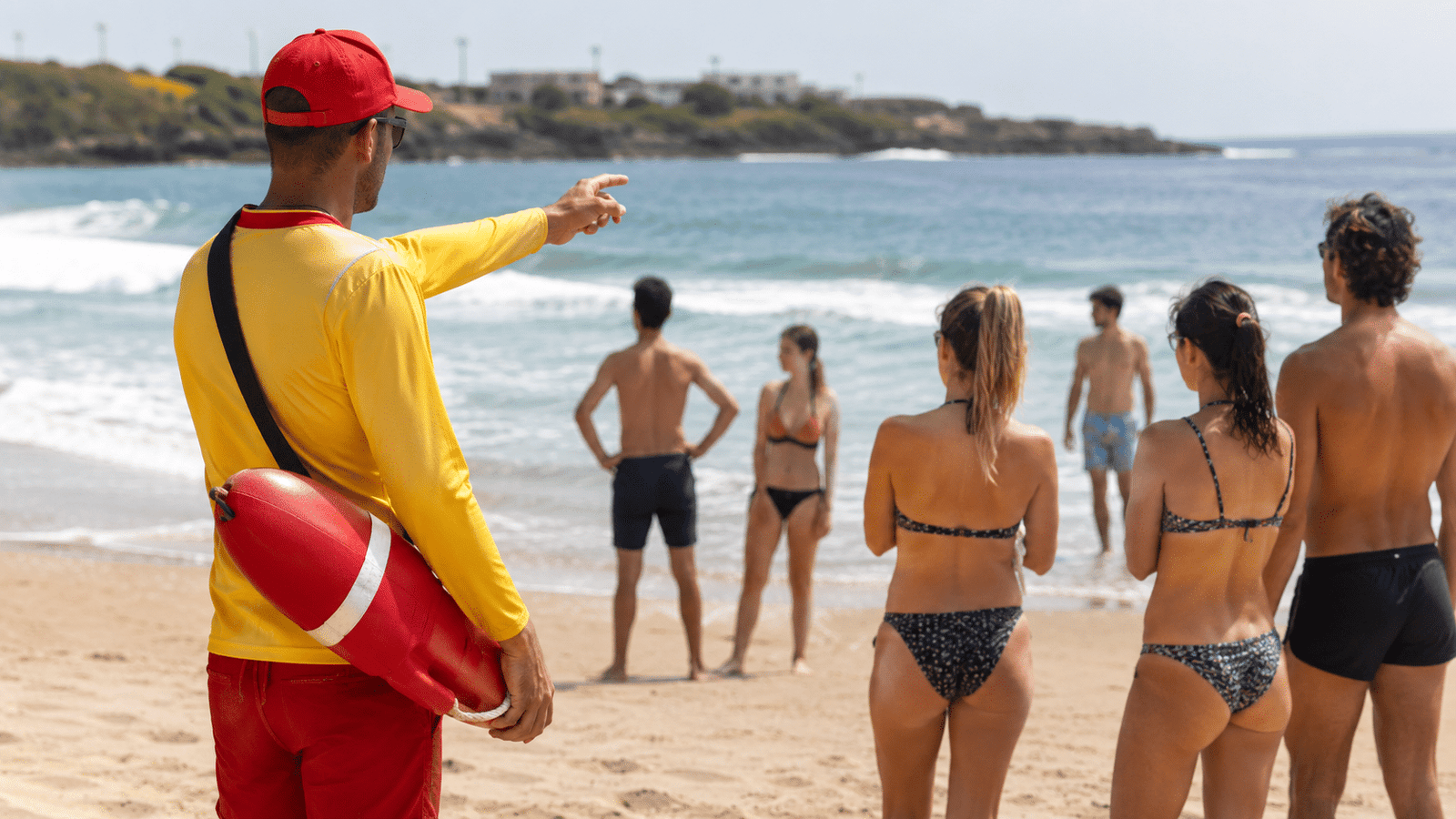
Following lifeguard instructions is essential, as they are trained to respond to emergency situations and monitor ocean conditions. Their guidance helps beachgoers stay informed about potential hazards, safety restrictions, and changing water conditions, contributing to a safer and more enjoyable beach experience for everyone.
Rip Currents and Ocean Hazards
One of the biggest risks highlighted by flags at Panama City Beach is the presence of rip currents. These strong water channels can pull swimmers away from shore unexpectedly.
Rip currents are often difficult to detect visually, which makes the flag system even more important for safety awareness. Because these currents can appear in otherwise calm-looking water, warning flags and lifeguard updates provide essential guidance to help swimmers recognize potential risks before entering the ocean.
How Rip Currents Form
Rip currents form when waves push water toward the shore, and it flows back out in narrow channels. These fast-moving currents can quickly carry swimmers away from the shoreline, making them one of the most common ocean hazards and an important reason for paying attention to beach warning flags and safety advisories.
What to Do If Caught in a Current
Swimmers should remain calm, avoid swimming directly against the current, and move parallel to the shore until they are free. Once out of the current, they can then swim back toward the shore at an angle, conserving energy and increasing their chances of safely returning to land.
Seasonal Changes in Beach Flag Conditions
The flag status at Panama City Beach can change frequently depending on weather patterns, storms, and seasonal shifts. During summer and hurricane season, flag warnings may become more frequent due to stronger surf conditions.
Tourists visiting during peak seasons should expect changing conditions throughout the day and remain flexible with their swimming plans. Weather, tides, and crowd levels can shift quickly, so staying updated with flag warnings and lifeguard guidance helps ensure safer and more enjoyable beach experiences.
Summer Weather Impact
High temperatures and storm activity during summer months can increase wave strength and influence flag conditions. These changing weather patterns can lead to stronger currents, reduced visibility, and more unpredictable surf, which is why beach safety warnings are updated frequently during this season.
Off-Season Stability
During cooler months, flag conditions tend to be more stable with fewer high-risk warnings. However, conditions can still change unexpectedly due to weather systems, so swimmers should continue to check updates and follow posted safety flags regardless of the season.
Importance of Checking Flags Daily
Before entering the water, visitors should always check flags at Panama City Beach today to ensure current conditions are safe. Conditions can change rapidly, even within a few hours.
Many beachgoers make it a habit to check flags first thing in the morning before planning their beach activities. This simple routine helps them choose safer times for swimming, adjust plans based on current ocean conditions, and reduce the risk of encountering unexpected hazards later in the day.
Real-Time Safety Awareness
Checking flags in real time helps reduce risks and ensures safer swimming experiences for all visitors. It also allows beachgoers to make informed decisions before entering the water, especially when conditions can change quickly due to weather, tides, or currents throughout the day.
Family and Group Safety
Families with children should especially pay attention to flag warnings, as younger swimmers are more vulnerable to changing water conditions. Extra supervision and adherence to posted safety signs help ensure that children remain safe while enjoying the beach, particularly during periods of moderate or high surf activity.
Marine Life and Additional Warnings
In addition to wave conditions, flags at Panama City Beach may also indicate marine life presence such as jellyfish or stingrays. These warnings are important for avoiding injuries while swimming.
Beach authorities monitor these conditions closely and update flag warnings as needed. This continuous oversight ensures that safety information remains accurate and timely, helping visitors respond appropriately to changing surf, weather, and current conditions throughout the day.
Jellyfish Awareness
Certain seasons may bring jellyfish closer to shore, requiring swimmers to take extra caution. This seasonal presence can increase the likelihood of stings, so wearing protective swimwear and staying aware of beach advisories can help reduce potential risks while swimming.
Stingray Safety Tips
Shuffling feet while walking in shallow water helps reduce the risk of stingray stings. This technique alerts stingrays to your presence so they are more likely to move away, lowering the chance of accidental contact while wading in sandy coastal areas.
Beach Safety Rules for Tourists
Visitors should always respect posted rules and follow lifeguard instructions when interpreting flag colour at Panama City Beach systems. Ignoring warnings can lead to dangerous situations, especially during high surf conditions.
Simple safety habits can significantly reduce risks and improve the overall beach experience. Practices like checking flag warnings, staying within designated swimming areas, and following lifeguard instructions all contribute to a safer environment while allowing visitors to fully enjoy their time at the beach.
Staying Within Safe Zones
Swimming near lifeguard stations ensures quicker response times in case of emergencies. It also provides added peace of mind, as trained professionals are actively monitoring conditions and can quickly assist or issue warnings if water conditions become unsafe.
Avoiding Risky Conditions
Visitors should avoid swimming during red flag warnings and stay on the shore instead. These conditions indicate strong surf and dangerous currents, so remaining out of the water significantly reduces the risk of accidents while still allowing guests to safely enjoy the beach environment.
Local Lifeguard System and Monitoring
The lifeguard system in Panama City Beach plays a crucial role in maintaining safety through continuous monitoring of flags at Panama City Beach conditions. These professionals assess weather, tides, and ocean movement throughout the day.
Their updates help ensure that beach visitors receive accurate and timely safety information.
Continuous Beach Surveillance
Lifeguards patrol designated areas and update flags based on real-time ocean conditions. This continuous monitoring helps ensure beach safety by providing timely warnings about changing surf, currents, and weather conditions, allowing visitors to make informed decisions before entering the water.
Emergency Response Preparedness
In case of emergencies, lifeguards are trained to respond quickly to rescue situations. Their rapid response skills, combined with constant surveillance of the water, help reduce risks and improve safety outcomes for swimmers and other beach visitors.
Final Thoughts
Understanding flags at Panama City Beach is essential for anyone planning to swim or enjoy water activities in the area. These colour-coded warnings provide clear and reliable safety information that helps protect both locals and tourists.
By paying attention to flags at Panama City Beach today, respecting lifeguard instructions, and understanding flag meanings, visitors can enjoy a safer and more enjoyable beach experience in 2026. Panama City Beach remains a beautiful destination, and its safety system ensures that everyone can enjoy the Gulf waters responsibly.
Frequently Asked Questions (FAQs)
What do the beach flags mean?
Beach flags indicate current water conditions and help visitors understand whether swimming conditions are safe, moderate, or dangerous. They provide a simple visual warning system that allows beachgoers to quickly assess risks such as strong currents, high surf, or hazardous marine conditions before entering the water.
What does a green flag mean?
A green flag signals generally calm water conditions, although swimmers should still use normal caution while in the Gulf. Even in favourable conditions, it is important to stay aware of changing waves, supervise children closely, and follow any additional lifeguard guidance to ensure a safe swimming experience.
What does a red flag mean?
A red flag warns of dangerous surf or strong currents, making swimming more hazardous than usual. In these conditions, beachgoers are strongly advised to stay out of the water, as powerful waves and rip currents can quickly overwhelm even experienced swimmers and increase the risk of accidents.
Who updates the beach flag system?
Beach safety officials and lifeguards monitor ocean conditions and update the flag status throughout the day as needed. This ongoing assessment ensures that visitors receive accurate, real-time information about changing surf, weather patterns, and potential hazards, helping maintain a safer beach environment for everyone.
What should I do if I get caught in a rip current?
Remain calm, swim parallel to the shoreline, and avoid fighting the current directly until you can safely return to shore. Once you break free from the current, you can then angle back toward the shore while conserving energy, which increases your chances of reaching safety more effectively.
Why are beach flags important?
They provide real-time safety information that helps visitors make informed decisions and avoid dangerous water conditions. This timely guidance plays a key role in preventing accidents by ensuring beachgoers are aware of current risks such as strong currents, high surf, or changing weather conditions before entering the water.