


10 Best Things to Do in Casco Viejo, Panama (Complete Guide)
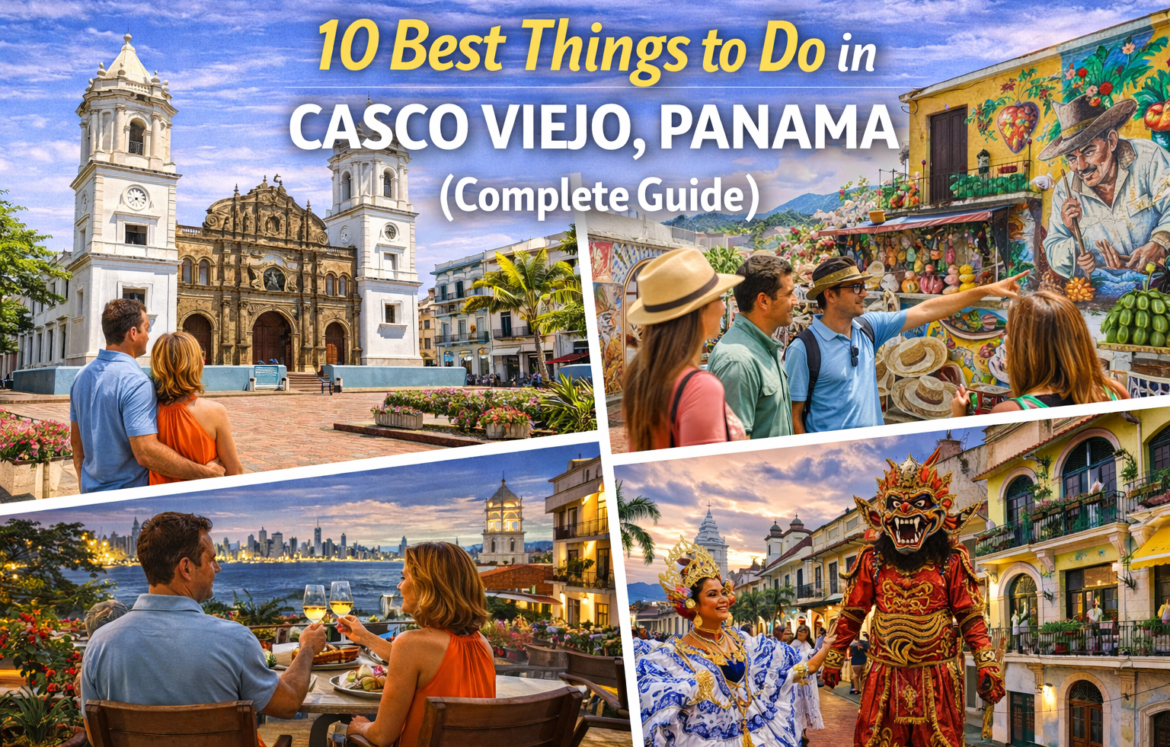
You will find a lively mix of history, food, and nightlife packed into Casco Viejo’s small streets. I guide you through the best spots to explore historic landmarks, taste local dishes, and enjoy rooftop views so you can plan days that match your pace and interests. Things to do in casco viejo panama offers compact, walkable highlights—from grand plazas and churches to rooftop bars and markets—so you can see the top sights without wasting time.
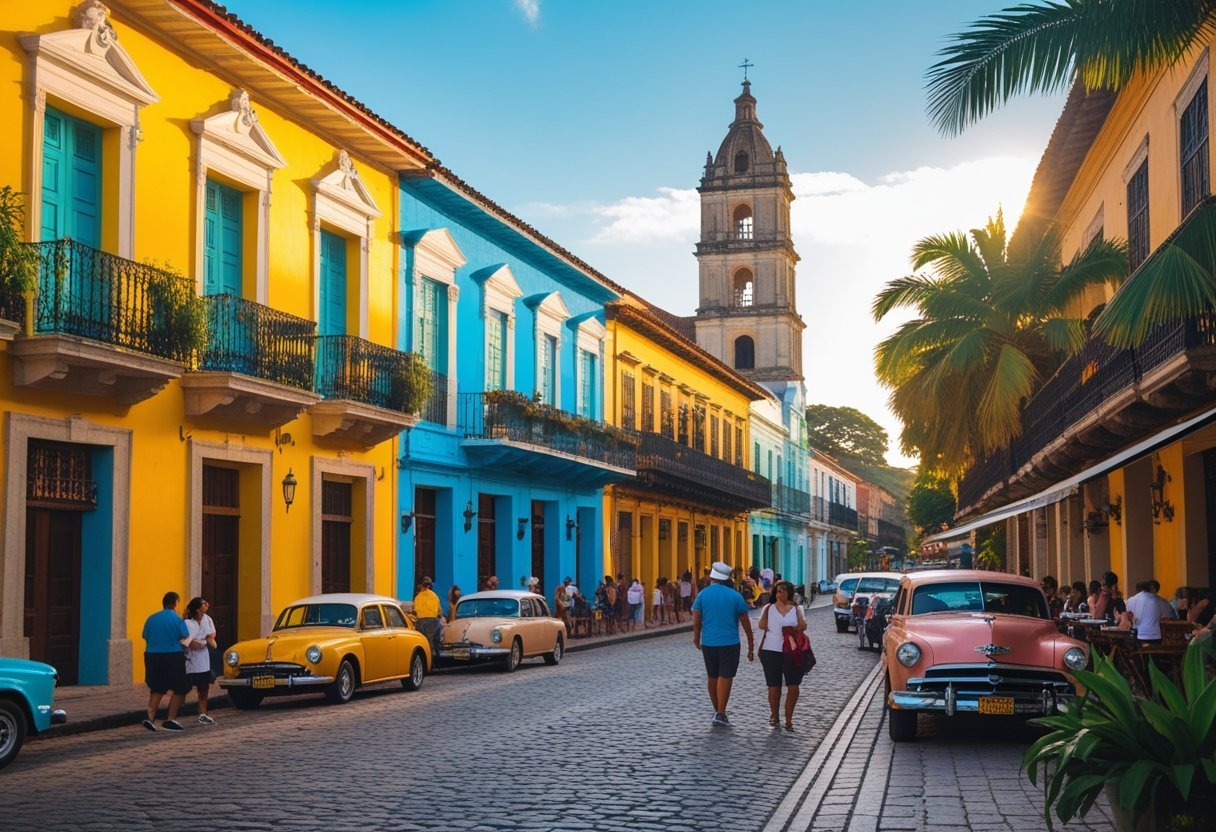
I point out where to stroll for colorful facades, where to eat for authentic flavors, and where to relax with a view of the water. Follow my tips and you’ll move confidently through museums, shops, and lively nighttime spots while getting the most from every hour in this UNESCO-listed neighborhood.
Explore Historic Landmarks
I point out the key historic sites that show Casco Viejo’s colonial past, civic life, and national leadership. These places sit close together, so you can visit all three on a short walking route.
Visit Plaza Mayor
I start at Plaza Mayor, the heart of Casco Viejo, and a good place to orient yourself. The square opens onto the main streets and has benches, shade trees, and views of surrounding colonial facades. People gather here for concerts, markets, and casual people-watching.
I look for the statue of Don José de Fábrega and note the plaster and stone details on nearby buildings. The plaza’s paving and low walls give clear sightlines to cafés and small shops. If I need a break, several outdoor cafés face the plaza where I can sit and watch daily life.
Practical tip: arrive in the morning or late afternoon to avoid the heat and get better light for photos. I pay attention to event posters—weekend markets and cultural events often happen here.
Discover Catedral Metropolitana
I visit the Catedral Metropolitana to see its twin bell towers and the simple neoclassical façade that dates to the 18th and 19th centuries. Inside, the nave feels airy with high ceilings and whitewashed walls that reflect natural light from clerestory windows. The altar area holds notable religious art and polished wooden pews.
I walk the aisles to notice small chapels and donor plaques that record local families’ histories. Photography rules vary, so I ask before I take pictures of the altar and icons. The cathedral also hosts religious services and civic ceremonies, so checking the schedule helps time a quiet visit.
Accessibility: steps lead into the building, but staff can point out the gentler ramps at side entrances if needed.
Tour Palacio de las Garzas
I tour the Palacio de las Garzas, the presidential palace and a landmark built around a central courtyard with a fountain and tropical plantings. The palace shows a blend of republican and colonial architectural elements and features the famous herons (garzas) that give the building its name. Those birds are often visible near the courtyard and on the palace grounds.
I view the palace exterior and the guarded entry from nearby Plaza Herrera. Public tours are limited and require prior arrangement through official channels, so I check government visitor policies before planning a visit. When access is allowed, guides explain the state rooms, presidential portraits, and diplomatic gifts on display.
Security: expect checkpoints and ID checks at the palace perimeter. I carry my ID and follow staff directions to move quickly through inspection points.
Experience Casco Viejo’s Culinary Scene
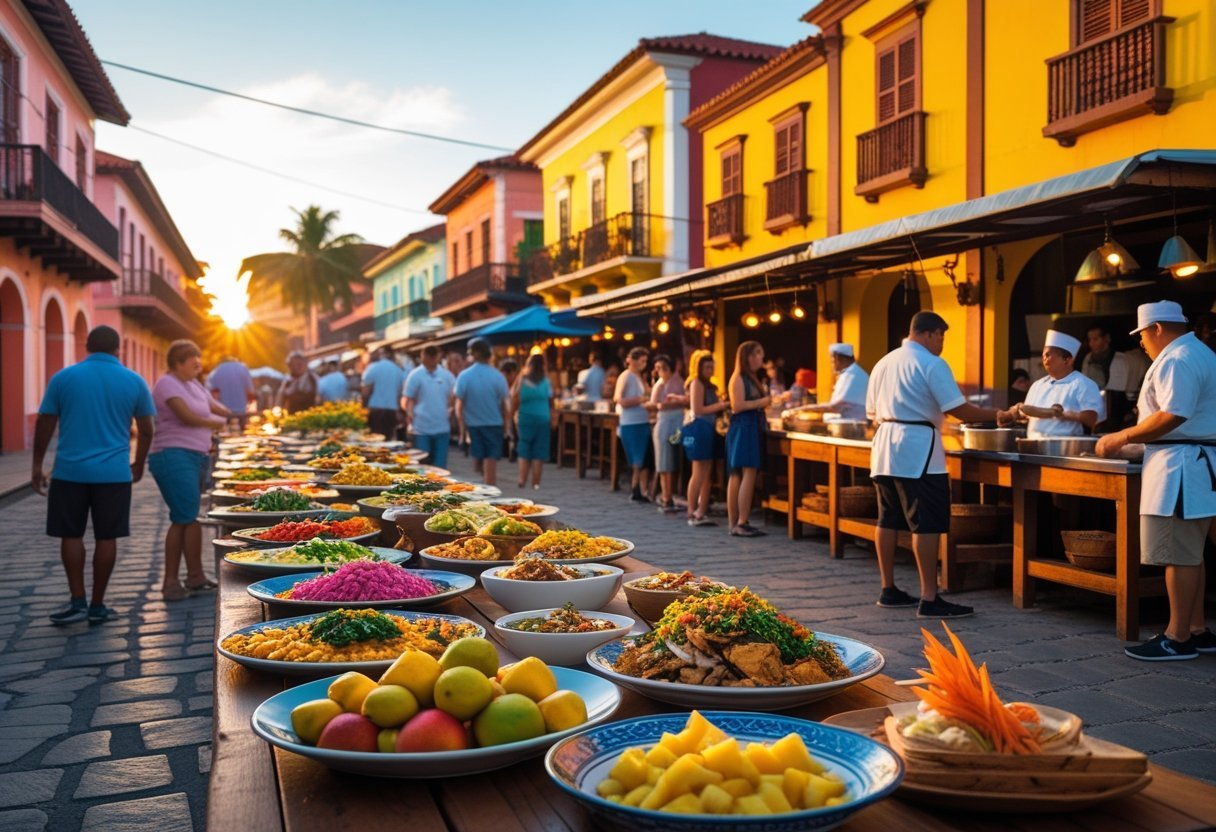
I walk the cobbled streets tasting small plates, sipping strong coffee, and watching the sunset from a rooftop. The neighborhood serves high-end dining, casual local spots, and lively bars within a few blocks.
Dine at Local Restaurants
I pick restaurants that show Panama’s mix of flavors: fresh seafood, Afro-Caribbean spices, and modern takes on Latin dishes. Look for places that use local fish like corvina or pargo, and menus that list ingredients and where they come from. I check reseñas and try a ceviche or sancocho to compare preparations.
Reservations help at popular spots, especially for dinner on weekends. Prices range from budget-friendly plates at sidewalk eateries to tasting menus at fine-dining spots. For more ideas on notable restaurants and dining neighborhoods, see this guide to Casco Viejo restaurants and rooftops.
Sample Panamanian Coffee
I start mornings at small cafés that roast beans from Boquete and Chiriquí. Order a cortado or a traditional café con leche to taste the bright, floral notes Panama is known for. Many cafés post the roast date and origin on the menu; I choose beans roasted within two weeks.
If I want to learn, I ask for a pour-over or a cupping session. Those let you notice acidity, body, and aftertaste. Bring cash to smaller spots and try a pastry or local sweet, like hojaldre, to balance the coffee’s acidity.
Visit Rooftop Bars
I head to rooftops for sunsets, cocktails, and city views. Rooftop bars in things to do in casco viejo panama mix craft cocktails made with local rum and fresh fruit, plus small plates like empanadas or ceviche bites. I pick a spot with outdoor seating and a clear view of the skyline or the bay.
Expect cover charges at some high-end rooftops on weekend nights. Arrive before sunset for the best seats and quieter service. For a list of rooftop options and tips on where to catch the best views, check this rooftop and bar guide for Casco Viejo.
Enjoy the Nightlife
I look for places with live bands, good sound, and friendly crowds. I also hunt down craft cocktail bars with skilled bartenders and rooftop views.
Attend Live Music Venues
I head to venues that host a mix of salsa, jazz, and indie bands so I can pick nights that fit my mood. Many clubs schedule Latin dance nights with live percussion, and some smaller spots feature acoustic sets where I can hear the singer clearly without shouting. I check show times ahead because popular acts fill tables fast.
I arrive early to grab a table near the stage or at the bar. Cover charges are common for headline nights, so I carry small bills. If I want to dance, I pick plazas or larger clubs; for listening, I choose intimate bars with good acoustics.
Discover Craft Cocktail Bars
I pick bars known for fresh ingredients and creative menus, where bartenders make drinks to order. Rooftop bars give me a skyline view while I sip cocktails built with local rum, tropical bitters, and house-made syrups. I ask for recommendations—bartenders often suggest a twist on a classic, like a rum old-fashioned or a spicy mojito.
I watch prices and portion sizes. Many spots offer small plates or empanadas that pair well with cocktails, so I order food to extend the night. For late hours, I prefer places that stay open past midnight and keep a safe, lively crowd.
Stroll Through Vibrant Streets
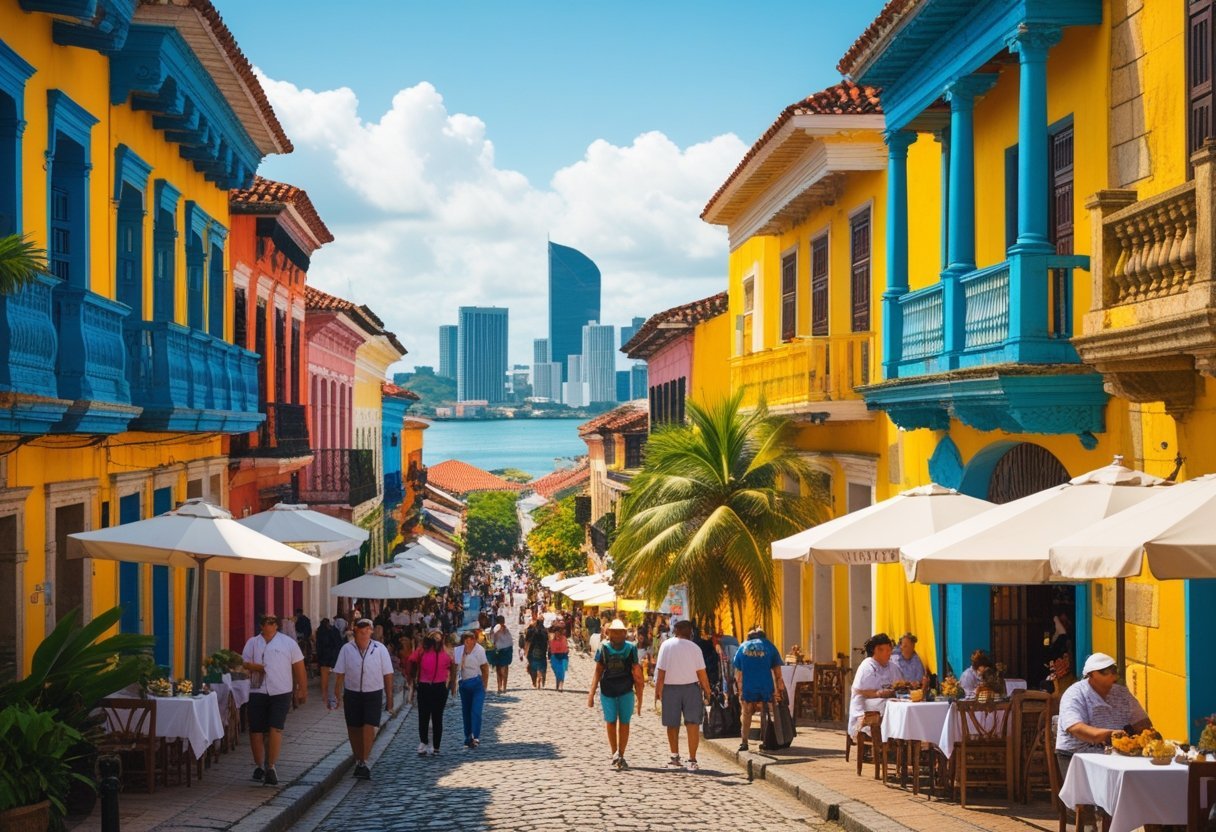
I walk Casco Viejo’s narrow lanes to soak in painted facades, ornate balconies, and bustling plazas. The route I take gives a mix of restored mansions, faded colonial gems, and bold public art that tell Panama’s story.
Admire Colonial Architecture
I focus first on buildings with wrought-iron balconies, tall wooden doors, and carved stone details. Plaza de la Independencia and Plaza Bolívar are good starting points to see restored mansions and original church fronts within a few minutes’ walk. I look up to spot cornices, keystones, and tiled roofs that reveal construction styles from the 17th to 19th centuries.
I pay attention to contrast: some buildings are freshly painted and reused as shops or apartments, while others show peeling plaster that exposes original brickwork. If I want guided context, I join a short walking tour that points out key dates and architects. Photography works best in morning or late afternoon light when shadows bring out architectural details.
See Colorful Street Art
I follow Calle 7 and side alleys to find murals by local and international artists. The blocks near Plaza Herrera often feature large-scale images of faces, historical scenes, and abstract patterns. I move slowly and read any small plaques or signatures to learn the artist or message.
Street art here mixes community themes and political commentary. I note bright palettes, layered stencils, and painted shutters that turn ordinary storefronts into open-air galleries. For more examples and spot suggestions, I check local guides that map key mural locations around the old town.
Learn at Museums and Cultural Centers
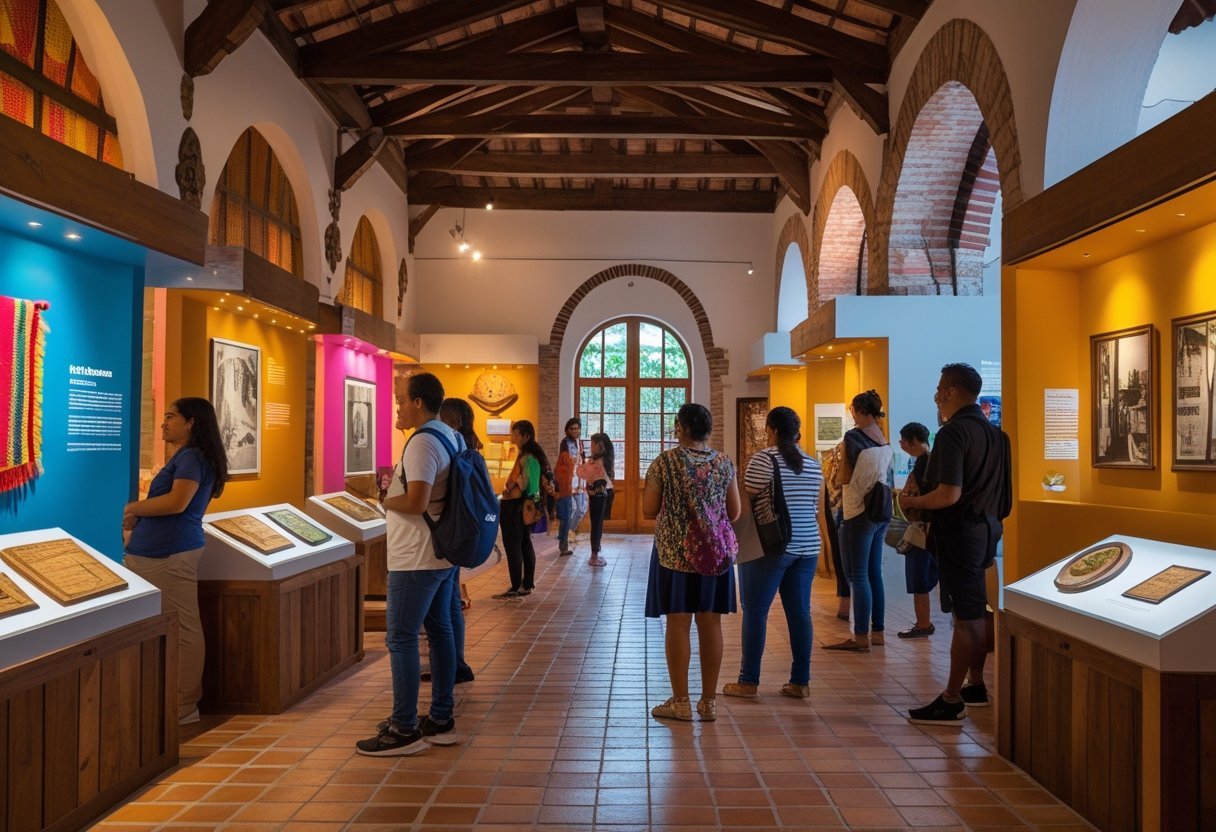
I highlight key shows, artifacts, and displays that tell Panama’s story. Expect hands-on exhibits, historic documents, and examples of local craft traditions that reveal how the city and country grew.
Panama Canal Museum
I visit the Panama Canal Museum to trace the canal’s engineering, politics, and daily life. The museum sits in things to do in casco viejo panama and uses photographs, maps, and scale models to show construction phases and how the canal reshaped global trade.
Rooms explain French and U.S. efforts, worker conditions, and the technology used to build locks and dams. I pay attention to the interactive displays that make complex engineering easy to follow. The museum also covers the canal’s environmental impact and Panama’s move to full control in 1999.
Practical info: expect 1–2 hours. Look for guided tours and temporary exhibits that dig deeper into specific themes.
Museo de la Mola
I explore Museo de la Mola to learn about the Kuna people through their embroidered mola panels. The museum presents dozens of molas, plus the tools and fabrics used to make them, so I can see technique and motif development up close.
Displays explain cultural meaning, such as how molas fit into dress and social life. I also find comparisons of traditional designs and modern interpretations, and notes on how mola making supports Kuna communities economically.
Tip: The museum often has a small shop with authentic pieces. Bring cash and check the photography rules before shooting close-up images.
Shop at Local Boutiques and Markets
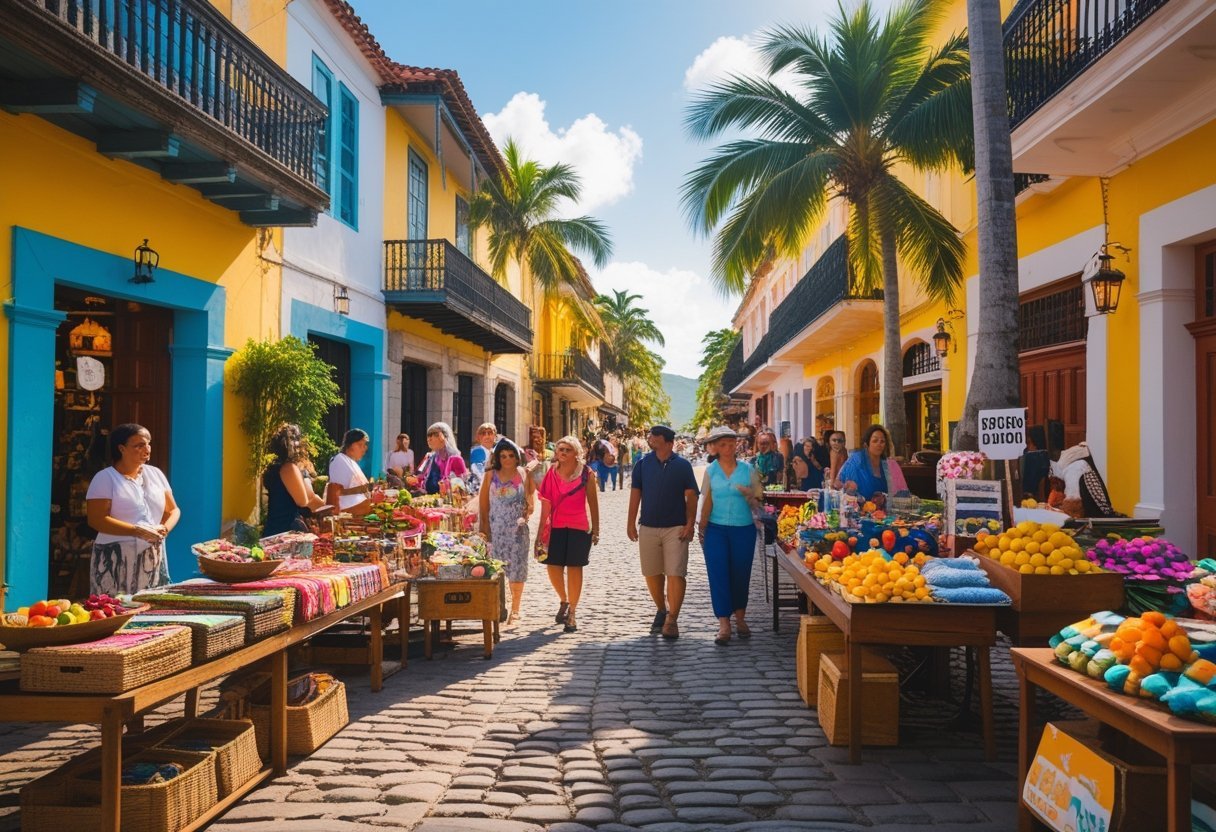
I focus on places where you can find real Panamanian crafts, clothes, and food items. I point out where to go, what to look for, and how to get the best finds without wasting time.
Browse Artisan Markets
I head to the plazas and weekend markets in things to do in casco viejo panama to see local artists selling ceramics, prints, and woven goods. Markets near Plaza Herrera and along Avenida A offer stalls with bright mola textiles, hand-painted pottery, and wood carvings. I recommend arriving mid-morning when vendors have full displays but before the heat and crowds peak.
I look for stalls that show signs of consistent work—multiple styles from the same maker or labels that mention an artist or workshop. Bring small bills and coins; many sellers prefer cash. If you want a quick list, aim for: mola textiles, Panama hat trims, local coffee beans, and small jams or hot sauces to pack in a carry-on.
Find Handcrafted Souvenirs
I visit independent boutiques for higher-quality pieces like handmade jewelry and limited-run clothing from Panamanian designers. Shops on Calle 8a and around Plaza de la Independencia stock silver and gold jewelry with native motifs, leather goods, and locally dyed linen shirts. These stores often include care tags, maker names, and price tags — useful for gift-giving and customs.
I ask about materials and origin before buying. For example, confirm if the beads are native seeds or mass-made plastic. For larger purchases, request a receipt and ask if they can wrap items for travel. When I want unique souvenirs, I pick items that show craftsmanship and will hold up to regular use.
Relax at Scenic Spots
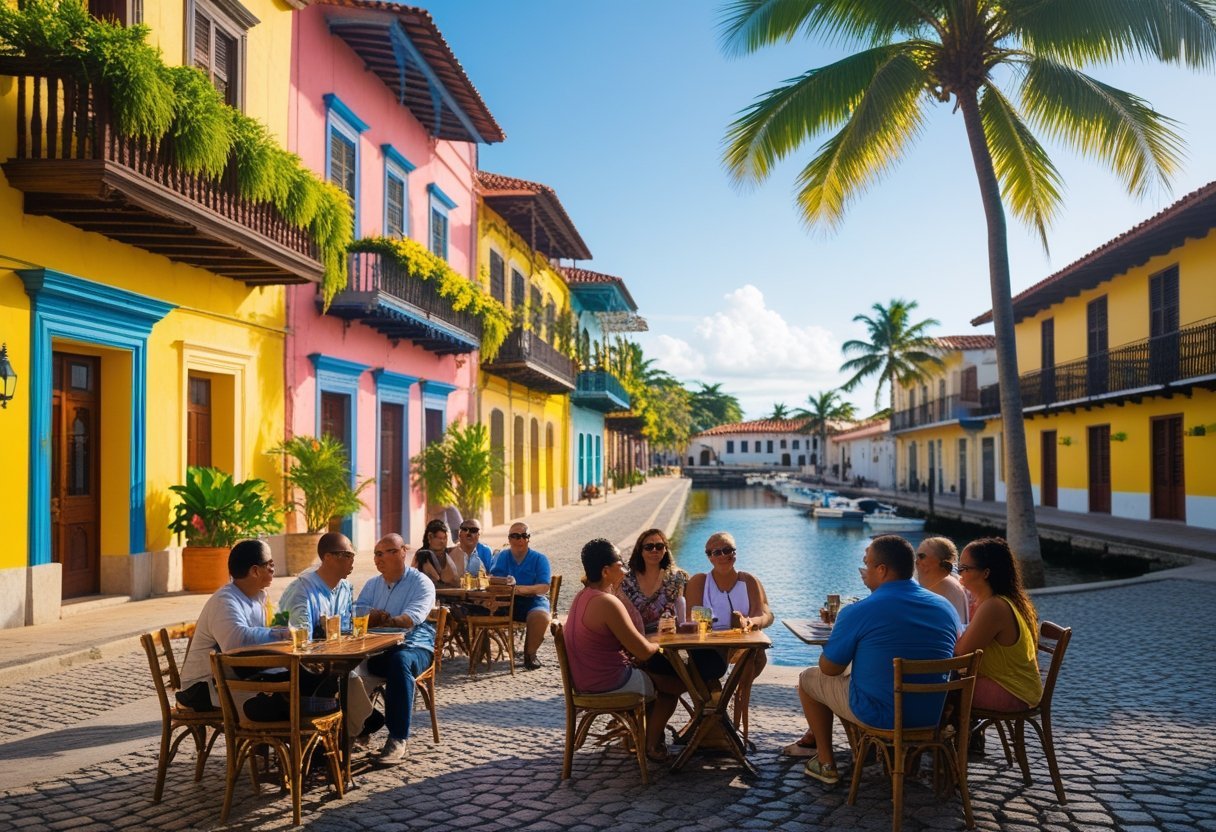
I pick quiet places that show Casco Viejo’s history and the bay. These spots offer easy walks, bench seating, and clear views where I can watch boats, sunsets, and city life.
Walk Along Paseo de las Bóvedas
I start at Paseo de Las Bóvedas to feel the old city’s walls and sea air. The stone promenade runs along the bay beneath colonial buildings. I often walk from Plaza Bolívar toward the old fort walls; the route gives wide views of the skyscrapers across the water and boats moving in the harbor.
There are benches and low walls where I sit and watch the sunset turn the sea orange. Street vendors and musicians appear at times, adding local color without crowding the path. I bring a light jacket; wind off the bay can be cool in the evening.
For photos, I aim for the golden hour. The contrast between the colorful facades above and the open water below makes strong images.
Enjoy Waterfront Views
I head to the waterfront plazas and rooftop terraces when I want more elevated views. Places like small plazas by the water let me see the Cinta Costera and the full sweep of the skyline. Rooftop bars and cafes give a different angle; I pick one with west-facing seating for the best sunset light.
I often order a cold drink and sit where I can watch cargo ships and yachts glide by. The sound of waves and distant horns keeps the mood calm. If I need shade, I choose covered terraces or grab a table under an awning.
Safety tip: I stay on well-lit paths at night and keep my belongings close. For daytime visits, sunscreen and a hat help—sun can be strong on clear days.
Frequently Asked Questions
I answer practical questions about key historic sites, top restaurants, cultural events, hidden local spots, nightlife, and how to get around things to do in casco viejo panama. Expect clear, specific suggestions you can use while planning your visit.
What are the must-visit historical sites in Casco Viejo?
I recommend starting at Plaza de la Independencia for its grand public square and nearby government buildings.
Visit the Church of Saint Joseph to see the ornate gold altar, and walk to the nearby colonial mansions that line the narrow streets.
Don’t miss the ruins of the old city walls and the small museums that explain Panama’s history and the building of the canal.
I also suggest rooftop viewpoints for views of the modern skyline and the Pacific Ocean.
Can you recommend some top-rated restaurants in Casco Viejo for authentic Panamanian cuisine?
Try Fonda lo Que Hay for updated traditional dishes and well-prepared patacones.
Look for small fondas and cevicherías around Plaza Herrera for affordable, authentic meals.
For a mix of local and modern plates, check restaurants on the main pedestrian streets and rooftop venues for both food and views.
I recommend reserving ahead on weekends for popular spots.
What cultural experiences should travelers not miss out on in Casco Viejo?
I advise attending a local festival or live music night to hear traditional and contemporary Panamanian sounds.
Visit art galleries and artisan shops to see local craftwork and meet makers.
Spend time people-watching at Plaza de la Independencia and join a guided walking tour to learn about the neighborhood’s layered history.
Try a cooking class or a tasting menu that focuses on Panamanian ingredients.
Are there any hidden gems or lesser-known spots in Casco Viejo for unique local experiences?
Seek out small cafés on side streets for quieter mornings and better prices.
Explore the back alleys to find street art and independent galleries that tourists often miss.
Look for family-run fondas and bakeries for authentic snacks and strong local coffee.
Ask shopkeepers for local recommendations — they often point to events or pop-up markets.
What are the best options for nightlife and entertainment in Casco Viejo?
Bar hopping along the main nightlife streets offers live music, rooftop bars, and cocktail lounges.
Check schedules for nights with live bands or DJs at plazas and larger venues.
For a relaxed evening, choose a rooftop bar with city and bay views.
If you prefer local vibes, search for smaller venues that showcase Panamanian musicians.
How can visitors navigate Casco Viejo easily, and are there guided tours available?
Things to do in casco viejo panama is compact and best explored on foot; its cobblestone streets are walkable, but wear comfortable shoes.
I recommend guided walking tours for historical context and tip-based local guides who know hidden spots.
Taxis and ride apps work well for trips to and from the neighborhood.
For a broader view, consider a combination tour that pairs Casco Viejo with a canal or city highlights trip.