


Cocoli Locks Visitor Guide (New Panama Canal Expansion Explained)
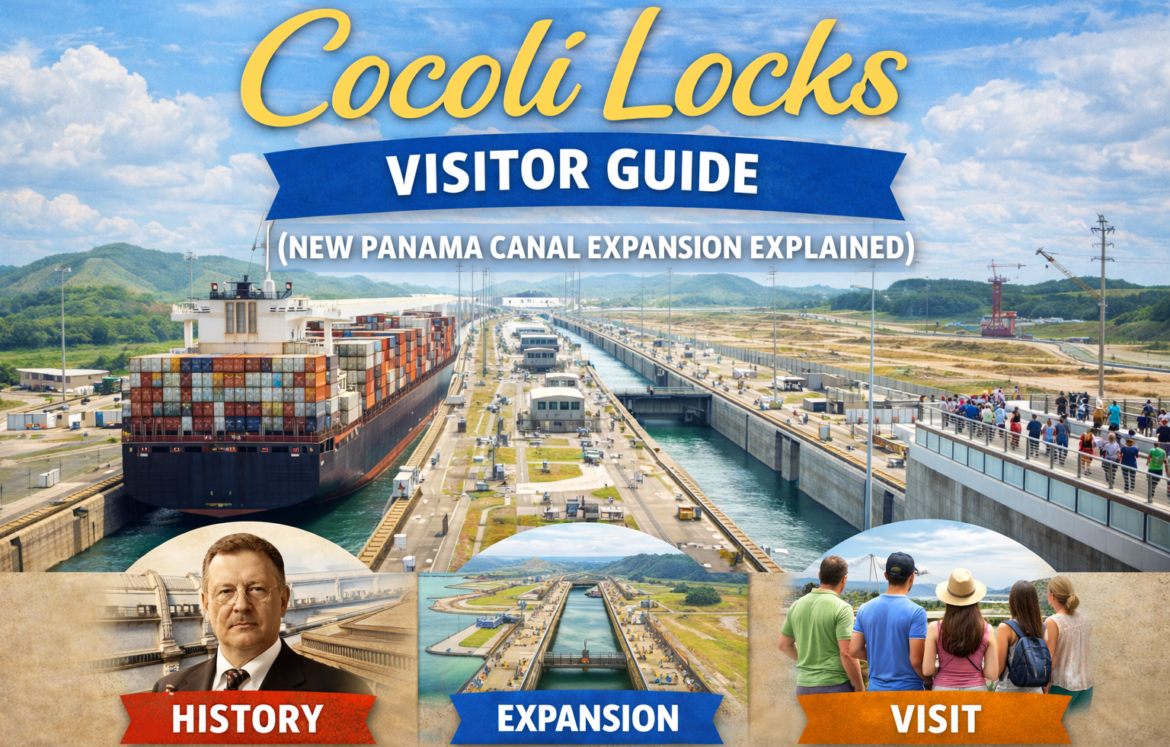
You’ll see the Cocoli Locks up close and understand why they matter to global shipping and to Panama’s tourism. I’ll show you where to go, what you’ll actually see, and how the new locks work so you can plan a visit that fits your time and interests.
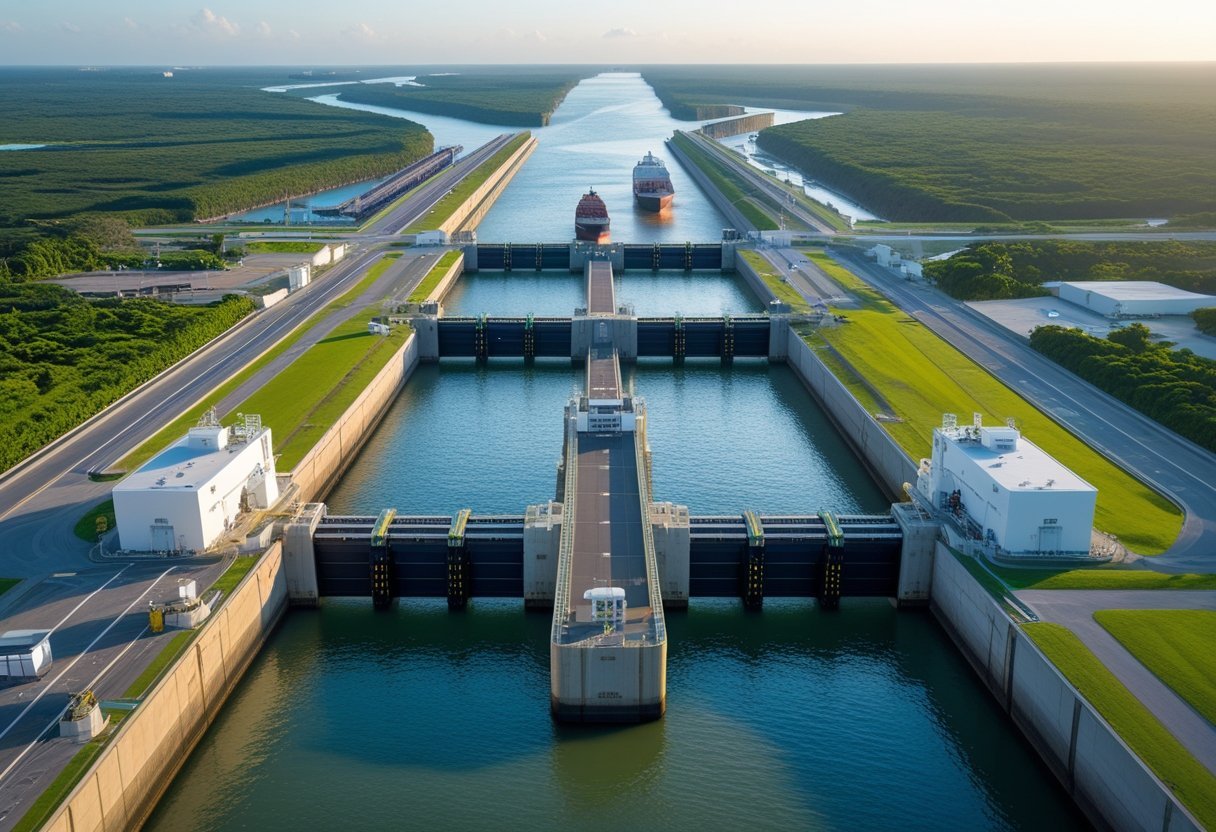
Walk the observation points, watch NeoPanamax ships move through the chambers, and learn the key parts of the Panama Canal Expansion, from construction to current operation. I’ll guide you through practical tips for tickets, best viewpoints, and nearby stops so your visit feels smooth and worthwhile.
You’ll also get clear answers about access, accessibility, and what to expect during different weather and water conditions. I keep the facts simple and useful so you can make decisions fast and enjoy the experience.
Overview of the Cocoli Locks
I describe where the locks sit, how they were built, and how they differ from the original Gatun and Miraflores systems. You will learn the key facts needed to plan a visit or understand ship transits.
Location and Significance
I place the Cocoli Locks on the Pacific side of the Panama Canal near the town of Cocoli, just west of Balboa and the Panama City limits. The site sits at the canal’s Pacific entrance and controls the final climb from sea level into the new Agua Clara and Gatun waterway sections.
The locks opened in 2016 with the canal expansion. They add a second, parallel traffic lane that lets larger Neopanamax ships cross. This change doubled the canal’s cargo capacity and cut delays for many carriers.
I recommend visiting viewing points outside the restricted zone to watch ship passages and see the lock chambers and retention basins. For more visitor details and photos of ships using the wider chambers, see the Cocoli Locks overview on Wanderlog.
Engineering and Design
I note that Cocoli uses a three-tier lock chamber arrangement built with modern reinforced concrete and wide miter gates. Each chamber raises or lowers ships between sea level and the higher canal lakes in staged steps, controlled by large culverts and valves that move millions of liters of water per transit.
The lock width is about 54.9 meters to fit Neopanamax vessels. Designers added retention basins and water-saving basins to recycle water and reduce freshwater loss during each lockage. Electric locomotives and tow equipment guide ships safely through the chambers, though tug assistance is still common for large vessels.
For visuals and a basic visitor perspective on the engineering, see the Cocoli Locks description on Avrex Travel.
Differences From Original Locks
I compare Cocoli to the original Gatun and Miraflores locks by focusing on size, technology, and capacity. The old locks were narrower and built in the early 20th century for smaller Panamax ships; Cocoli’s chambers are wider and deeper for modern, heavier ships.
Operationally, Cocoli uses improved water-saving basins and automated valve control to reduce water use per transit. The original locks rely more on gravity flow without the same level of recycling, limiting how many large ships can pass during dry seasons.
Access and visitor experience differ, too. The original lock complexes have established visitor centers with public observation areas. Public access to the Cocoli site itself is limited; visitors generally use nearby viewpoints and organized tours to watch transits and learn about the expansion. For practical visitor tips and access notes, see this local Panama Canal guide.
History of the Panama Canal Expansion
I will explain why Panama expanded the canal, how the work progressed, and the main milestones that shaped the project.
Background and Rationale
I focus on the reasons Panama needed larger locks and a third lane. Global shipping moved toward bigger container ships called NeoPanamax. These ships could not fit through the original locks built in 1914. Panama faced rising demand for faster transit and higher cargo volume. Expanding the canal would keep Panama competitive and boost toll revenue.
Environmental and water-use concerns also drove design choices. Engineers chose larger locks with water-saving basins to reuse water each transit. The expansion aimed to balance capacity gains with the freshwater limits of Gatún and Miraflores lakes.
I looked at traffic forecasts and trade patterns. Many carriers planned fleets of bigger ships, so the expansion promised long-term relevance for the canal.
Construction Timeline
I list the main phases and dates so you can follow how the project unfolded.
- 2007–2008: Planning, design refinement, and financing agreements.
- 2009: Construction contract awarded and major earthworks began.
- 2010–2012: Building of approach channels, new locks, and concrete structures.
- 2013–2014: Mechanical and gate installations, plus testing of hydraulic systems.
- 2015–2016: Final commissioning, trial transits, and official opening in June 2016.
Work focused on two new lock complexes: Cocoli on the Pacific side and Agua Clara on the Atlantic side. I note that the project ran into schedule and cost pressures but completed the key civil and mechanical work by mid-2016.
Key Milestones
I highlight the most important events that marked progress and public attention.
- Contract awards and financial close, which secured the project’s funding and contractors.
- The start of major earthmoving in 2009, when dredging and channel widening began.
- Completion of the new lock chambers and installation of the rolling gates and locomotives.
- Successful dry and wet tests of lock operation in 2015 proved the designs worked.
- Official inauguration in June 2016, when the new lane began limited commercial use.
Each milestone affected shipping capacity and Panama’s economy. The new locks roughly doubled the canal’s ability to handle larger ships and created a third lane for more efficient two-way traffic.
For details about visiting or seeing the new complexes, I recommend checking the official description of the Expanded Canal and visitor centers.
How the Cocoli Locks Operate
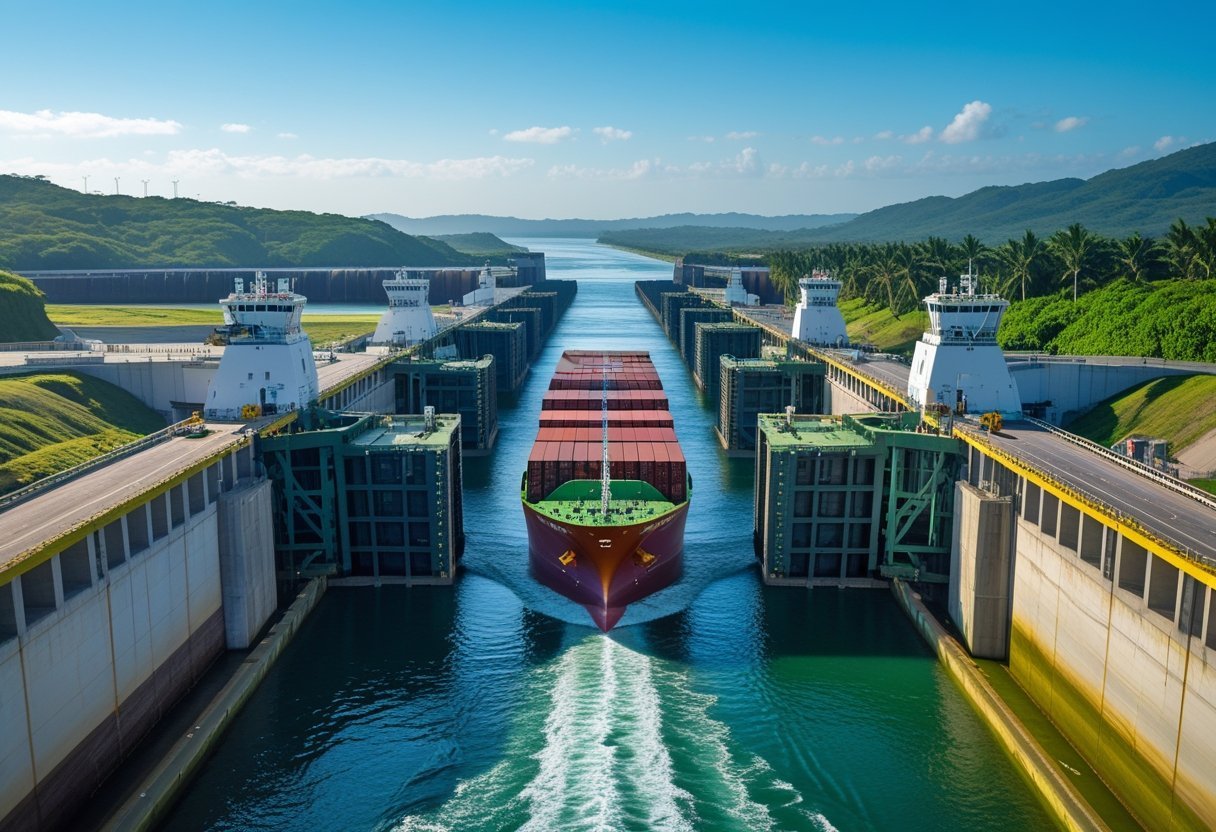
I will describe how the locks move ships, save water, and guide vessels through the new Pacific-side chambers. Expect clear steps, key equipment, and what you will see during a transit.
Lock Mechanics
I focus on the three-chambered Cocoli Locks and the main parts that move water and vessels. Each chamber is about 427 meters long and uses massive steel gates at both ends. Valves and culverts control water flow between chambers to raise or lower the water level for a ship.
Mules are not used here; electric locomotives and tugboats assist ship positioning. Rubber fenders and guide rails keep vessels centered while gates open and close. Gate operation is automated but monitored from the control center for safety.
Mechanical systems include hydraulic rams for gate seals and electric motors for valves. I watch for gate lighting and audible signals that show when a chamber is filling or emptying. The process is precise: small valve adjustments maintain stable water levels and prevent strong currents that could move a ship.
Water-Saving Basins
I explain the basins that reduce freshwater use with each lock cycle. Each lock chamber connects to adjacent retention basins that store water when a chamber drains. Roughly 60% of the water used to fill a chamber is returned to the basin system instead of flowing into Gatun Lake.
The basins sit beside the lock chambers and use gravity and controlled valves to shift water between basin pools and chambers. This reduces the total freshwater drawn from the watershed for each Neopanamax transit.
From a visitor’s view, you can see the basins as long, stepped pools beside the locks. Watch the water levels move in stages during filling or emptying; the basins lower the visible drop between the chamber and lake compared to older locks.
Vessel Transit Process
I walk through a typical transit from the Pacific entrance to the channel. A ship approaches the outer approach, slows, and waits at the approach wall for clearance. Pilots and tug crews secure mooring lines and position the vessel into the first chamber.
Once aligned, the outer gates close and valves open to raise the chamber to the next level. I note the timing: filling and emptying each chamber takes several minutes, managed to avoid turbulence. Electric locomotives or tugs keep the ship centered as water moves.
After three chamber cycles, the ship reaches the canal level and moves on toward Gatun Lake. Crew and pilots follow strict communication with lock operators. As a visitor, you will often hear radio calls, see gate movement, and watch water flow through culverts and basins during the transit.
Visitor Experience at Cocoli Locks
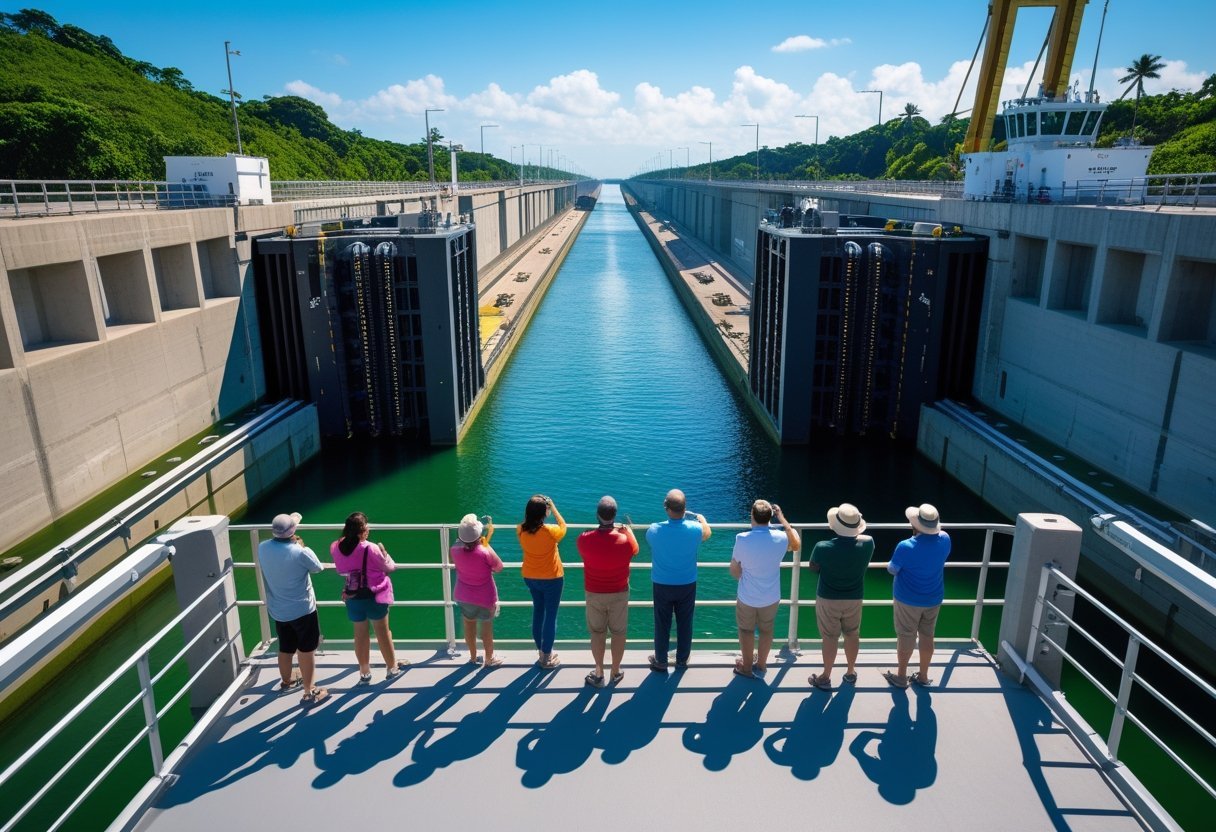
I focus on what visitors actually see and do: where to watch ships, what exhibits explain the new lock chambers, and how guided options match different interests.
Visitor Center Highlights
I start inside the visitor center, where I find large windows facing the three-chambered lock complex and Lago Gatun. Panels and short videos explain the expansion, the lock chambers, and retention basins in clear, simple terms. Staff at the desk answer practical questions about ship schedules and best viewing times.
A small gift shop sells maps, postcards, and canal-themed souvenirs. Restrooms and shaded seating are available outside the building. There is no full museum, so the center focuses on live viewing and concise interpretive media rather than long exhibits.
Guided Tours and Activities
I can join guided tours that explain lock mechanics, ship traffic control, and expansion history. Guides point out features like the new wider lanes, the Pacific-side Cocoli gate structures, and how retention basins save water. Tours vary: short walk-throughs for casual visitors and longer technical talks for people who want more detail.
Some operators offer boat trips that transit the locks or cruise past the approach channels. These timed experiences let me see vessels enter and fill the chambers. I book tours in advance on busy days and check current schedules at the visitor center to avoid missed departures.
Viewing Platforms
I head to multiple viewing platforms that provide distinct angles of the lock operation. The main terrace gives sweeping views of the three chambers and is best for photos. A lower platform near the waterline offers close-up views of gate mechanisms and tugs guiding ships.
Benches and shaded awnings are placed at both spots. I use binoculars to watch craft and read identification plaques that name visible structures like the retention basins and approach channels. For timed ship transits, I arrive early to claim a front-row spot.
Planning Your Visit
I give exact details on times, how to get there, access for mobility needs, and tips that save time and money. Use the info below to pick the best day, transport, and items to bring.
Operating Hours and Admission
I check hours before I go because opening times can change for maintenance or special operations. The Cocoli Locks observation areas often follow standard visiting hours for the Panama Canal expansion sites, but some parts close earlier. Expect weekday daytime hours; weekends may be busier, and hours can differ.
Admission may be free for outdoor viewpoints, but the observation center or visitor facilities can charge a small fee. I recommend checking current hours and ticket prices online the day before visiting. If you plan to join a guided tour, book in advance to lock in a time and price.
How to Get There
I travel from Panama City by car or taxi; the drive to Cocoli Locks takes about 30–45 minutes, depending on traffic. Use the Pan-American Highway (via Arraiján/Cocoli exits) and follow signs to the Canal expansion sites.
Public transport options exist, but are slower and require transfers. If I use public buses, I plan extra time for a taxi shuttle from the nearest stop. Parking is usually available but can fill on peak days; I arrive early to secure a spot. For tours, many operators include round-trip transport from central hotels.
Accessibility Information
I look for ramps, paved paths, and accessible restrooms before visiting. The modern expansion sites, including Cocoli, were built with public viewing areas that tend to be wheelchair-friendly, but surface slopes and gravel can make some spots harder to reach.
If I need special assistance, I call ahead to confirm elevator access, parking spaces, and restroom options. I also bring a companion if I expect mobility help. Service animals and folding mobility aids typically work well in outdoor observation areas, but I verify any rules about animals with staff before arrival.
Visitor Tips
I bring binoculars and a camera with a zoom lens to see ship details from the observation platforms. Peak viewing is mid-morning when ship transits often occur, so I aim to be there by 9:00–10:00 a.m. to catch activity and avoid the hottest midday sun.
I pack water, sun protection, and light snacks; shade is limited at outdoor viewpoints. I wear comfortable shoes for walking short, uneven stretches. If I want guided commentary, I choose a tour that includes the Cocoli Locks or hire a licensed local guide; this gives context about the expansion and lock operations. For current visitor experiences and booking options, I check a local guide online for up-to-date practical tips.
Impact of the Expansion
I describe how the expansion changed traffic, economics, and the environment around the Cocoli area. I point to concrete changes in ship size, transit volume, and local infrastructure needs.
Economic Benefits
I note that the new Cocoli and Agua Clara locks allow NeoPanamax ships to transit, which raises the canal’s cargo capacity. This change lets ports and shippers move larger container loads per voyage, cutting per-unit transport costs for many trade routes.
Local jobs grew during construction and in ongoing lock operations, maintenance, and visitor services near the Cocoli observation points. Panama’s toll revenue rose as the canal handled more and larger ships. Inland businesses also saw gains from increased port calls, truck traffic, and warehousing demand.
Ports on both coasts have invested in accepting bigger ships. That investment spurred dock upgrades and deeper channels at some U.S. and regional ports, shifting freight patterns and affecting freight rates on certain lanes.
Environmental Considerations
I stress water use and habitat effects as major concerns for the expanded locks. The new locks use water-saving basins that recycle a portion of the water in each lockage, reducing freshwater loss compared with simple gravity-fill chambers. This design helps protect Gatun Lake’s supply, which the canal depends on.
Construction and increased ship traffic changed local shorelines and required new channels and basins. Those works affected mangrove areas and required careful mitigation measures. Authorities monitor water quality and biodiversity now to detect impacts on fish and wetland species.
Emissions from larger ships can rise per transit, but moving more cargo per ship can lower emissions per container. I point out that actual climate effects depend on fuel type, ship speed, and how often the larger ships call on the canal.
Global Shipping Advantages
I explain that the third lane shortened wait times and eased bottlenecks for many transits. More frequent passages of NeoPanamax vessels improved scheduling reliability for carriers on the Asia–East Coast and Asia–Gulf trade lanes.
Shippers gained efficiency by loading more containers per vessel, reducing the number of sailings needed for the same cargo volume. That produced lower unit costs and helped some supply chains become more predictable.
The expansion also shifted routing choices for carriers. Some routes that once favored longer, alternative passages now use the Panama Canal for time and fuel savings. I link this to the canal’s 2016 milestone transit of a NeoPanamax ship, which marked the operational start of the expanded locks (see Panama Canal expansion details).
Nearby Attractions
I often pair a visit to the Cocoli Locks with a stop at the Agua Clara Visitor Center. The center sits on the Atlantic side and gives wide views of the new lock chambers and Gatun Lake. You can watch ships move and learn about the expansion’s design.
I walk short drives to see the original Gatun Locks and the nearby Miraflores area. Miraflores is a good spot to compare the older locks with the new Cocoli construction. If you want context on the expansion, read more about the project details at the Panama Canal expansion project overview.
I sometimes visit nearby towns for food and local crafts. Small cafes and markets near Arraiján offer quick meals and souvenirs. They give a simple, local contrast to the industrial scale of the locks.
I recommend bringing a camera and binoculars for birdwatching and ship spotting along Gatun Lake. The area blends engineering views with wildlife sightings. That mix makes the trip more than just a technical tour.
Future Developments for the Panama Canal
I watch ongoing plans that aim to keep the canal competitive and resilient to climate change. Engineers and officials study ways to manage water use, improve transit efficiency, and handle larger or specialized vessels.
I expect investments in reservoirs, pumping systems, and more precise scheduling tools. These changes would help keep water levels steady during droughts and increase the number of daily transits without harming local communities.
I follow proposals for new technology at terminals and locks, like better sensors and automation. Upgraded equipment can speed lock cycles and give pilots clearer data for safe passages.
I note discussions about capacity beyond the Third Set of Locks. Expanding access at ports, deepening channels, or adding tug and pilot services could shape future trade routes.
I include one quick comparison to clarify trade-offs:
- Water-saving projects: help operations during dry seasons but cost more upfront.
- Capacity upgrades: let larger ships pass, but require port and channel changes.
- Digital and automation upgrades: improve safety and throughput with lower environmental impact.
I remain careful not to claim timelines or final budgets since plans evolve. For updates on completed work and official announcements, see the Panama Canal Authority’s page on the expanded canal.
Frequently Asked Questions
I list clear facts about the Cocoli Locks, how they work, how to visit, and why they matter for ships and the environment. I focus on specific features, differences from the original locks, benefits for shipping, tour options, construction challenges, and sustainability measures.
What are the main features of the Cocoli Locks in the expanded Panama Canal?
The Cocoli Locks form the Pacific-side set of new locks added during the 2009–2016 expansion. They include multiple chambers that raise and lower NeoPanamax ships and larger retention basins that store water for lock operations.
The site offers observation points for visitors to watch ship transits. The complex increases in width and depth compared with older locks to handle much larger vessels.
How does the new lock system differ from the original Panama Canal locks?
The new locks use wider and deeper chambers to fit NeoPanamax ships that the original locks could not handle. They also rely on rolling gates and more modern hydraulic and electrical systems.
Unlike the original gravity-fed single-chamber model, the expansion includes water-saving basins that recycle part of the lock water. This recycling reduces freshwater use per transit compared with the older locks.
What are the benefits of the Panama Canal Expansion for global shipping?
The expansion allows larger container ships and tankers to transit, which reduces the need for longer routes around South America. That change lowers transit times and can cut fuel costs for many shipping lines.
Ports and shipping schedules gained more flexibility, and global trade routes shifted because carriers could use larger ships through the Panama shortcut.
Can visitors take a tour of the Cocoli Locks, and if so, how does one arrange a visit?
Yes. Visitors can view ship transits from observation areas near the locks and learn about the expansion at nearby visitor facilities. Trip sites and tour operators list guided visits and pickup options in Panama City; check a tourism listing like the TripAdvisor page for visitor reviews and booking tips.
I recommend booking ahead during high season. Tours often include transport from the city and timed visits to watch ships move through the chambers.
What were the engineering challenges faced during the construction of the Cocoli Locks?
Builders had to excavate large volumes of rock and earth while working in a tropical climate with heavy rain seasons. They also needed to design and install massive gates and sealing systems that can withstand ocean tides and ship impacts.
Coordinating water management and building reliable pumping and electrical systems presented further technical hurdles. The project required precise alignment of multiple chambers and integration with existing canal infrastructure.
How do the Cocoli Locks contribute to the environmental sustainability of the canal?
The locks use water-saving basins to recycle a significant portion of the water used in each lockage. This design lowers the freshwater drawn from Gatun Lake per transit compared with older locks.
Operators monitor water use and adapt scheduling during droughts to maintain lake levels. The expansion aimed to balance increased ship capacity with reduced incremental freshwater demand.