



7 Fun Things To Do In Bocas del Toro, Panama (Local Tips)
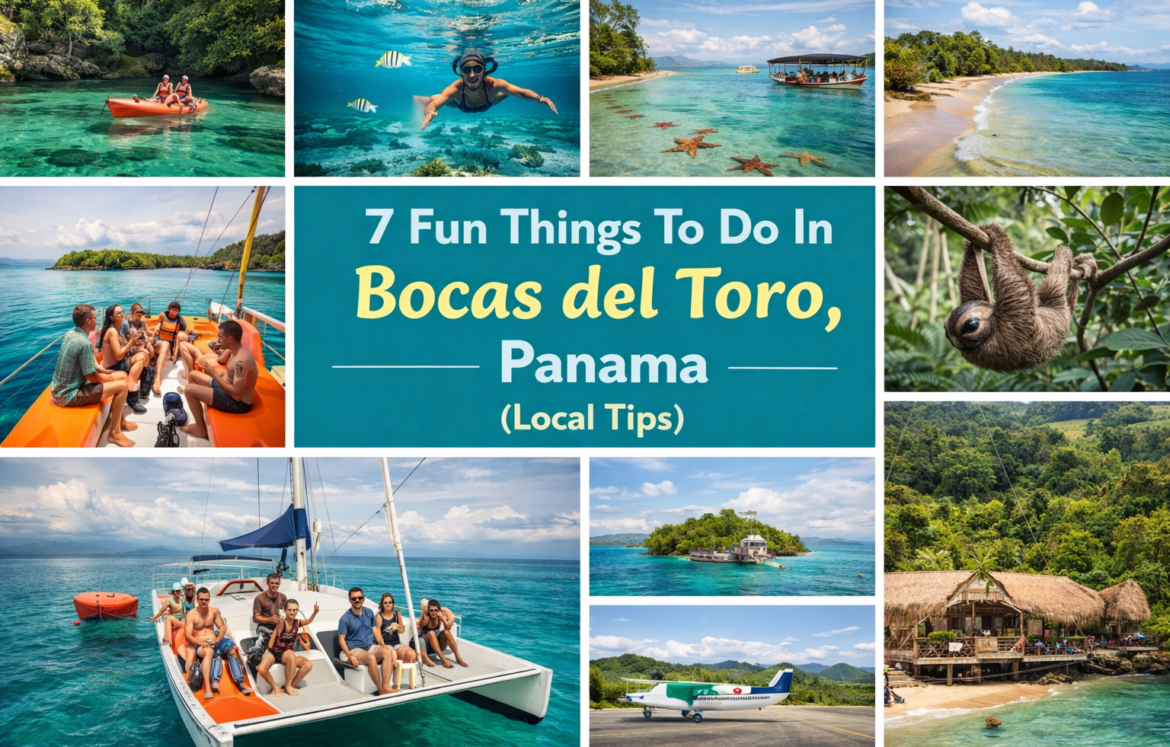
You’ll find a mix of chill beaches, lively local spots, and wild nature that make things to do in Bocas del Toro, Panama, easy to love. I’ll show you seven fun things to do that let you island hop, snorkel colorful reefs, taste local food, spot wildlife, and enjoy the town’s nightlife—plus real tips I use to make each activity smoother and safer.

Move through Bocas Town, explore nearby islands, and dive into clear water with confidence using my local tips. I keep advice practical so you can spend less time planning and more time enjoying the islands, wildlife, and food.
Exploring Bocas Town
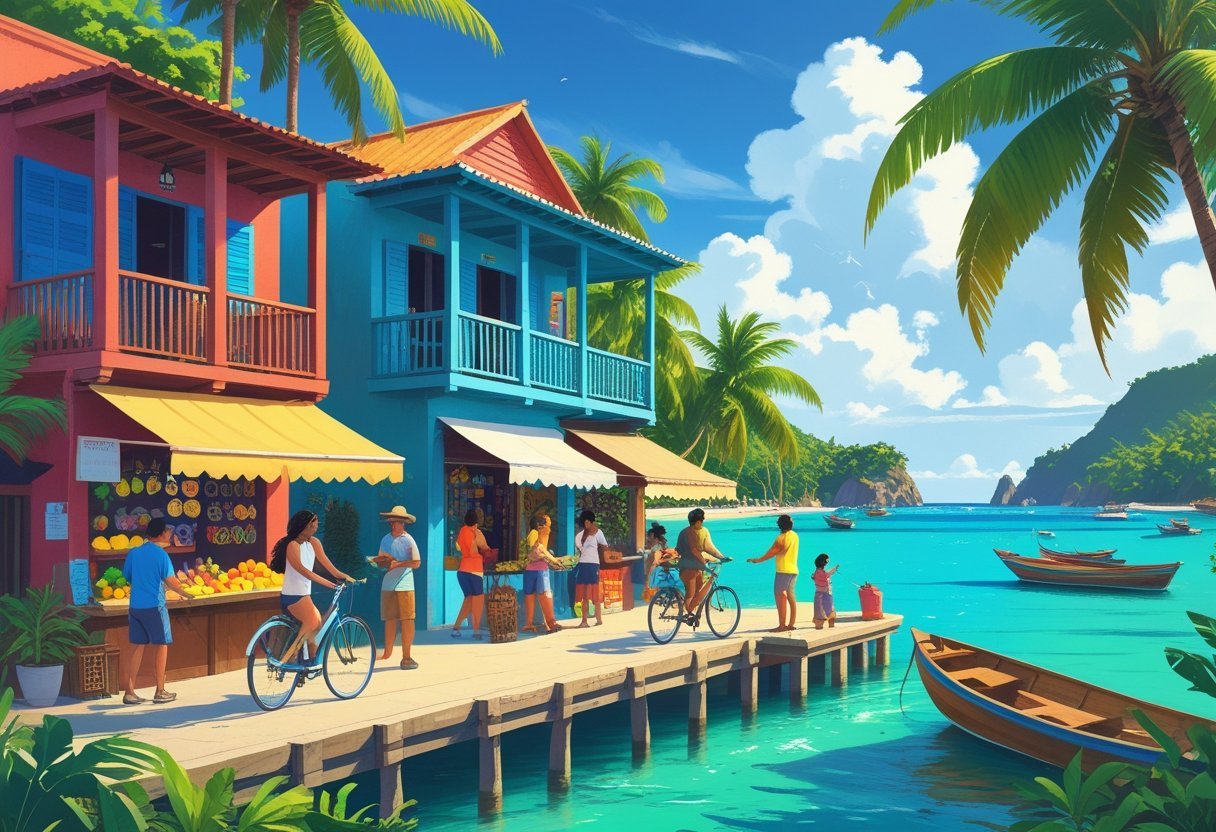
I walk the town every time I visit to soak up the waterfront life, shop for local crafts, and spot old colonial buildings. These areas sit close together, so you can cover them on a single afternoon.
Vibrant Waterfront Walks
I start at the main pier in Bocas Town to watch water taxis arrive and leave. The boardwalk is busy but easy to navigate. Food stalls and small cafés line the water, so I grab coffee and fresh fruit while I watch fishermen unload their catch.
Colors stand out—bright boats, painted storefronts, and flowering trees. I walk toward the eastern boardwalk for quieter views and toward the central plaza when I want more action. Keep cash handy for quick snacks and tips for boat crews.
Safety is simple to manage: stick to well-lit areas after dark and watch your belongings where crowds gather. I often use the waterfront paths to time boat departures and meet guides.
Local Artisan Markets
I visit the artisan market near the town center to look for handmade jewelry, woven bags, and local art. Vendors usually display items on tables or under tarps, which makes browsing easy. I ask about materials—many pieces use natural fibers, seeds, and recycled items.
Haggling is normal but polite—start about 20–30% below the asking price. I check stitching and closures before buying bags or clothes. For jewelry, I inspect beads and clasps to avoid breakage.
Markets open most mornings and late afternoons. I bring small bills and a reusable bag. If I want a custom item, I leave extra time; some artisans can finish small repairs or make a piece the next day.
Historic Buildings Tour
I follow a short walking loop to see Bocas Town’s older wooden houses and the small church near the plaza. Many buildings date back to the island’s banana and shipping eras, and you can see architectural details like stilts, louvered windows, and corrugated roofs.
I point out plaques or murals that mark past events. I avoid entering private homes but pause at public buildings and the pier warehouses that hint at trade history. A quick stop at the small maritime museum gives context if it’s open.
Bring a good camera and wear sun protection—the streets are narrow with little shade. I read foundation dates and builder names when available; those details make the tour more meaningful.
Island Hopping Adventures
I focus on short boat rides, snorkeling spots, and where to expect crowds or quiet beaches. I note what to pack, how long each trip lasts, and the best time of day to go.
Red Frog Beach Excursion
I take the water taxi from Bocas Town to Isla Bastimentos for Red Frog Beach. The boat ride is about 25–35 minutes, depending on sea conditions. Arrive early to find parking for your belongings and avoid the mid-day crowd from day tours.
On the beach you can swim, rent a board, or walk the coastal trail to smaller coves. The sand is soft, and the waves can be good for beginner surfers near the right-hand point. Drinks and food come from a few beach palapas; bring cash and reef-safe sunscreen.
I always pack snorkel gear if I plan to explore nearby reefs, though the best snorkeling is a short boat ride away. If you want a quieter visit, combine the beach stop with a hike through the nearby rainforest trails to spot sloths and colorful birds.
Bastimentos National Marine Park
I book a guided snorkeling or boat tour that starts from Isla Colón to reach the park’s protected reefs and mangroves. The marine park covers coral reefs, seagrass beds, and small islands, so tours often include several short stops for snorkeling and wildlife watching.
Expect clear pockets of water with reef fish, rays, and occasional turtles. Guides know which reef sections are healthiest and where to anchor for easy entry. I carry a waterproof bag for my phone and a light snack for the boat.
If you enjoy kayaking, some operators offer mangrove paddles through quiet channels inside the park. Those trips give better chances to see shore birds, crabs, and the park’s quieter islands away from day-tour crowds.
Zapatilla Islands Day Trip
I joined a full-day boat tour to the Zapatilla Islands for white sand, shallow turquoise water, and near-pristine coral flats. Boats leave early, and the crossing takes roughly 45–60 minutes depending on sea state, so bring motion-sickness meds if you get queasy.
The islands are protected, so facilities are minimal—bring water, snacks, and waste bags. On the sandbar between the two islands, you can relax, swim, and snorkel over healthy patches of reef teeming with small fish and sea stars.
I recommend a tour that includes a stop at the Dolphin Bay lookout en route. That adds a chance to see spinner dolphins and breaks up the trip for younger travelers or people who prefer shorter sea legs.
Snorkeling and Diving Hotspots
I pick spots with clear water, healthy coral, and easy boat access. I focus on safety, visibility, and the best places to see reef fish, starfish, and sometimes dolphins.
Coral Cay Exploration
I head to shallow coral cays where reefs sit 3–10 meters below the surface. These sites often have branching and brain corals, abundant reef fish like parrotfish and angelfish, and small swim-throughs for beginners. Visibility ranges from 8–20 meters, depending on the weather, so I check local dive shop reports before going out.
I favor early morning trips when the water is calm and currents are lighter. Guides from local operators lead short drift dives or guided snorkel loops, point out fragile corals, and remind me to keep buoyancy high to avoid contact. Bring reef-safe sunscreen, a reef hook if you free-dive, and a surface marker buoy for safety.
Dolphin Bay Experience
Dolphin Bay has deeper channels and clearer water, where I often see spotted dolphins from the boat. This spot is best for a mixed day: brief snorkeling on nearby reefs and surface-watching for dolphin pods in the channels.
I choose operators who follow local wildlife guidelines and keep a distance from pods. When dolphins appear, I stay calm, avoid chasing them, and let the guide navigate. Bring a mask with a wide field of view and a waterproof camera; shots from the boat can be excellent when pods ride bow waves. Note that dolphin encounters aren’t guaranteed, so treat sightings as a bonus.
Starfish Beach Snorkeling
Starfish Beach offers very shallow sandy flats with large sea stars visible at low tide. I snorkel there in calm conditions to see the orange sea stars and small reef patches without needing deep-diving skills.
I go during mid to low tide for the best viewing and wear reef shoes for walking between pools. Respect the animals: I don’t touch or lift sea stars, and I keep my fins steady to avoid stirring sediment. Local guides often combine this stop with nearby coral patches and mangrove edges for a quick, rewarding half-day trip.
Relevant local dive and snorkel information can be found in detailed guides like the Bocas del Toro diving overview and practical trip listings on TripAdvisor activities.
Local Cuisine and Nightlife

I focus on where to eat fresh seafood and where to drink after dark. Expect casual beachfront spots, small kitchens run by locals, and bars that start quiet and get lively after sunset.
Seafood Restaurants to Try
I go for places that serve catch-of-the-day ceviche and whole grilled fish. Look for restaurants near the water in Bocas Town and on Isla Colon, where fishermen bring in fresh lobsters, snapper, and tuna each morning.
I recommend checking menus for daily specials and portion sizes. A few small kitchens offer fried fish plates with coconut rice and plantains for modest prices. If you want a nicer meal, pick a seated restaurant that grills the fish you choose and pairs it with local sauces.
Tips I use: arrive early for the best catch, ask for spice level on ceviche, and carry cash since some spots don’t take cards. For menus and local chatter, read recent reviews like this guide to the top things to do in Bocas del Toro.
Hidden Beach Bars
I look for bars tucked on small beaches or reached by short boat rides; they stay low-key until sunset. These spots have hammocks, reggae or calypso music, and simple menus of rum cocktails, cold beers, and fresh fruit drinks.
I prefer places with a local crowd and live music nights. Many hidden bars serve small plates—ceviche cups, empanadas, and grilled shrimp—so you can snack while you drink. Safety tip: plan your return boat or taxi before it gets late; services thin out after midnight.
If you want ideas for lively night options and top spots in town, check a nightlife roundup that lists bars and live music venues around Bocas.
Wildlife Encounters

I focus on places where you can see animals safely and respectfully. Expect slow-moving sloths, many birds, and guides who prioritize animal welfare and habitat protection.
Sloth Sanctuary Visit
I book a guided visit to a reputable sloth sanctuary near Isla Colón or Bastimentos. The best sanctuaries rescue injured or orphaned sloths, give medical care, and prepare them for release when possible. I watch sloths from a short distance while guides explain their diet, behavior, and why trees matter for their survival.
I ask the guide about feeding rules and touching policies before approaching any animal. Photography with flash is usually banned. I bring light rain gear and insect repellent because sanctuaries sit in humid forest edges.
Practical tips:
- Dress: long sleeves, long pants, closed shoes.
- Timing: go early morning to avoid heat and crowds.
- Support: buy local crafts or donate directly to the sanctuary to help care for the animals.
Birdwatching Trails
I head to Isla Bastimentos National Marine Park and mainland forest edges for the best birding. Trails near Red Frog Beach and the mainland mangroves host species like toucans, trogons, and hummingbirds. I bring binoculars and a field guide or phone app to identify calls and colors.
I hire a local guide who knows seasonal hotspots and when birds are most active. Dawn and late afternoon give the highest chance to see parrots and raptors. I stay on marked trails to protect nests and avoid disturbing feeding areas.
Quick checklist:
- Gear: binoculars, hat, water, and notebook.
- Best times: sunrise and late afternoon.
- Behavior: move quietly, speak softly, and keep a respectful distance from nests.
Cultural Experiences
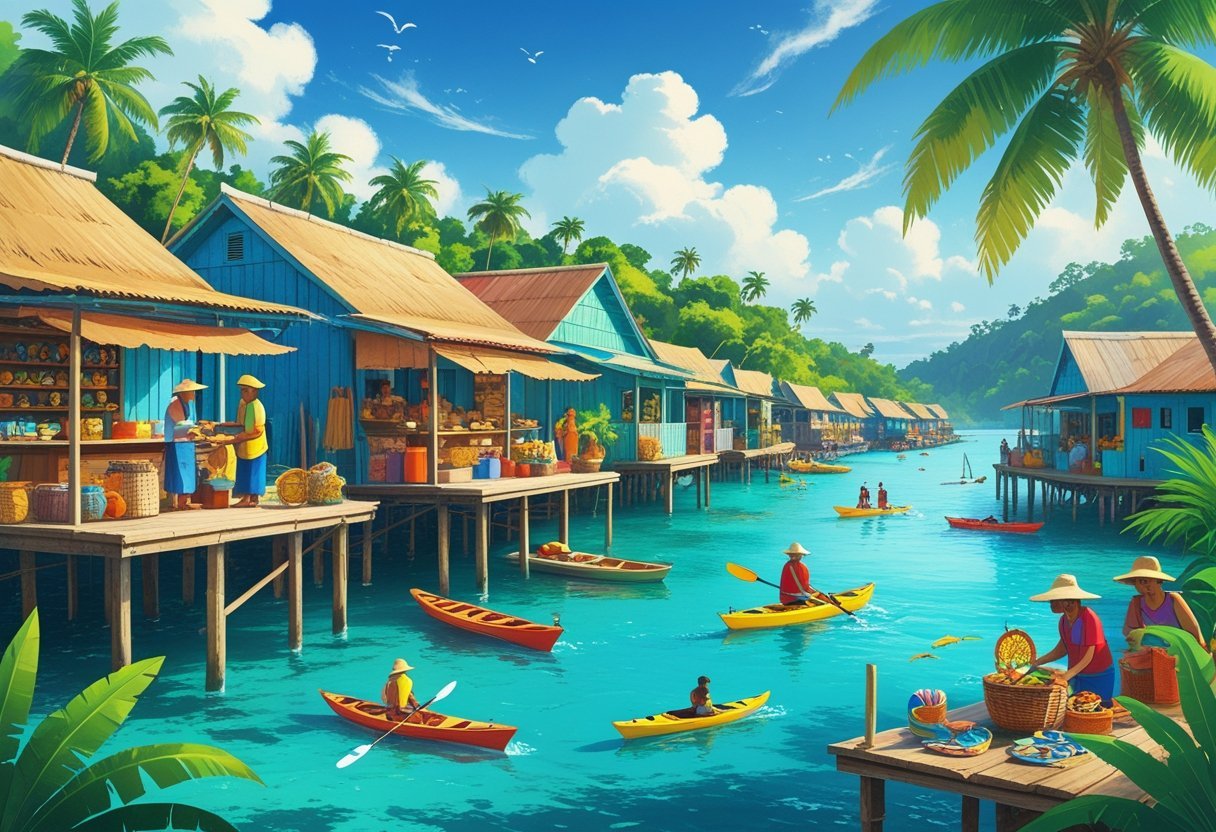
I recommend two hands-on cultural activities that connect you to island life: community tours with Ngäbe-Buglé families and small-group chocolate workshops on cacao farms. Both offer direct interaction, tangible crafts, and clear chances to support local livelihoods.
Ngäbe-Buglé Community Tours
I visit Ngäbe-Buglé communities to learn about daily life, traditional weaving, and small-scale farming. Tours often include a guided walk through family plots where they grow plantains, cassava, and cacao. I pay attention to explanations about crop cycles and food preparation; these details show how island food systems work.
Workshops on weaving are common. I try a short lesson in making a handwoven mola or basket. Prices are usually set by the families; I ask beforehand and bring small bills to pay craftmakers directly.
Expect practical logistics: many communities require a short boat ride from Bocas Town and modest entrance fees. I wear sun protection and bring water. If a tour mentions a home meal, I confirm dietary needs in advance.
Artisan Chocolate Workshops
I recommend a half-day chocolate workshop on a small cacao farm to see bean-to-bar production up close. Workshops typically start with a farm tour, where I learn to identify ripe cacao pods and see fermentation boxes and drying racks. The guide explains fermentation time and why it matters for flavor.
Hands-on sections let me crack open pods, remove beans, and grind nibs using simple equipment. I taste samples at different stages—fresh pulp, fermented beans, roasted nibs—to note flavor changes. Small groups mean I can ask about roasting times and flavor profiles.
Most workshops include a short lesson on ethical buying and how local farmers sell beans. I buy bars or small bags directly from the farm when possible; it helps pay for future crops and supports local producers.
Tips for Responsible Travel in Bocas del Toro
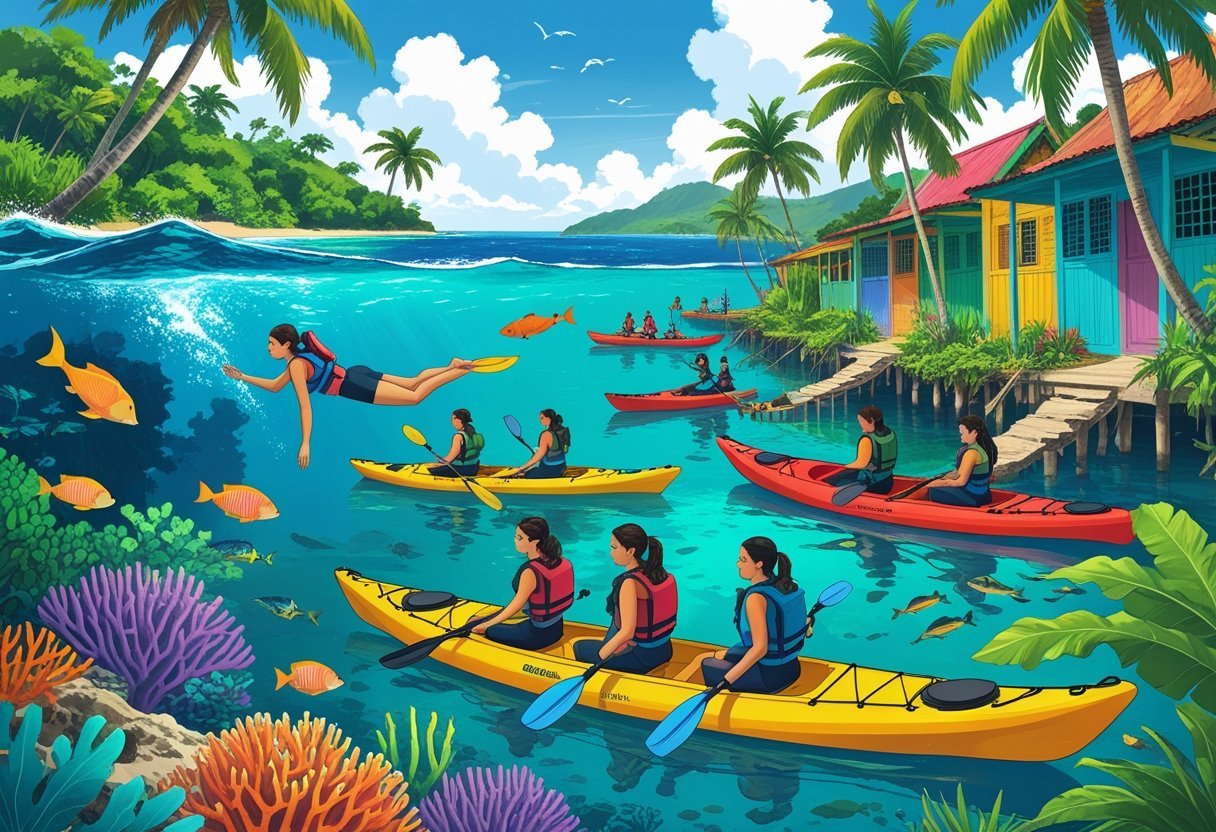
I try to leave places cleaner than I found them. Carry a small trash bag for wrappers and cigarette butts, and dispose of them in town bins when possible. Avoid leaving plastic on beaches or in the jungle.
I respect wildlife by keeping a distance and not feeding animals. Watching sloths, birds, and fish from afar keeps them safe and prevents dependency. If I join a tour, I pick operators who follow wildlife-friendly rules.
I choose local businesses to help the community. I eat at small restaurants, hire local guides, and buy handmade goods when I can. This keeps money in the islands and supports traditional ways of life.
I conserve water and energy during my stay. Short showers and switching off lights and fans when I leave a room reduce strain on limited island resources. I also refill a reusable water bottle instead of buying single-use plastic.
I follow reef-safe practices when snorkeling or diving. I use biodegradable sunscreen, avoid touching coral, and enter the water from sandy spots. These steps help protect fragile marine life.
I learn a few Spanish phrases and ask before taking photos of people or homes. A polite greeting goes a long way and shows respect for local culture. If I’m unsure about local rules, I ask a guide.
- Check tour operators for eco-certifications.
- Avoid single-use plastics.
- Support community-led experiences.
Frequently Asked Questions
I list practical answers about activities, hidden spots, snorkeling and diving, local food, weather, and ways to travel responsibly in Bocas del Toro. Each reply gives clear locations, tips, and what to expect so you can plan with confidence.
What are the top activities to experience in Bocas del Toro for adventure seekers?
I recommend surfing at Playa Bluff and Wizard Beach for strong breaks and consistent waves. Both require caution—Playa Bluff has strong currents, and Wizard Beach needs a boat or a long hike.
I also suggest island hopping to Red Frog Beach and Zapatilla Cays for remote beaches and short jungle hikes. You can add a dolphin-spotting boat tour from Bocas Town for wildlife and open-water views.
Which hidden gems should visitors explore in Bocas del Toro?
I like the mangrove canals near Isla Colon for quiet birdwatching and calm paddling. Local guides run short tours that show crabs, sloths, and rare shorebirds.
Another gem is Starfish Beach on Bastimentos for shallow water full of colorful starfish at low tide. It gets fewer visitors than the main beaches and makes a peaceful half-day trip.
Can you recommend the best spots for snorkeling or diving in Bocas del Toro?
I recommend entering the water at the coral gardens around Cayo Coral and the reef zones off Zapatilla Cays for clear visibility and reef fish. Dive shops in Bocas Town run day trips with gear and briefings.
For quick snorkeling without a boat, I use the calm bay at Red Frog Beach when the tide is right. Check with a local operator about recent reef conditions before you go.
Where can tourists find authentic local cuisine in Bocas del Toro?
I eat at small fondas and roadside stalls in Bocas Town that serve fried fish, coconut rice, and plantains. Look for dishes labeled “comida típica” to get local flavors at fair prices.
I also try island cevicherías and seafood shacks on Carenero Island for fresh seafood prepared simply. Ask locals for the busiest spots—freshness usually follows local crowds.
What is the ideal time of year to visit Bocas del Toro for good weather?
I go between mid-December and April for the driest weather and calmer seas. This period gives more sun, better snorkeling, and easier boat travel.
Expect more rain and occasional rough seas from May to November, though you can still find sunny days. Book flexible travel and tours during the rainy season.
How can travelers participate in sustainable tourism while visiting Bocas del Toro?
I choose guides and operators who limit group sizes, follow reef-safe practices, and support local communities. Ask operators about waste policies and whether they use reef-safe sunscreen.
I also avoid touching coral, feeding wildlife, or taking shells. I bring a reusable bottle and buy from local vendors to reduce plastic and help the island economy.