


7 Best Vacations at Panama Canal Beach (2026)
You want a Panama Canal beach vacation that mixes warm sand, wildlife, and easy access to the Canal’s sights. I’ll show seven top spots along with when to go, where to stay, and the best activities so you can pick the trip that fits your time and budget.
If you want beaches with wildlife, clear water, and short trips to the Canal, these seven destinations offer the best balance of relaxation and adventure. Expect clear tips on timing, lodging, and how to travel responsibly so your vacation feels smooth and meaningful.
I’ll guide you through each beach choice, quick travel tips, and simple ways to support conservation while you explore, so you can plan a trip that’s both fun and thoughtful.
Overview of Panama Canal Beach Vacations
I focus on clear choices: where to stay, what to do, and how each stretch of coast differs so you can pick a beach plan that matches your pace and interests.
What Makes Panama Canal Beach Unique
I find Panama Canal beach areas unique because they combine a major engineering landmark with easy coastal access. On the Pacific side, beaches sit near the canal entrance and offer views of ships, mangroves, and wide tidal flats. The Caribbean side shows a different face: smaller islands, coral-fringed beaches, and calmer waters for snorkeling.
Local culture shapes the coastline. Fishing villages and markets are often minutes from resorts. Wildlife is common — I spot frigatebirds, herons, and sometimes howler monkeys near shore. The mix of canal history, shipping activity, and tropical nature gives these beaches a setting you won’t find in purely resort-focused destinations.
Types of Vacations Available
I recommend three main vacation types along the Panama Canal beaches: active nature trips, relaxed beach stays, and combined city-plus-coast itineraries. For active trips, choose islands or national parks for hiking, birding, and snorkeling. These trips often use small boats and local guides.
For a relaxed beach stay, I look for beachfront resorts or private-island bungalows with pool and spa options. These hubs offer easy access to sand and calm water, plus on-site dining. City-plus-coast plans pair Panama City sightseeing with a short drive or flight to beaches, letting you see the canal locks and then unwind on the sand. I consider transport time, lodging comfort, and activity level when suggesting which type fits you best.
Popular Activities Along the Coast
I list the top activities I recommend: wildlife viewing, snorkeling and diving, cultural village visits, and day trips through the canal. Wildlife tours focus on shorebirds, mangrove habitats, and occasional cetaceans near islands. Snorkel spots include coral patches and reefs on the Caribbean side, where the water is clearer.
Cultural visits take you to local markets and coastal villages, where I advise trying seafood specialties and artisan crafts. Small-ship sailing and island-hopping are common; many operators offer half- and full-day trips. For a canal-centered activity, I point visitors to transit viewing or short cruises to watch ships pass the locks. These activities balance nature, culture, and the engineering marvel that defines the region.
7 Best Panama Canal Beach Vacation Destinations
I highlight seven top Panama Canal coastal spots, the main draws at each, and what to expect for travel and services. The list covers beaches on both the Pacific and Caribbean sides and includes notes on maps and nearby Canal-area access.
Top-Rated Beaches to Visit
I recommend these beaches for clear water, wildlife, or easy Canal access:
- Isla Taboga — short ferry from Panama City, calm bays and good for a day trip.
- Santa Clara — a popular Pacific beach with long sand and resorts.
- Playa Blanca — resort-focused, pools, and family facilities.
- Venao — surf spot on the Azuero Peninsula, lively but relaxed.
- Bocas del Toro (Isla Colón) — Caribbean side, snorkeling and island hopping.
- San Blas (Guna Yala) — remote cays, excellent for low-impact island stays.
- Portobelo / Playa Negra — near historic Portobelo, mixes history with beaches.
I use a Panama Canal Beach area map when planning to see which of these beaches sit on the Pacific coast near the canal locks and which lie on the Caribbean side.
Highlights of Each Vacation Spot
I list what stands out at each place so you can choose by interest:
- Isla Taboga: village charm, short hikes, and views back to Panama City.
- Santa Clara: sunsets, beachfront hotels, and calm swimming areas.
- Playa Blanca: all-inclusive options, kid-friendly services, and easy transfers.
- Venao: consistent surf breaks, surf schools, and a small nightlife scene.
- Bocas del Toro: coral reefs, diving trips, and colorful Caribbean culture.
- San Blas: remote sand cays, Guna community stays, and pure snorkeling.
- Portobelo/Playa Negra: colonial forts nearby, quieter beaches, and boat trips.
I include which activities each beach is best for — surfing, snorkeling, family resorts, or quiet island time — so you can match the spot to your plans.
Accessibility and Local Amenities
I cover how to get there and what services to expect:
- Isla Taboga: 30–60 minute ferry from Panama City; basic inns, restaurants, and short taxi routes.
- Santa Clara & Playa Blanca: 1.5–2.5 hour drive from the city; resorts, shuttle services, and beach gear rental.
- Venao: 4–5 hour drive or short domestic flight to nearby Pedasí; surf shops and guesthouses.
- Bocas del Toro: 1-hour flight to Bocas Town or bus + water taxi; hostels, dive shops, and eateries.
- San Blas: 2.5–3.5 hour 4×4 + boat from Panama City; few amenities, simple Guna-run lodgings.
- Portobelo/Playa Negra: 2–2.5 hour drive along the Caribbean coast; small hotels, historical sites, and local markets.
I advise checking a current Panama Canal map for road and ferry routes, and I suggest booking transfers ahead for remote islands to secure boats and flights.
Best Time to Visit Panama Canal Beach
I pick months based on weather, crowds, and events so you get sunny beach days, calm seas for boat trips, and local festivals if you want culture. Below I explain the climate patterns and the main events that shape travel plans.
Weather and Climate Overview
I find Panama’s dry season, December through April, the best for beach time. Expect plenty of sun, lower humidity, and warm sea temperatures around 27–29°C (81–84°F). This is ideal for swimming, snorkeling, and canal-watching from coastal viewpoints.
The green (rainy) season runs from May to November with heavier afternoon rains and higher humidity. Mornings are often clear, so you can still plan early boat trips or hikes. Note that October and November can be the wettest, which can cause rougher seas and occasional road delays.
If you want fewer crowds and lower prices, consider shoulder months like late April or early December. I recommend booking canal cruises and popular beach lodgings well in advance for December–March.
Seasonal Events and Festivals
Panama celebrates Carnival in February or March, depending on the liturgical calendar. I advise booking early if you want to join parades, as hotels fill fast in Panama City and coastal festival towns. The festivities include colorful street parades, lively music, and local food stalls.
Independence Day (November 3) and Separation Day (November 28) bring parades and community events across the country. These dates give a chance to see local culture but can mean busy transport and higher local demand for services.
For wildlife viewing, I watch turtle nesting seasons on Caribbean and Pacific coasts (typically July–October for many species). If birding or wildlife is your priority, plan specific coastal stops and check local guides for exact timing.
Accommodation Options Near the Panama Canal
I focus on places that put you close to canal sights, wildlife, and tour departures. You will find luxury resorts with views, family rooms and pools, and budget options near transit and local food.
Luxury Resorts and Hotels
I recommend hotels with canal or city views, on-site dining, and concierge help for booking canal cruises. Many luxury properties in Panama City offer rooftop pools and rooms facing the Pacific entrance to the Canal. These hotels often provide airport transfer, private tours to Miraflores Locks, and early-morning birdwatching excursions into nearby green corridors.
If you want a quieter rainforest setting, consider lodges inside Soberanía National Park for direct access to nature and guided boat trips on Gatun Lake. For booking and reviews of high-end options near the canal, I check listings on major travel sites like Tripadvisor’s hotels near Panama Canal.
Family-Friendly Stays
I look for rooms or suites with two bedrooms, kitchenettes, and easy access to family activities. Hotels that offer kids’ pools, babysitting, and tour desks make canal visits easier. Staying in central Panama City gives quick drives to Miraflores Visitor Center and fenced waterfront promenades for safe strolls.
Vacation rentals and condos work well for families who need space and a kitchen. Platforms like Airbnb and Vrbo list family-focused properties with play areas and nearby supermarkets. I book properties that list free parking and child safety features when traveling with toddlers.
Budget-Friendly Lodging
I choose guesthouses, hostels, and small hotels near transit hubs to save on transport to canal sites. Many budget stays in Panama City place you near the Metro and bus lines, which cut taxi costs to Miraflores Locks and Amador Causeway. Look for places that include breakfast, secure luggage storage, and strong Wi‑Fi.
If you prefer a nature budget option, eco-lodges around Gatun Lake and Soberanía Park offer modest rooms and shared facilities with guided tours priced separately. To compare low-cost options and flexible booking, I use aggregators like Hotels.com’s Panama Canal Zone listings.
Things to Do at Panama Canal Beach
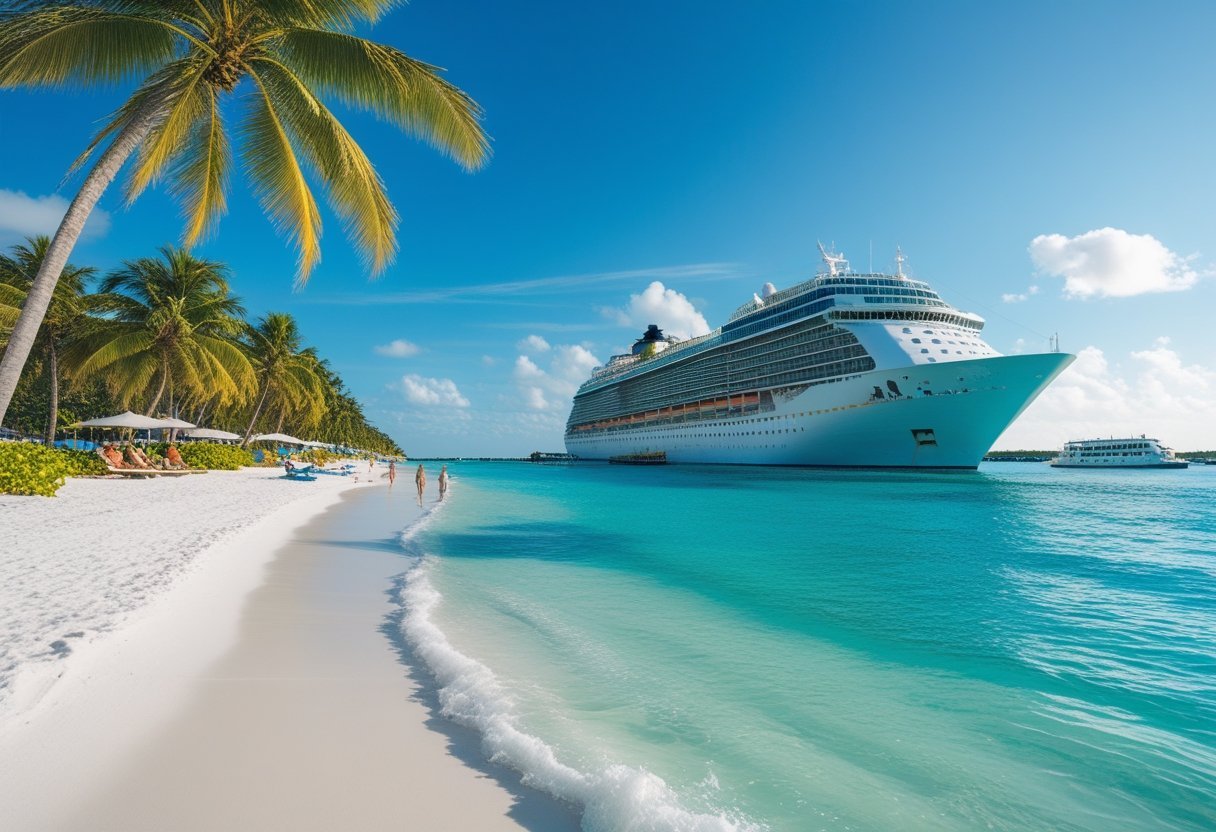
I focus on clear, practical activities you can do near the Panama Canal beaches: water fun, wildlife and trails, and nearby history and culture. Each option lists what to expect, where to go, and simple tips to get the most from the visit.
Water Sports and Marine Activities
I start with the most popular options: swimming, snorkeling, and small-boat sailing along the Pacific and Caribbean coasts near the canal. Playa Bonita and nearby resort beaches offer calm bays for paddleboarding and guided snorkeling trips to reef patches. I recommend booking a half-day snorkeling trip in the morning when water visibility is best.
For boat options, I choose either a short charter for sportfishing or a small-ship sail that follows the canal mouth. Rental shops at larger beaches supply kayaks, SUPs, and basic safety gear. Bring reef-safe sunscreen, a lightweight water shoe, and a dry bag for your phone.
If you want to go farther, I can arrange a day boat to nearby islands for clearer water and better snorkeling. Check tide charts and local forecasts before going out. Guided operators usually include transport, gear, and a short safety briefing.
Wildlife Watching and Nature Trails
I head to Soberania National Park and coastal mangroves for birding and light hikes. The park, close to the canal, hosts hundreds of bird species; I watch for toucans, parrots, and raptors along Pipeline Road. Early morning visits give the best sightings and cooler temperatures.
Along the shoreline and in estuaries, I look for crabs, shorebirds, and unique mangrove roots. Guided mangrove boat tours explain tidal ecology and often spot howler monkeys or iguanas on nearby shores. I bring binoculars, insect repellent, and a field guide app to help with quick IDs.
Short coastal trails near resort beaches usually take 30–90 minutes and offer lookout points over ships entering the canal. I plan hikes for late afternoon to avoid midday heat and to catch more animal activity.
Historical and Cultural Sites
I visit viewpoints and museums that explain the canal’s history and local culture within short drives of the beaches. Miraflores Locks Visitor Center offers close-up views of ships and interactive exhibits about canal construction. I allow 1–2 hours for the center and the observation terraces.
For local culture, I stop at small coastal villages and markets to try fresh seafood and talk with vendors. Playa Bonita’s resort district gives historical context and modern amenities in one spot, with restaurants that often serve Panamanian ceviche and fried fish.
I combine a canal museum visit with a walk through nearby neighborhoods in Panama City if time allows. Public transit and short tours make it easy to add a cultural stop to a beach day.
Travel Tips for Visiting the Panama Canal Area
I focus on concrete steps that make a visit easier: getting to key spots, moving around without wasting time, and staying safe and healthy while you watch ships and visit locks.
How to Get There
I fly into Tocumen International Airport (PTY) for the fastest route; it’s 24 km east of Panama City. From PTY, I take a taxi or a prepaid airport shuttle to Casco Viejo or Amador Causeway. Expect 25–40 minutes, depending on traffic.
If I want to see the Miraflores Locks early, I stay in the nearby district of Balboa or use a taxi from the city center; it’s about 20 minutes from downtown. For an actual canal transit, I book a partial or full transit cruise from Balboa Marina or a day cruise that departs from Amador. I check schedules ahead, since cruise slots and lock visits fill up in high season.
I use a map of the Panama Canal Beach area on my phone to mark Miraflores, Pedro Miguel, Gatun Locks, and the visitor centers. That helps me plan travel time, pick the best viewing spots, and avoid mid-day traffic jams.
Local Transportation
I rely on taxis, the Metro, and buses. Panama City’s Line 1 Metro runs from Albrook to San Isidro; it’s fast and avoids surface traffic for parts of the route. Metro plus a short taxi or bus often gets me to Amador Causeway or Miraflores efficiently.
Taxis are plentiful, but I use official taxis (red with a yellow triangle) or app drivers like Uber. I confirm the fare before I ride when using street taxis. For short tourist trips, I budget $5–15 USD; airport transfers cost more.
If I visit Gatun Locks or Caribbean-side spots, I take an intercity bus from Albrook Bus Terminal or arrange a shared shuttle. I carry local cash (balboa or small USD bills) for buses and small purchases. I keep a saved offline map of the Panama Canal area on my phone in case cellular service is spotty.
Safety and Health Advice
I lock up valuables and avoid empty streets at night. Petty theft happens in tourist areas; I keep cameras and phones secure when taking photos at vantage points like Miraflores or Amador Causeway.
I drink bottled water when outside major hotels and carry sunscreen and a hat; Panama is hot and humid year-round. I bring insect repellent for trips to Monkey Island or Soberanía National Park near the canal.
I check local weather and tide conditions before boat trips; heavy rain can delay canal visits or cruises. I also carry a basic first-aid kit and have travel insurance that covers medical care and trip cancellations.
Sustainable Tourism and Conservation
I focus on actions that protect beaches, reefs, and local communities while still letting visitors enjoy the Panama Canal Beach coast. I highlight practical ways travelers can reduce waste, support wildlife protection, and back local projects.
Eco-Friendly Activities
I pick tours and activities that leave a small footprint. I look for small-boat wildlife excursions around Gatun Lake that use electric or low-emission engines to cut noise and fuel use. I choose guided birding trips with trained naturalists who follow marked trails and avoid disturbing nesting sites.
I bring reusable water bottles and reef-safe sunscreen to protect mangroves and coral. I favor lodging that publishes water- and energy-use figures and that treats wastewater onsite. Snorkeling and kayaking are my go-to low-impact options; I avoid motorized jet-ski rentals in protected bays.
If I book a boat tour, I ask operators about their conservation fees and whether they fund local patrols or habitat restoration. I also seek eco-resorts and lodges listed among Panama’s top sustainable stays, which often combine comfort with clear environmental practices. (See an overview of eco-resorts and sustainable travel options in Panama.)
Community Initiatives to Protect the Coast
I support community programs that combine livelihoods with coastal protection. I buy crafts and food from village cooperatives that reinvest profits into beach cleanups and mangrove replanting projects. I join volunteer days—many communities run monthly trash collection and shoreline restoration events open to visitors.
I favor tour operators that employ local guides and pay fair wages. That direct income reduces pressure on fishing and logging. I also look for initiatives that teach sustainable fishing and aquaculture, which protect reef fish stocks while giving families a steady income.
When possible, I donate or pay small conservation levies tied to specific actions, like patrol boats to stop illegal logging or funds for environmental education in coastal schools. These targeted contributions often show clear results and local accountability.
Frequently Asked Questions
I highlight specific resorts, price ranges, weather windows, family-friendly beaches, unique activities, and money-saving planning steps. You will find clear, practical answers you can use when choosing dates, booking lodging, and packing for a Panama Canal beach trip.
What are the top all-inclusive beach resorts near the Panama Canal for 2026?
I recommend looking at well-reviewed all-inclusive resorts along Panama’s Pacific coast and on nearby islands. For an easy start, check a current list of the best all-inclusive resorts in Panama to compare amenities, family options, and room types.
Look for resorts offering shuttle service to Panama City or arranged canal tours. Choose properties that include meals, transfers, and on-site activities to simplify logistics.
How much does a typical all-inclusive Panama vacation package cost in 2026?
I see typical prices vary by season, resort level, and length of stay. Expect low to mid-range all-inclusive packages from roughly $800–$1,500 per person for a 5–7 night stay, and luxury packages often start around $2,000 per person.
Booking outside peak months and using package deals that bundle flights and hotels can drop costs significantly.
What are the best times of year to visit Panama Canal beaches for optimal weather?
I recommend the dry season, roughly mid-December through April, for the sunniest beach weather and calmer seas. This period gives the best chance of clear days for beach time and boat trips.
If you prefer fewer crowds and lower prices, consider the shoulder months of November or May, when the weather is still acceptable, but rates fall.
Which Panama Canal beach destinations are recommended for families?
I suggest family-friendly spots with calm waters and easy access to services, such as Bocas del Toro for shallow beaches and family resorts near Panama City for short transfers. Smaller island hotels often offer kids’ programs and family rooms.
Prioritize places with lifeguards, shallow beaches, and nearby medical facilities if you travel with young children.
Are there any unique beach activities near the Panama Canal for tourists?
I recommend activities beyond sunbathing: mangrove kayaking, guided wildlife walks, and small-ship sailing along the Pacific coast. You can also schedule a day trip to watch ships transit the canal from nearby viewpoints.
Look for local operators offering snorkeling trips to coral patches, village visits to learn Indigenous crafts, and archaeological site tours combined with beach time.
How do I plan a budget-friendly vacation to the Panama Canal beaches?
I plan savings by booking flights early, traveling in shoulder months, and choosing all-inclusive mid-range resorts that include meals and transfers. I also compare bundled packages that combine hotel and airfare on major booking sites to find lower rates.
I save more by using public ferries or shared transfers instead of private shuttles, and by prioritizing free or low-cost activities like beach days, hiking, and self-guided town walks.