


20 Awesome Things to Do in Chiriquí, Panama: A Complete Guide
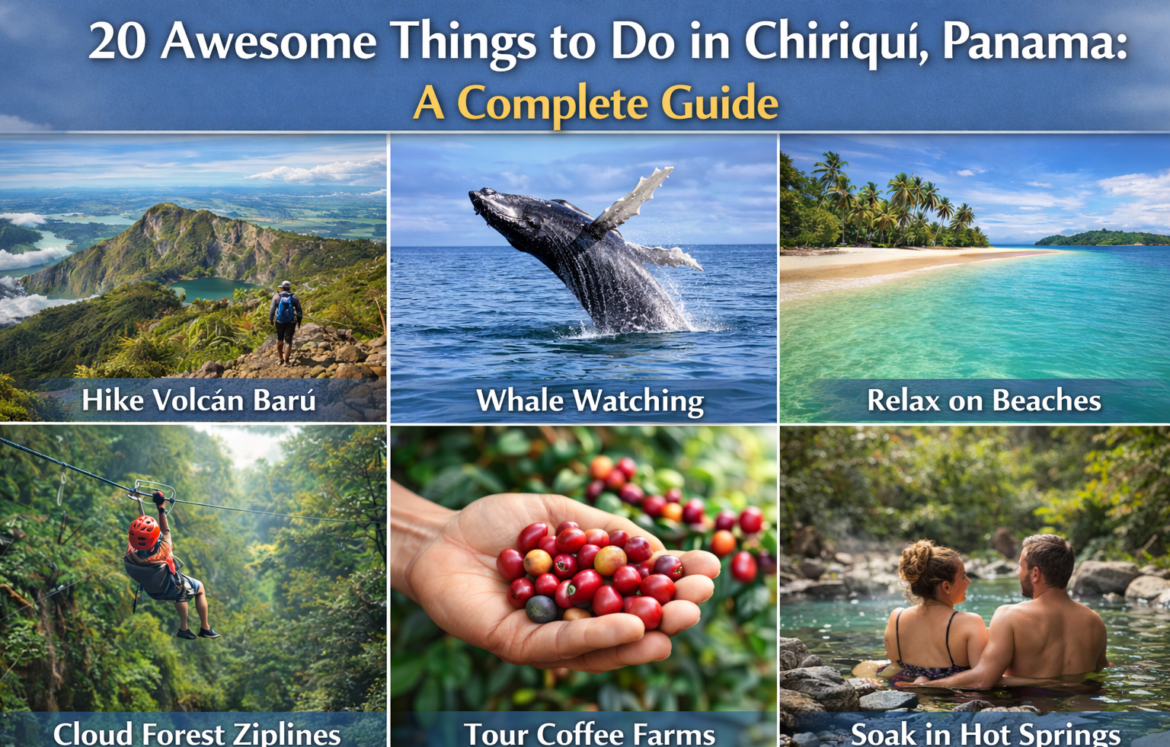
I know Chiriquí, Panama, and I’ll show you why it should be next on your list. You’ll find cool highlands, cloud forests, coffee farms, and ocean islands all within one province. If you want a mix of big outdoor adventures, easy day trips, and relaxed island time, Chiriquí delivers all of that in one place.
I’ll guide you through getting there and getting around, top hikes and water activities, the best day trips into the highlands, and family-friendly options in and around David. Expect clear tips on where to stay, practical safety advice, and what life looks like if you think about buying property or staying longer in Chiriquí Province, Panama.
Why Visit Chiriquí: What Makes This Province Unique
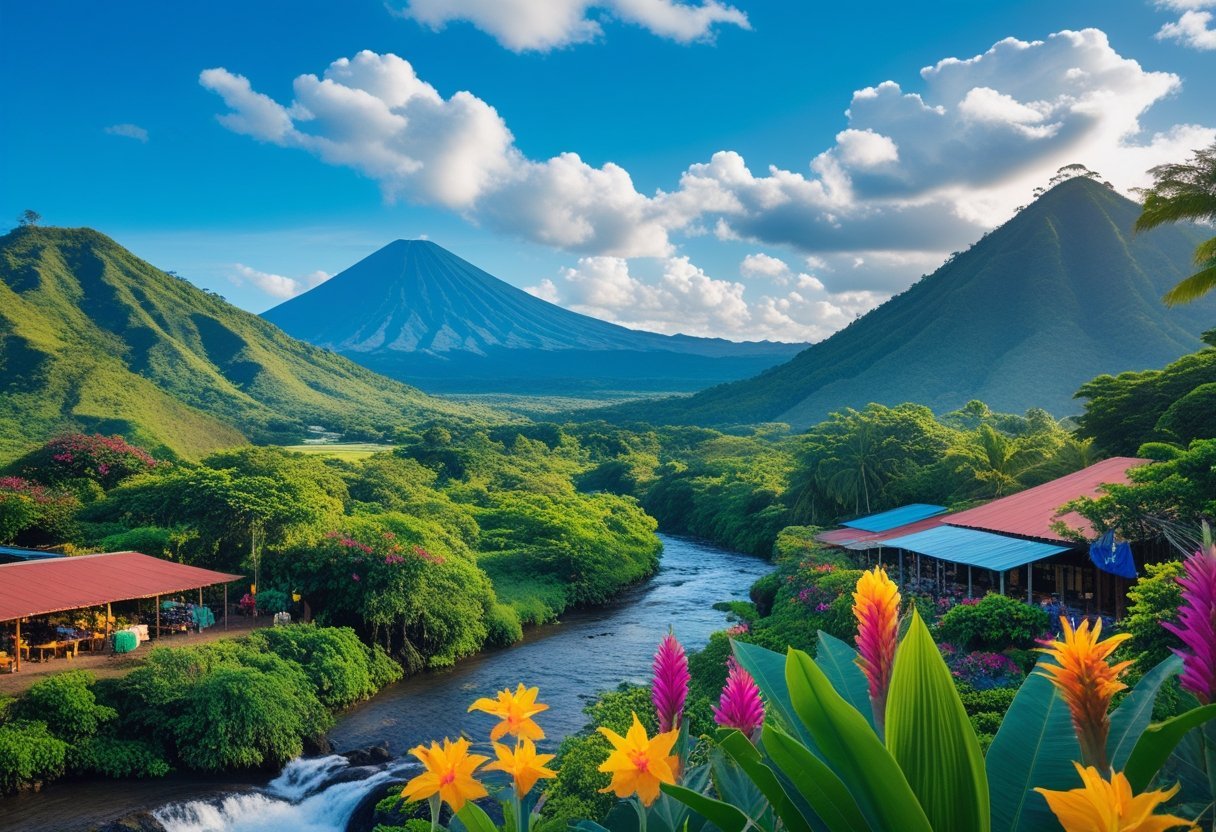
I find Chiriquí compelling for its mix of cool highlands, Pacific coasts, and lively local towns. The landscape, weather, and culture each offer clear reasons to plan time across the province.
Geography and Climate
Chiriquí sits in western Panama and changes fast with elevation. I can drive from hot, humid beaches near the Pacific up to cool cloud forests in Boquete within a few hours. Volcán Barú dominates the skyline; at 3,475 m, it gives clear views of both oceans on lucky days. Rivers and waterfalls carve deep valleys that make good hikes and rafting trips.
The climate ranges from tropical lowlands to temperate mountain zones. I pack light cotton for the coast and a warm jacket for higher altitudes. Rainfall peaks in May–November, so trails get muddy then. The variety in terrain means I can surf, birdwatch, coffee-taste, and climb without long transfers.
Cultural Heritage and Local Life
I see strong indigenous and mestizo influences across Chiriquí. Towns like David act as commercial hubs, while smaller villages keep traditional crafts and festivals alive. The Ngäbe and Buglé communities preserve weaving and colorful dress. Local markets sell fresh produce, tropical fruits, and artisanal goods that reflect the province’s farming roots.
Coffee culture shapes life in highland areas. I visit farms around Boquete to watch processing, talk with producers, and taste bright, floral coffees. Food blends Panamanian staples with mountain and coastal ingredients — fried fish on the coast, hearty stews inland. I find friendly vendors and practical services that make slow travel and short stays both easy and rewarding.
Best Time to Visit
I prefer December through April for reliable dry weather across most of Chiriquí, Panama. These months give clear skies for hiking Volcán Barú, clean views for birding, and calm seas for beach days. Festivals and peak tourist services also happen then, so planning ahead helps.
If I want fewer crowds and lower prices, I go in the shoulder months of late April or May. The rainy season runs roughly from May to November; heavy afternoon rains can then interrupt outdoor plans, but also green the landscapes and boost waterfall flows. For coffee harvesting and many farm activities, August to October can be interesting despite more rain.
Getting to and Around Chiriquí
I’ll explain the main ways to get to Chiriquí and how to move around once you arrive. Focus on travel time, ticket tips, and the best transport choices for places like David and Boquete.
Traveling to Chiriquí from Panama City
I usually fly from Tocumen International Airport (PTY) to Enrique Malek Airport (DAV) in David. Flights take about 1 hour, and several local carriers run daily services. Book early for better fares, and check luggage rules—small turboprops often have stricter limits.
If I want to save money, I take the bus from Albrook Bus Terminal. The direct bus to David takes about 6–8 hours. I buy tickets at the terminal and pick a daytime bus for safer roads and views. Overnight buses run too, but I bring a small lock and earplugs.
For a faster land option, I sometimes hire a private shuttle. Shuttles cut the stress of transfers if I have gear for hiking or coffee farm tours. Expect a higher cost than the bus but more comfort and door-to-door service.
Public and Private Transportation
In Chiriquí, I mix buses, taxis, and rented cars depending on my plans. Public buses connect major towns like David, Boquete, and Volcán. Buses are cheap and frequent between David and Boquete; I avoid peak holiday times when they fill quickly.
Taxis work well inside towns. I use metered taxis in David when possible or agree on a fare before leaving. For rural sites, I hire a taxi for half-day or full-day trips; drivers often double as informal guides and know local dirt roads.
When I need flexibility for trails or remote coffee farms, I rent a car. Road conditions vary—paved highways are good but mountain roads can be narrow and steep. I choose 4×4 vehicles for rainy season travel and check insurance and fuel policies before signing.
Navigating David, the Capital
David acts as Chiriquí’s travel hub, and I plan to use it for most connections. The city has medical services, banks, and the main bus terminal, so I stock up on cash and supplies there. Enrique Malek Airport sits just east of the city for quick transfers.
I get around downtown David on foot for short trips; the central market and main streets are compact. For travel to nearby attractions, I use the central bus terminal or book a shuttle. Taxi ranks at major hotels make late arrivals easy.
When I need local advice, I ask hotel staff or tour offices in David. They help with schedules, recommended drivers, and safe routes to highland towns like Boquete and Volcán.
Top Outdoor Adventures in Chiriquí
I focus on active, nature-based trips you can plan in Chiriquí, Panama. Expect volcano treks, cloud-forest hikes, prime birding spots, and easy horseback routes with clear logistics and what to bring.
Hiking Volcán Barú
I hiked Volcán Barú (Volcán Chiriquí) at dawn to catch the sunrise over both coasts. Most people start from the Piedra de Lino trailhead near the town of Volcán. The usual routes take 4–8 hours one way, depending on fitness.
I recommend bringing layers, a headlamp, sturdy boots, and at least 2–3 liters of water. Temperatures drop near the summit, so a windproof jacket helps. If you want to watch both oceans at sunrise, plan a night hike with a guided group for safety and route-finding.
Permits are not needed, but hiring a local guide improves navigation and supports the community. I found local guides know the best spots for photos, short wildlife stops, and timing to avoid afternoon clouds.
Exploring Boquete’s Cloud Forests
Boquete’s cloud forests offer mossy trails, waterfalls, and cool air at 1,000–1,600 m elevation. I walked Sendero Los Quetzales and other marked paths to see native orchids and ferns up close. Trails range from easy 1–2 hour walks to full-day loop hikes.
Wear breathable layers and slip-resistant shoes; trails stay damp and can be muddy. Bring insect repellent and a rain layer—cloud forests change quickly. I suggest visiting a coffee farm after a hike for a hot drink and a guided tour that shows how altitude affects coffee flavor.
Local guides point out hidden waterfalls and small wildlife. If you want clear trail info and trail maps, check with Boquete visitor centers before you go.
Birdwatching Hotspots
Chiriquí hosts a high diversity of birds, including trogons, hummingbirds, and the rare quetzal. I used early mornings at Alto Boquete, Caldera, and Mirador de los Quetzales to maximize sightings. Pack binoculars, a field guide, and a notebook for species records.
Hummingbird feeders at private gardens let me observe multiple species up close. For quetzal sightings, I joined a specialist guide who knows recent nesting areas. Expect cooler temperatures and mist; wear neutral clothing to avoid startling birds.
Bring patience—birds peak at dawn and dusk. If you track specific species, contact local birding groups for recent sighting reports to improve your odds.
Horseback Riding Excursions
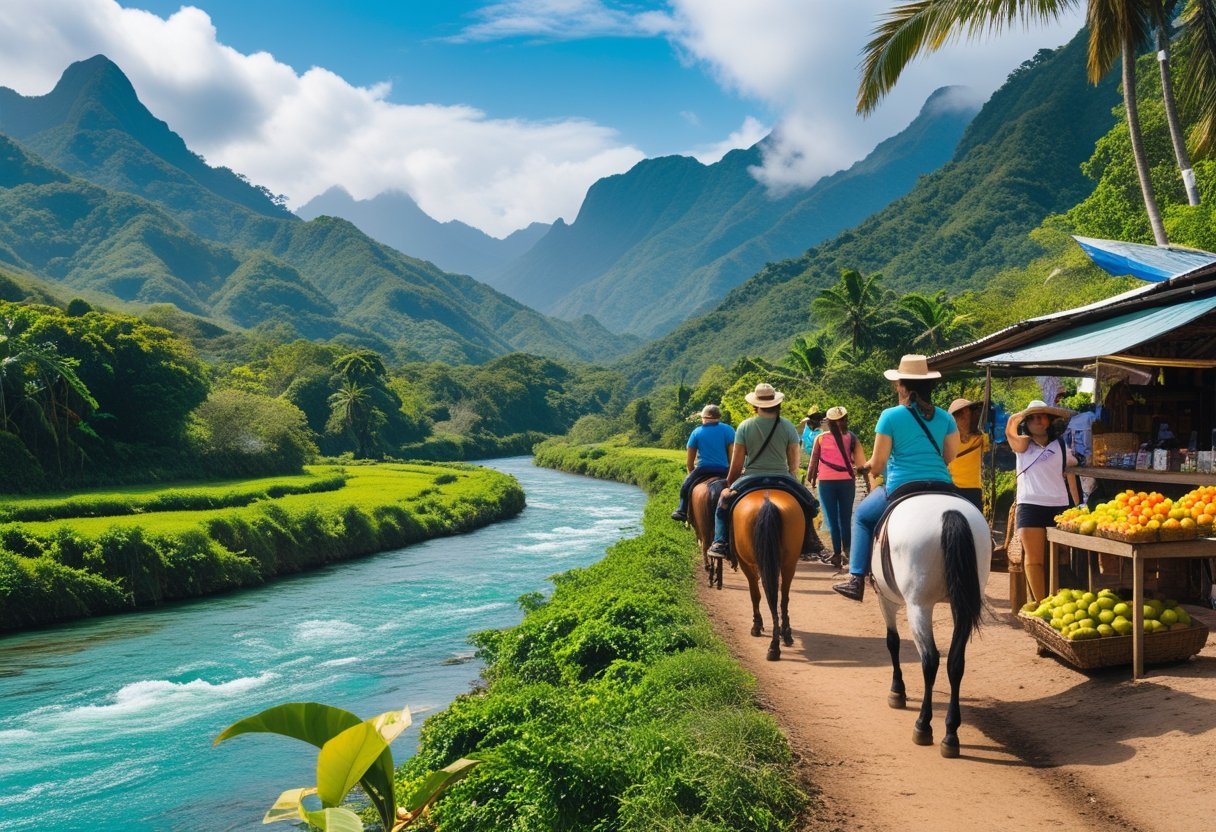
Horseback trips give a gentle way to see farmland, cloud forest edges, and river valleys. I chose a half-day ride from Boquete that follows dirt roads and single-track trails suitable for beginners. Operators typically include helmets, a guide, and options to ride to small waterfalls or coffee estates.
Riders should wear long pants and closed shoes. Tell the operator your experience level so they match you with a calm horse. Expect uneven terrain and occasional steep sections near higher elevations.
A longer multi-day horseback route can link rural communities and overnight cabins. I recommend confirming accommodations, meal plans, and emergency contacts before booking.
Unforgettable Day Trips in the Chiriquí Highlands
I pick day trips that let me see cool mountain views, taste fresh coffee, soak in hot springs, and meet local craft sellers. These trips are close to Boquete and David, easy to reach by car, and fit into a single, full day.
Coffee Plantation Tours
I start most mornings at a coffee finca near Boquete to learn the whole process from bean to cup. I look for tours that include a walk through the shade-grown plants, a demonstration of picking ripe cherries, and a hands-on roasting or cupping session. That hands-on tasting helps me tell the difference between peaberry and other beans.
Useful details I check before booking:
- Tour length: 1.5–3 hours.
- What’s included: farm tour, cupping, small snack.
- Accessibility: uneven paths and light hiking.
I recommend visiting a family-run farm if you want direct contact with farmers. Many farms explain organic practices and show how the cool highland climate of Chiriquí Province produces bright, acidic coffees.
Hot Springs and Waterfalls
I plan a mid-day trip to hot springs or waterfalls to relax after hiking. Popular spots sit within a short drive from Boquete and offer pools fed by volcanic activity or cascades you can walk behind. I pack swimwear, water shoes, and insect repellent.
Things I watch for:
- Safety: Some trails are slippery after rain.
- Facilities: changing rooms, food stalls, and entrance fees.
- Best time: mornings for fewer crowds; late afternoon for warm pools.
I often combine a hot springs visit with a short waterfall hike. That mix lets me cool down in a stream and then warm up in thermal pools while still keeping the trip under a day.
Cultural Villages and Local Markets
I spend afternoons visiting nearby towns and markets to buy crafts and taste local fruit. In David and smaller market towns, I look for woven baskets, molas, fresh cheese, and tropical fruits. I speak with vendors to learn how items are made and where ingredients come from.
Practical tips I follow:
- Bring small bills for purchases.
- Go early for the best produce and fewer crowds.
- Respect local customs and ask before taking photos.
Visiting cultural villages gives me a sense of daily life in Chiriquí Province. It also supports local artisans and lets me bring back authentic, handcrafted souvenirs.
Exploring the Gulf of Chiriquí: Island Getaways and Water Activities
I focus on clear, practical ways to enjoy the Gulf of Chiriquí, from snorkeling reefs to private boat trips and the best small beaches to relax on. My tips show where to go, what to expect, and how to make each activity easy and safe.
Snorkeling and Diving Spots
I head to Isla Coiba and the nearshore isles when I want the best underwater views in the Gulf of Chiriquí, Panama. Coral gardens around Coiba hold healthy hard and soft corals with many reef fish; visibility often ranges from 10–30 meters in the dry season. I recommend diving with a local operator that follows park rules and provides a guide who knows current patterns and entry points.
For snorkelers I prefer shallow reefs near Isla Gobernadora and Isla Parida. These spots give easy water entry, steady currents, and clear water for seeing parrotfish, angelfish, and rays. I always bring a reef-safe sunscreen, a lightweight reef hook if currents are moderate, and a waterproof bag for my phone. Book trips from Pedasí or a lodge with Gulf access to reach the best sites quickly.
Whale Watching and Marine Life
I plan whale-watching trips between July and October to see migrating humpback whales off Chiriquí, Panama. Local operators know the seasonal routes and use small boats that keep a safe distance while obeying marine park rules. I look for authorized guides who combine whale time with dolphin sightings and occasional sea turtle nesting watches.
On mid-season trips I often spot spinner dolphins and bottlenose dolphins near islands. I carry binoculars, a camera with a zoom lens, and a light jacket for early-morning trips. Respect for wildlife matters: I stay quiet, keep distance, and avoid chasing animals. The Gulf of Chiriquí’s protected waters make these encounters reliable when you pick experienced guides.
Private Boat Tours
I choose private boat charters when I want flexible island-hopping around the Gulf of Chiriquí. Private boats let me set the pace: early snorkeling, beach time at Isla Bolaños, and a late-afternoon return. Most charters include a captain, fuel, snorkeling gear, and packed lunches if requested.
When I book, I confirm boat type, safety gear, and fuel policy. I pick pilots who know weather windows for the Gulf and use boats with shaded seating and fresh water. Prices vary by boat size and distance from base towns like David or Boca Chica, so I compare quotes and ask for an itinerary before paying. I bring cash for park fees and tips.
Best Beaches in the Gulf
I look for small white-sand coves and calm bays when I want a quiet beach day in Chiriquí, Panama. Isla Parida and Isla Palenque offer sheltered beaches with gentle entry and clear snorkeling near shore. These islands have short walking trails and low visitor numbers during weekdays.
For soft sand and easy swimming, I favor beaches on Isla Bolaños and some coves around Isla Coiba (where allowed). I pack shade, drinking water, and a trash bag—facilities are limited or absent. If I plan a full day, I confirm landing permissions with my boat operator and bring a copy of any marine park permit required by local authorities.
Experiencing Life in David, the Capital of Chiriquí
I spend time walking the streets, visiting parks, and trying local food to get a clear feel for David. The city mixes commercial life with easy access to nature, and I focus on practical spots that travelers will actually use.
City Highlights and Sights
I start at Parque de las Madres to relax under trees and watch locals chat on benches. The park sits on Avenida 1ra and often has live music and flower displays. From there, I walk to the Catedral de David to see the simple colonial-style facade and quiet interior.
I also visit the Mercado Público, where vendors sell fruit, coffee, and fresh fish. The market helps me understand daily life—prices, produce names, and local snacks. For a short museum stop, I go to a small regional museum to learn about Chiriquí’s history and indigenous culture.
If I need services or SIM cards, Avenida Central has banks, tiendas, and telecom shops. I use the main bus terminal when I head to Boquete or Volcán, which makes David a useful hub for the highlands.
Local Cuisine and Dining
I eat at small fondas and family-run restaurants to try local dishes like sancocho and grilled corvina. These places often serve a plate with rice, beans, plantain, and salad for a reasonable price. I also look for carritos selling fried snacks and empanadas near markets.
Coffee from the Chiriquí highlands is common; I search out cafes that roast beans from Boquete for a fresher cup. For fruit, I buy ripe chirimoya and mamón from market stalls—flavors are stronger than what I find back home.
When I want a nicer meal, I choose restaurants near Avenida Central that offer seafood and Panamanian fusion. I always check menus for hours; many spots close mid-afternoon and reopen for dinner.
Shopping Districts
I shop at Mercado Público for fresh food, herbs, and cheap souvenirs like woven bags and local coffee. Stalls are arranged by product: produce row, meat section, and prepared foods in another area. Bargaining is light; I compare stalls and ask for small discounts on bulk buys.
For clothing and electronics, I walk along Avenida Central and nearby commercial streets where small chains and independent stores cluster. I find pharmacies, hardware stores, and ATMs here, which makes errands easy.
If I want artisan goods, I look for vendors selling indigenous crafts and beadwork. Prices vary, so I check items closely and ask about materials. When I need transit tickets or bus info, the main terminal’s adjacent kiosks handle most day-trip needs.
Family-Friendly Activities in Chiriquí
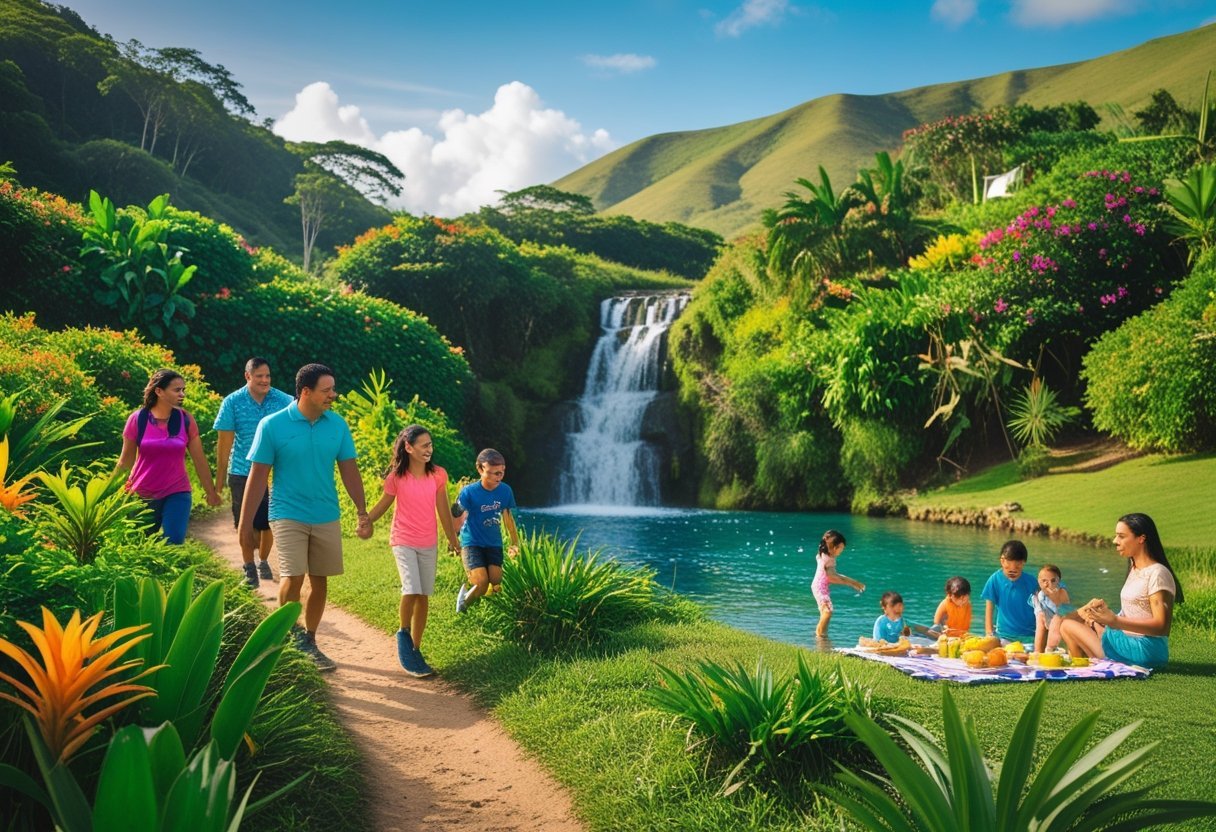
I picked activities that keep kids busy, teach them about nature, and let families move at an easy pace. You will find hands-on fun, safe play areas, and short nature walks close to towns like Boquete and David.
Adventure Parks
I visited a few adventure parks near Boquete and David that suit children from about 4 to 14. Parks offer zip lines with dual harnesses so parents can ride with small kids, low ropes courses that sit just a few meters off the ground, and enclosed play zones for toddlers. Many operators provide helmets, trained guides, and life jackets for water features.
Expect time slots of 1–3 hours. Book family-friendly packages that bundle a shorter canopy run for kids with a longer adult route. Check age, weight, and health rules before you go. I recommend bringing closed-toe shoes, sunscreen, and a change of clothes for muddy trails or splash areas.
Interactive Museums
In David and Boquete you’ll find small museums and visitor centers that let children touch, taste, and learn. Exhibits at local coffee farms often include sorting beans, smelling roasting aromas, and short, supervised demonstrations that explain how coffee grows. The regional cultural center in David runs hands-on craft sessions where kids try simple weaving and pottery.
Museums and centers usually have English pamphlets and a staff member who speaks basic English. Visits last 45–90 minutes—ideal for short attention spans. I advise calling ahead for school holiday schedules and bookable family workshops to guarantee a guide or activity slot.
Nature Trails for Kids
I explored several short trails in Chiriquí that work well for families: gentle cloud-forest boardwalks near Boquete, short loops in Volcán Barú National Park foothills, and mangrove trails by the Gulf of Chiriquí. Trails range from 20 minutes to 1.5 hours and include clear markers, shaded rest spots, and wildlife-viewing points where children can safely spot toucans, tree frogs, and butterflies.
Bring water, a light rain jacket, and binoculars for birding. Choose trails with flat, wide paths for strollers or small hikers. Local guides can turn a walk into a discovery tour by pointing out edible plants, insect life cycles, and safe ways to observe animals without disturbing them.
Where to Stay: Best Areas and Accommodation Options
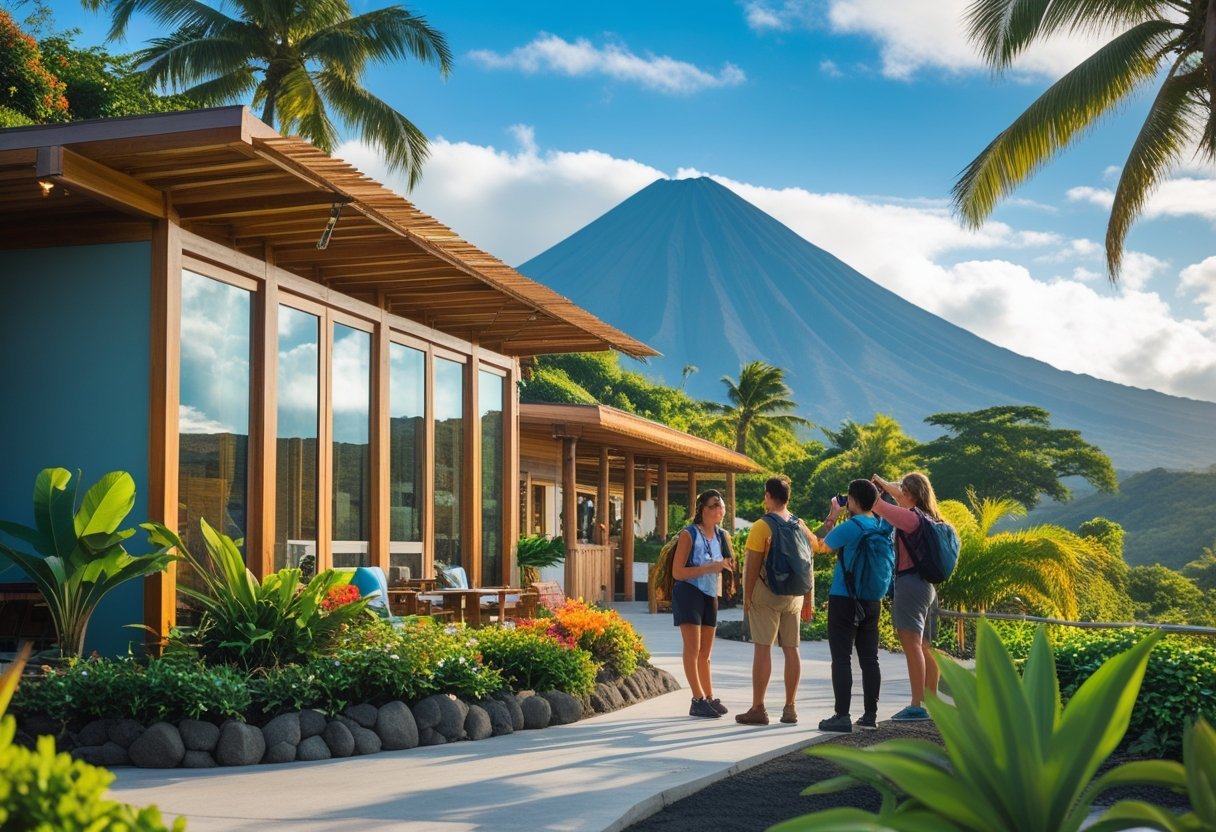
I focus on places that match different travel styles and budgets in Chiriquí, Panama. I highlight towns with strong tourist services, options that link to nature, and choices for longer stays or property hunters.
Boutique Hotels and Eco-Lodges
I pick boutique hotels and eco-lodges mostly in Boquete and near Volcán. These places often sit by rivers, coffee farms, or cloud forest trails. Expect locally run inns with personalized service, on-site guides, and breakfast made from local produce.
I look for rooms with good Wi‑Fi, private patios, and views of Baru Volcano. Many lodges arrange coffee tours, birdwatching walks, or zipline packages. If you care about sustainability, ask about water-saving measures and whether staff are local hires.
Booking tip: book early for high season and check reviews for noise and access when roads are wet.
Vacation Rentals and Cottages
I recommend rental homes and cottages for families or longer stays, especially around Boquete and David. Rentals give a kitchen, laundry, and more space for gear like hiking boots or baby items. You can find modern apartments or rustic cottages on coffee farms.
Look for listings that mention secure parking, strong Wi‑Fi, and proximity to grocery stores or clinics. Short-term rentals also let you test neighborhoods if you’re considering Chiriquí Panama real estate later. Read guest comments about the host’s responsiveness and any extra fees for cleaning or utilities.
I advise confirming road access and mosquito screens before you arrive.
Luxury Resorts
I choose luxury resorts when I want full-service amenities near nature areas, like hot pools, spas, and guided excursions. Resorts around Volcán and in higher-elevation valleys often include on-site restaurants, shuttle services, and arranged day trips to national parks.
Expect spacious rooms, wellness centers, and concierge help booking activities like horseback riding or birding. For buyers eyeing high-end property, resorts can show what the premium Chiriquí Panama real estate lifestyle looks like. Check whether resort rates include transfers and if peak-season packages exist.
Ask about cancellation rules and whether resort facilities require advance reservation.
Chiriquí Real Estate: Living and Investing in the Region
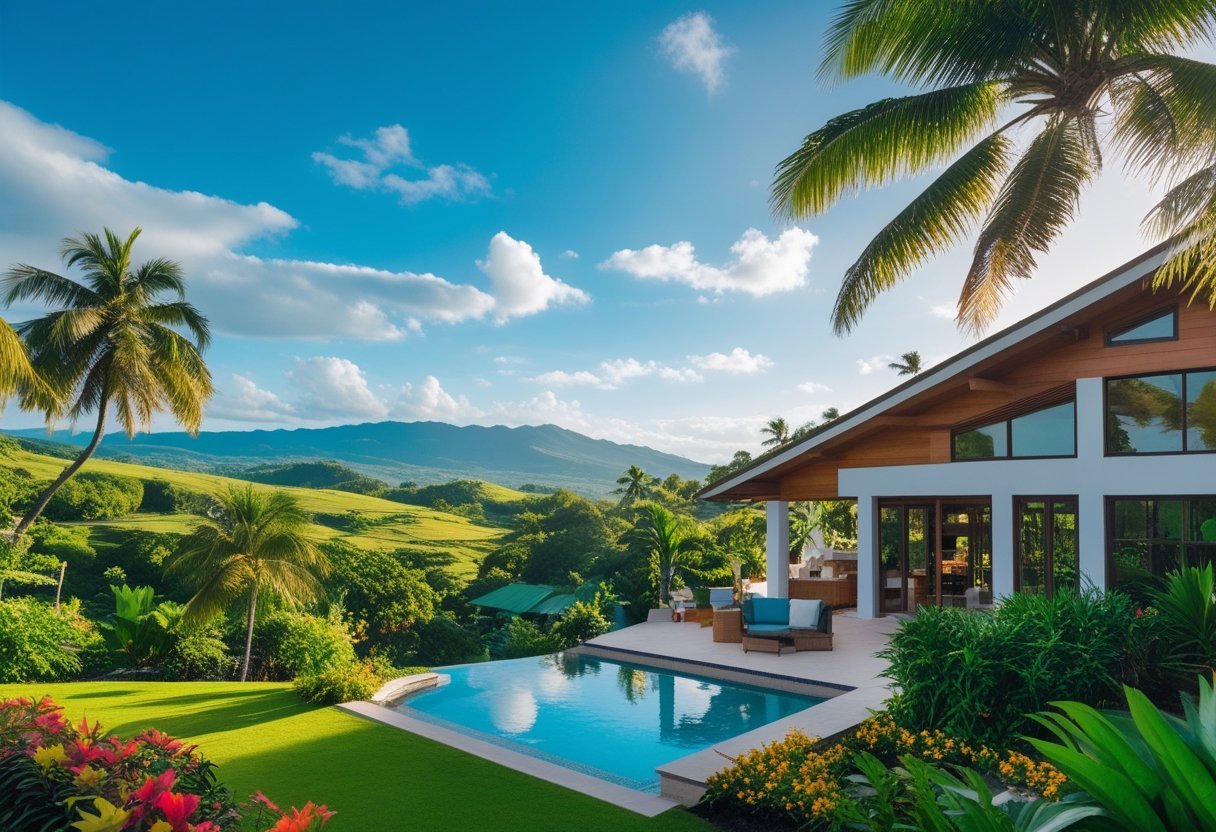
I focus on practical details for buying, living, and investing in Chiriquí so you can make clear decisions about property, community, and returns.
Buying Property in Chiriquí
I recommend starting with a clear budget and desired location—the highlands near Boquete for cooler weather, or beach areas on the Pacific for coastal living. Work with a licensed local agent and get a bilingual attorney to handle title checks, due diligence, and the escritura (deed). Expect to pay closing costs of about 3–5% plus any agent fees. Foreigners can hold property directly; I advise confirming land classification (agricultural vs. residential) before purchase.
I inspect utilities, road access, and elevation because climate and access affect value and comfort. If buying a lot, check building permits and neighborhood covenants. For resale, properties near established expat towns and reliable infrastructure tend to sell faster.
Expat Communities
I’ve found the Chiriquí Highlands, especially Boquete and Volcán areas, host the largest expat communities. They offer English-speaking services, international clinics, and grocery options that match North American tastes. Social groups, cafes, and farmers’ markets make settling easier.
On the Pacific side, smaller expat pockets cluster around beach towns with growing services but fewer medical facilities. I advise visiting for at least a week in different seasons to test the climate and daily life. Renting first for 3–6 months helps you choose the right neighborhood and avoid rushed purchases.
Investment Potential
I look at demand drivers: cooler highland climate, outdoor tourism, and growing infrastructure. These create steady rental and resale markets, especially for short-term vacation rentals in Boquete and properties near Volcán Barú. Agricultural land and small farms also attract buyers who want income from specialty crops.
Risk factors I watch include zoning changes and local road improvements, which can quickly change values. I recommend targeted upgrades—water systems, internet, and reliable power—to boost rental appeal. For trends and listings, I consult local real estate sites that list homes and farmland across Chiriquí to compare prices and turnover.
Tips for a Safe and Memorable Visit
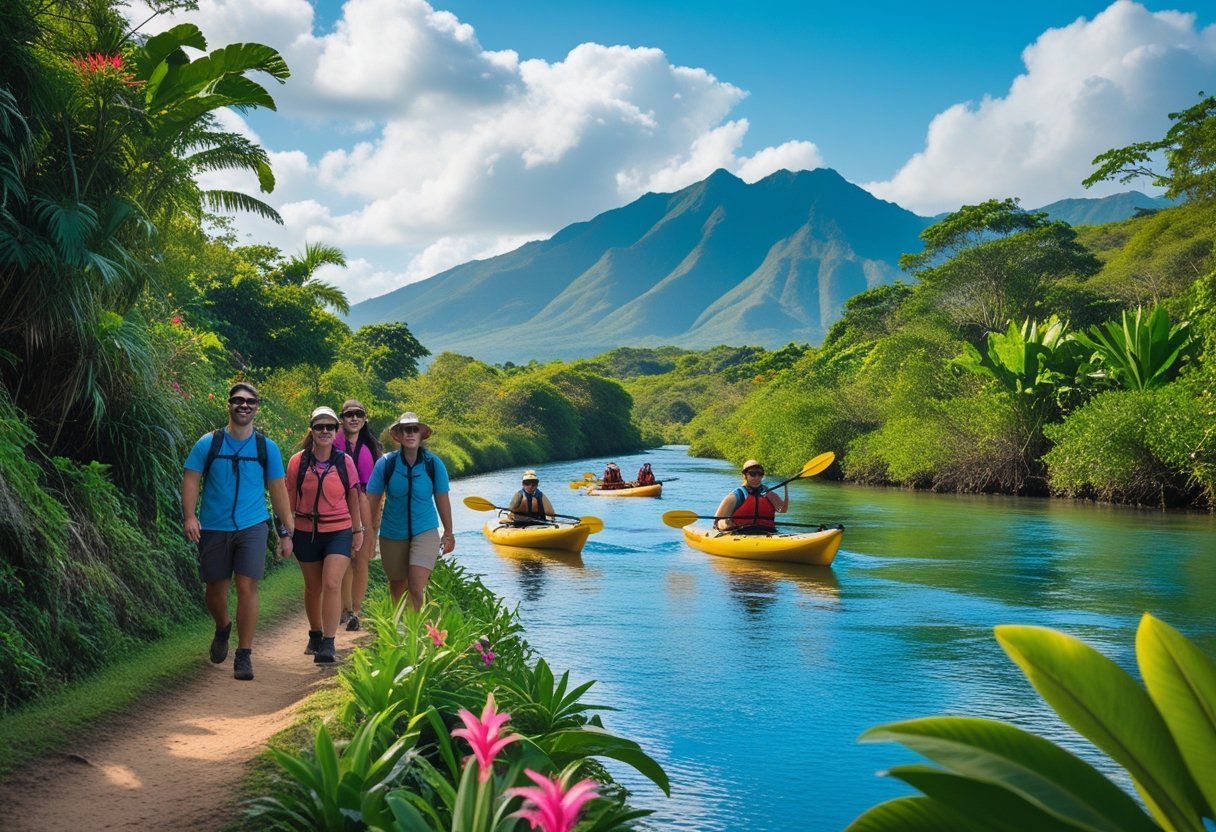
I focus on practical steps that keep you healthy, legal, and comfortable while exploring Chiriquí. Pack smart, stay informed about health risks, and respect local customs and nature.
Essential Packing List
I pack a small, waterproof daypack for hikes in Volcán Barú and boat trips in the Gulf of Chiriquí. Include a lightweight rain jacket, quick-dry shirts, and a warm layer for cool mountain mornings.
Bring sturdy hiking shoes with good grip, a wide-brim hat, and strong sunscreen (SPF 30+). I also carry a high-SPF lip balm and polarized sunglasses to protect against sun and wind.
For electronics, I use a power bank and bring a plug adapter for Panama (Type A/B). Carry photocopies of my passport and a waterproof pouch for cash and cards.
In my first-aid kit I pack blister plasters, antiseptic wipes, diarrhea medicine, and any personal prescriptions. Add insect repellent with DEET or picaridin for rainforest and lowland areas.
Health and Safety Considerations
I check vaccines before travel; routine immunizations and hepatitis A are recommended for Panama. If I plan jungle or rural trips, I consider yellow fever and confirm current guidance with a clinic.
I drink bottled or filtered water outside major hotels and avoid ice from untrusted sources. I keep hydrated during hikes—I carry at least 1.5 liters for half-day treks and more for full-day routes.
I use a money belt or neck pouch to reduce pickpocket risk in David and market areas. At night, I avoid poorly lit streets and use registered taxis or ride apps. I register emergency numbers in my phone and note the location of the nearest clinic or hospital.
For wildlife and marine activities, I follow the guide’s instructions closely. I tell someone my route and expected return time before long hikes or fishing trips.
Responsible Tourism Practices
I support local guides and small businesses in Chiriquí to keep income in the community. I book tours with licensed operators and confirm they follow park rules and safety protocols.
I minimize plastic by carrying a refillable water bottle and refuse single-use bags when possible. I avoid buying products made from endangered wildlife or coral.
When visiting farms or indigenous communities, I ask permission before taking photos and respect signage about restricted areas. I stick to marked trails in cloud forests and coral-friendly snorkeling practices—no touching coral, no feeding fish.
I tip fairly for services and follow local norms for dress and behavior, especially in rural towns. I leave places cleaner than I found them to help preserve Chiriquí’s nature for other visitors.
Frequently Asked Questions
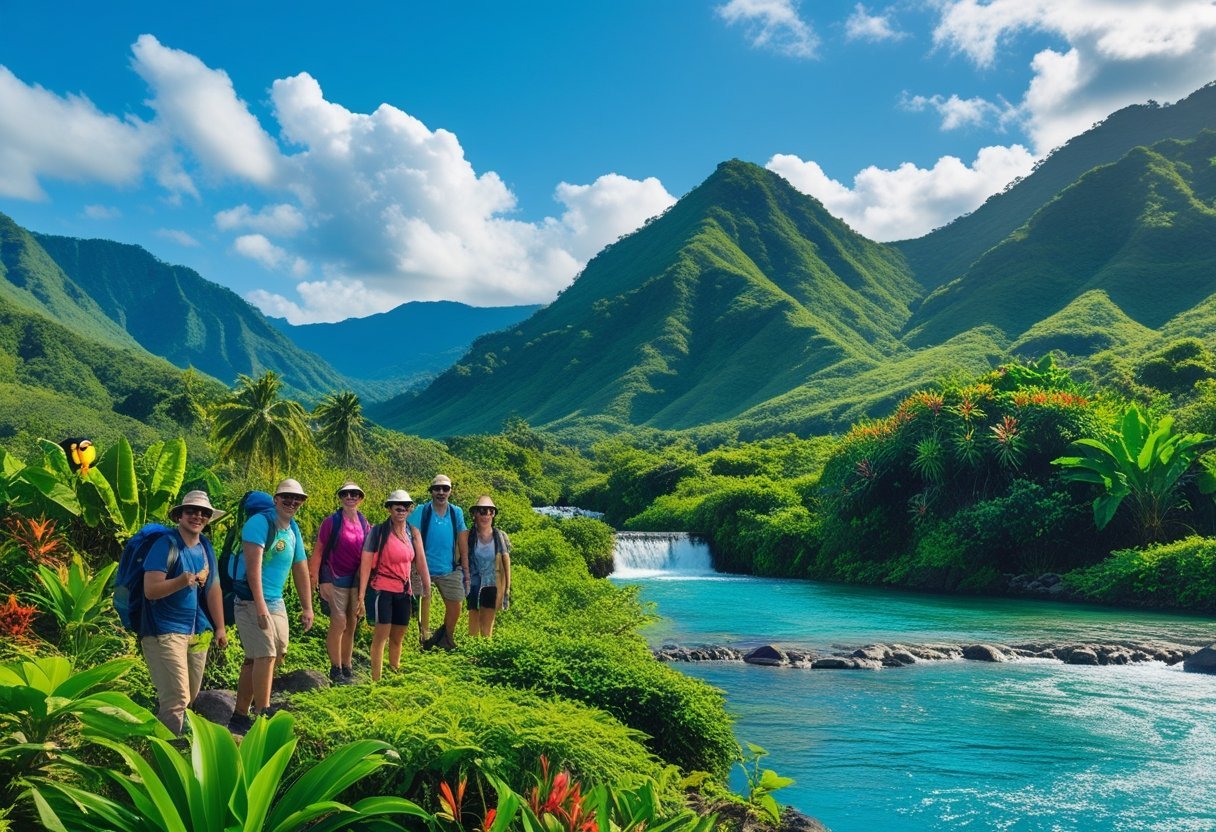
I highlight practical tips for hiking, wildlife spotting, coffee tours, cultural visits, and water activities. I name trails, lodges, reserves, and towns so you can plan each outing with confidence.
What are the top activities to experience in Chiriquí?
I recommend hiking Volcán Barú for sunrise views and cloud-to-coast panoramas. I also suggest visiting Boquete for coffee tours and ziplining.
I enjoy exploring the Gulf islands for snorkeling and fishing, and I walk local markets in David and Bajo Boquete for fresh produce and crafts. Rafting the Chiriquí Viejo River and birdwatching in cloud forests are other top picks.
How can I explore the Barú Volcano National Park?
I start early and hike the Quetzal Trail or the Sendero Los Ladrillos routes, both offering steep climbs and high-altitude forest. I bring layers, water, and a headlamp for pre-dawn starts to reach the summit by sunrise.
I also use guided 4×4 tours that drive partway and hike the final stretch. I check the weather since cloud cover can hide Pacific or Caribbean views.
Where are the best places to observe wildlife in Chiriquí?
I visit Boquete’s cloud forest preserves like Los Quetzales and La Amistad for quetzals, toucans, and hummingbirds. I watch marine life and dolphins around Isla Coiba and the Gulf of Chiriquí.
I also explore the Palo Seco Forest Reserve and small private reserves and lodges that run guided night walks and birding tours with local guides.
What are the must-visit coffee plantations in Chiriquí for a coffee tour?
I recommend Fundo Elida, Café Ruiz, and some family-run fincas around Boquete for full-process tours from bean to cup. These farms show picking, washing, drying, and roasting.
I choose tours that include tastings and a walk through shaded coffee terraces to learn about altitude, varietals, and processing methods.
Are there any unique cultural experiences in Chiriquí?
I attend local festivals in David and small town patron saint days for traditional music, food, and dance. I visit indigenous communities on guided cultural visits to learn about Ngäbe and Buglé crafts and customs.
I also shop at municipal markets for fresh produce and handmade goods, and I take cooking classes that focus on regional dishes like sancocho and corn-based breads.
What opportunities are available for water-based adventures in Chiriquí?
I book snorkeling and diving trips to Isla Coiba and the nearby islets for coral, reef fish, and manta sightings. I also arrange sportfishing charters from Boca Chica and kayak trips in the Gulf of Chiriquí.
I raft the Chiriquí Viejo River for class II–III rapids and swim at waterfalls near Boquete after short hikes.