


10-Day Cruise from Fort Lauderdale to the Panama Canal (2026 Itinerary)
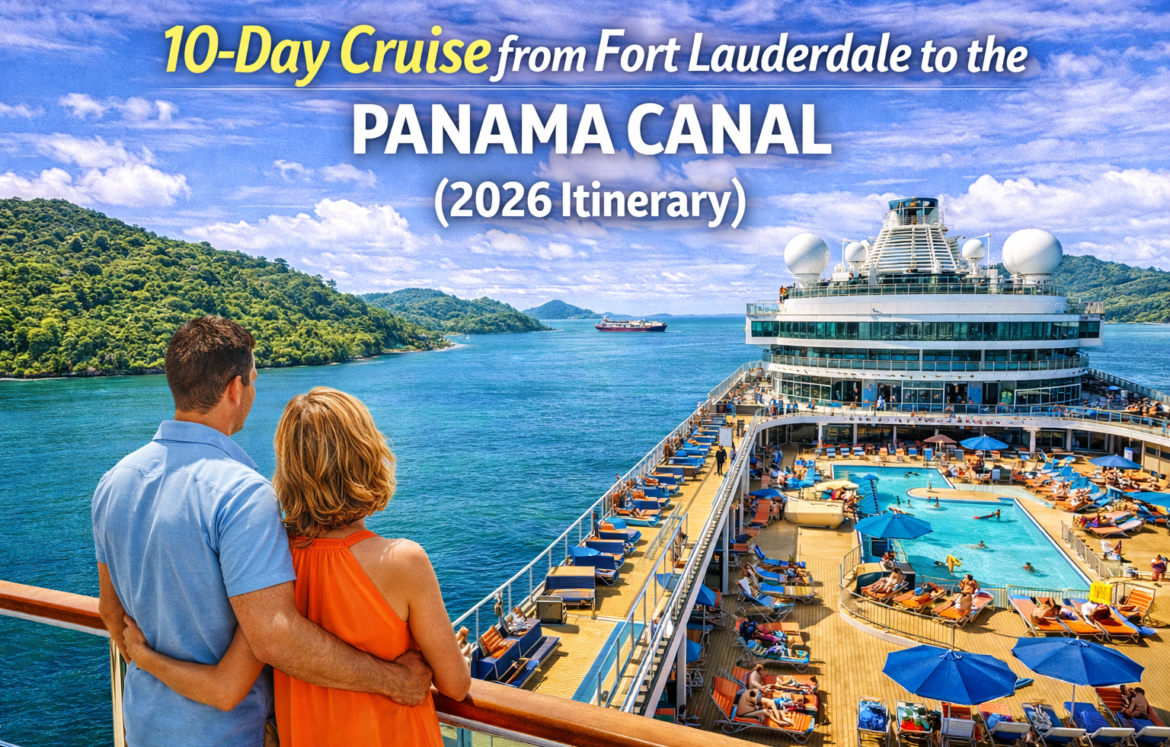
You’ll sail from Fort Lauderdale and cross one of the world’s most famous waterways while enjoying ten days of warm weather, onboard comfort, and curated shore excursions. If you want a well-paced 10-day cruise that balances sea days, Caribbean stops, and a full 10-day cruise from Fort Lauderdale to the Panama Canal transit, this itinerary delivers a clear mix of scenery, history, and easy-going adventure.
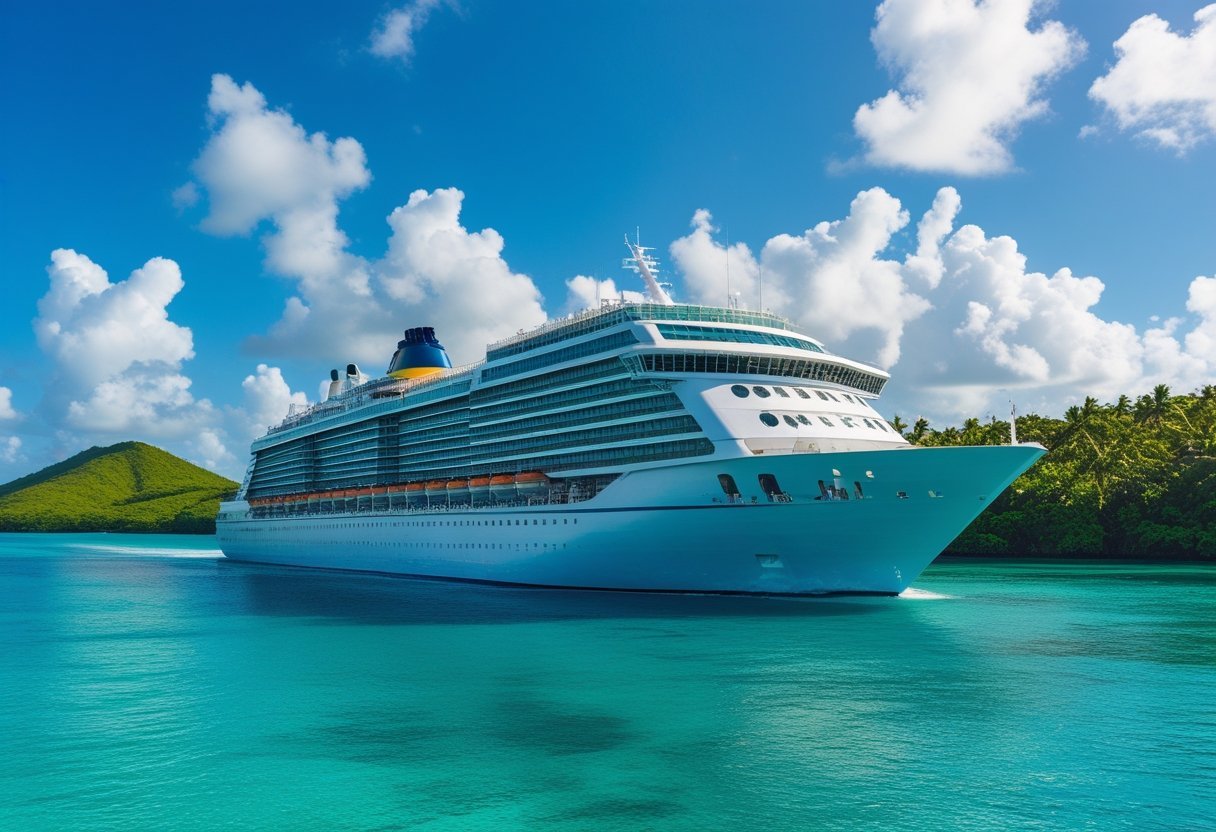
I’ll show what to expect on the ship, the Panama Canal experience itself, and practical tips for booking and packing so you get the most from every day. Expect maps of the route, highlights of must-do excursions, and the key travel documents you’ll need for 2026.
You’ll learn which cruise lines operate this route, how the canal transit works, and how to pick excursions that match your interests and energy level. This guide prepares you to choose the right departure, plan shore activities, and enjoy the transit without surprises.
Overview of the 10-Day Cruise from Fort Lauderdale to the Panama Canal
I describe the main sights, transit experience, ports of call, and how this 10-day cruise from Fort Lauderdale to the Panama Canal offers. Read the specifics to decide if this itinerary matches your pace and interests.
Main Highlights and Unique Features
I board in Fort Lauderdale and spend a full transit day through the Panama Canal locks, usually near Miraflores or Gatun, depending on the itinerary. The canal transit offers close-up views of lock chambers, tugboats, and canal operations that you cannot get from a land tour.
Typical ports include Cartagena, Colón, and often a Caribbean island call such as Aruba or Curaçao, giving a mix of colonial history and beach time. Onboard enrichment frequently includes talks about canal history and regional ecology, plus guided excursions to Fort San Fernando or local markets.
Ship time balances sea days for onboard activities and wellness with shore days for short guided tours, beach visits, or city walks. I find that the 10-day length keeps transit and several key ports while limiting long stretches at sea.
What Makes This Itinerary Special
I value the full or partial canal transit as the central draw; it turns a cruise into a passage through a major engineering landmark. For many travelers, seeing ships lifted through the locks and passing the Gaillard Cut is the single most memorable moment.
The itinerary mixes cultural stops with natural scenery. Cartagena provides colonial architecture and museums, while Panama City and nearby rainforest excursions offer wildlife and canal viewpoints. Even shorter options, like a 7- or 8-day Panama Canal cruise, may skip some of these varied stops.
I also note the convenience of Fort Lauderdale as a departure port. It cuts domestic travel time for many U.S. travelers compared with Caribbean departures, which can be a deciding factor for a 10-day vs. longer 14-, 15-, or 16-day Panama Canal cruise.
Comparison With Other Cruise Durations
I compare time, pace, and coverage across options. A 7- or 8-day Panama Canal cruise often focuses on a partial transit and fewer ports, so it feels faster and more concentrated. You trade off variety for a shorter time away.
The 14-day and 15- to 16-day Panama Canal cruises expand shore time and add more distant ports like Ecuador or extra Caribbean islands. Those longer sailings suit travelers who want deeper exploration, more excursions, and extra sea days for onboard programs.
For me, the 10-day cruise hits a middle ground: it gives a full canal experience and several key ports without committing to two full weeks or more at sea. If you want a relaxed pace with a signature canal transit, the 10-day option usually fits best.
Relevant itinerary examples and booking details appear on cruise line pages; for a detailed 11-day variation, I review the Viking Classic Panama Canal Passage.
2026 Itinerary Overview
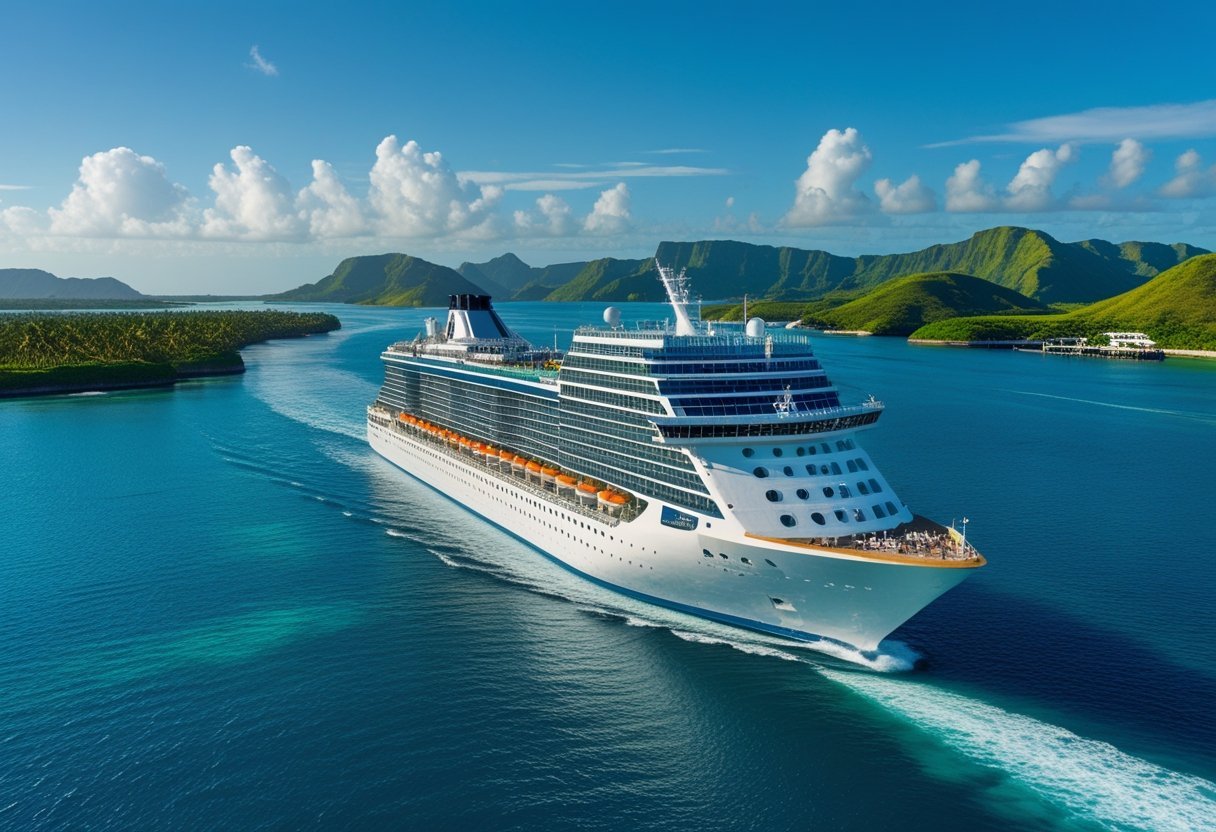
I give a clear snapshot of the main stops, daily flow, and how long you’ll be ashore so you can plan excursions, rest, and onboard time. This itinerary starts and ends in Fort Lauderdale, transits the Panama Canal, and mixes Caribbean and Central American ports.
Key Destinations and Ports of Call
The trip departs Fort Lauderdale and heads to island and coastal stops like Aruba and Curaçao before the canal transit. These southern Caribbean ports offer beaches, snorkeling, and short cultural tours that fit well into a 10-day schedule.
The 10-day cruise from Fort Lauderdale to the Panama Canal transit is the centerpiece. Ships cross the Gatun Locks on the Atlantic side, traverse Gatun Lake, and pass through the Culebra Cut before descending at Miraflores Locks near Panama City. Panama City often appears as a full or partial-day call for city tours, rain forest excursions, or a canal visitor center visit.
Some 10-day sailings include a Costa Rica stop for rain forest and wildlife tours or a final Caribbean port before returning to Fort Lauderdale. I check each sailing for exact port names and order, since different lines use slightly different routings and may add Aruba, Cartagena, or other stops.
Day-by-Day Itinerary Highlights
Day 1: Embark Fort Lauderdale late afternoon. Settle into the cabin, attend muster, and enjoy the ship’s first evening entertainment.
Days 2–4: Visit southern Caribbean islands. Expect beach time, snorkeling, and short city walks. Excursion options usually run 3–6 hours.
Day 5: Approaching Panama. Onboard talks and briefings about the canal prepare you for transit.
Day 6: Panama Canal transit through Gatun Locks and Gatun Lake. This is a long, slow day focused on the engineering and scenery. Watch from decks and open-air areas.
Day 7: Panama City or nearby port call. Tours often include the Miraflores Locks visitor center, Amador Causeway, or a short rain forest trip.
Days 8–9: Additional Caribbean or Central American calls, depending on the route. These are lighter days for relaxation or shore excursions.
Day 10: Return to Fort Lauderdale and disembark in the morning. Allow time for customs and luggage pickup.
Expected Lengths of Port Stops
Short island calls in Aruba or Curaçao usually last 6–9 hours. That gives 4–6 hours for shore activities after transit time and tendering if needed.
The canal transit day can stretch to 10–12 hours on deck or inside public spaces. The ship moves slowly through locks and lakes; passengers remain aboard for the full operation.
Panama City calls often run 8–10 hours. Excursions to Miraflores Locks or rain forest conservation areas typically take most of the day. Embarkation and disembarkation days in Fort Lauderdale are partial days: plan 2–4 hours for boarding on Day 1 and 2–3 hours for post-arrival processing on Day 10.
Panama Canal Transit Experience
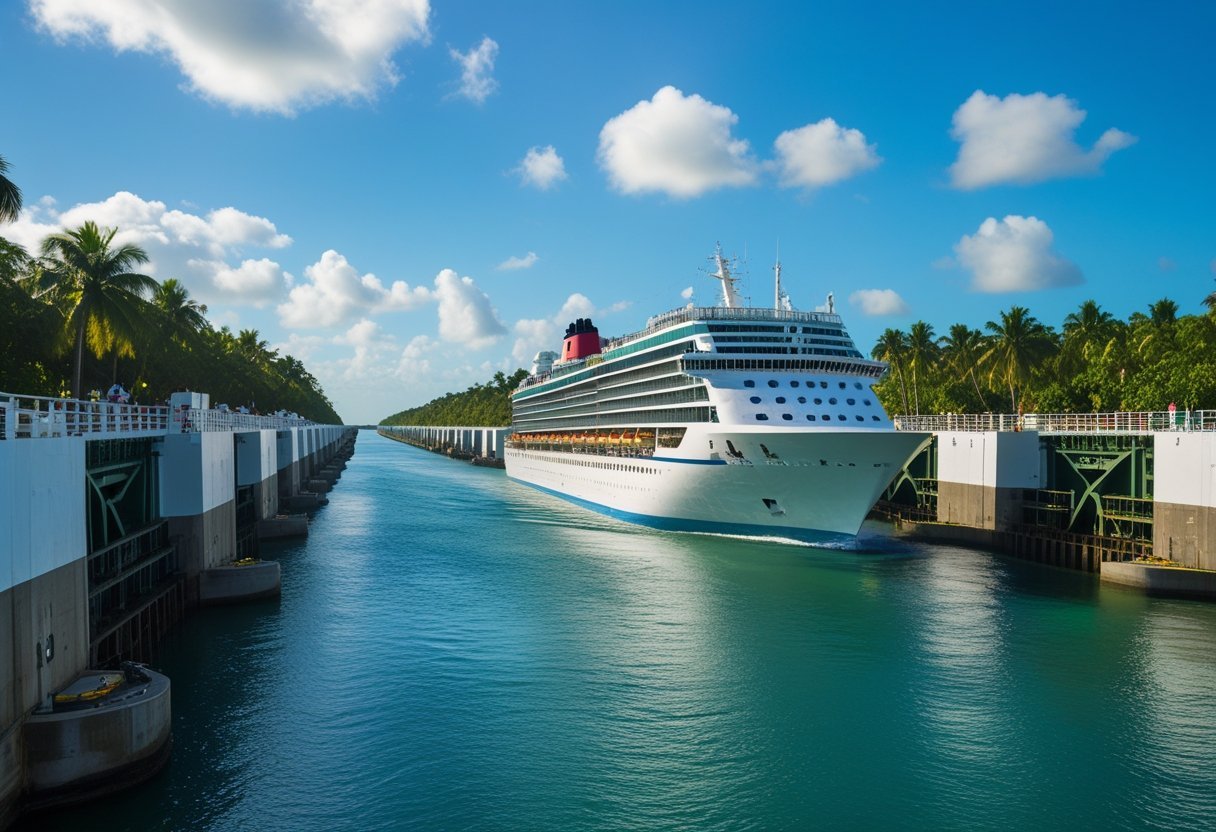
I watched the ship move slowly through one of the world’s most famous engineering feats. The transit blends careful navigation, time on deck, and chances to spot wildlife and historic canal structures.
Traversing the Locks
I felt the ship pause as it entered the lock chamber. Massive concrete walls rose on either side while electric locomotives, called “mules,” kept us centered. The crew tied heavy mooring lines to bollards so the vessel stayed steady as water levels changed.
Transit can take several hours for the full passage. You may pass through the Miraflores, Pedro Miguel, and Gatún locks depending on the route. I noted the readouts and announcements that explain the step-by-step process and the exact times we would be raised or lowered.
Bring binoculars and a jacket for wind and spray. If you plan shore excursions before or after, check timing—locks operations and ship schedules leave little room for delay.
Onboard Activities During Transit
I spent most of the transit on deck or near windows to watch the action. Cruise lines usually schedule commentary from a canal expert or the ship’s officers. They explain canal history, technical details, and the role of the Panamanian Canal Authority.
Dining and lounges remain open; some ships run special talks, slide shows, or themed meals tied to the canal. Crew may offer guided deck walks so passengers can observe mooring and lock operations safely. If you want a quieter spot, reserve a forward-facing suite or a window seat in a public lounge early.
Plan for limited internet during the narrow sections and for announcements that ask passengers to stay clear of working areas. I found the paced schedule lets you do short activities without missing the transit.
Scenic Views and Wildlife
I watched mangroves, jungle-covered hills, and the cut rock of the canal banks pass by. In the Gatún Lake section, small islands and forested shores line the route. Birds like frigatebirds and anhingas often perch near shorelines.
Ships may slow near the Gaillard Cut, a narrow man-made gorge with steep walls. I saw freighters and tugboats wait in the same lanes as we passed. Keep your camera ready for sloths or monkeys near the tree line; sightings are common but not guaranteed.
For historical context, remember the canal ranks among notable global engineering landmarks and is often listed alongside modern wonders. Listening to onboard narration helped me connect the scenes I saw with the canal’s construction story and its continued importance to global trade.
Overview of the Panama Canal
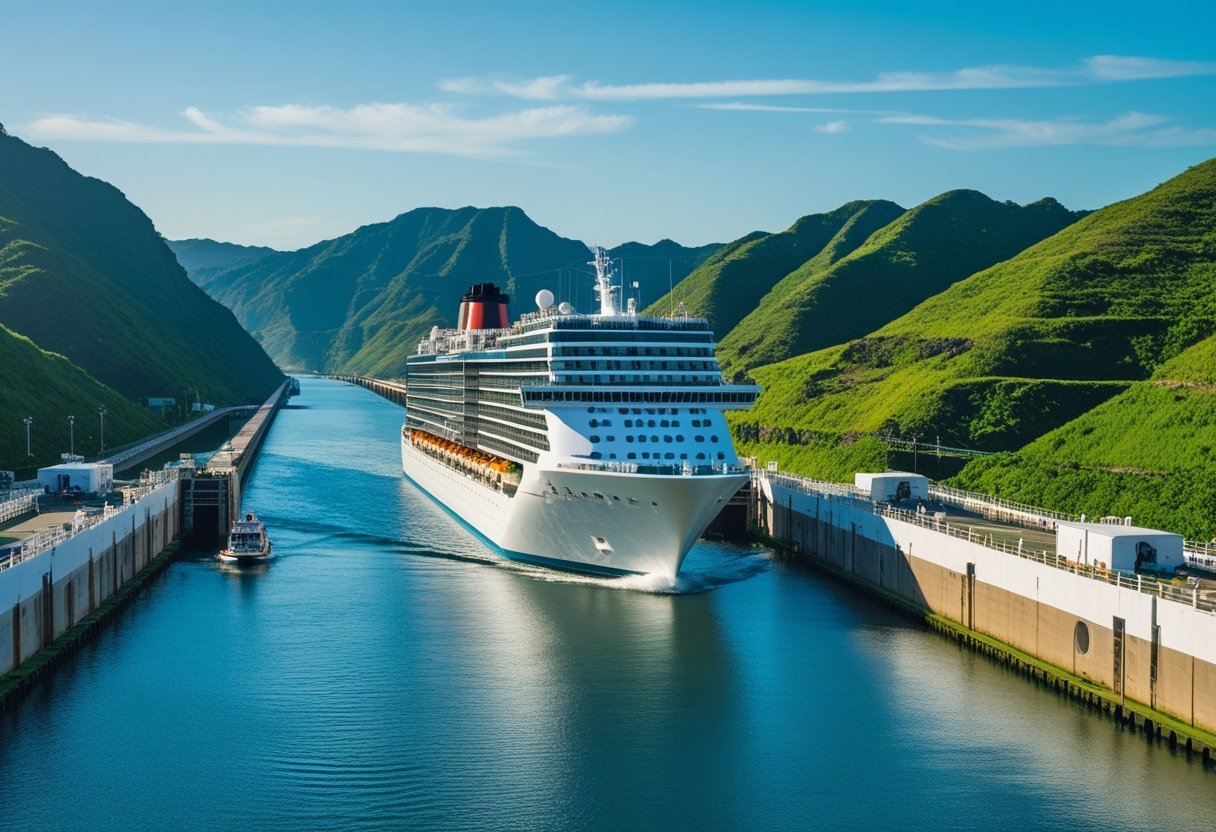
I explain why the 10-day cruise from Fort Lauderdale to Panama Canal matters for global shipping and for travelers who pass through on a 10-day Fort Lauderdale cruise. I focus on the canal’s history, how it was built, and how it works today.
Historical Significance
I trace the canal’s story from early ideas to the 1914 opening that reshaped trade. The project began with French efforts in the 1880s led by Ferdinand de Lesseps, which failed because of engineering limits and tropical disease. The United States bought rights and construction assets in 1904 and completed the canal by 1914, using large-scale earthmoving, locks, and disease control measures like mosquito eradication.
The canal cut thousands of miles from sea routes between the Atlantic and Pacific. I note three key facts: it opened global trade lanes, it played strategic military and economic roles in the 20th century, and it transferred to Panamanian control in 1999 under the Torrijos–Carter Treaties. For travelers, that history shows why passing through the locks feels like crossing a turning point in modern transport.
Construction and Modern Operations
I describe the canal’s structure and how ships move through it today. The canal uses a lock system—Gatun, Pedro Miguel, and Miraflores—that lifts vessels from sea level to Gatun Lake and back. The 2016 expansion added the Neopanamax locks to handle larger ships. Typical facts I include: the original locks are 110 feet wide, Neopanamax locks are about 180 feet wide, and the lake basin controls freshwater for lock operations.
Operations are run by the 10-day cruise from Fort Lauderdale to the Panama Canal Authority, which schedules transits to manage traffic and safety. I mention common operational issues: periodic maintenance, drought-related water conservation, and occasional long waits when many ships queue—reports once noted up to 200 ships delayed during peak congestion periods. For cruise passengers, transit can take 8–10 hours for a full crossing or shorter for partial transits, and the experience shows both engineering scale and active port logistics.
Cruise Lines and Ships Operating This Route
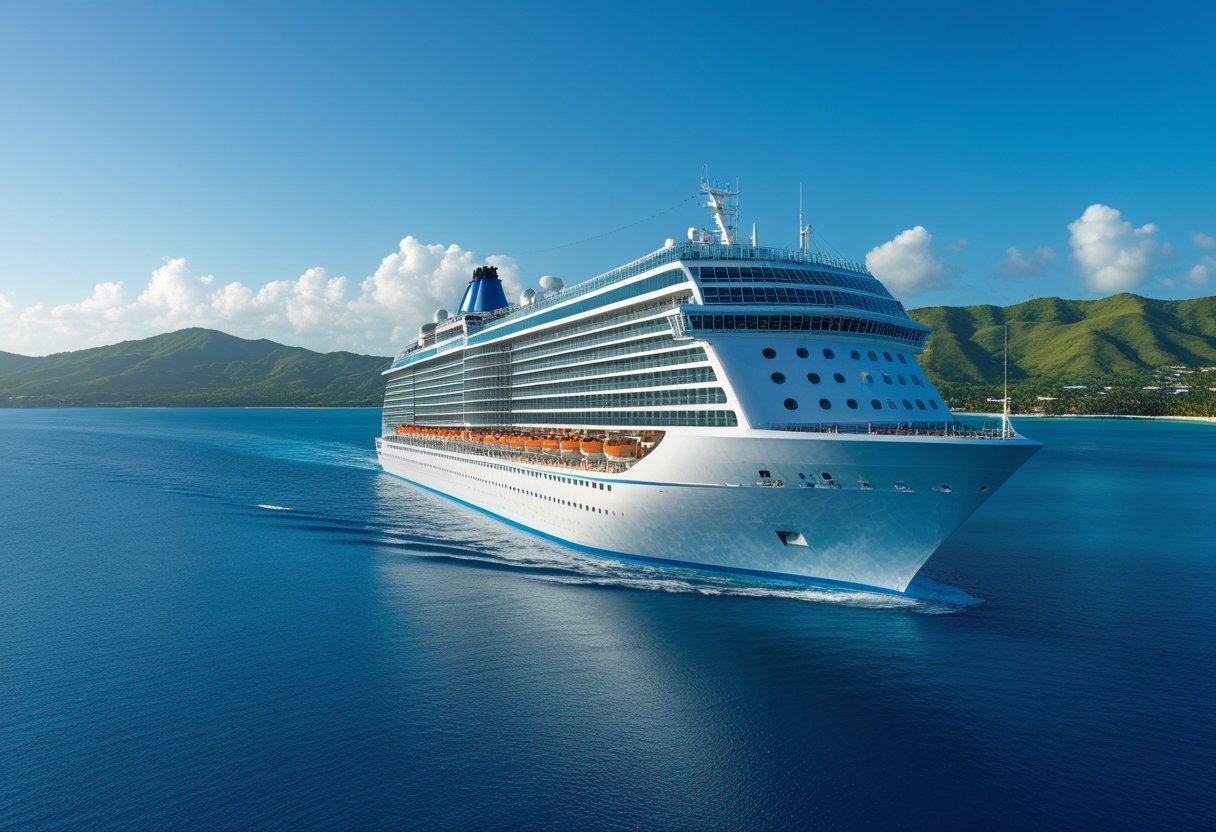
I focus on the cruise lines that run 10-day cruise from Fort Lauderdale to the Panama Canal, the ships you’ll find on this route, and the features that matter most when you pick a trip.
Top Cruise Providers for the Itinerary
I often see Viking running an 10–11 day Classic Panama Canal Passage from Fort Lauderdale on ships like the Viking Mars. Viking appeals if you want quiet public spaces, included shore excursions, and a more “small-ship” ocean experience. Learn more about Viking’s 2026 itinerary on the Viking site.
Princess Cruises offers Panama Canal sailings from Fort Lauderdale with larger ships and more onboard entertainment. Princess suits travelers who want many dining choices and nightly shows.
Smaller or specialty operators, such as AAA-affiliated tours or independent lines featured by travel agencies, can bundle flights, pre-cruise hotel nights, and guided Panama excursions. These can simplify logistics for first-time canal transits.
Notable Ship Features
On Viking Mars and similar ocean ships, I expect staterooms designed for comfort, forward-facing observation areas for canal transits, and lecture programs about Panama history and ecology. Public spaces lean toward quiet lounges and single-seat dining options.
Larger cruise ships from mainstream lines add multiple specialty restaurants, broad entertainment (theater shows, casinos), and family-oriented spaces. Those ships may also have larger pools and more varied onboard activities.
If you book through AAA or a travel specialist, check for included shore excursions, priority embarkation, or cabin upgrades. Those features change the value equation more than a single fancy restaurant.
How to Choose the Best Cruise Line
I choose based on three clear priorities: cabin comfort, included shore excursions, and onboard atmosphere during the canal transit. If I want a relaxed, educational transit with fewer crowds, I pick a line that advertises smaller ships and included excursions like Viking.
If I want lively evenings, many dining options, or family activities, I look to larger mainstream lines such as Princess. I compare itineraries, the number and type of canal locks transited (full vs. partial), and what’s included in the fare.
I also check third-party listings and agent bundles for AAA Panama Canal cruise packages to see if they add value with transfers or guided shore days. Price matters, but I weigh it against what the fare actually covers.
Departure from Fort Lauderdale
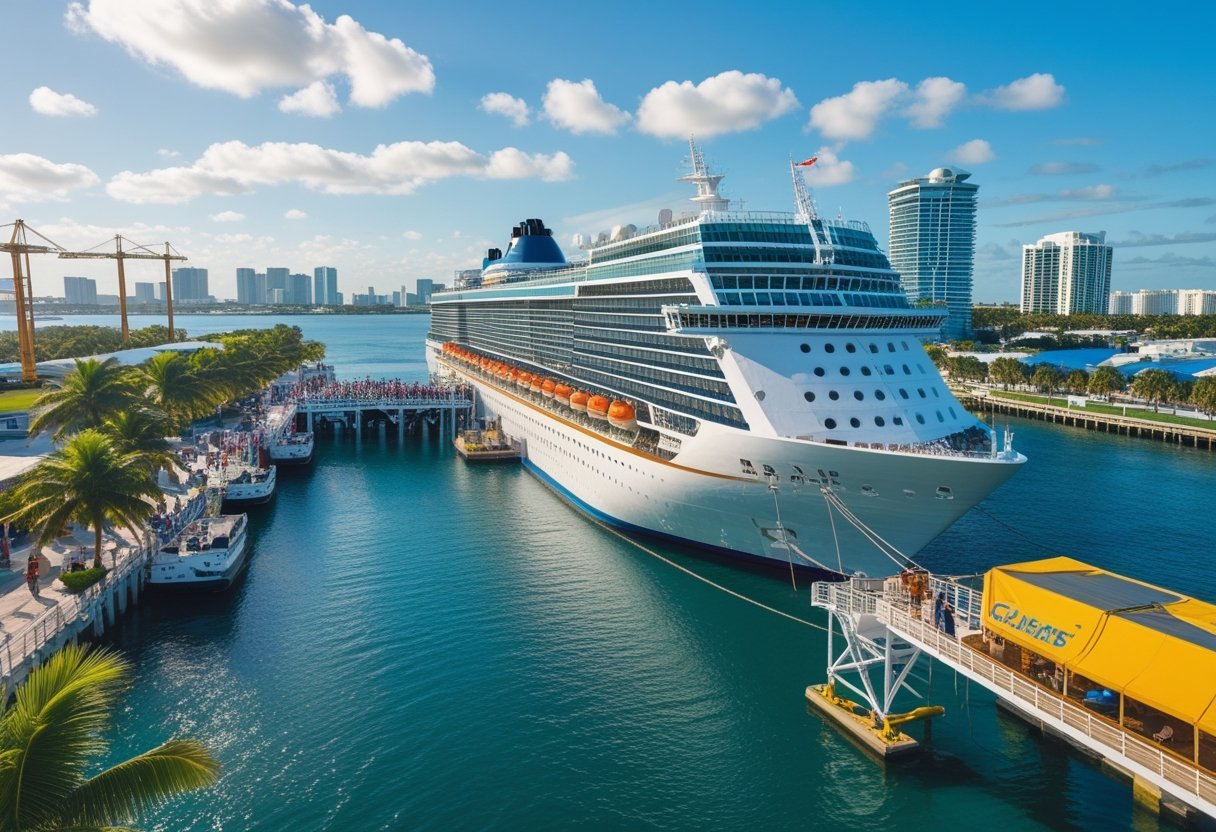
I focus on timing, transport, and what to see near Port Everglades so your embarkation goes smoothly and you don’t miss anything important.
Pre-Cruise Activities and Embarkation
I arrive at Port Everglades with at least two hours before my scheduled embarkation time for standard check-in, and three hours if I need special assistance or have extra luggage. I recommend using the port’s official parking or a pre-booked private lot; both are a short shuttle or walking distance from cruise terminals.
I keep travel documents in an easy-to-reach folder: passport, cruise boarding pass, health documents, and any shore excursion vouchers. Expect security screening similar to airport procedures. If I have carry-on liquids or sharp items, I pack them in checked luggage or follow the port rules to avoid delays.
I often book luggage tags and online check-in with the cruise line before I leave home. That speeds up the drop-off process and helps me head straight to the gangway once my stateroom is ready.
Popular Sights in Fort Lauderdale
I visit Las Olas Boulevard for a short walk, art galleries, and a coffee stop before heading to the port. The area sits about 10–15 minutes by car from Port Everglades, depending on traffic.
If I have extra time, I stop at the Fort Lauderdale Beach promenade to stretch my legs and enjoy ocean views. Parking near the beach can fill up, so I use a rideshare or plan 20–30 extra minutes.
For a quick history fix, I go to the Bonnet House Museum & Gardens when time allows. It’s close enough for a two-hour visit and gives me a peaceful break before embarkation.
For schedules and terminal details, I check the port calendar to confirm ship arrival and departure times and terminal assignments. I find the port’s online schedule helpful for day-of logistics: it shows which ships are in and where they dock.
Notable Excursions and Activities
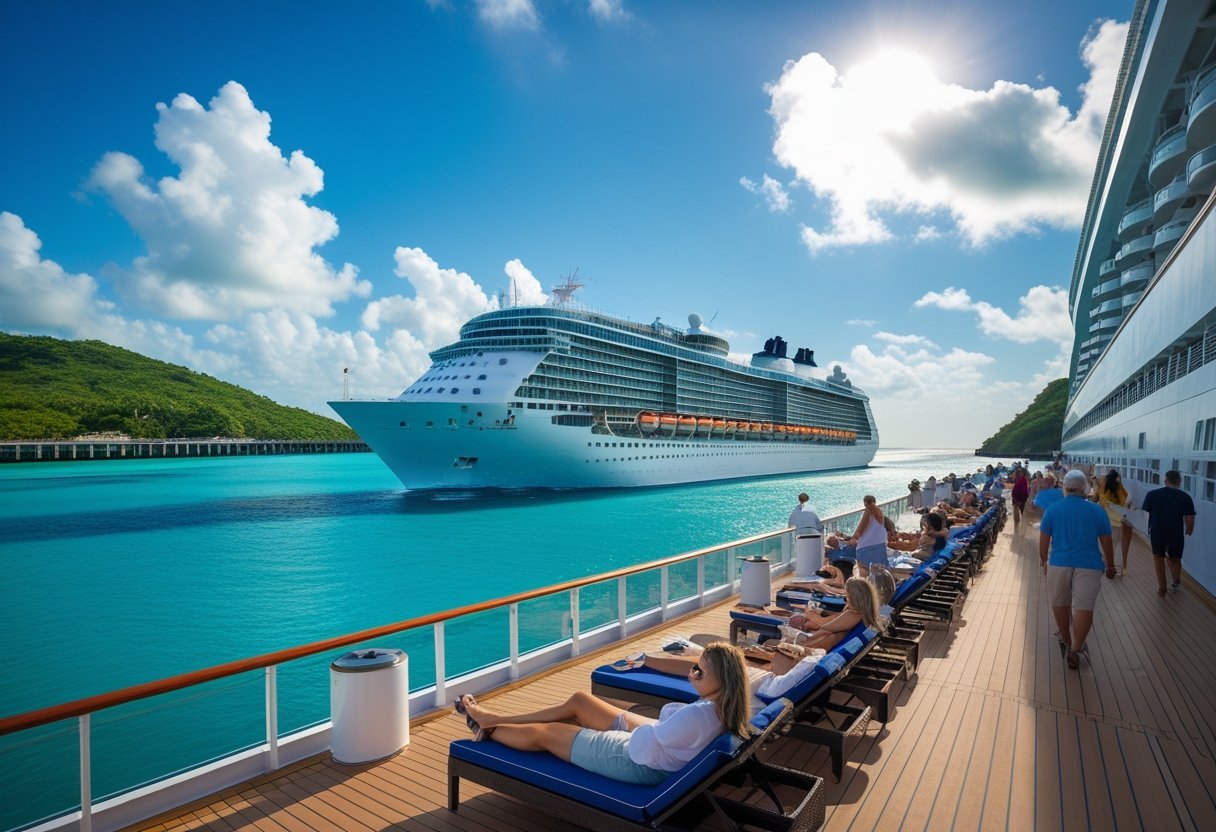
I highlight the best shore trips, cultural visits, and active options so you can pick what fits your interests and energy level. I focus on specific ports, timings, difficulty, and what to bring.
Shore Excursion Recommendations
I recommend booking a 10-day cruise from Fort Lauderdale to the Panama Canal transit viewing and the Panama City/Gamboa day tour early, as these fill fast. The canal transit excursion often departs from Fuerte Amador (Panama City) and includes transit locks, Miraflores Visitor Center passes, and on-deck viewing time. Bring a hat, sunscreen, and binoculars for close-up lock action. Expect several hours ashore and light walking between viewpoints.
In Colón or Balboa, I suggest a guided city and fort tour that covers Casco Viejo or Fort Sherman. These tours include short bus rides and multiple photo stops. If you prefer shorter outings, pick a harbor shuttle and a beach stop near the port for a relaxed afternoon.
Cultural and Nature Tours
I choose the Casco Viejo walking tour to learn Panamanian history, architecture, and local cuisine. Tours last about 2–3 hours and include cathedral visits, plazas, and coffee tastings at small cafés. Wear comfortable shoes and carry water; cobblestones and tight streets slow the pace.
For nature, I favor the Soberanía National Park or Gatún Lake boat trips from Gamboa. A guided rainforest walk or a boat ride to spot monkeys, sloths, and toucans typically lasts 3–4 hours and uses covered boats or shaded trails. Bring insect repellent and a light rain jacket in case of a shower.
Adventure and Recreational Options
I pick the Panama Canal partial transit or full transit deck experience for an active, once-in-a-lifetime feel. These excursions can be long days with lots of standing; they reward you with close views of engineering and tug operations. Secure a good deck spot early and pack snacks if allowed.
If you want adrenaline, I book snorkeling near Bocas del Toro (when included) or zipline tours in Costa Rican/Guatemalan stops on longer itineraries. Snorkel trips require swim comfort and basic gear; ziplines need a moderate fitness level and closed-toe shoes. For relaxed recreation, I arrange beach club days in the Bahamas or Curaçao with chairs, lunch, and water sports rentals.
Booking and Planning Tips for the 10-Day Cruise
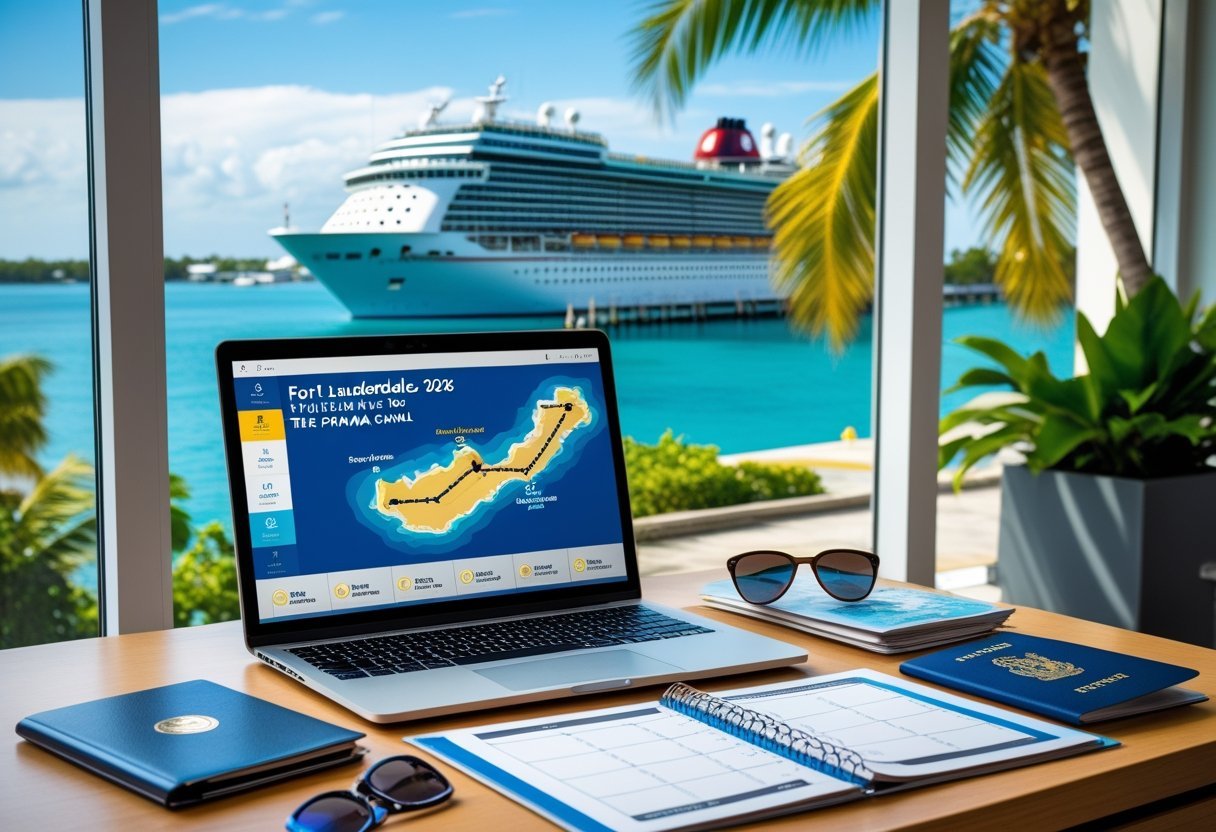
I focus on timing, what to pack, and how recent sailing trends affect pricing and availability. Read these points and pick the steps that match your travel dates and budget.
Best Times to Book
I recommend booking 6–12 months before departure for the best cabin selection and fares on a 10-day cruise from Fort Lauderdale to the Panama Canal. For peak winter sailings (Dec–Mar) and holiday weeks, I book as early as 12–18 months to lock in balcony or suite cabins. Shoulder months (April–June, September–October) often show lower prices 3–6 months out if you can accept inside or midship options.
I watch cruise-line flash sales and two major booking windows: wave season (Jan–Mar) and fall promotions (Sep–Nov). I compare refundable fares and non-refundable deals; refundable fares give flexible changes but cost more. Use price alerts and reprice guarantees when available.
Packing Essentials and Preparation
I pack layers for variable weather: light shirts for Caribbean ports, a warm sweater for early-morning canal transits, and a light rain jacket for tropical showers. I bring sturdy walking shoes for cobblestone streets and shore excursions, plus reef-safe sunscreen and insect repellent for jungle stops near the canal.
I keep travel documents in a waterproof pouch: passport, cruise boarding pass, proof of vaccinations if required, and printed excursion vouchers. I pack a small day bag, power strip (if allowed), and cordless phone charger. For medical needs, I bring a 7–10 day supply of prescriptions and basic first-aid items. I label luggage and register my emergency contact with the cruise line.
Booking for 2026 and Recent Trends
I’ve tracked Panama Canal sailings in 2023–2025 and see stronger demand for full-transit itineraries and longer voyages. For 2026 departures I expect higher demand for cabins with private balconies, so I prioritize those early if a canal transit is essential to my trip. Cruise lines added more Panama Canal options after 2023, so choices now include full transits and partial transits—read the itinerary details before you book.
I also note that many lines increased shore-excursion capacity and flexible cancellation options after 2024. I check the cruise line’s itinerary page and reservation terms for 2026, and I compare comparable itineraries on third-party sites to confirm actual port calls and canal transit wording. If I want an all-through transit, I verify the itinerary explicitly mentions “full Panama Canal transit” rather than “partial transit” or “canal viewing.”
Onboard Experience
I describe what to expect day-to-day aboard a 10-day cruise from Fort Lauderdale to the Panama Canal. I focus on food choices you’ll find and the ways you can relax, learn, and stay active while transiting the canal.
Dining and Culinary Offerings
I look for a mix of dining venues: a main dining room with set or flexible seating, a casual buffet for quick breakfasts and lunches, and at least one specialty restaurant that requires reservations and an extra fee. Expect menu items that reflect regional flavors — Caribbean fish, Central American spices, and Latin‑inspired cocktails — alongside staples like grilled steaks and pasta.
Dining hours tend to fit the ship’s schedule. I book specialty restaurants early for sea days and the canal transit evening. Room service is usually available 24/7 with limited free options and paid items. I watch for dietary notes when I book; the cruise line typically accommodates vegetarian, gluten‑free, and low‑salt requests if I notify them in advance.
Entertainment and Leisure Options
I expect a full day-to-night activity program. Mornings often feature lectures about canal history and local ecology. Afternoons include fitness classes, poolside live music, and workshops like salsa lessons or photography tips for shooting the locks.
Evenings bring headliner shows in the main theater, smaller musical acts in lounges, and themed parties on deck. For quiet time, I use the library, spa, or observation decks to watch the canal approach. Kids and teens usually have supervised clubs with games and crafts, while adults can join enrichment seminars or wine tastings. For specific ship features, I check the line’s itinerary page before I go.
Travel Requirements and Practical Information
I focus on the exact documents and health steps you need to board, transit the Panama Canal, and visit scheduled ports. I list deadlines, who checks paperwork, and practical tips to avoid delays.
Passports, Visas, and Documentation
I carry a passport valid at least six months beyond my cruise disembark date. Most cruise lines and Port Everglades require this; some ports along the Panama Canal route also check it at tender or shore entry.
I check visa rules for each country on my itinerary before I sail. U.S. citizens rarely need a visa for short tourist stops in Caribbean and Central American ports, but Panama or other countries can require visas or transit permits for some nationalities. I confirm requirements at the embassy website or the cruise line’s specific Panama Canal page, such as the Princess Cruises Panama Canal cruises listing.
I bring printed copies and digital photos of my passport, cruise documents, travel insurance, and vaccination records. I put a copy in my carry-on. I register with my embassy’s travel enrollment program when applicable and note contact numbers for the cruise line and Port Everglades.
Health and Safety Considerations
I check current vaccine and testing rules before travel. Panama and most Caribbean ports have no routine COVID, yellow fever, or malaria entry requirements for short-stay tourists, but specific ports or excursions may ask for proof of vaccination or recent negative tests. I verify this 30–7 days before sailing.
I pack a small medical kit: prescription meds in original bottles, basic OTC pain relievers, motion-sickness pills, and any altitude or allergy meds I need. I carry travel insurance that covers medical evacuation and cruise itinerary interruptions.
I follow ship safety rules: attend the muster drill, carry a photocopy of my ID, and note the ship’s medical center hours. For shore excursions, I stay with certified guides, avoid unlit areas at night, and keep valuables secure.
Frequently Asked Questions
I list specific ports, cabin types, visa notes, onboard activities, meal options, and typical cancellation rules so you can plan details and make decisions quickly.
What are the ports of call for the 10-Day Cruise from Fort Lauderdale to the Panama Canal?
Itineraries commonly start at Port Everglades in Fort Lauderdale and end in Panama City (Fuerte Amador).
Typical stops include Caribbean and Central American ports such as Cartagena (Colombia), Colon or a partial Panama Canal transit, and often Costa Rican or Mexican coastal ports depending on the cruise line.
See a sample 10-day itinerary with port details on this Fort Lauderdale Panama Canal cruise guide: Panama Canal Cruises from Fort Lauderdale – Port Everglades Cruise Guide (https://www.portevergladescruiseguide.com/panama-canal.html).
What types of accommodations are available on this cruise?
Ships on this route offer inside, ocean-view, balcony cabins, and suites.
Larger ships may have single cabins and multi-room suites with butler service or extra amenities.
Cruise lines vary: check the specific cruise line’s 10-day offering for deck plans and cabin categories, for example Viking’s Classic Panama Canal Passage deck layouts (https://www.vikingcruises.com/oceans/cruise-destinations/caribbean-americas/classic-panama-canal-passage/index.html).
Are there any specific visa requirements for the countries visited on this itinerary?
Visa needs depend on your nationality and the ports visited.
U.S. and many EU citizens often do not need short-stay visas for common stops like Panama, Colombia, or Mexico, but this can change.
Confirm entry rules with the embassy websites of each country on your itinerary well before travel and check cruise-line guidance for any updates; a general FAQ on Panama Canal cruises can help with common entry questions (https://www.panamacanalcruise.com/about/faqs.cfm).
What activities are included on board during the sea days?
Ships usually offer enrichment talks about the Panama Canal, live music, pool and spa access, fitness classes, and evening shows.
You will also find organized games, art workshops, and destination lectures focused on local culture and history.
For cruises that emphasize the Panama Canal experience, expect detailed talks and deck viewing opportunities during canal transit portions, as noted in many 10- to 11-day itineraries (https://cruisesolutioner.com/10-day-panama-canal-cruise-from-fort-lauderdale-a-detailed-guide/).
How can passengers manage dietary restrictions during the cruise?
Most lines accommodate common dietary needs like vegetarian, gluten-free, dairy-free, and some allergy requests.
Contact the cruise line before sailing to submit dietary requirements and reconfirm at dining venues onboard.
Major lines often provide detailed menus and special-order options; check the cruise operator’s pre-cruise forms and onboard dining team for confirmation (example listings of Panama Canal sailings and operator options: Panama Canal Cruises from Ft. Lauderdale, Florida 2026/2027 (https://www.affordabletours.com/cruises/d/port/panama-canal/ft-lauderdale-florida/)).
What is the cancellation policy for this 10-Day Panama Canal cruise?
Cancellation policies vary by cruise line, fare type, and how close to departure you cancel.
Typical rules include full refund windows up to a set number of days before sailing, then tiered penalties and final non-refundable periods within 30–90 days of departure.
I recommend checking the booking terms for your exact sailing and considering travel insurance that covers cancellations and itinerary changes; many lines publish full cancellation schedules with each itinerary (see examples of 10–15 day Panama Canal itineraries for policy context: Cruises from Ft Lauderdale to Panama Canal – GoToSea (https://www.gotosea.com/cruises-from-ft-lauderdale-to-panama-canal)).