


Welcome to PanamaVIP. In this section, you’ll find my complete collection of guides, written from my personal experiences exploring Panama City — the vibrant capital — and the beautiful country around it.
My name is María Elena Castillo, and I’m a travel enthusiast who has spent years discovering hidden corners, cultural gems, and unforgettable experiences throughout Panama.
Through these guides, I’ll take you with me — sharing the places I love, the insights I’ve learned, and the tips I wish every traveller knew.


María Elena Castillo is a Panamanian travel writer and cultural enthusiast based in Panama City. With over a decade of exploring the vibrant streets, undiscovered natural gems, and dynamic investment landscapes of Panama, María brings authentic local insight to PanamaVIP’s audience. She has a background in journalism and tourism, specializing in storytelling that bridges the gap between travelers looking for the perfect getaway and investors seeking opportunities in this diverse and rapidly evolving country.

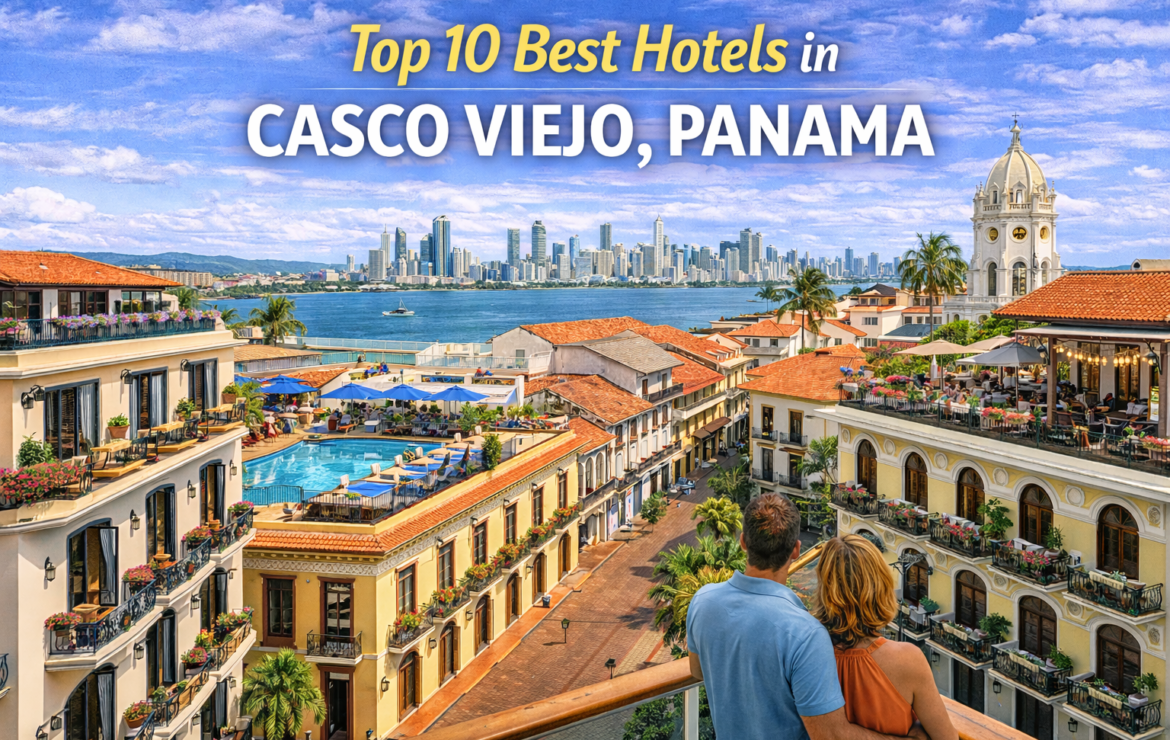
When I first explored Panama City, I was struck by how different it felt from other cities in Central America. It is modern, busy, and full of energy. At the same time, it has deep history, tropical nature, and a relaxed coastal vibe. It’s a place where you can eat at a fancy rooftop restaurant, walk through a 300-year-old neighborhood, and watch huge ships pass through the Panama Canal all in the same day.
Panama City is the capital of Panama and the largest city in the country. It sits right on the Pacific Ocean and acts as the main hub for travel, business, and culture. People come here for work, adventure, food, shopping, and more. Even if you are only passing through on the way to the beach or the mountains, the city is worth at least a few days of your time.
In this guide, I’ll walk you through what the city feels like, what you can expect, and what you should not miss when you visit.
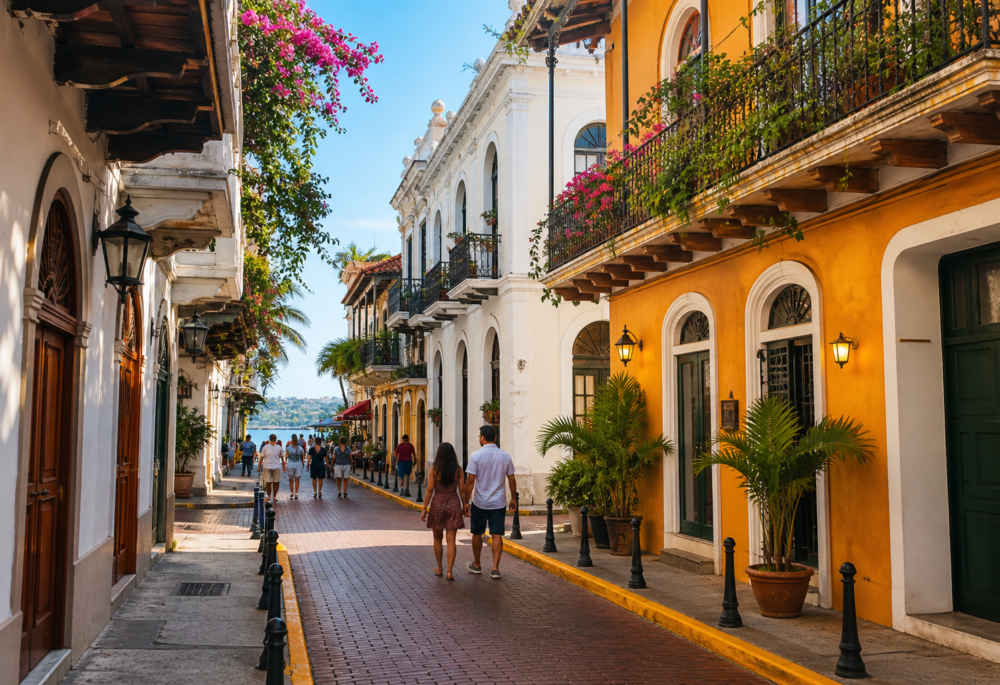
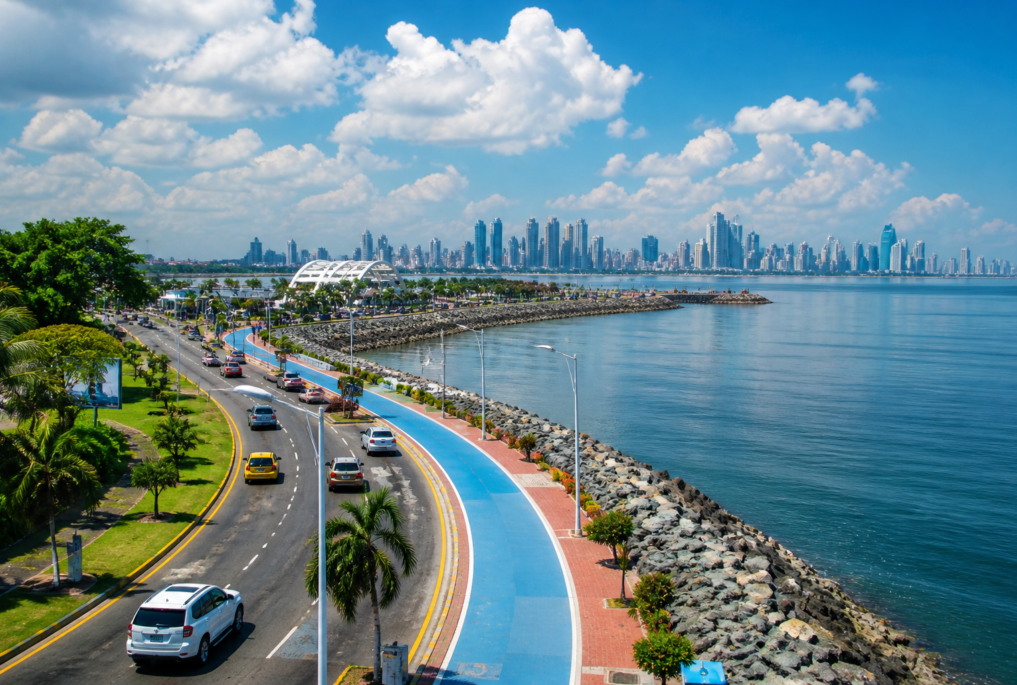
Panama City blends old and new in a way that is easy to see and fun to explore. The skyline looks like Miami, with tall glass towers along the water. But drive a few minutes, and you are in Casco Viejo, the historic district with bright buildings, old churches, and quiet plazas.
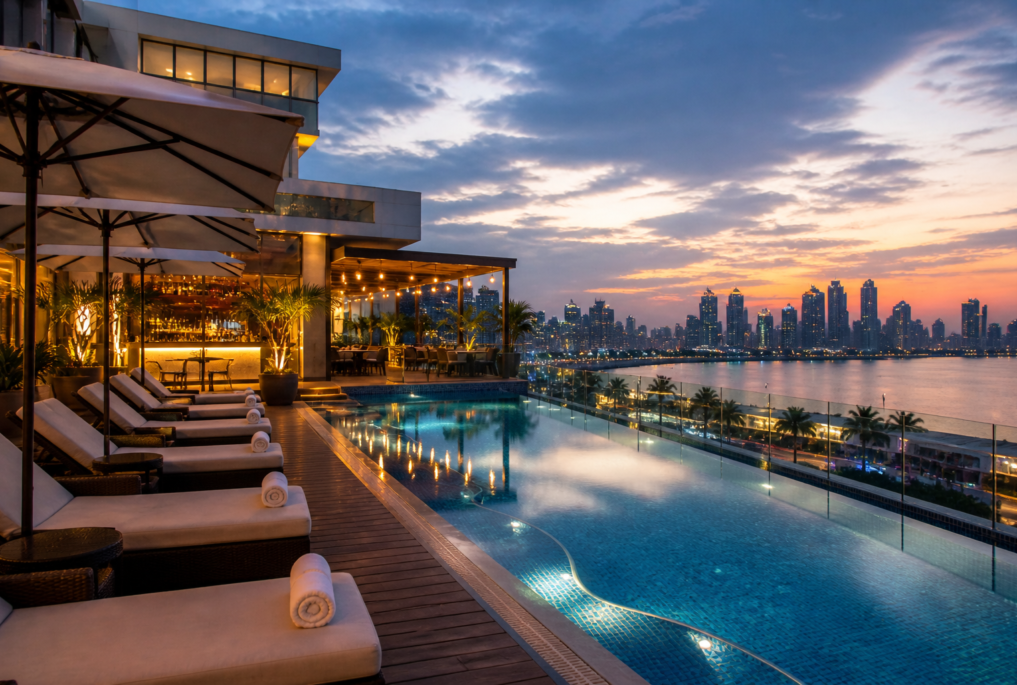
The city is busy during the day. Cars move fast, people walk everywhere, and you can hear a mix of Spanish and English on the streets. At night, the city lights up. Restaurants stay open late. Rooftop bars fill with music. The warm air and ocean breeze make it easy to stay out longer than you planned.
The weather is warm year-round. Expect sunshine, humidity, and quick rain showers, especially from May to November. Wear light clothes and bring water. The heat can surprise you if you’re not used to it.
Panama City is easy to get around once you understand a few basics.
Taxis are cheap, and rideshare apps like Uber and DiDi are common. I recommend using them, especially if you’re new to the city. They are simple, safe, and affordable.
The Metro is clean and modern. It connects major parts of the city and is great for avoiding traffic. If you’re staying downtown, it’s a useful option.
Walking is possible in many areas, but not everywhere. Sidewalks vary by neighborhood, and the heat can make long walks tough. If you plan to walk, go early in the morning or late in the afternoon when it is cooler.
Traffic can get heavy during rush hour. Plan extra time if you have a tour or a flight.
Panama City has several neighborhoods, each with its own style and personality. Here are the main ones most visitors explore.
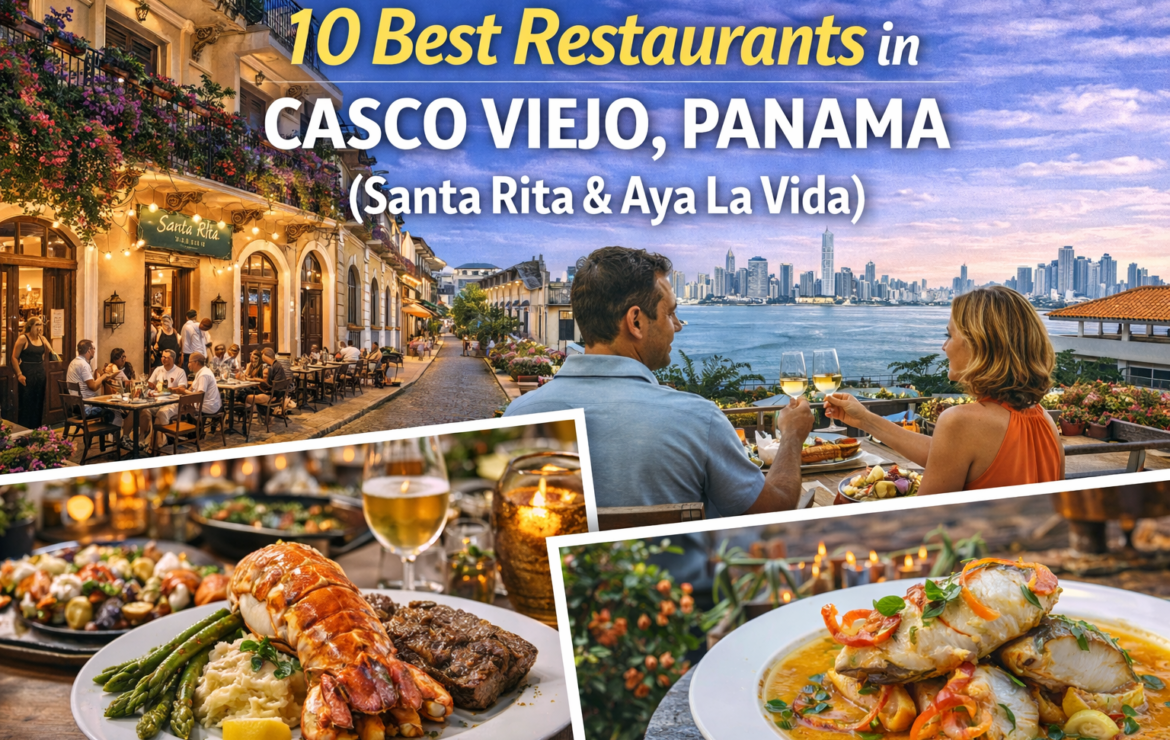
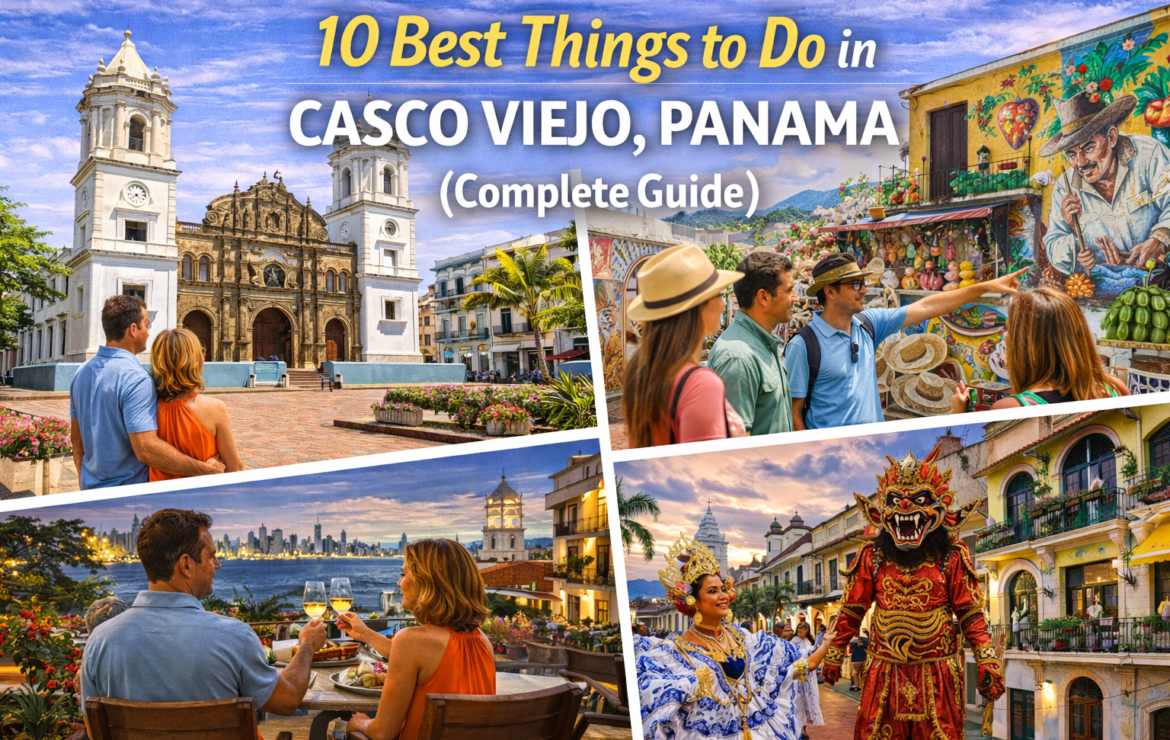
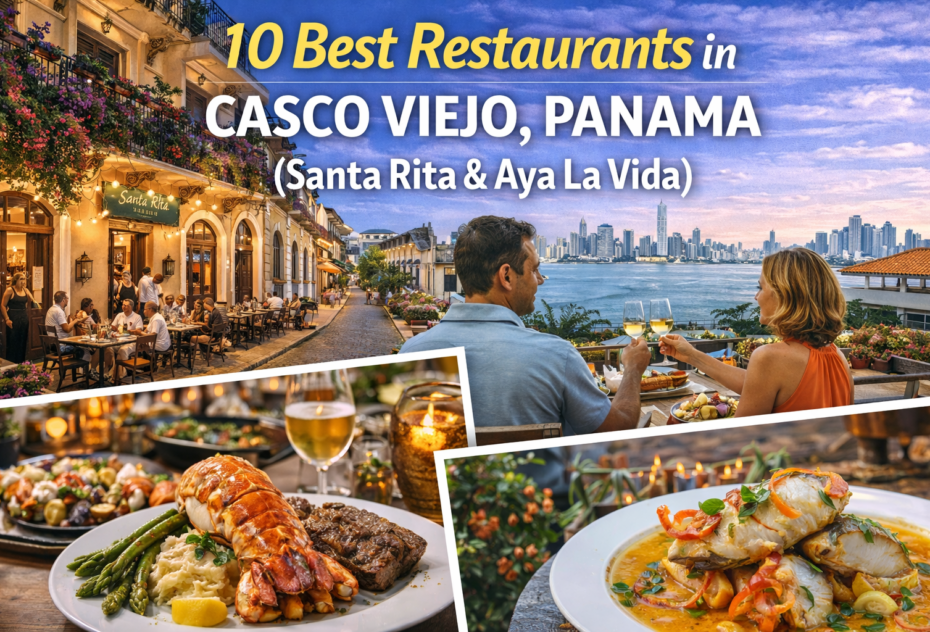
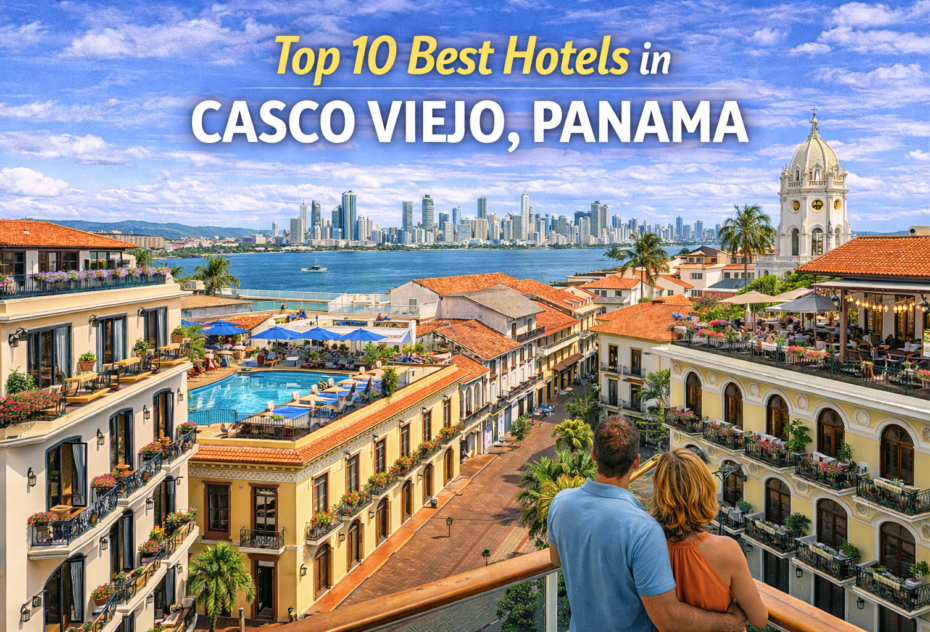
This is the historic heart of the city. I always tell people to start here. The streets are narrow and colorful. You’ll find cafés, churches, boutique hotels, and rooftop bars. It’s a great place to walk, eat, take photos, and learn about Panama’s past.
Casco Viejo has become popular in recent years, so some areas feel trendy and upscale. Still, the charm of the old city is strong. Spend at least half a day here, if not more.
This is the modern side of Panama City. Tall buildings, luxury apartments, malls, and waterfront views define this area. It feels safe, clean, and international. Many expats live here. If you stay in a hotel in this area, you’ll be close to shopping and dining.
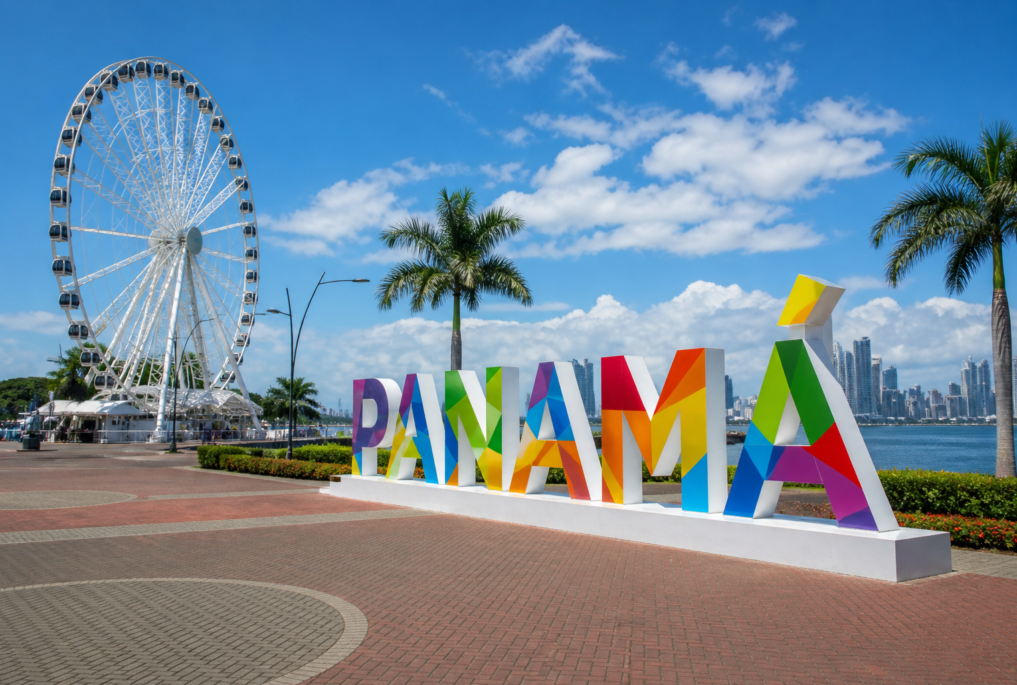
This long waterfront road runs along the bay and offers some of the best views of the skyline. There is a wide walking path called the Cinta Costera. Locals come here to walk, bike, skate, or just relax by the ocean. It’s a beautiful place to get fresh air and see the city from a new angle.
This is one of the most walkable neighborhoods. It has parks, cafés, bakeries, bars, and many hotels. It feels friendly and safe. If you want a central place to stay with a mix of local and tourist vibes, this is a good pick.
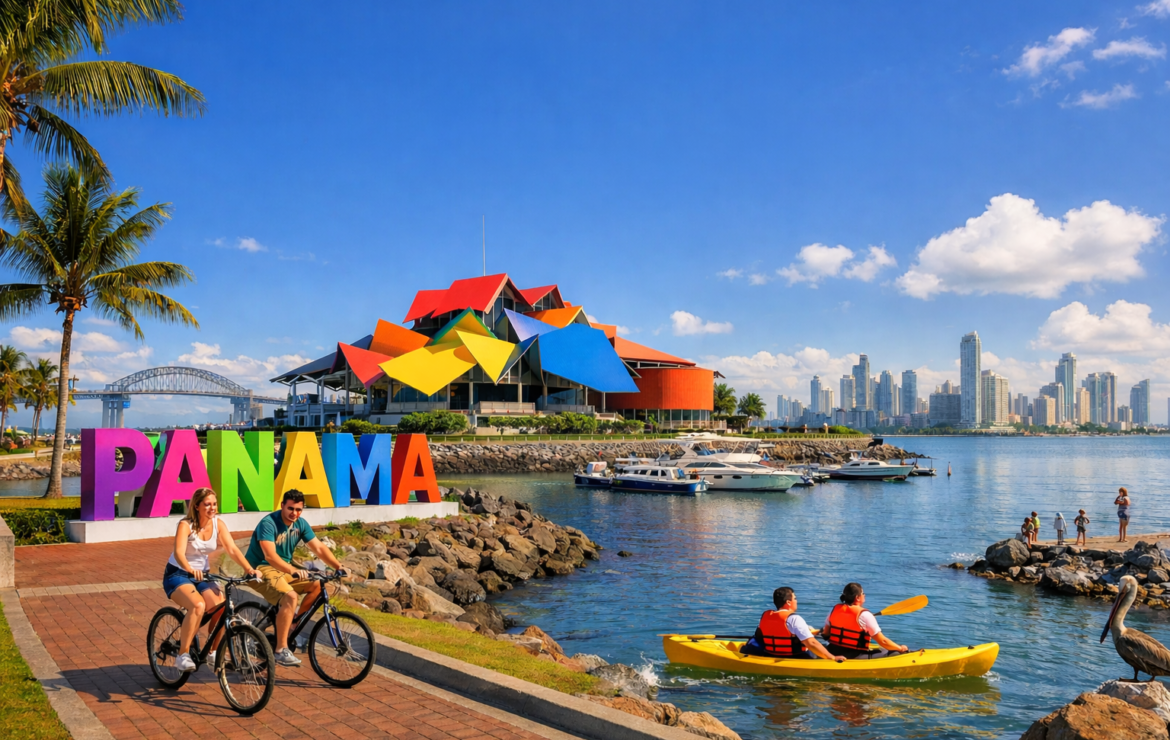
This long strip of land stretches into the Pacific and connects four small islands. It’s a great area for biking, sunset views, and waterfront dining. The Biomuseo, a striking museum about Panama’s natural history, is also located here.
No trip to Panama City is complete without seeing the Panama Canal. It is the most famous attraction in the country and one of the greatest engineering projects in the world.
The easiest place to visit is the Miraflores Locks. Here you can watch giant ships move through the canal and learn how the whole system works. The viewing platform gives you a close-up look at the action. The museum and short film explain the history and the challenges behind the canal.
I recommend arriving early or checking the schedule online. The best time to see ships is usually in the morning or late afternoon.
There is plenty to keep you busy. Here are highlights that most people enjoy.
Visit the Plaza de la Independencia, the Metropolitan Cathedral, and the Presidential Palace (you can only view it from outside). Explore small shops and cafés. Try local dishes like ceviche or ropa vieja. End the day at a rooftop bar with a view of the skyline.
This waterfront park stretches for miles. It’s perfect for a relaxing walk, a morning jog, or a bike ride. You’ll see fishermen, families, and people enjoying the ocean breeze.
Designed by architect Frank Gehry, this museum stands out with its colorful roof. Inside, you learn how Panama’s land bridge changed the world’s climate, wildlife, and geography. It’s unique and great for kids and adults.
This is a large forest right inside the city. You can hike easy trails and look for monkeys, sloths, and birds. The lookout point gives you a beautiful view of the skyline and the canal zone. It’s hard to find another capital city with a rainforest this close.
Panama City has malls like Multiplaza and Albrook Mall, one of the biggest in Latin America. You’ll find everything from high-end brands to local shops. Food options are endless. Panamanian food mixes Afro-Caribbean, Spanish, and Indigenous flavors. Plus, you can find great international food if you want something familiar.
Panama City feels modern and fast, but it still has strong cultural roots. Music and dance are big parts of local life. You may hear salsa, reggaetón, or traditional Panamanian music as you walk around.
Panamanians are friendly and helpful. Many speak some English, especially in tourist areas. Still, knowing a few Spanish words goes a long way.
The city hosts festivals, parades, and celebrations throughout the year. If you visit during Carnival, you’ll see huge parties and colorful costumes. During November, the city honors several national holidays with music, fireworks, and events.
Panama City is generally safe, especially in the main tourist areas. Like any big city, it helps to stay aware and use common sense.
Stay in known neighborhoods like Casco Viejo, El Cangrejo, Punta Pacifica, or Avenida Balboa. Avoid wandering into unfamiliar areas at night. Use Uber or taxis if you’re not sure where you are going.
Keep your phone and valuables secure when walking in crowded places. Most hotels offer safes. Drink bottled water if you have a sensitive stomach.
The local currency is the Balboa, but the U.S. dollar is used for almost everything. This makes things easy for American travelers.
Tipping is common. Ten percent is normal in restaurants.
You can visit Panama City any time of year, but the dry season from December to April offers the best weather. It’s sunny and warm, with lower humidity. The rainy season still has many nice days, but expect afternoon showers.
Hotel prices rise during major holidays and events. Book early if you’re visiting in December, January, or February.
Your ideal area depends on the type of trip you want.
Stay in Casco Viejo if you enjoy history, nightlife, and charming streets.
Stay in Punta Pacifica or Balboa Avenue if you want luxury, ocean views, and modern comfort.
Stay in El Cangrejo if you want something central, walkable, and affordable.
Panama City has everything from hostels to 5-star hotels, so it’s easy to find a place that fits your budget.
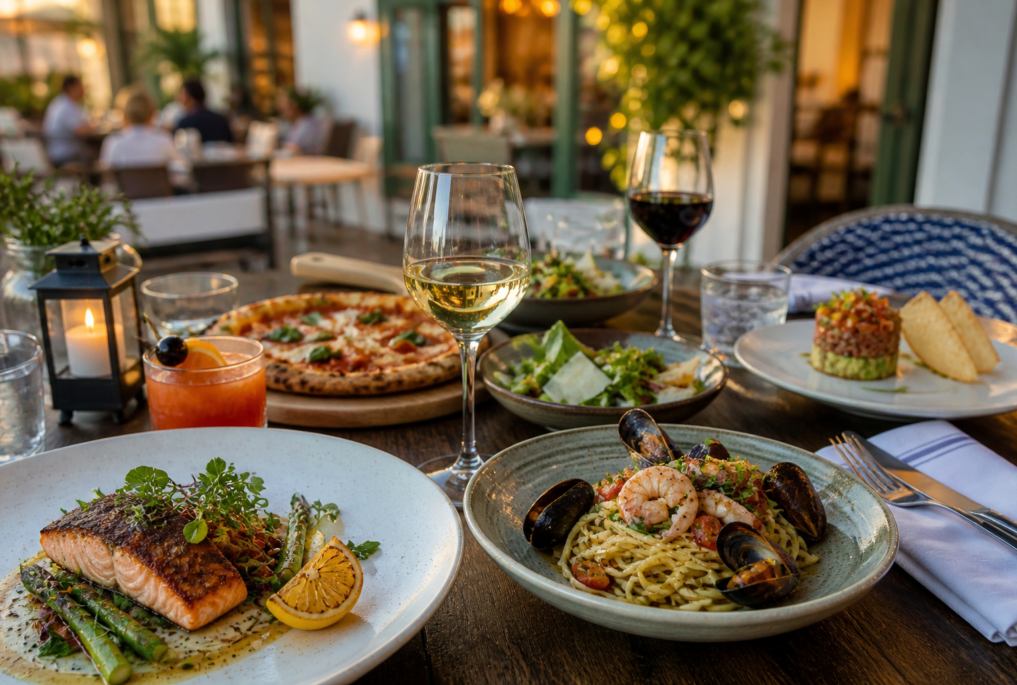
I love the food in Panama City because there are so many choices. You can eat fresh seafood at the Mercado de Mariscos, the local fish market. You can try Panamanian dishes like sancocho (chicken soup), carimañolas (fried yucca rolls), or patacones (fried plantains).
If you like international food, you’ll find Japanese, Italian, Mediterranean, Indian, American, and more. Many restaurants offer views of the skyline or the ocean, which makes the experience even better.
What I love most about Panama City is how easy it is to enjoy. You can get around quickly, eat well, and see a lot in a short time. You can explore history, nature, and modern culture without leaving the city limits.
It’s also a major hub for flights, making it simple to travel to beaches, islands, mountains, and other parts of Panama. Many visitors use the city as their base before heading to places like Bocas del Toro, Boquete, or San Blas.
Panama City gives you a mix of comfort and adventure. It’s a place where you can be curious, relaxed, or busy — whatever style of travel you enjoy.
Panama City is more than a stopover. It’s a lively capital with a unique personality. It blends old and new, calm and busy, local and global. Whether you come for the canal, the food, the history, or the skyline, you will find something that surprises you.
I hope this guide helps you picture what the city is like and gives you ideas for your trip. If you plan well and explore the right neighborhoods, you’ll see why so many travelers fall in love with Panama’s capital.

PanamaVIP is your go-to destination for travel tips, city guides, culture, lifestyle, and everything connected to Panama and Panama City, Florida. Discover places, plan trips, and explore like a local.