


Food And Culture in Panama
Welcome to the Food & Culture section of PanamaVIP. I’m María Elena Castillo, and in this category, I’ll take you on a journey through the flavours, traditions, and cultural experiences that make Panama such a vibrant and fascinating country.
From traditional dishes and street food to festivals, music, crafts, and local customs — this is where I share everything I’ve personally tasted, learned, and experienced while exploring Panama.
If you want to understand the real heart of Panama, its food and culture are the best places to start.
Categories of Food And Culture In Panama


Hi, I am María Elena Castillo
María Elena Castillo is a Panamanian travel writer and cultural enthusiast based in Panama City. With over a decade of exploring the vibrant streets, undiscovered natural gems, and dynamic investment landscapes of Panama, María brings authentic local insight to PanamaVIP’s audience. She has a background in journalism and tourism, specializing in storytelling that bridges the gap between travelers looking for the perfect getaway and investors seeking opportunities in this diverse and rapidly evolving country.

Food & Culture Recent Posts
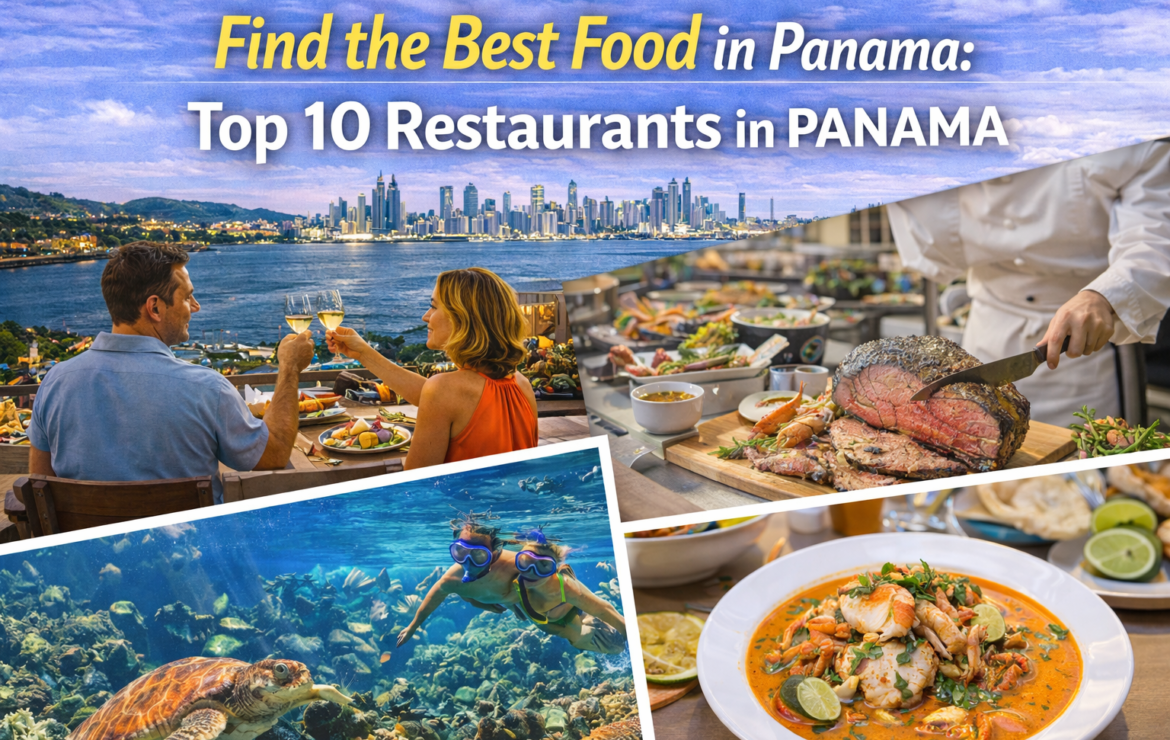
Find the Best Food in Panama: Top 10 Restaurants in Panama
- by María Elena Castillo
- February 12, 2026
- 0
- 77
Food and Culture in Panama: A Local’s Guide to the Flavors and Traditions of My Country
Whenever I think about Panama, I think about flavors and stories. I think about the smell of fresh bread in a small mountain town, the sound of drums during a festival, and the taste of ceviche served at a busy market near the sea. Food and culture shape life here. They show who we are, where we come from, and how our history blends with our daily routines.
Panama sits at a crossroads of the Americas, and our identity reflects that. We’ve taken pieces of Indigenous traditions, African rhythms, Spanish influence, Caribbean energy, and global touches from people who arrived over centuries. When you travel across the country, you feel this mix in everything—our music, our food, our celebrations, and the way we welcome strangers.
In this guide, I want to take you through the foods and cultural experiences that define Panama for me. These are not just things to eat or watch. They are parts of a living country, full of warmth and pride.
The Heart of Panamanian Food
Panamanian food is comforting, flavorful, and deeply rooted in tradition. It blends Indigenous ingredients with Spanish, Afro-Caribbean, and Central American styles. Most dishes use simple ingredients but taste rich and familiar.
The Staples
Every household in Panama relies on a few key staples. Rice appears on many plates, often paired with beans or lentils. Plantains come fried, baked, or boiled, depending on the day and the region. Yucca, corn, and fresh vegetables fill out meals in a way that feels hearty but not heavy.
When I travel across the countryside, I notice how much corn shapes our traditions. From tortillas cooked over an open flame to steamed treats wrapped in plantain leaves, corn connects us to our Indigenous roots.
The Comfort Foods
The comfort foods in Panama tell the story of home. One of the most beloved dishes is sancocho, a chicken soup cooked with herbs, root vegetables, and corn. It’s warm, soothing, and perfect after a long day. In many families, sancocho appears during celebrations or on quiet Sundays.
Another favorite is ropa vieja, shredded beef cooked with peppers and spices. Served with rice and fried plantains, it feels like a hug on a plate.
Coastal Flavors: Seafood and Caribbean Influence
Panama touches two oceans, so our coastal regions enjoy seafood that is fresh, bright, and flavorful.
Ceviche
Whenever I visit the coast—or even when I’m in the capital—I can’t resist ceviche. It’s made with fish or seafood marinated in lime juice, mixed with onions, herbs, and a bit of spice. The best place to taste it is at a local fish market, where the flavors are bold and the atmosphere lively.
Coconut and Caribbean Touches
Along the Caribbean side, especially in areas like Bocas del Toro and Portobelo, the African and Caribbean influence shows up beautifully in the food. Dishes cooked in coconut milk have a soft sweetness that balances the spice. Stewed fish, coconut rice, and fried plantains fill plates in a way that feels celebratory, even on a normal day.
Fish and Shellfish
Fresh snapper, corvina, shrimp, and lobster appear often on menus. Grilled, fried, or stewed, seafood here rarely needs much seasoning because the freshness speaks for itself.
Indigenous Food Traditions
Indigenous communities across Panama have preserved their culinary traditions for generations. Their dishes reflect deep respect for the land, the sea, and the ingredients they harvest.
Simplicity and Meaning
In Guna Yala—the territory of the Guna people—the food is simple and fresh. Fish caught that morning becomes lunch. Plantains and coconut form the base of many meals. The simplicity reminds you how powerful natural flavors can be.
Tamales and Bollos
Across the country, you’ll find tamales and bollos, both made from corn dough. Tamales are steamed in plantain leaves with meat, vegetables, and spices. Bollos are simpler, often just corn dough wrapped and boiled. People eat them for breakfast or as a snack with coffee.
These dishes connect us to our earliest roots and show how much we still rely on traditional techniques.
Street Food: The Everyday Taste of Panama
If you want to understand a place, eat its street food. In Panama, the streets offer some of the best flavors you’ll find.
Empanadas and Carimañolas
One of my favorite morning treats is an empanada, crispy and warm, stuffed with cheese, beef, or chicken. Right beside them, you might find carimañolas, made from cassava and filled with seasoned meat before being fried to golden perfection.
Churros and Raspao
In parks and plazas, vendors sell sweet churros or raspao, shaved ice topped with flavored syrups and condensed milk. On a hot day in Panama City, raspao tastes like relief.
Hojaldres
A classic breakfast food is hojaldre, a thin, fried dough eaten with cheese, eggs, or coffee. It’s simple, but whenever I take a bite, it reminds me of family meals and early mornings.
The Vibrant Culture of Panama
Panama’s culture is not just something you observe—it’s something you feel. It lives in our music, dances, festivals, and everyday interactions. Each region carries its own traditions, shaped by history and geography.
Our Music
Music fills every corner of the country. On the Caribbean coast, you hear drums and rhythms with African roots. In the central provinces, traditional music uses strings, drums, and percussion. Modern genres like reggaetón and salsa play everywhere—from city bars to beach gatherings.
The sound that always reminds me of home is the steady pulse of folkloric drums during a fiesta. The beat feels warm and grounding.
Traditional Dress
Panama’s traditional clothing is bright, detailed, and full of meaning. The pollera, our national dress, is one of the most beautiful garments I’ve ever seen. It’s handmade, embroidered, and often passed down through generations. Wearing it feels like carrying history on your shoulders.
For men, the traditional outfit includes a white shirt called a camisilla and woven hats made with incredible craftsmanship.
Festivals That Bring the Country to Life
Panama celebrates festivals with color, energy, and deep cultural pride. If you visit during one of these events, you’ll see how joyful and expressive our culture can be.
Carnival
Carnival is one of the biggest celebrations of the year. In towns like Las Tablas, the streets explode with music, costumes, dancing, and parades. During the day, people spray water to cool off, and at night, the plazas fill with performances. Carnival feels wild, playful, and full of life.
Corpus Christi
Certain towns celebrate Corpus Christi with traditional dances that tell stories using masks and costumes. These dances blend Indigenous, African, and Spanish influences. Watching them feels like watching history move in front of you.
Black Christ Festival
In Portobelo, the Black Christ Festival draws pilgrims from across the country. Many walk long distances to reach the church. The devotion and emotion in the atmosphere make the event deeply moving, even for observers.
Coffee Culture in the Highlands
Panama produces some of the most prized coffee in the world. In the highlands around Boquete, farms grow beans that win international awards. If you’ve never tried Panamanian geisha coffee, you’re in for a surprise. Its floral aroma and smooth taste feel almost unreal.
Coffee Tours
When I walk through a coffee farm in the early morning, the air smells sweet and earthy. The guided tours take you through the entire process—from planting to roasting. Tasting a cup of freshly brewed coffee in the same place it was grown feels special.
Café Culture
Small cafés in Boquete and the surrounding towns serve coffee with care and pride. Many offer pastries, sandwiches, and quiet corners where you can relax with a book or watch the world drift by.
Art and Handcrafts: Creativity Across the Country
Panama’s art scene blends traditional craftsmanship with modern expression.
Molas
One of the most iconic Panamanian crafts is the mola, a textile art created by the Guna women. Molas feature layered fabrics cut into intricate patterns. They often depict animals, plants, or abstract shapes. Each one is unique, like a story told in cloth.
Pottery and Woodwork
In the central provinces, artisans create pottery with natural colors and traditional designs. Woodworkers craft masks, bowls, and decorative pieces using local materials. These crafts make meaningful souvenirs because they reflect real traditions.
Modern Art
In Panama City, galleries showcase contemporary art from across Latin America. The pieces range from bold portraits to abstract sculptures, showing how creativity continues to grow and evolve in the country.
Food Markets: Where Everyday Culture Comes Alive
Food markets in Panama bring people together. They’re places where you can taste local dishes, buy fresh ingredients, and feel the rhythm of daily life.
Mercado de Mariscos
In Panama City, the Mercado de Mariscos sits by the bay. Fishermen bring in their catch every morning, and stalls prepare ceviche on the spot. I love sitting at a small table here with a cold drink and a bowl of fresh ceviche while watching the city move around me.
Mercado de Abastos
For fruits, vegetables, and local produce, the Mercado de Abastos is the place to go. The variety here is incredible—sweet pineapples, fresh herbs, cassava, peppers, and more. Walking through the aisles feels like exploring a rainbow of flavors.
Local Fairs
Many towns host fairs throughout the year, where families gather to buy handmade goods, eat traditional treats, and enjoy music. These fairs give you a pure taste of community life.
The Influence of Our Diverse Roots
Panama’s culture reflects the people who shaped it. Indigenous communities gave us our earliest traditions. African heritage brought rhythm, strength, and spiritual depth. Spanish influence added language, religion, and architecture. People from Asia, the Caribbean, the Middle East, and Europe added their foods, stories, and customs.
You see this mix in the restaurants of Panama City, the festivals in the Azuero Peninsula, the handmade crafts in the highlands, and the everyday meals prepared in homes across the country. Our culture is a living blend, always growing and always connected to the past.
The Spirit of Panama
Panama is warm—not just in temperature, but in the way people treat each other. Meals are shared, stories are exchanged, and visitors are welcomed with genuine kindness. When you’re here, it’s easy to feel included.
Our food and culture tell a story of resilience, flavor, rhythm, and joy. They show how a small country can hold an entire world inside it. If you ever travel through Panama, I hope you taste something that surprises you, hear music that moves you, and feel a connection that stays long after you return home.
And if you see me in a café, a festival, or a quiet corner of Casco Viejo, I’ll probably be enjoying a warm meal or tapping my foot to familiar music—grateful for the culture that shaped me.