


Apartments & Beachfront Condos for Sale in Panama
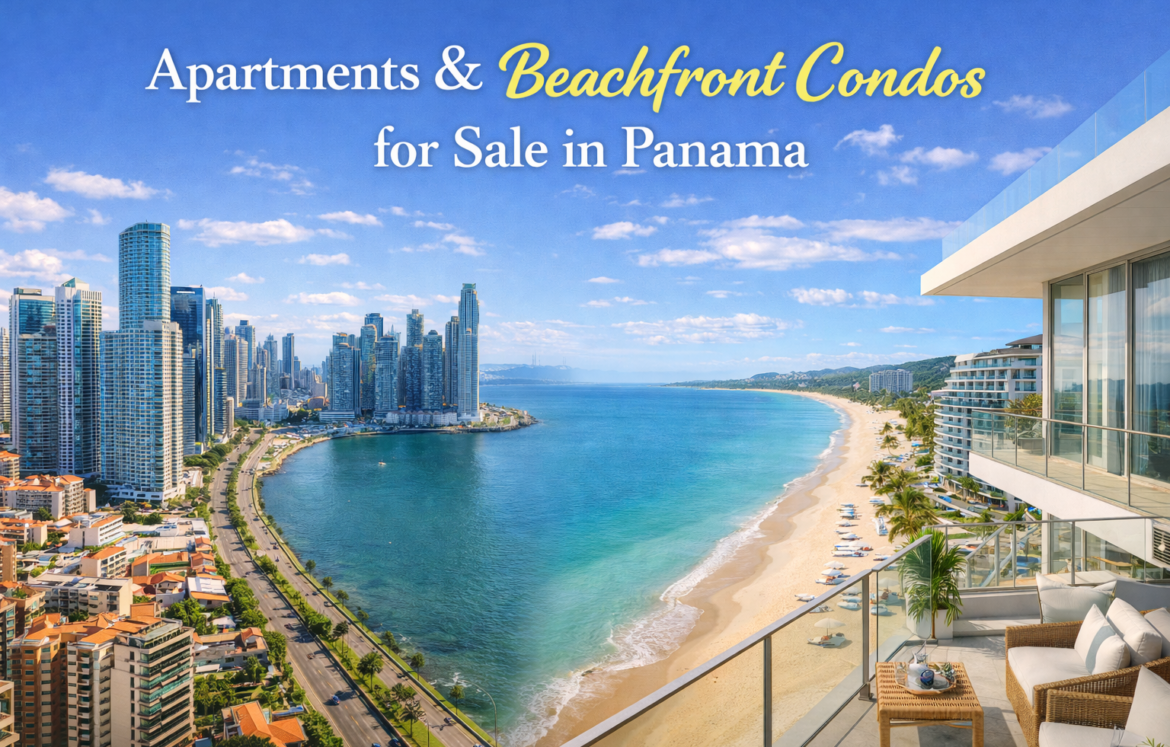
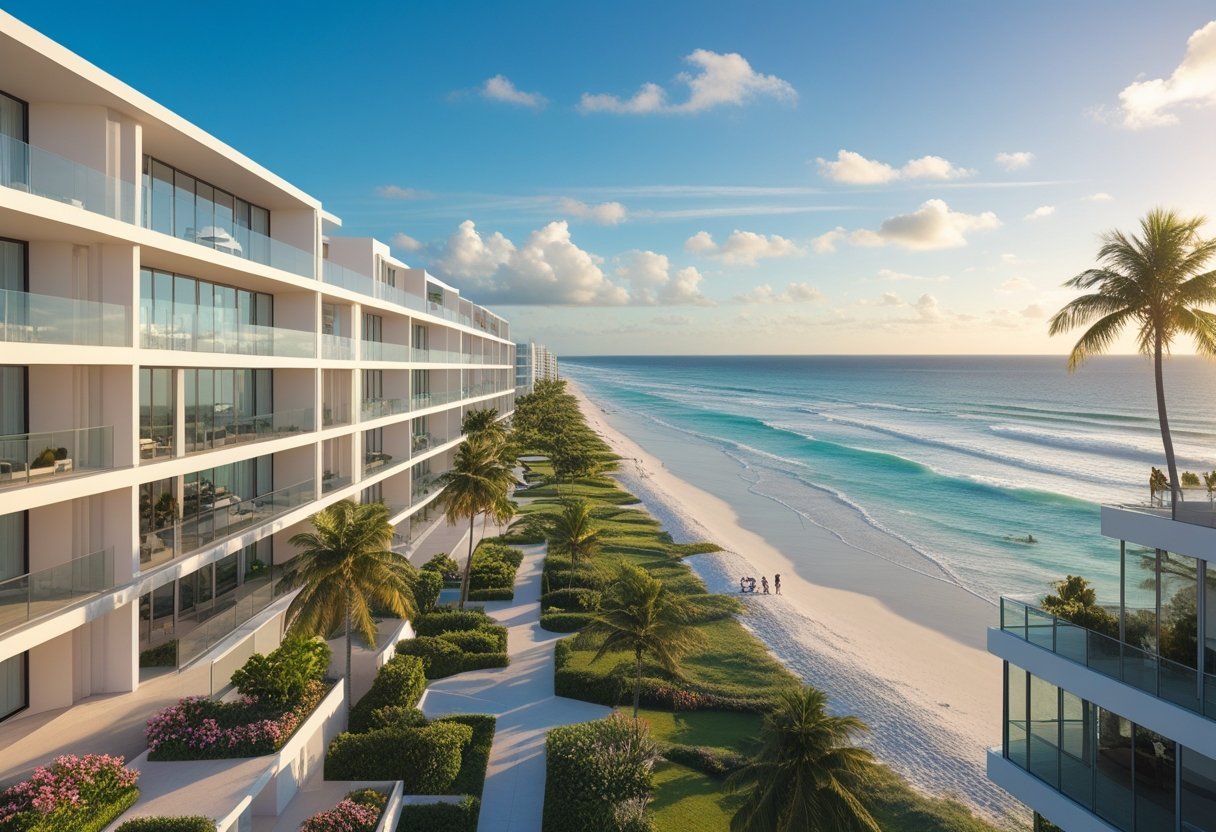
You’ll find a wide range of apartments and beachfront condos for sale in Panama that fit different budgets and lifestyles. You can buy a beachfront condo for vacation use, rental income, or full-time living, often with easier buying rules and lower prices than in many other countries. I will show where the best beach areas are, what property types to expect, and how the buying process works so you can decide what fits your goals.
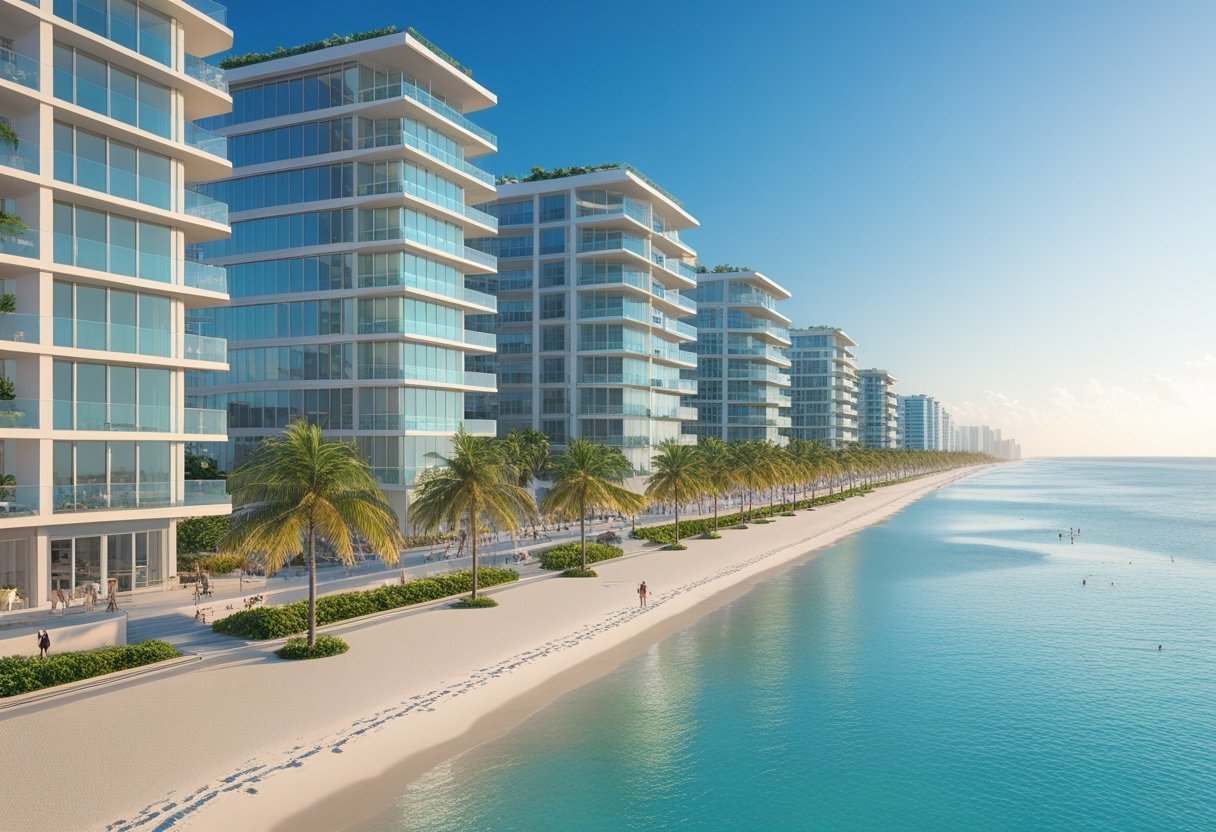
I know the market and will explain practical steps for foreigners, common costs, and tips to spot good investment deals. Expect clear guidance on living near the coast, transit options, and how to find reputable agents and listings like beachfront options on Panama real estate sites.
Beachfront Condos for Sale in Panama
I focus on where buyers find beachfront condos, what features matter most, and typical price ranges so you can compare options and plan a visit or offer.
Popular Beachfront Locations
I see buyers target Coronado, Playa Blanca, and Playa Bonita most often. Coronado draws families and retirees with its long sandy beach, golf course, and many condo towers. Playa Blanca offers newer resort-style developments and private beach access that attract investors and vacation renters. Playa Bonita sits close to Panama City and appeals to buyers with beachfront condos for sale in Panama near urban services and a private beach club.
I also track listings in smaller towns like Las Lajas and Playa Caracol. These offer lower entry prices and sometimes newer projects such as Margaritaville Beach Resort & Residences Playa Caracol. I link to local listings when I research specific units and neighborhoods.
Key Features and Amenities
I look for ocean views, private or semi-private beach access, and secure parking as top priorities. Many beachfront condos include pools, on-site gyms, and 24/7 security. Furnished units and full-service property management matter for buyers who plan short-term rentals.
I recommend checking the building’s flood and hurricane resilience, HOA rules, and rental restrictions. Newer developments often include condos with modern kitchens, smart locks, and covered balconies. If you want a condo for sale in Panama listings with strong rental potential, prioritize buildings near tourist hubs and with resort-style amenities.
Average Prices and Market Trends
I track prices ranging widely by location and finish level. In Coronado and Playa Blanca, typical beachfront condos start around the mid-five-figure to low six-figure range for smaller units, while larger or luxury units can reach into high six or seven figures. Units close to Panama City or within gated resort communities command higher per-square-meter prices.
I watch demand rise for furnished, turnkey condos that let owners rent immediately. New project launches periodically shift local inventory and can temporarily lower resale prices. For current listings, I consult local portals that list beachfront properties across Panama, such as the Beach & Oceanfront Properties listings, to compare active condos for sale.
Types of Apartments and Condos Available
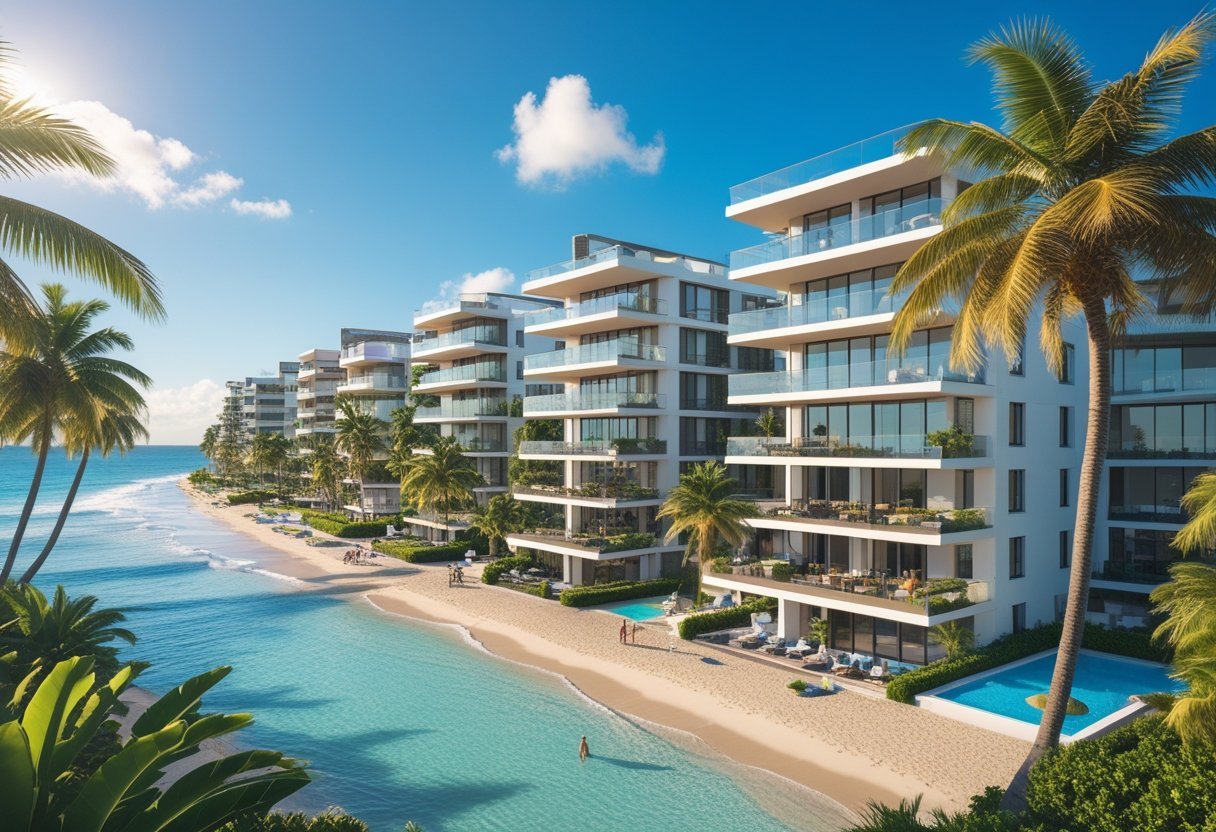
I outline the main options buyers find in Panama, with key differences in price, location, and amenities so you can match a property to your needs.
Luxury Oceanfront Residences
I focus on high-end condos that sit directly on the coast, often in Panama City’s Avenida Balboa, Coronado, or Playa Caracol. These units usually offer 2–4 bedrooms, private balconies with sea views, and floor-to-ceiling windows. Expect modern finishes, smart-home wiring, and marble or hardwood floors.
Buildings often include full-service amenities: 24/7 security, valet, pools, rooftop terraces, gyms, and private beach access. Price ranges vary widely; some listings exceed $1 million for penthouses and larger units. I recommend inspecting HOA fees and flood risk for ground floors before buying.
For listings and examples of oceanfront projects and units, see beachfront condo marketplaces and local agencies.
Affordable Beach Apartments
I describe smaller, budget-friendly apartments near popular beach towns like Coronado and some parts of the Pacific coast. These units usually have 1–2 bedrooms and simpler finishes, but can still offer ocean or partial-view balconies.
Prices can start near lower five figures down to around $120,000 in some urban or older coastal buildings. Monthly costs and cheap rentals in Panama can make these attractive for part-time residents or renters. Expect fewer luxury services; common offerings may include a shared pool and basic security rather than full concierge service.
I advise checking building maintenance records and rental rules if you plan to rent out the unit to cover costs.
New Developments and Pre-construction
I cover pre-construction condos launched by developers in Panama City and resort zones. These projects range from mid-rise urban towers to large beachfront resorts like Margaritaville-style developments. Buyers can secure promotional pricing and customizable floor plans during early sales.
Pre-construction comes with staged payments, estimated completion dates, and risks such as delays or changes in specs. Developers often include warranties and on-site sales offices that show model units. I suggest reviewing the developer’s track record, the sales contract, andthe projected HOA setup before committing.
New builds can offer modern energy features and higher rental appeal, but I recommend factoring in construction timelines when planning a move or investment.
Top Areas for Buyers
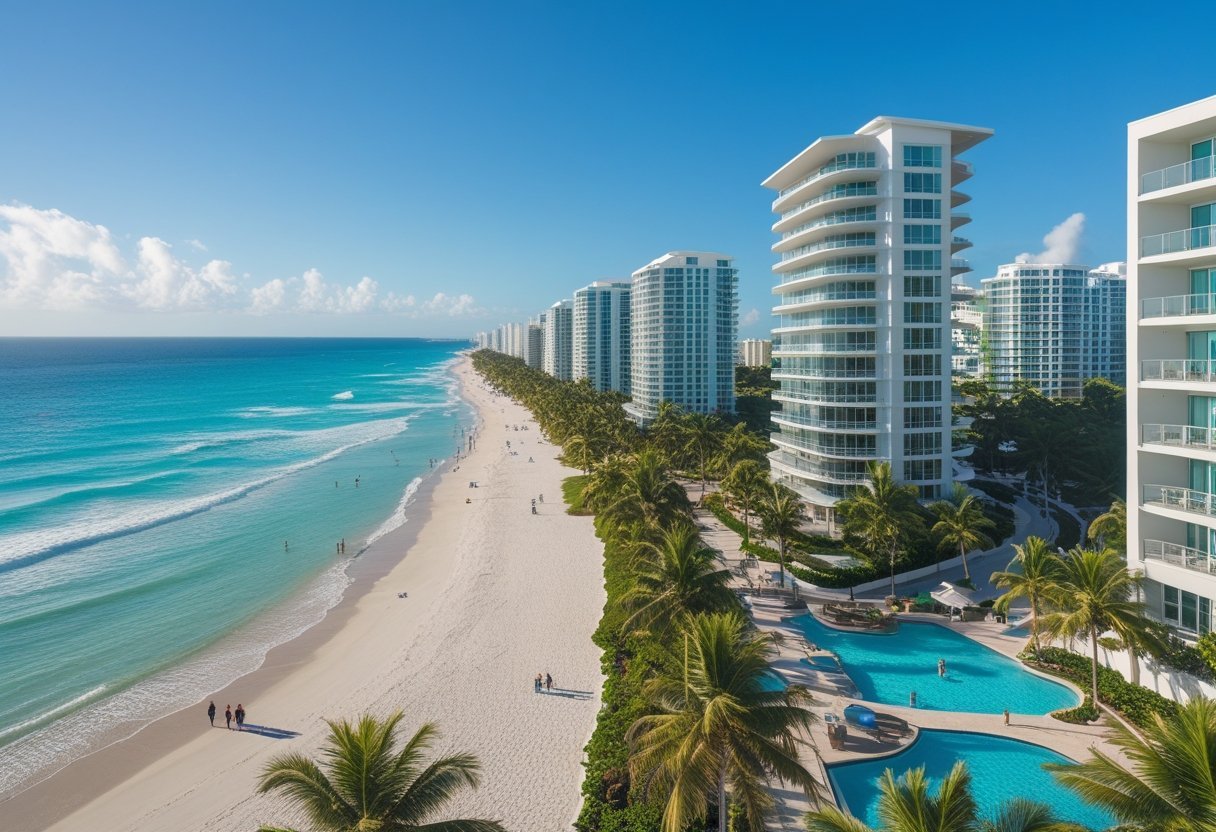
I focus on places with strong resale or rental demand, easy access to services, and clear lifestyle trade-offs. Below I list specific neighborhoods, typical buyer priorities, and what to expect from prices and amenities.
Panama City
I look for condos in Punta Pacifica, Costa del Este, and Avenida Balboa when I want city convenience. These areas offer high-rise towers, modern gyms, rooftop pools, and quick access to hospitals and malls. Prices vary by building age and view; newer towers with Bay views command premiums.
I check walkability and commute times. Costa del Este gives quieter streets and planned developments, while Avenida Balboa puts you on the water with easy nightlife and dining. For rentals, units near business districts and foreign schools rent faster.
If I need a shortlist, I focus on secure buildings with doormen, covered parking, and updated kitchens. I also vet property management for short-term rentals if I plan to rent out the condo.
Coronado and Playa Blanca
I prefer Coronado for buyers who want expat communities, golf, and predictable rental markets. Coronado has established condos, gated developments, and full-service amenities like supermarkets and clinics about 90 minutes from Panama City.
Playa Blanca targets buyers wanting resort-style living and strong vacation rental potential. It has branded resorts, beachfront pools, and amenities that attract tourists year-round. Maintenance fees and HOA rules differ widely, so I compare costs before committing.
For either area I watch access roads and seasonal demand. Coronado tends to suit retirees and long-term renters, while Playa Blanca has higher short-term rental turnover and more tourist-focused services.
Gorgona and San Carlos
I choose Gorgona or San Carlos when I want a quieter beach town with local flavor and lower price points. Both sit about 60–90 minutes from Panama City and attract surfers, families, and buyers seeking simpler beachfront homes.
Gorgona offers small gated communities and ocean-view lots. San Carlos has a mix of beach houses and low-rise condos with good rental demand from domestic tourists. I check internet reliability and distance to the nearest clinic and grocery store.
If I plan to rent, I target units within walking distance to the beach or near popular surf spots. I also verify road conditions and hurricane-safe construction practices for beachfront properties.
Boca Chica and Chitre
I consider Boca Chica and nearby Chitré for buyers wanting Southern Pacific coast access and quieter markets. Boca Chica draws boating and fishing enthusiasts with access to islands and calm waters. Chitré serves as the regional hub with hospitals, shops, and rental demand for locals and weekenders.
I often hunt for vacation rental potential in Boca Chica because of island tours and sport fishing. For longer-term investment, Chitré’s rental market for local workers and students can provide a steady income. I compare property taxes and local utilities, since services vary more than in Panama City.
When evaluating properties here, I confirm marina access for Boca Chica listings and check proximity to Chitré’s services for family buyers. Also, I inspect road links to ensure reasonable travel to larger hospitals and airports.
- Panama City listings example: high-rise condos, Bay views, luxury amenities — ideal for professionals.
- Coronado / Playa Blanca: gated communities and resort condos — good for retirees and short-term rentals.
- Gorgona / San Carlos: lower cost beach homes, surf access — suits budget buyers and nature lovers.
- Boca Chica / Chitré: island access and regional services — fits boaters and buyers seeking quieter coastal life.
Find beachfront condo listings and area-specific properties through dedicated Panama real estate sites like Panama Equity for beachfront towns and Panama Sovereign Realty for focused beachfront searches.
Buying Process for Foreigners
I outline the main steps you must follow when buying an apartment or a beachfront condos for sale in Panama. I focus on legal rules, how you can hold title, and the documents you need to close safely.
Legal Requirements
I must confirm that foreigners have the same property rights as Panamanians and can buy titled land, including condos and beachfront property. You cannot buy land within 10 km of an international border for national security reasons. I always recommend using a licensed Panamanian attorney to run title searches and verify zoning and building permits before signing any contract.
For a condo for sale in Panama City or a beachfront condo in Bocas del Toro, due diligence includes checking the Public Registry for liens, review of the condominium’s master deed, and confirmation that condo fees and taxes are current. I advise a written offer, a promise-to-purchase contract, and a notarized transfer deed at closing.
Ownership Structures
I explain the two main ways foreigners hold property: in my personal name or through a Panamanian corporation/private interest foundation. Buying a condo as an individual makes tax and resale straightforward. Using a corporation can provide privacy, easier share transfers, and estate planning benefits, but it adds setup and annual maintenance costs.
If you buy a beachfront condos for sale in Panama, vendors may offer share transfers of a corporation that holds the title. That can be faster but carries a 5% shares transfer tax and requires careful vetting of the corporation’s history. I suggest weighing buyer’s goals—privacy, ease of transfer, or tax planning—with legal advice before choosing the structure.
Required Documentation
I list the documents you will need to complete a purchase: a valid passport, proof of funds for the deposit and closing, and a power of attorney if you won’t attend closing in person. The seller provides the original title (registro público) and a recent tax certificate showing property tax status. Your attorney should obtain a certified copy of the property title and a certified land survey.
For financing or corporate purchases, expect additional paperwork: corporate bylaws and certificates, minutes authorizing the transaction, and identification for all beneficial owners under AML rules. I always confirm that any deposit is paid into an attorney trust account or a notarized escrow arrangement to protect my payment.
Investment Opportunities and Rental Income
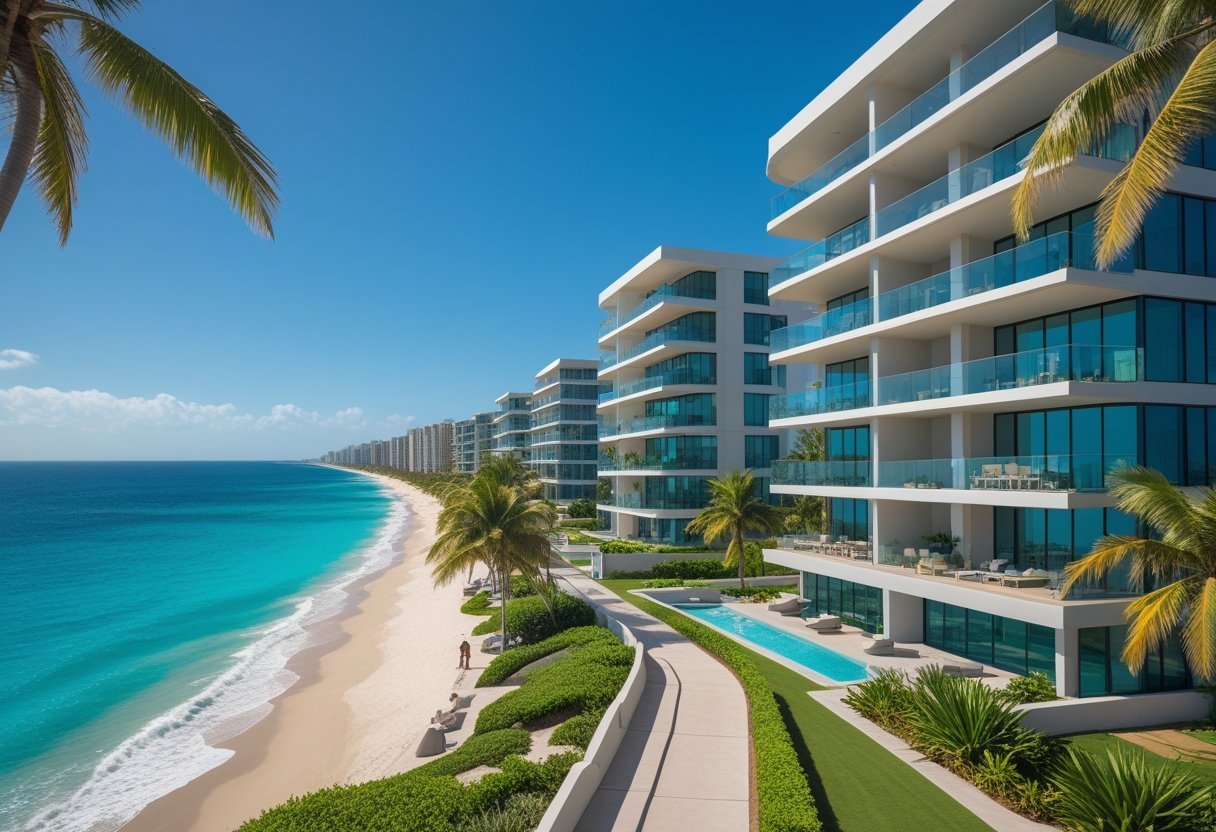
I look at rental income, demand, and management costs to judge an investment. I focus on realistic yields, peak seasons, and the work or fees needed to rent a condo or beachfront apartment in Panama.
Rental Yield and Demand
I calculate rental yield by dividing expected annual rent by the purchase price. In Panama City and popular beach towns like Coronado or Playa Blanca, typical gross yields for condos often range from about 4% to 8%, depending on location and unit condition. Higher yields usually come from smaller units or properties near beaches and tourist hubs.
Demand varies by area. Panama City sees steady long-term demand from expats and business travelers, while Coronado and Playa Blanca get strong seasonal demand from vacationers. I also watch for cheap monthly rentals in Panama — those affect long-term market rents and can lower yields if many low-cost units compete nearby.
Key cost items that lower net yield:
- HOA or condo fees
- Property taxes and insurance
- Maintenance and vacancy periods
I run conservative estimates that subtract 25–40% from gross rent to cover these costs.
Short-Term and Long-Term Rentals
I weigh short-term (Airbnb-style) vs long-term leases by income stability and effort. Short-term stays can push nightly rates high during peak season and holidays. This can produce better monthly revenue during 3–6 high-demand months. But short-term rentals bring more cleaning, guest turnover, and variable occupancy.
Long-term rentals give a predictable monthly cash flow. Many expats and local professionals seek 6–12 month leases, especially in Panama City and Coronado. Long-term rents tend to be lower per night, so annual revenue can be less than a well-managed short-term operation.
I check rules before choosing: some buildings restrict short-term rentals. I also compare competition from cheap rentals in Panama; a flood of low-price long-term units can push down monthly rates and make short-term rentals relatively more attractive.
Property Management Solutions
I evaluate three management options: self-manage, local manager, or full-service company. Self-managing keeps costs low but takes time for bookings, cleaning, and maintenance calls. I recommend this only if I live nearby or can visit often.
A local manager handles tenant screening, rent collection, minor repairs, and local compliance. Fees run around 8–12% for long-term and are higher for short-term. A full-service vacation rental company will list the property on platforms, handle check-ins, cleaning, and 24/7 support, usually charging 20–30% of booking revenue.
Important checklist for choosing management:
- Confirm legal permission for short-term rentals in the building
- Ask for performance reports and references
- Compare fee structures and included services
I factor management fees into my net yield calculations to avoid overestimating returns. For many investors, the right manager converts a good property into a reliable income stream.
Living in Panama: Daily Life and Transportation
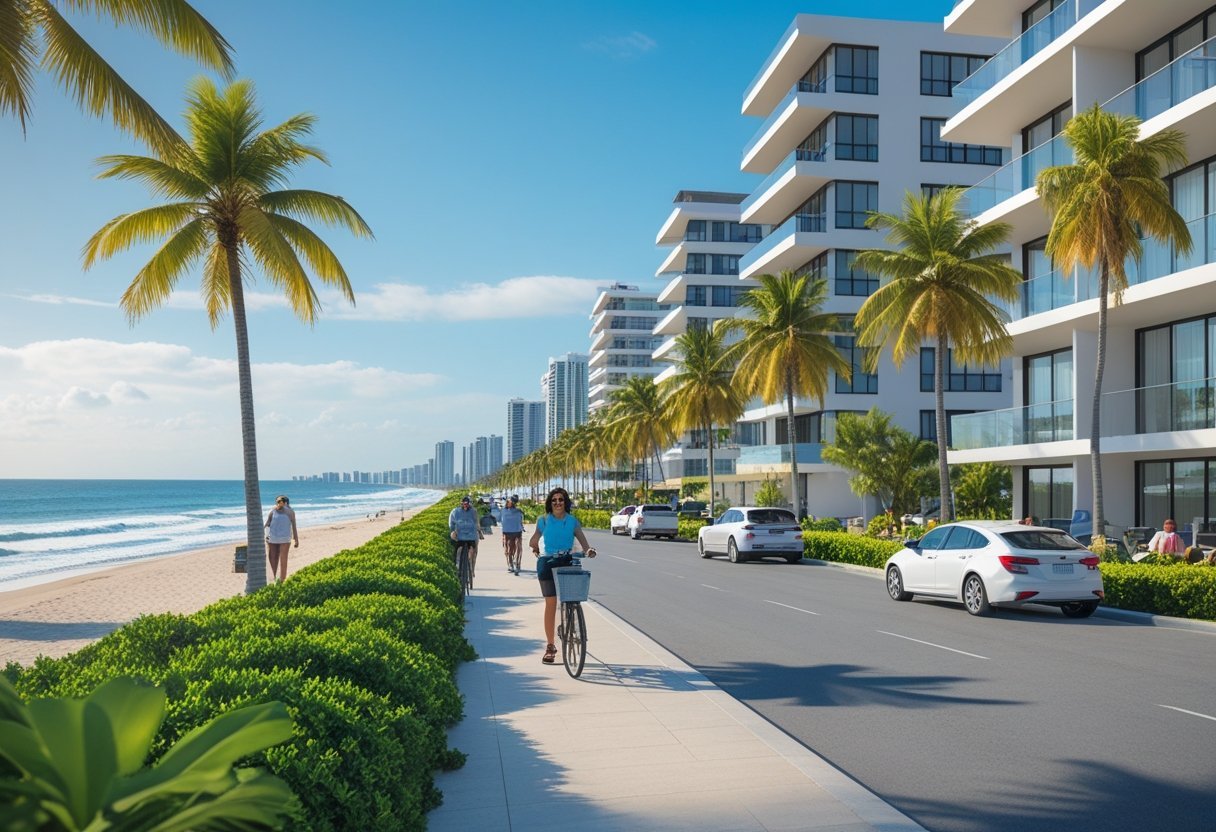
I live where tropical beaches meet modern city life, so my days mix outdoor time, local markets, and practical travel choices. I value easy access to beaches, a friendly expat scene, and transport options that fit short trips or long stays.
Beaches and Recreation
I can reach popular beaches like Coronado and Playa Blanca within an hour from parts of Panama City. Beachfront condos often include pools, gyms, and gated security, which matters when I want low-maintenance living and easy access to ocean views.
Weekends usually mean swimming, fishing, or visiting nearby islands by small boat. Many beach towns have snorkeling, paddleboarding, and golf courses close by. I watch for seasonal weather — the dry season (December–April) gives the calmest water and best visibility.
Local marinas and tour operators run day trips to the Gulf of Panama and nearby keys. When I need supplies, grocery stores and fresh produce markets in towns like Coronado and Rio Hato are usually within a short drive.
Local Culture and Expat Community
I find Panama’s culture mixes Spanish-speaking local life with sizable expat pockets in beach and city neighborhoods. In areas like Coronado and parts of Playa Blanca, English is common in shops, real estate offices, and restaurants that cater to foreigners.
Neighborhood groups, clubs, and expat-run Facebook pages help me meet others and get practical tips on renting, healthcare, and property upkeep. Local festivals, Sunday markets, and seafood restaurants give a quick way to experience Panamanian food and music.
If I need services, many real estate agents and property managers handle long-term rentals and sales. I look for listings and neighborhood reviews on local real estate sites to compare condos, prices, and homeowner association rules before I commit.
Transportation and Car Rentals
I prefer renting a car for flexibility, especially when moving between beach towns and the city. For short trips, I use local shuttles or rideshares. For longer stays, I book with established agencies for insurance and 24/7 support.
I search for options labeled “car rental Panama” or “car rentals in Panama” and compare rates for economy cars versus SUVs. When I need a car near the Costa Rican border area or in David, I look up “car rental David Panama” to find local agencies with airport pickup.
To keep costs down, I check for “cheap car rentals in Panama” but read the fine print on mileage, insurance, and additional drivers. I carry an international driver’s license if required and confirm fuel policies. Roads near Panama City and main coastal highways are paved, but I choose a higher clearance vehicle for rural or rainy-season routes.
Tips for Finding the Right Property
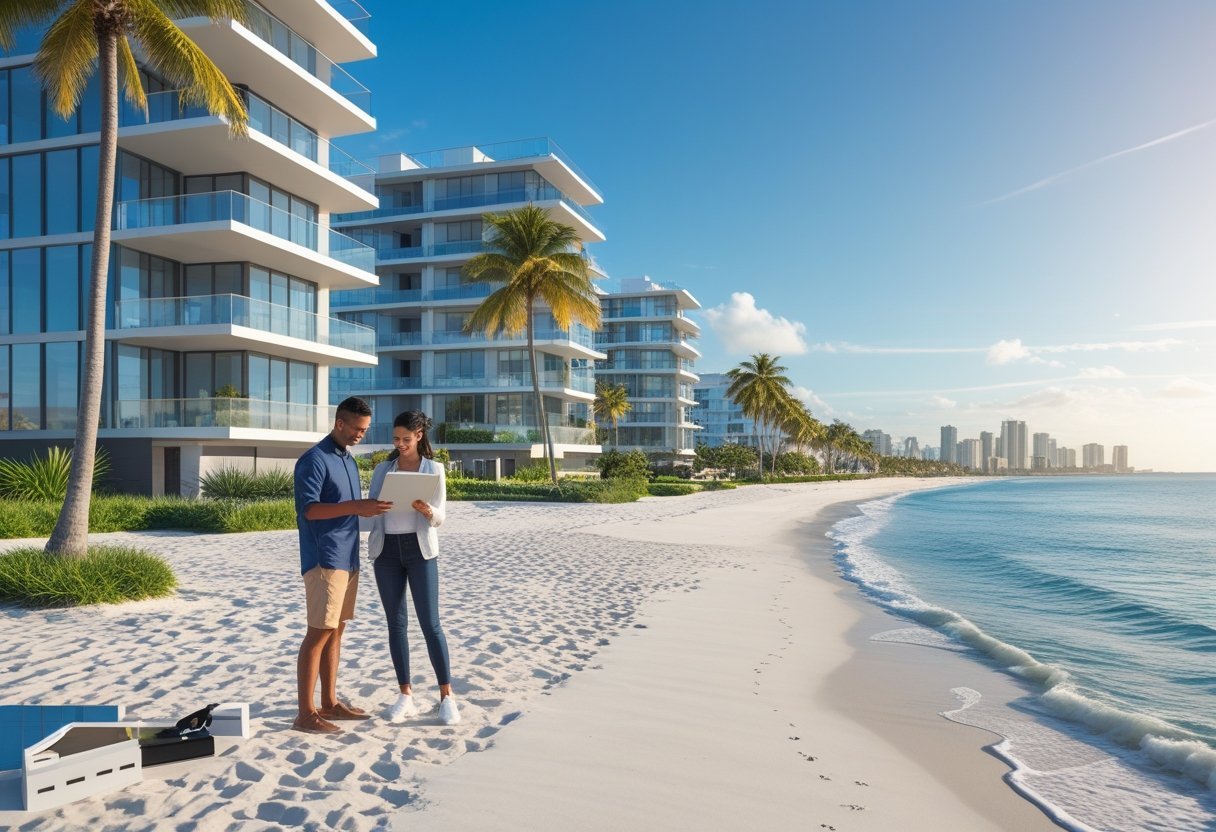
I focus on location, budget, and rental potential first. I also verify legal clearances and plan visits to compare real units against listings.
Working with Real Estate Agents
I choose agents who work regularly in the town or neighborhood I’m targeting. I ask for recent sales data, a list of active listings, and references from buyers who closed in the last 12 months.
I confirm the agent holds a local license and clear terms for fees and exclusivity in writing. I expect timely responses and regular updates by email or WhatsApp.
I prepare a short brief with my must-haves (bedrooms, square meters, floor level, amenities) and my deal-breakers (no stairs, HOA limits, flood zone). I request a comparative market analysis for each listing and insist on seeing the title paperwork before making an offer.
Property Comparison and Visits
I use a simple checklist to compare units: price per square meter, HOA fees, vacancy rules, parking, water and power reliability, and projected rental yield. I note noise, view, and building maintenance during each visit.
I photograph identical features in each condo for side-by-side comparison later. I measure rooms and check that furniture and appliances fit my plans.
I schedule visits at different times: daytime, evening, and during bad weather, if possible. I talk to neighbors and building staff about management quality and past issues. I bring a local attorney or bilingual advisor for complex titles or zoning questions.
Frequently Asked Questions
I list clear, practical answers about buying and owning apartments and beachfront condos in Panama. I focus on legal rules, steps to close a deal, taxes, property management, market trends, and financing options you can expect.
What are the legal requirements for foreigners buying property in Panama?
I can buy property in Panama with nearly the same rights as a Panamanian citizen. Foreigners may hold a fee-simple title, and they do not need residency or citizenship to purchase.
I must avoid land within 10 kilometers of international borders, and the first 22 meters from the high-tide line is public domain. Some coastal plots use concessions or rights-of-possession instead of titled land, so I always check the land regime before buying.
Can you explain the typical purchasing process for apartments and beachfront condos in Panama?
I start by finding a property with a licensed agent and doing market comparisons. Next, I hire an attorney to run a full title search and confirm there are no liens or encumbrances.
I sign a promesa de compraventa (promise to buy) and pay a deposit, commonly about 10% of the price. My attorney prepares the final contract, which is notarized and then registered with the Public Registry to transfer ownership.
What are the property tax implications for owning a beachfront condo in Panama?
I pay annual property tax, which is set by municipal rates and the assessed value of the property. The first $120,000 of assessed residential property value often gets a lower tax rate, but beachfront and high-value properties commonly exceed that threshold.
I may also face capital gains or transfer taxes when I sell. Closing costs, such as notary, registration, and attorney fees, apply at purchase and must be included in my budget.
How does property management work for condos in Panama when owners are not in residence?
I can hire a local property manager or management company to handle tenant screening, rent collection, maintenance, and bill payments. Management fees usually run from 8% to 15% of rental income, depending on services and location.
I also rely on the condominium’s administrative board for building-level tasks like security, common-area maintenance, and reserve funds. I review the condo bylaws and the admin’s financial statements before buying to understand fees and rules.
What are the current trends in the real estate market for beachfront properties in Panama?
Demand from U.S. buyers for beachfront condos and vacation homes has stayed strong, especially for move-in-ready units and resort developments. Newer beachfront condo projects and branded residences continue to appear along the Pacific coast and in popular resort zones.
I see urban buyers also choosing beachfront properties for short-term rentals, aiming for higher rental yields in tourist areas. Prices vary by location, with premium areas like established beach towns and resort developments commanding higher per-square-meter rates.
What financing options are available to non-residents looking to buy property in Panama?
I can use Panamanian banks that offer mortgage loans to non-residents, though loan-to-value ratios and interest rates differ by bank. Some banks require larger down payments for foreigners, commonly 30% or more, and offer terms up to 20 years.
I can also look for vendor financing or use foreign financing if allowed by the seller. I always compare bank offers, ask my attorney to review loan terms, and confirm currency risk if the loan is in U.S. dollars or local balboas.