


Find the Best Food in Panama: Top 10 Restaurants in Panama
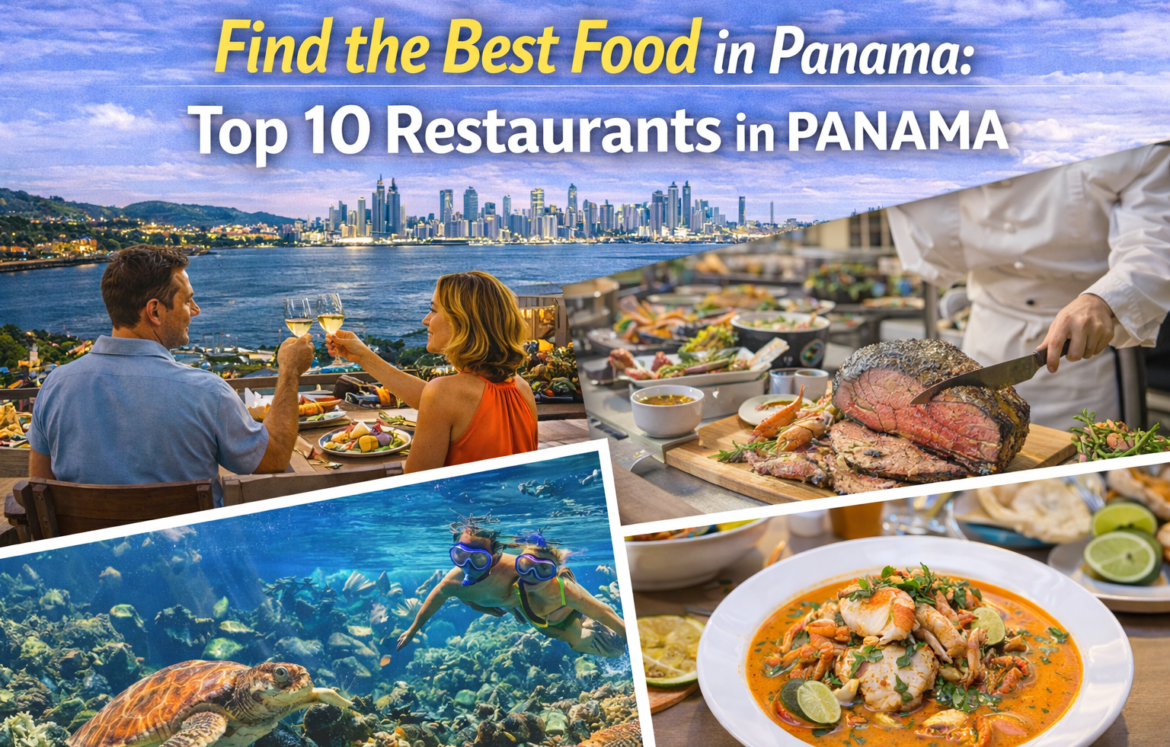
I’ll guide you to the best food in Panama so you can taste the city’s top flavors without wasting time. You’ll find ten standout restaurants that show Panama’s mix of local staples and bold international dishes, making it easy to plan meals that match your mood and budget.
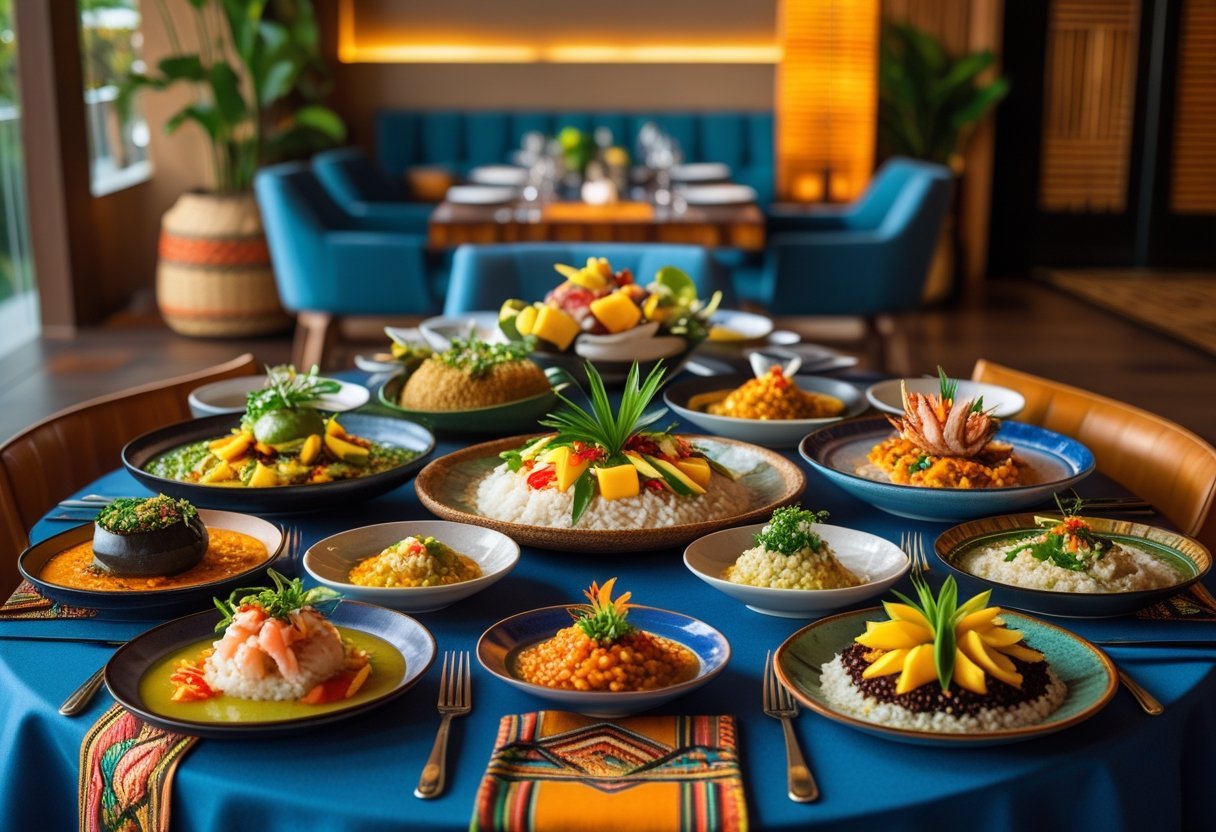
I’ll point out spots for classic Panamanian plates, strong brunch choices, quick casual eats, and desserts worth hunting down. Use my picks and tips to explore flavors confidently and enjoy more of Panama with less guesswork.
Overview of Panama’s Culinary Scene
I find Panama’s food a clear mix of Indigenous, African, Spanish, and Caribbean flavors, plus fresh seafood and strong coffee culture. Expect bold but simple dishes, street-food fondas, and high-end kitchens reinterpreting traditional recipes.
Influences Shaping Panama’s Food Culture
I see Indigenous ingredients like corn, plantain, and cassava at the base of many dishes. Spanish colonization added pork, rice, and frying techniques. African traditions brought stews, peppers, and coconut-based flavors, especially on the Caribbean coast.
Trade and immigration introduced Asian techniques and spices, which show up in fusion plates in Panama City.
Markets and family kitchens keep recipes alive. Local herbs such as culantro and achiote color and flavor stews like sancocho. Seafood—snapper, corvina, shrimp—shapes coastal menus. I notice coffee from Boquete and Caribbean salt-cured fish used in everyday cooking.
Regional Cuisine Highlights
On the Pacific coast, I find fresh ceviche, grilled fish, and coconut rice with seafood. In the Azuero Peninsula, corn-based tamales and hojaldres (fried bread) are the most common foods in Panama’s festivals. The highlands offer heartier fare: beef, pork, and soups to suit cooler weather.
The Caribbean coast shows clear Afro-Caribbean influence: rondón (a coconut milk seafood stew), fried plantains, and callaloo-style greens. Indigenous Kuna and Ngäbe-Buglé communities keep maize and cassava dishes central. Each region uses local produce, so menus change with seasons and local harvests.
Dining Trends in Panama City
I see two clear trends: modern Panamanian kitchens and casual street-food culture. High-end restaurants reinterpret traditional dishes—fonda-style plates with refined techniques, cured seafood, and local microgreens on the plate. Chefs spotlight native ingredients like achiote, cassava, and wild herbs.
At the same time, casual fondas and food stalls run hearty, familiar plates—rice and beans, ropa vieja, sancocho, and freshly fried empanadas. Coffee shops from Boquete roast single-origin beans. Food halls and tasting menus also grow, offering quick access to many flavors in one place. For the best food in Panama, I mix visits to neighborhood fondas with a few modern tables.
Top 10 Best Restaurants in Panama

I picked places that show Panama’s food range: from seafood and Afro-Caribbean dishes to refined tasting menus and casual street flavors. You’ll find choices for special occasions, relaxed meals, and strong local flavors.
Selection Criteria
I chose restaurants based on quality of ingredients, consistency, local reputation, and memorable dining experiences. I looked for spots that use fresh Panamanian seafood, seasonal produce, and traditional flavors like sancocho and ceviche. I also weighed chef creativity, plating, and how well a menu highlights Panama’s cultural mix.
I prioritized venues with steady guest reviews and recognition from guides or food writers. Location mattered when a view or setting added value—waterfront dining or historic Casco Viejo tables can change a meal. Service, price range, and availability of reservations rounded out my selection.
Featured Fine Dining Experiences
I included Panamanian restaurants that offer tasting menus, carefully paired wines, and plating that tells a story. Expect multi-course meals with dishes that blend indigenous ingredients and modern technique. These spots often focus on seafood, farm-to-table produce, and craft cocktails.
Examples range from intimate chef’s-counter experiences to elegant dining rooms with bay views. Dress codes can apply; reservations are recommended for weekend service. If you want a special-occasion meal, look for tasting menus that change with the catch of the day and local produce.
Best Casual Dining Spots
I picked casual food places in Panama that serve bold local flavors without formality. Look for cevicherías, fondas, and seafood shacks where the portions are generous and prices are friendlier. Street-style dishes, rotisserie chicken, and Caribbean patties show up alongside family-run kitchens serving classic Panamanian stews.
I recommend checking hours—some small spots close early or are busiest at lunch. Casual venues often excel at single-dish specialties, like fish fried to order or house-made tortillas. For a true taste of everyday Panamanian food, try markets and waterfront stands where locals eat.
Authentic Panamanian Signature Dishes
I highlight the dishes Panamanians order at family meals and street stalls. You’ll see ingredients like root vegetables, fresh seafood, cilantro, and coconut used again and again.
Famous Foods of Panama
I start with sancocho, a hearty chicken and root-vegetable soup that locals consider comfort food. It usually contains yuca, ñame, plantain, and culantro, and restaurants often serve it with white rice and a squeeze of lime.
Ceviche is a coastal favorite. I look for fish or shrimp cured in citrus and mixed with onions, bell peppers, and cilantro. It’s light, bright, and common at beachside stalls.
Patacones — twice-fried green plantains — appear as a side or snack across the country. I order them with toppings like shredded beef or garlic sauce. They show up everywhere, from street vendors to traditional restaurants.
Must-Try Local Delicacies
I include ropa vieja-style ropa vieja panameña and carimañola in this list. Ropa vieja here is shredded beef in a tomato-based sauce served with rice and beans; it’s a weekday staple in many homes. Carimañolas are yuca fritters stuffed with meat or cheese; they make a great handheld breakfast or snack.
Other items I seek out are tamales (wrapped in banana leaves), hojaldres (fried bread), and arroz con guandú (rice with pigeon peas). For drinks and sweets, I try chicha de arroz and cocadas (coconut sweets) to round out the flavors I find when looking for authentic Panamanian food to eat.
- Quick checklist I use when ordering:
- Look for fresh seafood for ceviche.
- Ask if tamales are made with banana leaves.
- Try patacones as a side with nearly any dish.
(For more on popular Panamanian dishes and where to taste them, see this guide to 10 Panamanian Foods You Must Try When Visiting Panama.)
Breakfast and Brunch Specialties

I focus on what Panamanians eat for the first meal and where to get the best versions. You’ll see classic corn- and rice-based dishes, fresh coffee, and spots from street stalls to hotel brunches.
Typical Breakfast Foods in Panama
I start most mornings with strong Panamanian coffee and a plate of tortilla de maíz or hojaldre (fried or baked corn and wheat breads). I often pair these with bollo (steamed corn dough) or carimañola (yuca fritter stuffed with meat or cheese) when I want something more filling.
Eggs appear in many forms: scrambled with onion and tomato, or in a set with rice and beans called arroz con pollo for heartier tastes. Fresh tropical fruit—papaya, mango, pineapple—adds acidity and sweetness.
Sweet breakfasts include pan de bono and local pastries, usually enjoyed with panela or condensed milk. Many places serve large American-style breakfasts too, but I prefer the local items for authentic flavors.
Where to Find the Best Breakfast in Panama
I look for small cafeterías and bakeries in neighborhoods like Casco Viejo and El Cangrejo for authentic breakfasts and strong coffee. For a reliable local list and traveler reviews I check curated guides such as the latest top breakfast spots in Panama City on Tripadvisor.
If I want a brunch with variety and ambiance, I go to hotels and specialty cafes that mix Panamanian dishes with international brunch plates. Street vendors near markets serve quick, cheap items like bollos and empanadas that taste fresh and traditional.
For weekend brunches, I choose places known for larger menus and good coffee service; they often feature tropical fruit plates, eggs made several ways, and both sweet and savory breads.
Desserts and Sweet Treats
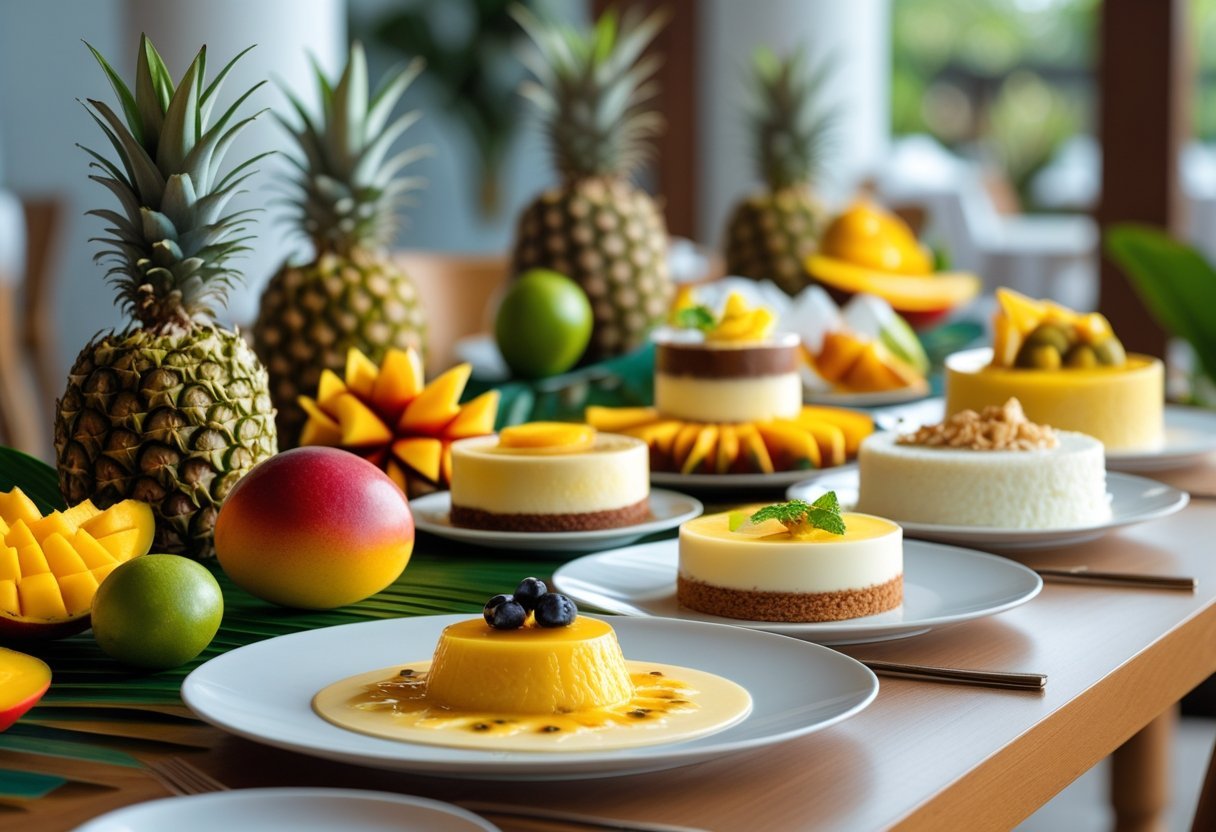
I list Panama’s most-loved sweets and where to find them so you can try the right treats during your visit. Expect creamy, coconut-forward desserts, milky confections, and street candies sold in markets and bakeries.
Traditional Panama Desserts
I always look for Bienmesabe, a coconut and milk dessert that appears creamy and lightly sweet. It often combines coconut, sugar, eggs, and a touch of cinnamon and shows up at family celebrations and bakeries. Mamallena, a dense bread pudding flavored with cinnamon and sometimes sweetened condensed milk, is another classic I order with coffee.
Huevitos de leche are small, milky sweets from Chiriquí made with milk and cornstarch; kids love them at parties. Cocadas — chewy coconut candies — come in many forms across Panama. I also try tres leches cake and chocoflan when I want familiar Latin American cakes given a Panamanian twist.
Dessert Hotspots in Panama
I head to local markets and neighborhood bakeries to find the best food in Panama desserts. Mercado de Mariscos and Mercado de Abastos in Panama City offer street vendors selling cocadas, duros, and freshly baked mamallena. For sit-down options, I pick cafés in Casco Viejo for artisan versions of Bienmesabe and tres leches.
If I want recommendations and ratings before I go, I check lists like TasteAtlas for top-rated local desserts and food blogs for specialty spots. For a quick, sweet snack, I visit stalls near plazas where vendors sell Huevitos de leche and candied fruits for a few dollars.
Fast Food and Casual Eats in Panama

I look for quick meals that are tasty, cheap, and easy to find. Street stalls, local chains, and international fast-food outlets all play a role in daily eating here.
Popular Fast Food Options
I find familiar international chains in Panama City and main malls, but local fast-food chains matter more for value and flavor. Rápidos and other Panamanian burger or rotisserie chicken shops serve whole families at low prices. Food courts in Multiplaza or Albrook Mall offer everything from burgers to sushi, and they stay open late.
Patacones (twice-fried plantain rounds) often appear as sides at fast-food counters. Combo meals usually include soda, fries or rice, and a small salad. Prices range from budget-friendly empanadas at street kiosks to sit-down quick-service restaurants with higher-end toppings.
Local Favorite Quick Bites
I always try street snacks for authentic flavors. Empanadas, hojaldres (fried dough), and carimañolas (yuca fritters with meat or cheese) are common breakfast or afternoon picks. They are cheap and portable, perfect when I’m walking between sights.
For a heartier quick meal, I go for arroz con pollo bowls or rotisserie chicken plates sold at casual eateries. Vendors near markets and transit hubs sell these with pickled onions or local sauces. When I want a fast, local fix, these bites give real Panamanian taste without a long wait.
Tips for Experiencing Food in Panama
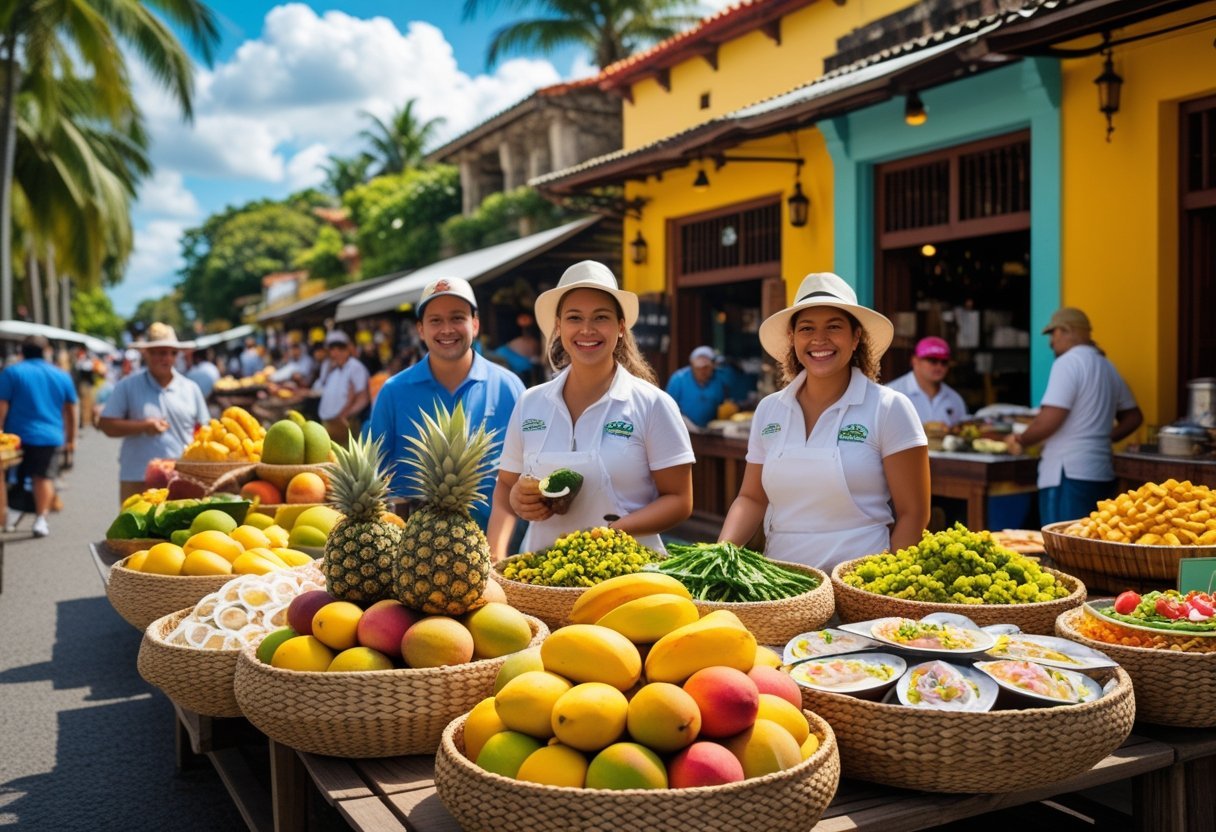
I focus on practical steps that help you enjoy Panama’s food places, from respectful behavior at family-run comedores to timing meals around markets and festivals. Small actions make a big difference when trying new dishes and dining in different neighborhoods.
Cultural Dining Etiquette
I always greet staff and other diners with a polite “buenos días” or “buenas tardes” when I enter restaurants or food stalls. In casual comedores and street-food stands, I wait to be seated or point to an empty table; many small places expect you to sit and order at the counter.
Tipping is typically 10% for table service when a service charge isn’t already included. I carry small bills for tips and quick purchases at mercados. When sharing plates like ceviche or sancocho, I use my utensils rather than fingers, and I offer a toast or a simple “salud” before drinking with others.
If invited to a Panamanian home, I bring a small gift — fruit, dessert, or flowers — and I accept offered food even if I only want a taste. I avoid strong perfumes in small eateries and I ask before photographing people or vendor stalls.
Seasonal Food Festivals
I plan visits around key events to sample the freshest, regional foods. The harvest season brings markets full of ripe plantains, tropical fruits, and fresh seafood, especially on the Azuero Peninsula and in coastal towns like Bocas del Toro. Festivals often center on corn, seafood, or regional sweets.
At food festivals, I arrive early to avoid long lines and to try specialty dishes before they sell out. I bring cash for small vendors and a reusable napkin or wet wipe for hands. When I want local recommendations, I talk with stall owners — they often point me to nearby food places in Panama that aren’t in guidebooks.
I watch for schedule changes and local holiday closures, especially around national holidays when popular restaurants may close or markets run special hours. If I want a specific dish, I check festival guides or local websites for vendor lists and event times.
Frequently Asked Questions

I list specific restaurants and types of dishes so you can pick places that match your taste, budget, and neighborhood. I focus on local favorites, fine dining, seafood, traditional plates, romantic spots, and unusual dining experiences.
What are the top-rated restaurants in Panama for local cuisine?
I recommend trying places known for authentic Panamanian dishes like sancocho, ropa vieja, and frituras. Check user reviews and menus on TripAdvisor to find consistently high-rated local restaurants in Panama City and Casco Viejo.
For a broad list of well-reviewed options, see the TripAdvisor collection of top Panama City restaurants: THE 10 BEST Restaurants in Panama City – Tripadvisor.
Which restaurants in Panama come highly recommended for fine dining experiences?
I look for restaurants with tasting menus, curated wine lists, and skilled service when I recommend fine dining. Many upscale venues in Panama City offer modern takes on Panamanian and international cuisine with elegant settings and reservation-only seating.
OpenTable lists top-rated and bookable fine dining options across Panama if you want to reserve a table: The best restaurants in Panama | (Updated 2026) – OpenTable.
Where can I find the best seafood dishes in Panama?
I favor coastal restaurants and markets for the freshest seafood, especially in Panama City, Colon, and along the Pacific coast. Look for ceviche, grilled corvina, and seafood stews at places near fish markets or waterfront districts.
Use local reviews to confirm catch-of-the-day specials and sourcing practices before you go.
Can you suggest some must-try eateries in Panama for traditional Panamanian food?
I suggest trying family-run fondas and established restaurants that serve classic dishes like hojaldras, tamales, and guacho. Small eateries in neighborhoods such as Casco Viejo and San Francisco often serve home-style Panamanian cooking at good prices.
Read recent traveler reviews to find places locals recommend for authentic flavors.
What are some of the best restaurants in Panama suitable for a romantic evening?
I recommend restaurants with intimate seating, soft lighting, and quiet service for a romantic night out. Rooftop spots in Casco Viejo and upscale dining rooms in central Panama City often provide that atmosphere.
Check the restaurant’s photos and reservation policies to confirm availability for special occasions.
Which dining establishments offer the most unique gastronomic experiences in Panama?
I point to chef-driven tasting menus, fusion restaurants, and places that use native ingredients in creative ways for unique dining. Pop-up dinners, chef’s tables, and eateries highlighting Panamanian indigenous ingredients create memorable meals.
Look for event listings and chef profiles on dining platforms to find limited-run or experimental experiences.