


Adventure and Boat Trip Guide to the San Blas Islands, Panama
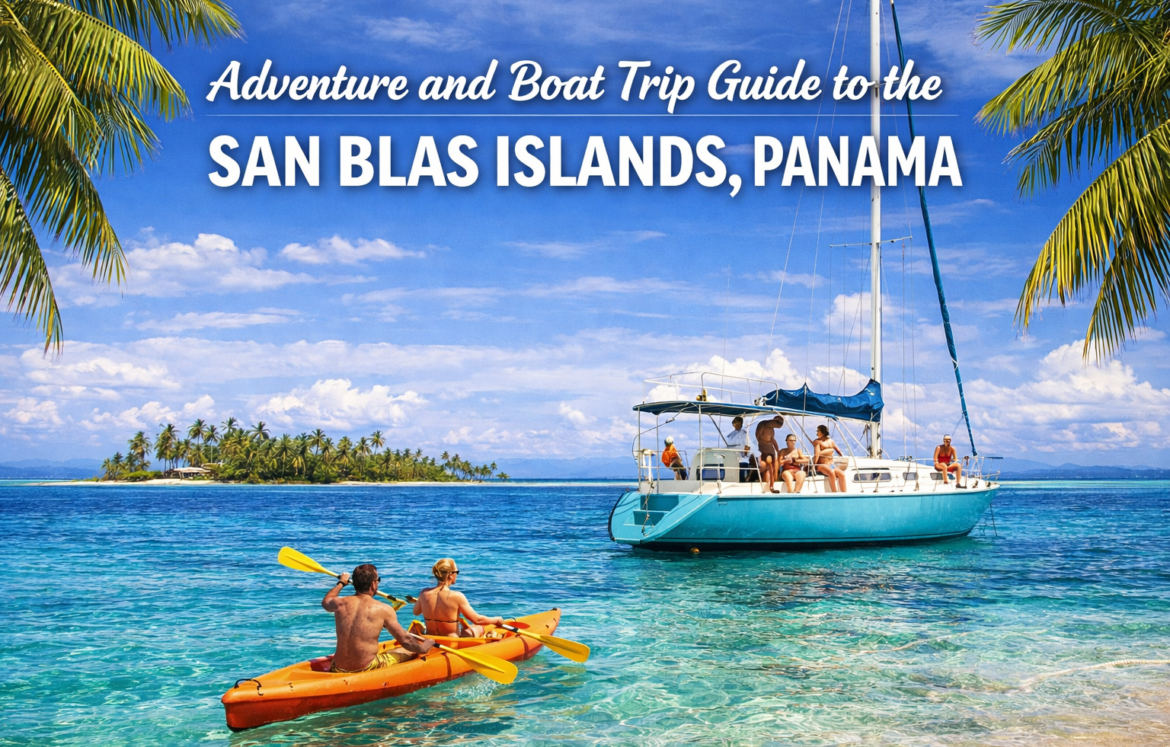
I’ve planned trips to small islands before, and few places match the quiet blue of the San Blas Islands Panama. You will find white sand, clear water, and simple island life that makes it easy to slow down and explore by boat. If you want a fast, practical guide to planning a safe, respectful, and unforgettable San Blas boat trip, this post gives you the exact steps and tips you need.
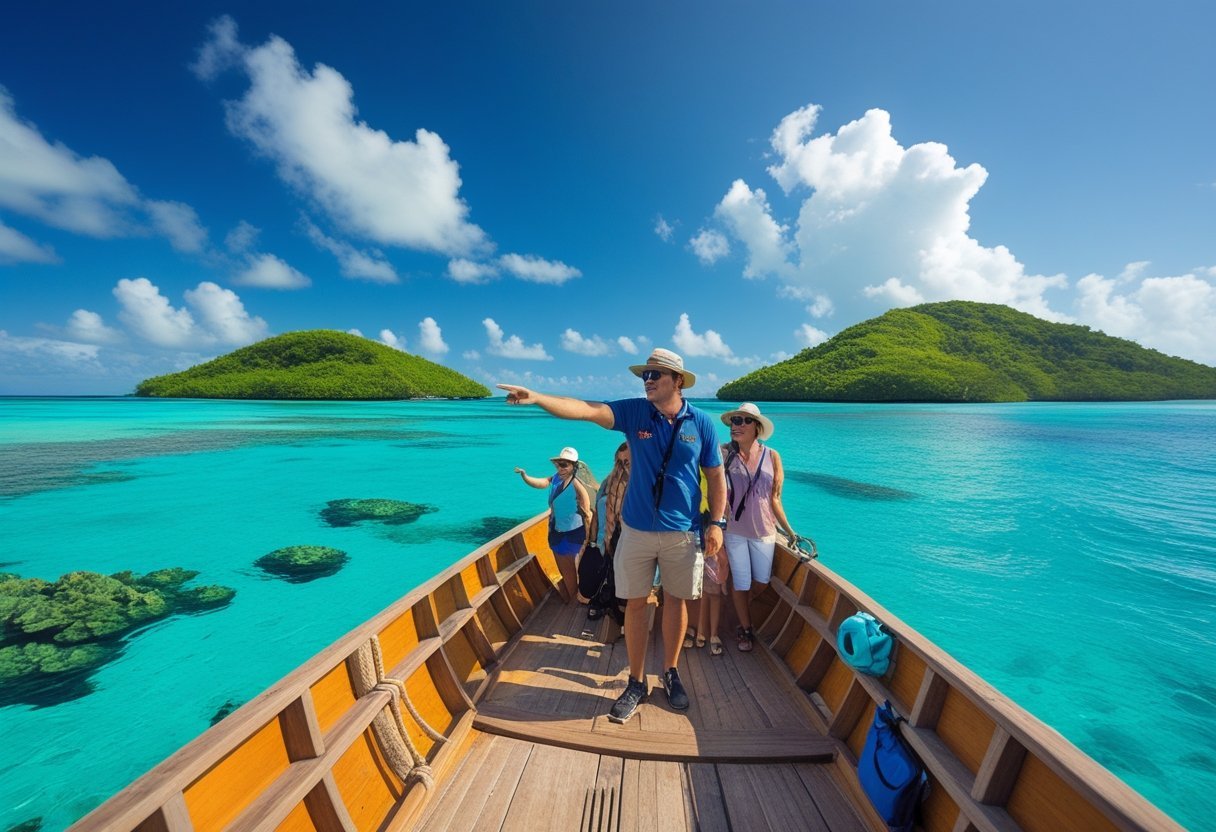
I’ll show how to choose the right tour length, how to reach the islands from Panama City, what to pack, and which islands and activities deserve your time. You’ll also learn how to travel in a way that respects the Guna people and keeps the islands pristine, so your adventure helps, not harms.
Overview of the San Blas Islands
I visited the San Blas islands Panama, to see clear water, scattered coral cays, and a strong Guna culture. You will find dozens of tiny islands, simple village life, and boat trips that link Panama City to these remote spots.
Location and Geography
The San Blas islands Panama, sit along Panama’s Caribbean coast in the comarca Guna Yala. They form a narrow reef chain that runs about 200 miles (320 km) from just northeast of Colón toward the Colombian border. Most islands are low, sandy, and ringed by shallow reefs and seagrass beds.
Island sizes vary from tiny sandbanks to larger islets with Guna villages. The marine area offers calm lagoons, coral gardens, and channels used by local boats. The weather is warm year-round; the main travel window is the dry season, when the seas are calmer for the boats from Panama City or cartí. I recommend packing reef-safe sunscreen and a snorkel to explore the reefs.
History and Culture
The Guna people have lived on these islands for centuries and govern the comarca Guna Yala. I learned that the Guna maintain strong traditions: matriarchal household structures, traditional dress (bright molas), and local rules about tourism and land use. The Guna control visitor access and rely on tourism income while protecting cultural practices.
Visiting meant I followed local rules: ask before taking photos of people, respect village boundaries, and buy crafts directly from families. The Guna also sell coconuts, fish, and handmade molas. Their self-governance shapes travel: you’ll often pay community fees, and guides typically arrange boat rides, food, and island sleeping spots.
San Blas Islands Panama Map
I used a simple map to plan island hopping and boat times. Key waypoints I marked were Cartí (main departure point), El Porvenir (administrative hub with an airstrip nearby), and popular island clusters like Holandés Cays and Playón Chico. Most tours leave from Panama City or Cartí; multi-day itineraries route between clusters rather than showing every islet.
Practical map notes I relied on:
- Departure points: Panama City → Cartí (road transfer) or small planes to El Porvenir.
- Navigation: local skippers follow reef channels; GPS helps, but charts are basic.
- Distances: boat rides range from 1 hour (near Cartí) to several hours forthe far islands.
I linked travel plans to specific tour operators and maps when I booked, which made island-hopping clearer and safer.
Top Reasons to Visit the San Blas Islands
I pick the San Blas Islands Panama, for their mix of culture, calm beaches, and easy boat access from Panama City. You’ll find vivid coral, simple island life, and short travel routes that make island hopping simple.
Unique Attractions
I value the Guna Yala culture above all. The Guna people manage the San Blas Islands and welcome visitors to learn about their handicrafts, like colorful molas and woven bags. I recommend visiting a Guna village to see traditional dress and simple community-run guesthouses.
Many islands have small markets where I buy fresh coconut water and handmade goods. Some trips include visits to a village school or a cultural talk by a local guide. These experiences make the San Blas Islands Panama, more than just beaches.
Natural Beauty and Marine Life
I go to the San Blas Islands Panama, for clear water and healthy reefs. Snorkeling shows me coral gardens, reef fish, sea turtles, and rays close to shore. The beaches have white sand and shallow lagoons that are great for calm swimming.
I often spot seabirds and mangrove edges that support juvenile fish. Conservation is visible: many tour operators and locals keep reefs and beaches clean. If you like simple, wild coastlines and strong snorkeling, these islands deliver.
Panama to San Blas Islands Access
I usually leave from Panama City. Most trips start with a 2.5 to 3-hour drive to a launch point, then a 20–60 minute boat ride, depending on the island cluster. Day trips begin very early—often around 5:00 AM—to fit the drive and boat time into a single day.
For overnight trips, I book island-hopping tours or catamaran trips that arrange transport and meals. I check schedules and weather, because heavy rain can change boat times. For guided options and detailed tour choices, I review established operators that run regular routes from Panama City.
Planning Your Adventure
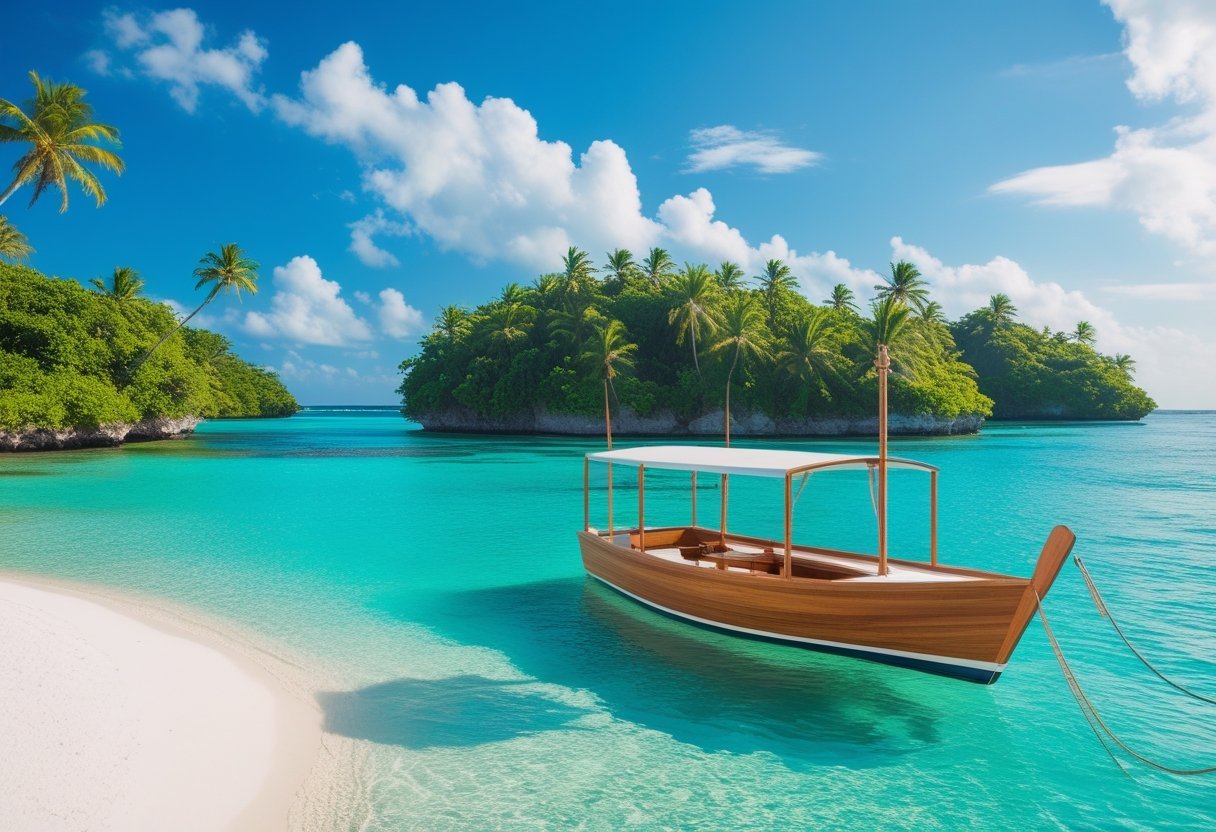
I focus on timing, packing, and safety so you get to the islands ready and relaxed. Expect a bumpy 4×4 transfer from Panama City, then a short boat ride, and plan for sun, salt, and simple island life.
Best Time to Visit
I aim for the dry-season months of mid-December through April for the calmest seas and most sun. Boat transfers from Panama City are smoother than, and snorkeling visibility improves. Crowds rise in December and late March, so I book early if I travel then.
The rainy season from May to November brings more showers and choppier crossings. If I travel in shoulder months (April or November), I watch weather forecasts and leave a flexible buffer for travel delays. Sea state matters for comfort and safety, so I choose dates with steady trade winds.
What to Pack
I pack light, durable gear for island life. Essentials: reef-safe sunscreen, a wide-brim hat, quick-dry clothing, a rash guard, and water shoes for rocky beaches. I always include a dry bag for electronics and a small first-aid kit.
For overnight trips, I bring a high-quality mosquito net if my accommodation doesn’t provide one, plus toiletries and cash for the Guna Yala island entrance fee (foreign fee applies). I skip heavy luggage—boats and small planes limit space. A snorkel mask and fins improve reef time; I rent only if needed.
Health and Safety Tips
I get travel insurance that covers boat transfers and medical evacuation. Clinics on the main islands are limited, so I carry essential meds and copies of prescriptions. I check required vaccinations and talk to my doctor about altitude or motion-sickness remedies.
On the water, I always wear a life jacket during transfers and listen to the crew’s safety brief. I avoid single-use plastics and follow Guna community rules about beaches and photography. For sun protection, I reapply sunscreen every two hours and hydrate—salt air and sun dehydrate quickly. If I notice reef damage or pollution, I report it to guides to help protect local ecosystems.
Getting to the San Blas Islands

I list the main practical choices, costs, and timings so you can pick the fastest, safest, or most scenic route. Expect a bumpy 4×4 ride, a short boat crossing, and a small local entry fee.
Travel Options from Panama City
I usually book with a local agency that offers a combined 4×4 plus boat transfer from Panama City. The drive to Cartí pier takes about 2.5–3.5 hours, depending on road conditions and stops. Vehicles are 4x4s because the road is unpaved and can be rough after rain.
Private 4×4 transfers cost more but let you leave earlier or later. Shared shuttles are cheaper and fill up fast in high season. Some travelers fly on small charters to nearby islands; this is faster but significantly pricier and less flexible.
I always confirm pickup time, luggage limits, and whether the transfer includes the boat ride and island entrance fees before I book.
Transportation by Boat
From Cartí pier most journeys continue by lancha (speedboat) to the islands. Boat rides typically run 30–60 minute,s depending on your island and sea conditions. Boats leave once groups are ready, so expect short waits at the pier.
I pack waterproof bags and a light windbreaker for the boat. Seas can be choppy; motion sickness medication helps. Bring small cash for tips and any last-minute items. If you charter a private boat, you can choose faster crossings or visit multiple cays in one trip.
Operators vary in safety and comfort. I look for life jackets on board and ask about fuel and engine condition before departure.
Travel Permits and Entry Requirements
Guna Yala charges an entrance fee for visitors. Rates change, so I check current fees with my tour operator before travel. The fee normally covers regional administration and helps support local services.
I carry my passport and proof of booking for the island stay. Some islands require proof of a return trip or onward travel. If you plan to camp or stay overnight in remote cays, I can confirm whether local permits or village approval are needed.
I respect local rules: dress modestly in villages, avoid drone use without permission, and follow waste rules. These practices help keep travel smooth and avoid extra fines or denied entry.
Boat Trip Guide

I highlight the boat options, typical routes, and what you will find on board so you can pick the right trip for your needs. Expect clear choices, typical daily plans, and practical details about cabins, food, and safety.
Types of Boat Tours
I’ve taken sailboats, motorboats, and day-trip launches in the San Blas Islands Panama. Day trips from Panama City use fast motorboats or 4×4 plus short boat rides; they usually visit 2–3 islands and a natural pool. Multi-day sailboat charters offer island-hopping over 2–4+ days with small groups, shared cabins, and sleeping on board. Private motorboat charters give faster transfers and flexible schedules, but less space for sleeping.
Key trade-offs:
- Speed vs comfort: motorboats are faster; sailboats are roomier and calmer for island hopping.
- Group size: day trips are larger; private or chartered boats hold 6–12 for more privacy.
- Amenities: longer sails often include cooked meals, snorkel gear, and simple beds; day tours include lunch and basic snorkeling.
I recommend matching boat type to how much time you have and whether you want to sleep onboard.
Itineraries and Routes
I’ve followed common routes from Panama City and cross-border sails from Colombia. The usual Panama City route uses a 4×4 to the coastal departure point, then a 1.5–2.5 hour boat ride to the closer islands. Typical day-tour stops: a local Guna island for culture, a beach island for swimming, and a “natural pool” for snorkeling with shallow coral.
Multi-day routes hop east or west along the San Blas chain. A 2–3 day loop often includes islands like Isla Perro, Chichime, and the Natural Pool, with overnight anchorages near sheltered reefs. Longer 4+ day trips work west toward more remote cays and sometimes connect to Colombia. I check operator maps and ask for a written route, because the weather and tides can change daily.
What to Expect on Board
I keep a small dry bag, sunscreen, and seasickness tablets because conditions vary. Boats vary: sailboats have shared cabins and basic bunks; motor launches have bench seating and shade canopies. Expect communal meals—usually fresh fish, rice, and fruit—and filtered or bottled water. Snorkel gear and life jackets are normally provided; confirm before you go.
Safety and comfort notes:
- Power: limited charging ports; bring a power bank.
- Toilets: Many boats have simple marine heads; some larger charters have flush toilets.
- Privacy: cabins are small; noise carries at night.
I always confirm the entry fee to Guna Yala (around the published local fee) and whether the tour includes it, since some operators list it separately.
Must-See Islands and Beaches

I focus on islands with easy boat access, good snorkeling, and clear sand so you can pick the best stops for a day trip or multi-day sail. I name specific islands, what you’ll find there, and practical tips for timing and safety.
Popular Islands to Explore
I start at Isla Perro and Isla Diablo, two stops often included on day trips from Panama City. Isla Perro has shallow reefs right off the sand that make snorkeling simple for beginners. Bring reef-safe sunscreen and a mask; the water is clear, but currents can pick up in the afternoon.
I also visit Isla Chichime and Isla Coco Bandero. Chichime is known for shell-strewn beaches and local Guna kiosks selling crafts. Coco Bandero offers small sandbars and calm coves ideal for swimming and short walks. Expect basic facilities or none at all; pack water, snacks, and a light dry bag.
If you want a longer stay, I recommend arranging spread-out stops so you don’t rush between islands. Many tour operators list routes in advance — check their itinerary before you book.
San Blas Panama Beaches
I look for beaches with white sand and shallow turquoise water in Guna Yala’s main clusters. Playa Blanca on some islands gives wide, flat sand perfect for sunbathing and picnics. The sand stays warm mid-morning, so arrive early to secure shade or set up a beach tarp.
I watch for signs of coral close to shore; in places, the sand suddenly turns to rock or reef. Popular beach stretches have local vendors selling coconut water and small lunches, but these services are limited and cash-only. Keep valuables secured onboard and use biodegradable products to respect marine life.
I follow tide charts when planning beach time. Low tide reveals sandbars and tiny islets worth visiting, while high tide concentrates swimmers nearer to shore.
Hidden Gems Off the Beaten Path
I seek out smaller, less-visited cays such as Kayuadi or islands tucked into the eastern chain where boats rarely linger. These spots often have undisturbed beaches and excellent snorkeling along untouched reef edges. You may find small Guna family settlements; always ask permission before exploring inhabited islands.
I carry basic snorkeling gear, a GPS or map, and spare fuel if I’m on a private charter. The weather can change fast, and hidden coves provide shelter from the wind. If you want guidance, look for captains who know the lesser-used channels — they can show you isolated sandbars and quiet beaches far from the main tourist routes.
For more island names and travel tips, I cross-check tour listings and guides like the practical San Blas day-trip timing and routes in detailed travel guides such as The Ultimate Guide to Visiting the San Blas Islands Panama.
Cultural Experiences with the Guna People
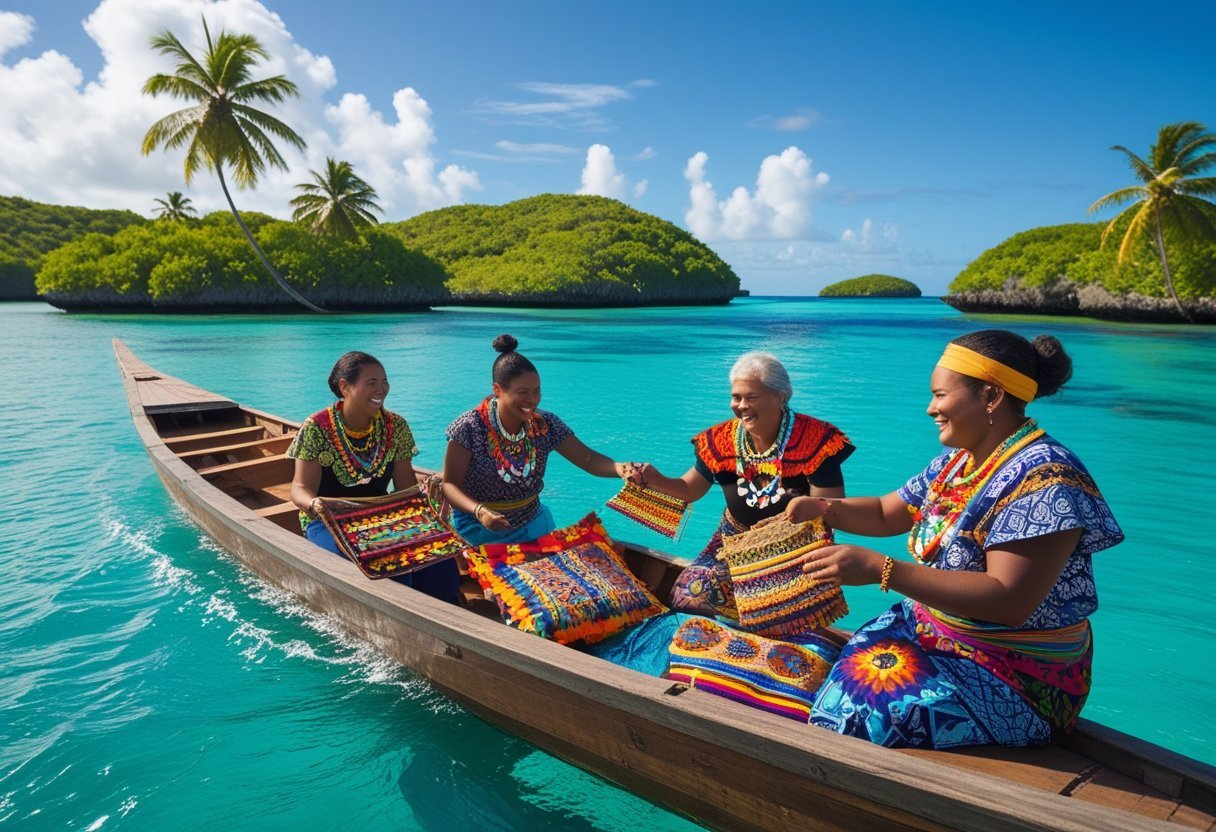
I learned how Guna’s daily life, food, and crafts link directly to the islands’ rhythms and resources. My visits showed me practical customs, dishes, and markets that visitors can observe or join with respect and curiosity.
Traditional Customs
I watch Guna villagers move between homes, boats, and gardens with a clear purpose. Men often handle fishing and boat work, while women manage household tasks, child care, and many community decisions. I noticed that clothing—bright molas for women and simple shirts for men—signals identity and craftsmanship.
Community meetings happen in open spaces where elders make decisions by consensus. I observed respect for elders and for collective rules about land use and fishing. Photography should always be asked for first; I learned to offer a greeting and wait for permission.
Ceremonies mark births, deaths, and harvests. They can include chanting, offering food, and simple processions. I sensed that visitors are welcome when they act respectfully, listen, and follow local guidance.
Local Cuisine
I ate meals centered on fresh fish, coconut, and root vegetables. Grilled or fried fish is the staple, often served with coconut rice or plantains. I found that meals are simple, local, and driven by what the sea and gardens provide.
Coconut plays a big role: coconut water, shredded coconut in rice, and coconut-based sauces. I tried fish ceviche made with lime and onion—bright and cooling after a hot boat trip. Street snacks included fried yucca and ripe bananas.
Sharing food is part of hospitality. I learned to accept a small portion and to compliment the cook. If you have dietary needs, ask ahead; many villages cook in traditional ways that can be adjusted with notice.
Handicrafts and Markets
I visited small markets on several islands where women sold molas, woven bags, and beadwork. Molas are layered textile panels sewn into blouses; each design is unique and often tells a story. I bought a mola after asking about its meaning.
Pricing can be informal. I found it fair to ask about the item, learn who made it, and offer a reasonable price. Haggling is gentle; I aim to respect the maker’s time and skill. Many stalls also sell carved wood, shells, and simple jewelry made from local materials.
When buying, I preferred items made and sold by Guna artisans directly, which supports the community. Larger tours may include stops at cooperative shops; I checked that sales benefit the makers before I bought anything.
Adventure Activities in the San Blas Islands

I focus on water-based activities, local island hops, and easy gear options that fit a day trip or multi-day trip. Expect clear water, shallow reefs, and short boat runs between islands.
Snorkeling and Diving
I snorkel right off many beaches where coral grows in shallow water. Bring a mask, fins, and reef-safe sunscreen. Snorkel spots near Guna villages have calm, waist-to-chest-deep zones with hard corals, colorful reef fish, and occasional rays. For better visibility and more variety, I joined a guided dive from a multi-day tour; some operators run simple scuba trips, but check certification rules and equipment quality before you book.
Watch for strong currents at channel mouths. I secure small valuables in dry bags and wear a bright snorkel vest when swimming alone. Pack a lightweight reef guide or use an app to identify species you see. If you want to dive, confirm that air fills and a functioning dive computer are available where you book.
Island Hopping
I plan island hopping by distance, time, and services on each islet. Short runs of 10–30 minutes link many islands, so I can visit two or three in a day. I prioritize islands with sandy beaches for sunbathing, coral flats for snorkeling, and small Guna villages for cultural visits. Ask the boat captain which islands allow visits; some are privately managed by communities.
I bring cash for small craft purchases and tips. Take shoes for rocky landings and a hat for shade. If I sleep overnight, I choose islands with simple hammock or cabin options and confirm toilet and shower availability. Map the route before departure and keep water and snacks on board for daylight legs.
Kayaking and Paddleboarding
I rent single kayaks or stand-up paddleboards to explore calm lagoons and narrow channels between islands. Paddle distances are short—often under 2 miles—so these activities suit beginners and casual paddlers. I check tide times and wind forecasts; early morning offers flatter water and fewer boat wakes.
I wear a life jacket and use a leash on a paddleboard. I avoid paddling over shallow reefs to prevent damage and protect the coral. Bring a dry bag with phone, ID, and sunscreen, and practice basic re-entry moves on a calm shore before crossing channels. Rentals and guided paddles are commonly included in day trips and multi-day packages.
Where to Stay
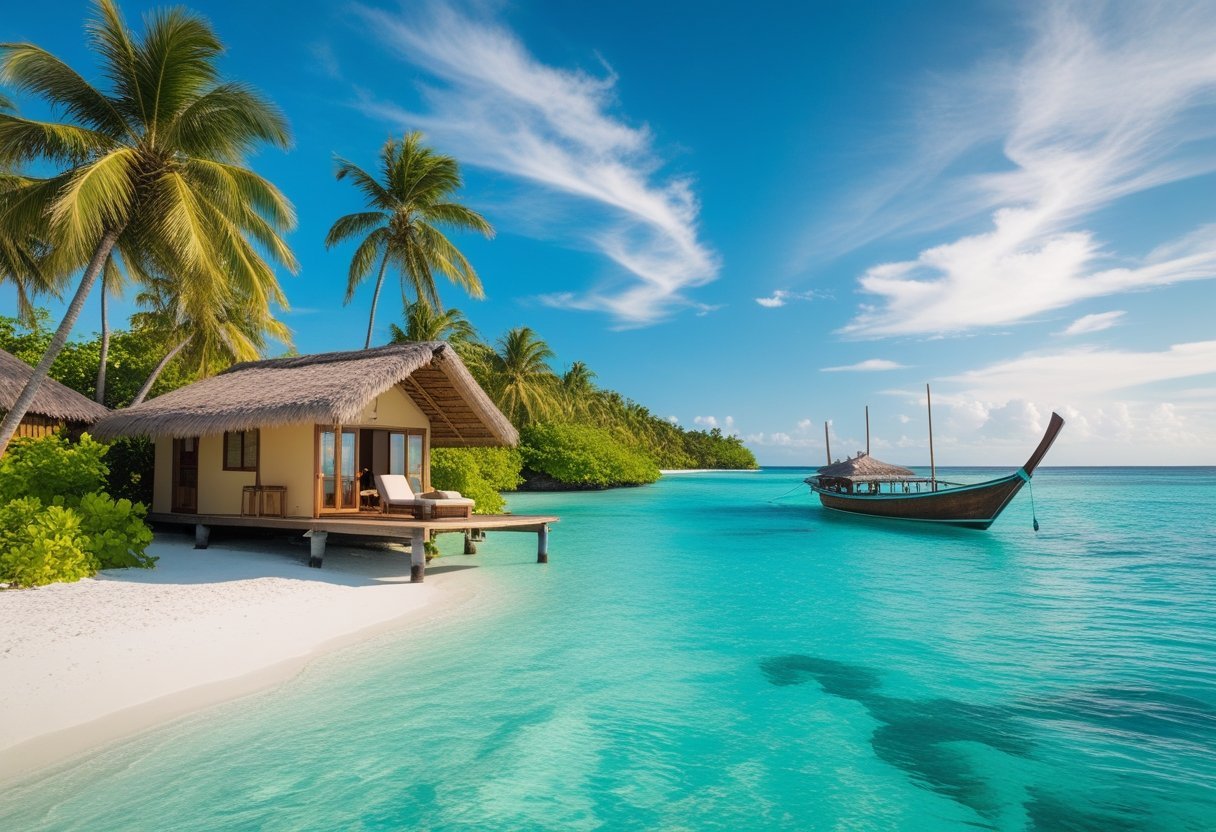
I focus on practical options that balance comfort, culture, and access to snorkeling and boat trips. Choose lodging based on whether you want rustic Guna-run cabins or a private sailboat experience.
Eco-Lodges and Cabins
I stayed in small, Guna-operated cabins on islands near the main mainland docks. These cabins usually have a simple bed, a mosquito net, and shared toilets. Some lodges add solar lighting, a fan, and meals cooked by local families.
Booking a cabin means I can walk to the beach, snorkel right off shore, and join day boat tours easily. Expect basic plumbing and a few luxury touches. Pricing varies by island and includes meals on many properties, so confirm what’s included before you pay.
If you want more comfort, look for eco-lodges that advertise private cabins, on-site guides, and snorkeling gear. Read recent reviews and check whether the lodge arranges transfers from Cartí or Playón to avoid surprise fees.
Sailing and Charter Boats
I have overnighted on catamarans and small charter boats that act as floating hotels. Boats vary from budget sailboats with shared sleeping cabins to private catamarans with en-suite cabins and crew. A boat gives direct access to secluded cays, flexible island-hopping, and multiple snorkeling stops per day.
When I book a charter, I ask about fuel, food, crew tipping, and the exact itinerary. Confirm safety gear, sleeping arrangements, and toilet facilities. Sailing trips often include transfers from Panama City and can combine a trip to Colombia, so verify immigration paperwork if you plan to cross borders.
For pricing and tour options, I checked multi-night packages and day tours offered by local operators, which helped me compare cabins vs. boat charters before deciding.
Tips for a Responsible Adventure
I focus on actions that protect wildlife, respect local culture, and keep the islands clean. Small choices—what I pack, how I move around, and how I interact—shape whether the San Blas Islands Panama stay healthy and welcoming.
Sustainable Travel Practices
I choose transport and gear that cut waste and fuel use. When possible, I book boats that follow low-impact routes and carry fewer passengers. I bring a refillable water bottle and a compact water filter, so I avoid buying single-use plastic bottles on trips to the San Blas Islands Panama.
I pack toiletries that are biodegradable and reef-safe, and I carry a small trash bag for any waste until I can dispose of it on the mainland. I limit laundry and avoid fast-fashion beachwear that I’ll discard after one use. I also time my trips to shoulder seasons to reduce pressure on local resources and to support a steady income for communities.
Cultural Respect
I learn basic Guna phrases and follow local dress norms before arrival. I always ask permission before photographing people, their homes, or crafts. I tip respectfully for services and buy crafts directly from Guna makers to ensure money reaches the right people.
I follow host’s rules about island access and sleeping locations. If a community invites me to shore or a village, I accept guidance about behavior, sacred sites, and waste. I avoid bargaining aggressively; instead, I pay fair prices that reflect the skill and time behind handiwork.
Environmental Preservation
I avoid touching coral, feeding wildlife, or collecting shells and live animals. When snorkeling near coral reefs, I float horizontally and keep my fins away from structures. I carry a small reef-safe sunblock and reapply before water activities rather than in the water.
I bring a reusable bag for any trash and pick up litter I see on beaches. On boat trips, I check that operators follow waste-handling rules and don’t dump plastics or fuel. I choose operators that emphasize community-based tourism and minimal environmental impact, such as those that describe responsible practices online.
Essential Travel Information
I highlight the key practical details you need to move, pay, and stay safe on the San Blas islands in Panama. Read these points so you can plan pickup times, bring the right cash, and know who to call if something goes wrong.
Language and Communication
I speak basic Spanish and often use simple Guna words when I visit Guna Yala. Most boat captains, tour guides, and village hosts understand enough Spanish for logistics. In larger towns and with organized tour operators, staff often speak English, but I never rely on it.
Cell signal is spotty across the San Blas islands Panama. I buy a local Panamanian SIM in Panama City if I need data. Expect coverage near the mainland and some larger islands; remote cays usually have no service. Download offline maps and save emergency contacts before I leave the city.
I carry a printed copy of my boat pickup time, the name of the operator, and the village I’ll visit. I also keep a small phrase list: greetings, numbers, and “help” in Spanish. That makes communication smoother and shows respect for local communities.
Money and Local Currency
I carry US dollars cash for the San Blas islands; US dollars are widely accepted in Guna Yala. Small-denomination bills ($1, $5, $10) are essential for paying for boat tips, snacks, and small purchases. Many islands and vendors do not accept cards or do not have change for large bills.
ATMs are only available in Panama City and a few mainland towns. I withdraw enough cash before heading to the islands. If I plan multiple days, I budget for meals, boat fuel fees, and any guided activities. I keep cash in a dry pouch during boat transfers.
Tipping is appreciated but not mandatory. I tip boat crews, guides, and hosts when service is good. I also respect village rules about buying local crafts; prices are often negotiable but I avoid hard bargaining. For larger purchases, I confirm the price in dollars up front.
Emergency Services
I register my trip details with my tour operator and share my itinerary with someone in Panama City. Medical facilities on the San Blas islands are basic. For serious injuries or illnesses, evacuation to Panama City by boat or plane may be required.
In an emergency, I call the Panamanian national numbers from a working phone or ask my tour operator to contact the authorities. The closest hospitals and clinics are on the mainland—El Porvenir or Cartí area ports lead to faster access. Bring a small first-aid kit, seasickness medicine, and any prescription drugs in their original packaging.
I carry travel insurance that covers sea evacuation and remote medical transport. I keep copies of my insurance and passport in a waterproof case. If I plan to sail or go offshore, I confirm that my operator has a functioning VHF radio, life jackets for everyone, and a clear emergency plan.
Frequently Asked Questions
I answer common practical questions about sleeping, daily routes, included gear, health and safety, travel logistics, and ways to travel responsibly in San Blas. Read each short section for direct details you can use when booking or packing.
What are the accommodation options available on the San Blas Islands?
You can stay on traditional Kuna huts (cottages) on small islands, on private sailboats or catamarans, or in simple beachfront eco-lodges. Huts are basic: mosquito net, simple bedding, and sometimes a fan; bring your own towel and toiletries.
Boat charters range from shared cabins to full private yachts. Catamaran charters often provide private cabins, communal decks, and cooking by the crew.
What is the typical itinerary for a San Blas Islands sailing tour?
A common 3-day itinerary starts with a morning drive from Panama City, a boat pickup at the docking point, then island hopping, snorkeling, and overnight at different cays. Days usually include 2–3 short sails between stops, beach time, and a night anchored near a village or uninhabited cay.
Longer trips (5–7 days) add remote atolls, fishing, and more time for reefs. Captains adjust plans for weather and guest preferences.
Which amenities are included in the San Blas adventure packages?
Most packages include boat transport between islands, meals cooked on board, snorkeling gear, and basic cabin bedding. Transfers from Panama City to the docking point and fuel are commonly included; confirm this before booking.
Some operators also include island guides, national park fees, and optional activities like fishing or paddleboarding. Luxury charters add private bathrooms, hot water, and crew-served meals.
Are there any safety and health concerns to be aware of when visiting San Blas?
Bring seasickness medicine if you are prone to motion sickness; rides can be choppy. Drink bottled water or water that operators confirm is treated.
Medical facilities are limited on the islands. Pack a basic first-aid kit, any prescriptions, and sunscreen. Respect local rules set by Kuna authorities for safety and cultural reasons.
How does one reach the San Blas Islands from Panama City?
Most travelers drive or take a shuttle to the coastal marina near Carti or El Porvenir; the road takes about 2.5 to 3.5 hours, depending on traffic and the route. From the mainland, you board a speedboat that takes 30 minutes to two hours to reach different island groups.
Some tours include the ground transfer from Panama City; others require you to arrange your own transport. Check departure times carefully—early morning departures are common.
Can you provide tips for sustainable and responsible travel in the San Blas Islands?
Carry out your trash and avoid single-use plastics; bring reusable bottles and bags. Use reef-safe sunscreen and avoid touching coral while snorkeling.
Respect Kuna customs: ask before photographing people and follow local rules about alcohol and behavior. Book tours that work directly with local communities or list community benefits, and ask operators about waste and fuel practices when you book.